The text you sent is already the expanded version from the previous turn. Below is a further expansion to roughly twice its current length:
---
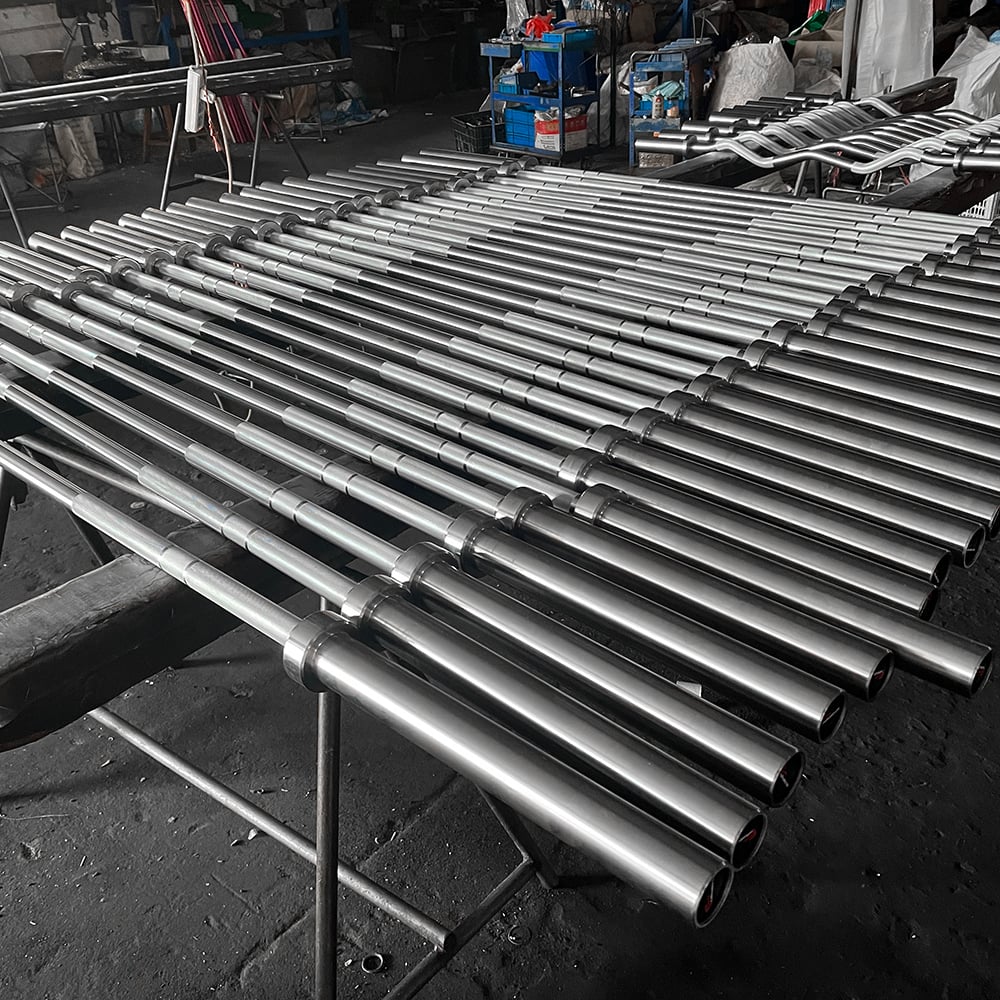
A durable olympic barbell helps users increase training demands over time, serving as a long-term investment rather than a disposable accessory that must be replaced as strength and experience grow. This distinction matters because training is inherently progressive: what feels challenging today becomes a warm-up months later, and the equipment must be able to keep pace with that evolution without becoming a limiting factor. Its steel shaft is built to support repeated loading, while the sleeves provide space for standard 50 mm plates, giving the olympic barbell a stable foundation for strength programs that move from light technique work to demanding sets. The shaft's metallurgy and diameter influence how the bar flexes under load, how it feels in the hands, and how reliably it transmits force, while the sleeves allow plates to be loaded quickly and securely. Beginners can focus on form with an empty bar or light plates, and the same bar can later handle heavy compound lifts without flexing excessively or losing its structural integrity. This continuity is valuable because it lets athletes develop familiarity with a single implement, building consistent technique and confidence rather than constantly adapting to new equipment. A suitable load rating offers useful headroom, so buyers do not need to replace the equipment as their ability grows, which is especially important for home athletes who want to avoid repeated purchases and for facilities that need equipment capable of serving a wide range of users. Headroom also provides a safety margin, ensuring the bar performs well within its limits rather than being pushed to the edge of its capacity during heavy sessions. Protective finishes can also help resist surface wear, moisture, and frequent handling, although every bar still needs sensible storage and regular inspection. A finish protects the steel, but it cannot compensate for neglect, and even the best coating will eventually fail if the bar is stored in damp conditions or left covered in sweat and chalk. Coatings such as hard chrome, zinc, or cerakote slow down corrosion and preserve the bar's appearance, but they are not a substitute for proper care, which includes storing the bar in a dry place, wiping it down after use, and checking for signs of wear or damage. Regular inspection should include checking the knurling for flattening, the sleeves for smooth rotation, and the shaft for any bends or cracks that could compromise safety. The olympic barbell supports measurable progress because users can add plates in small steps and track each workout accurately. Incremental loading makes it easy to follow progressive overload programs, record personal bests, and adjust training based on clear, objective data rather than guesswork. This data-driven approach keeps motivation high, since users can see concrete evidence of improvement over weeks and months. That makes it valuable for home athletes, coaches, and commercial gyms with varied users, since the same equipment can serve a teenager learning the basics, a competitive lifter chasing a new PR, and a recreational user maintaining general fitness. A coach can teach consistent movement standards across all of them, and a facility can stock one reliable model instead of several specialized bars. When selecting a model, compare shaft strength, straightness, sleeve attachment, coating, and warranty coverage. Shaft strength and tensile rating indicate how much load the bar can handle and how much whip it will have, while straightness affects lifting accuracy and safety. Sleeve attachment should be secure and smooth-spinning for Olympic lifts, and coating choice depends on the training environment and climate. Warranty coverage provides reassurance about long-term durability and the manufacturer's confidence in their product. Strong construction lowers replacement risk and gives the customer a practical tool for long-term training, not a short-term accessory. By choosing carefully and maintaining the bar properly, users can rely on it for years of consistent, safe, and measurable progress.
 EN