 EN
EN

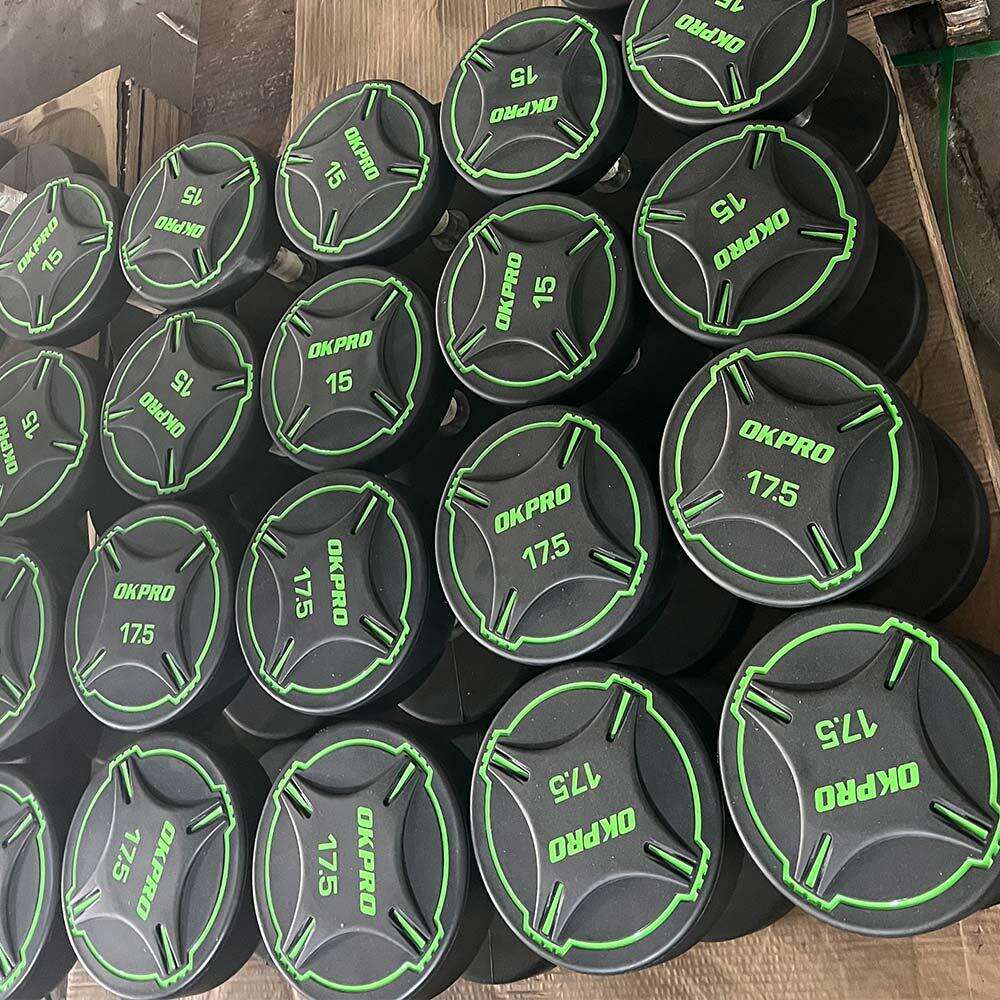
The global fitness equipment market has experienced unprecedented growth, with commercial gyms and fitness retailers increasingly turning to China for their dumbbell procurement needs. Navigating the complex landscape of China dumbbell suppliers requires strategic planning, thorough research, and understanding of manufacturing capabilities across different regions. Success in sourcing from Chinese manufacturers depends on evaluating supplier credentials, understanding quality standards, and establishing reliable communication channels that ensure product specifications align with market requirements.
Chinese manufacturers dominate the global dumbbell production market, offering competitive pricing, diverse product ranges, and scalable manufacturing capabilities. The key to successful procurement lies in identifying suppliers who combine cost-effectiveness with consistent quality standards. Professional buyers must develop comprehensive evaluation frameworks that assess manufacturing processes, quality control systems, and export capabilities while maintaining focus on long-term partnership potential rather than short-term cost savings.
Understanding Manufacturing Regions and Specializations
Major Production Hubs
China's dumbbell manufacturing industry concentrates primarily in Shandong, Jiangsu, and Zhejiang provinces, each offering distinct advantages in terms of production capabilities, raw material access, and shipping infrastructure. Shandong province leads in cast iron and steel dumbbell production, leveraging extensive steel manufacturing infrastructure and experienced metalworking workforce. The region's manufacturers typically specialize in heavy-duty commercial grade equipment suitable for professional gym environments.
Jiangsu province manufacturers excel in rubber-coated and urethane dumbbells, utilizing advanced polymer processing technologies and sophisticated coating application systems. These facilities often maintain higher quality standards and implement stringent environmental controls, making them preferred partners for premium fitness equipment brands. The province's proximity to major shipping ports also facilitates efficient international logistics and reduces transportation costs.
Zhejiang province concentrates on innovative dumbbell designs, adjustable weight systems, and specialized fitness equipment manufacturing. Manufacturers in this region frequently invest in research and development capabilities, enabling them to produce cutting-edge products that meet evolving fitness industry demands. Their technical expertise particularly benefits buyers seeking customized solutions or unique product specifications.
Specialization Categories
Different manufacturers within these regions maintain specific specializations that buyers should understand when selecting suppliers. Cast iron dumbbell specialists focus on traditional fixed-weight designs, offering excellent durability and cost-effectiveness for basic gym setups. These manufacturers typically maintain large-scale production capabilities and can accommodate substantial order volumes with consistent delivery schedules.
Rubber-coated dumbbell manufacturers represent a growing segment, developing advanced coating technologies that enhance grip, protect flooring, and reduce noise levels. These suppliers often maintain partnerships with chemical companies to ensure coating durability and safety compliance. Professional buyers targeting premium market segments frequently prefer working with these specialized manufacturers.
Adjustable dumbbell manufacturers focus on complex mechanical systems, precision engineering, and component integration. These suppliers require advanced machining capabilities and strict tolerance controls to ensure smooth weight adjustment mechanisms. Buyers seeking innovative products or space-saving solutions should prioritize manufacturers with proven expertise in adjustable dumbbell production.
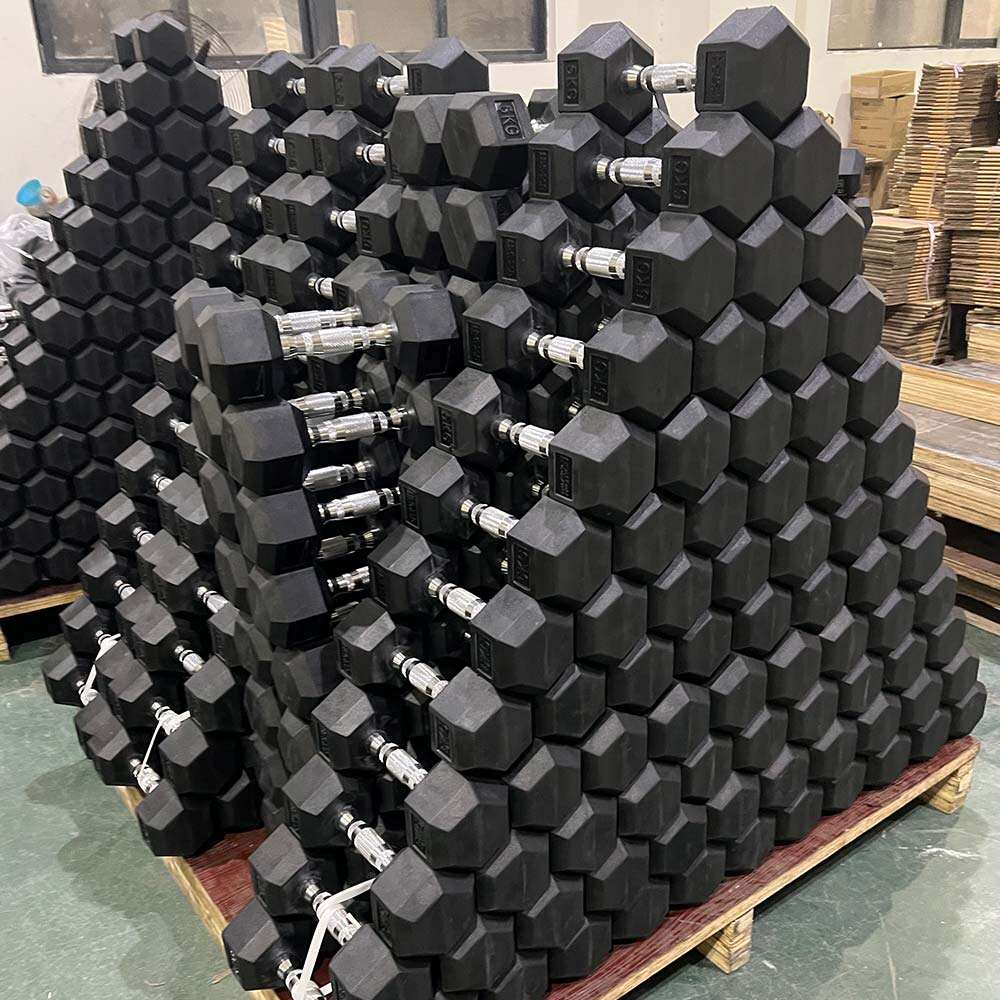
Quality Assessment and Certification Standards
International Quality Standards
Evaluating quality standards among China dumbbell suppliers requires understanding international certification requirements and testing protocols. ISO 9001 certification indicates comprehensive quality management systems, while fitness equipment specific certifications like EN957 or ASTM standards demonstrate commitment to industry-specific safety and performance requirements. Professional buyers should prioritize suppliers maintaining multiple relevant certifications and regular third-party audits.
Material quality verification involves comprehensive testing of steel composition, coating durability, and weight accuracy. Reputable manufacturers provide detailed material certificates, load testing reports, and dimensional accuracy documentation. Buyers should request samples for independent testing and establish clear quality specifications in procurement agreements to ensure consistent product standards.
Manufacturing process documentation helps buyers understand production capabilities and quality control measures. Leading suppliers maintain detailed process flowcharts, quality checkpoint procedures, and continuous improvement programs. These documentation standards indicate professional manufacturing operations and reduce risks associated with quality variations or production delays.
Inspection and Testing Protocols
Implementing comprehensive inspection protocols ensures product quality meets specifications before shipment. Pre-production inspections verify raw material quality, manufacturing setup, and initial production samples. During production inspections monitor manufacturing processes, quality control implementation, and adherence to specifications. Final inspections confirm finished product quality, packaging standards, and shipment readiness.
Third-party inspection services provide objective quality assessment and reduce buyer risks associated with long-distance procurement. Professional inspection companies maintain local expertise, standardized testing equipment, and detailed reporting systems. Regular inspection programs help maintain supplier accountability and identify potential quality issues before they affect large shipments.
Testing protocols should encompass weight accuracy verification, coating adhesion testing, durability assessments, and safety compliance checks. Comprehensive testing programs protect buyer interests and ensure end-user satisfaction. Establishing clear testing standards and acceptance criteria helps maintain consistent quality levels across multiple orders and different production batches.
Communication and Relationship Management
Effective Communication Strategies
Successful partnerships with China dumbbell suppliers depend on establishing clear communication protocols and maintaining regular contact throughout the procurement process. Language barriers require patience, detailed written specifications, and visual aids to ensure accurate understanding of requirements. Professional buyers should invest time in building personal relationships with supplier representatives, as relationship-based business culture significantly influences cooperation levels and problem-solving effectiveness.
Technical specifications communication requires precise documentation, engineering drawings, and sample exchanges to minimize misunderstandings. Buyers should prepare comprehensive specification packages including material requirements, dimensional tolerances, finish standards, and packaging instructions. Regular video conferences and factory visits strengthen communication effectiveness and demonstrate commitment to long-term partnership development.
Cultural awareness enhances communication success and builds stronger business relationships. Understanding Chinese business practices, decision-making processes, and relationship expectations helps buyers navigate negotiations more effectively. Respectful communication approaches, patience with response times, and appreciation for Chinese manufacturing expertise contribute to positive partnership outcomes.
Contract Management and Legal Considerations
Comprehensive contract development protects buyer interests while establishing clear expectations for supplier performance. Contracts should specify product requirements, quality standards, delivery schedules, payment terms, and dispute resolution procedures. Including penalty clauses for quality failures or delivery delays encourages supplier accountability and provides recourse options when problems arise.
Intellectual property protection requires careful contract language and registration procedures when developing custom products or unique designs. Buyers should consider trademark registration in China and include confidentiality clauses to protect proprietary information. Working with legal professionals experienced in Chinese business law helps ensure adequate protection of buyer interests.
Payment terms negotiation balances cash flow requirements with risk management considerations. Progressive payment schedules tied to production milestones provide supplier motivation while protecting buyer investments. Letter of credit arrangements offer additional security for large orders, though they require coordination with banking institutions and may involve additional fees.
Logistics and Supply Chain Management
Shipping and Transportation Options
Optimizing logistics costs and delivery schedules requires understanding various shipping options available from Chinese manufacturers. Sea freight remains the most cost-effective option for large dumbbell orders, though longer transit times require careful inventory planning. Air freight provides faster delivery but significantly increases transportation costs, making it suitable primarily for urgent orders or high-value products.
Container optimization strategies help reduce per-unit shipping costs through efficient space utilization. Dumbbell products offer excellent weight-to-volume ratios, making them ideal for container shipping. Mixed container loading allows buyers to combine different products and maximize container capacity, though it requires careful coordination with suppliers to ensure compatible shipping schedules.
Port selection influences shipping costs, transit times, and customs clearance efficiency. Major Chinese ports like Shanghai, Qingdao, and Ningbo offer frequent shipping schedules and advanced handling facilities. Buyers should coordinate with suppliers to select optimal ports based on manufacturer locations, shipping line availability, and destination port capabilities.
Customs and Import Procedures
Understanding import regulations, duty rates, and customs procedures ensures smooth product clearance and accurate cost calculations. Fitness equipment imports typically face specific classification requirements and safety standard compliance checks. Professional buyers should work with experienced customs brokers and maintain current knowledge of tariff schedules and regulatory changes affecting their markets.
Documentation requirements include commercial invoices, packing lists, certificates of origin, and quality compliance certificates. Accurate documentation prevents customs delays and ensures proper duty assessment. Suppliers should provide complete documentation packages and coordinate with buyers to ensure all requirements are satisfied before shipment departure.
Duty optimization strategies help minimize import costs through proper product classification, origin certificate utilization, and trade agreement benefits. Working with trade professionals helps identify potential savings opportunities and ensures compliance with complex international trade regulations. Regular review of duty structures and trade agreements helps maintain competitive landed costs.
Cost Management and Pricing Strategies
Total Cost Analysis
Effective cost management extends beyond initial product prices to encompass comprehensive total landed cost analysis. Transportation costs, customs duties, insurance fees, and handling charges significantly impact final product costs. Professional buyers develop detailed cost models that account for all expenses associated with international procurement to enable accurate pricing decisions and supplier comparisons.
Currency fluctuation management requires monitoring exchange rate trends and implementing hedging strategies when appropriate. Long-term contracts should include currency adjustment clauses or fixed exchange rate agreements to provide cost predictability. Regular market analysis helps buyers identify optimal timing for large purchases and contract negotiations.
Volume pricing negotiations leverage order quantities to secure better unit prices and favorable terms. Suppliers typically offer substantial discounts for large orders or long-term commitments. Buyers should analyze their demand patterns and consider consolidating purchases to achieve volume thresholds that unlock better pricing tiers.
Payment Terms and Financial Management
Negotiating favorable payment terms helps optimize cash flow while maintaining supplier relationships. Standard terms often require 30% deposits with balance payments upon completion, though established relationships may enable more favorable arrangements. Progressive payment schedules tied to production milestones provide suppliers with working capital while protecting buyer interests.
Financial risk management involves credit checks on suppliers, insurance coverage for shipments, and contingency planning for potential disruptions. Working with financially stable suppliers reduces risks of production delays or quality compromises due to cash flow problems. Regular financial monitoring helps identify potential issues before they affect order fulfillment.
Banking relationships facilitate international transactions through efficient wire transfer services, competitive exchange rates, and trade financing options. Establishing relationships with banks experienced in Chinese trade provides access to specialized services and market insights. Regular review of banking fees and services ensures optimal financial arrangements.
Technology Integration and Innovation
Digital Procurement Platforms
Modern procurement increasingly relies on digital platforms and technologies to streamline supplier identification, communication, and order management. Online marketplaces provide access to extensive supplier databases, though buyers must carefully verify credentials and capabilities beyond basic platform listings. Professional procurement platforms offer enhanced features including supplier verification, quality ratings, and integrated communication tools.
Virtual factory tours and video conferencing technologies enable remote supplier assessment and ongoing relationship management. Advanced communication tools help bridge geographical distances and maintain regular contact with manufacturing teams. Digital documentation systems facilitate specification sharing, order tracking, and quality control coordination.
Data analytics tools help buyers analyze supplier performance, identify trends, and optimize procurement decisions. Tracking delivery performance, quality metrics, and cost trends provides insights for continuous improvement and strategic planning. Integrated systems connecting procurement, inventory management, and sales data enable more sophisticated demand forecasting and purchasing optimization.
Product Innovation and Customization
Chinese manufacturers increasingly offer customization capabilities and innovative product development services. Advanced manufacturing technologies enable production of custom weights, unique handle designs, and specialized coating applications. Buyers seeking differentiated products should identify suppliers with proven innovation capabilities and collaborative development approaches.
3D modeling and prototyping services help buyers visualize custom products and refine specifications before full production. Modern suppliers often maintain design capabilities and can provide engineering support for product development projects. Collaborative development processes enable buyers to create unique products that meet specific market requirements.
Sustainability initiatives drive innovation in materials, manufacturing processes, and packaging solutions. Environmentally conscious buyers should identify suppliers implementing green manufacturing practices, recycled materials utilization, and waste reduction programs. Sustainable sourcing strategies increasingly influence purchasing decisions and supplier selection criteria.
FAQ
What are the key factors to consider when selecting China dumbbell suppliers?
Key selection factors include manufacturing capabilities, quality certifications, production capacity, communication effectiveness, and financial stability. Buyers should evaluate suppliers based on their specialization in required product types, compliance with international quality standards, and ability to meet delivery schedules. Geographic location, shipping infrastructure access, and previous export experience also influence supplier suitability for international procurement.
How can buyers ensure consistent product quality from Chinese manufacturers?
Quality consistency requires comprehensive supplier evaluation, detailed specifications, regular inspections, and clear quality agreements. Buyers should implement pre-production approvals, in-process monitoring, and final inspections to maintain standards. Establishing long-term relationships with proven suppliers and investing in quality control processes helps ensure consistent product quality across multiple orders.
What are typical lead times and minimum order quantities for dumbbell procurement?
Lead times typically range from 15-45 days depending on product complexity, order quantity, and production schedules. Standard products generally require shorter lead times than customized items. Minimum order quantities vary by supplier and product type, often ranging from 100-1000 pieces per design. Buyers should plan procurement schedules to accommodate production and shipping timeframes while maintaining adequate inventory levels.
How do payment terms and currency considerations affect procurement costs?
Payment terms typically involve 30% deposits with balance payments upon completion, though terms vary by supplier relationship and order size. Currency fluctuations can significantly impact costs, making exchange rate monitoring and hedging strategies important for large orders. Buyers should factor currency risks into pricing decisions and consider fixed-rate agreements for substantial long-term commitments to ensure cost predictability.
Table of Contents
- Understanding Manufacturing Regions and Specializations
- Quality Assessment and Certification Standards
- Communication and Relationship Management
- Logistics and Supply Chain Management
- Cost Management and Pricing Strategies
- Technology Integration and Innovation
-
FAQ
- What are the key factors to consider when selecting China dumbbell suppliers?
- How can buyers ensure consistent product quality from Chinese manufacturers?
- What are typical lead times and minimum order quantities for dumbbell procurement?
- How do payment terms and currency considerations affect procurement costs?