
 EN
EN
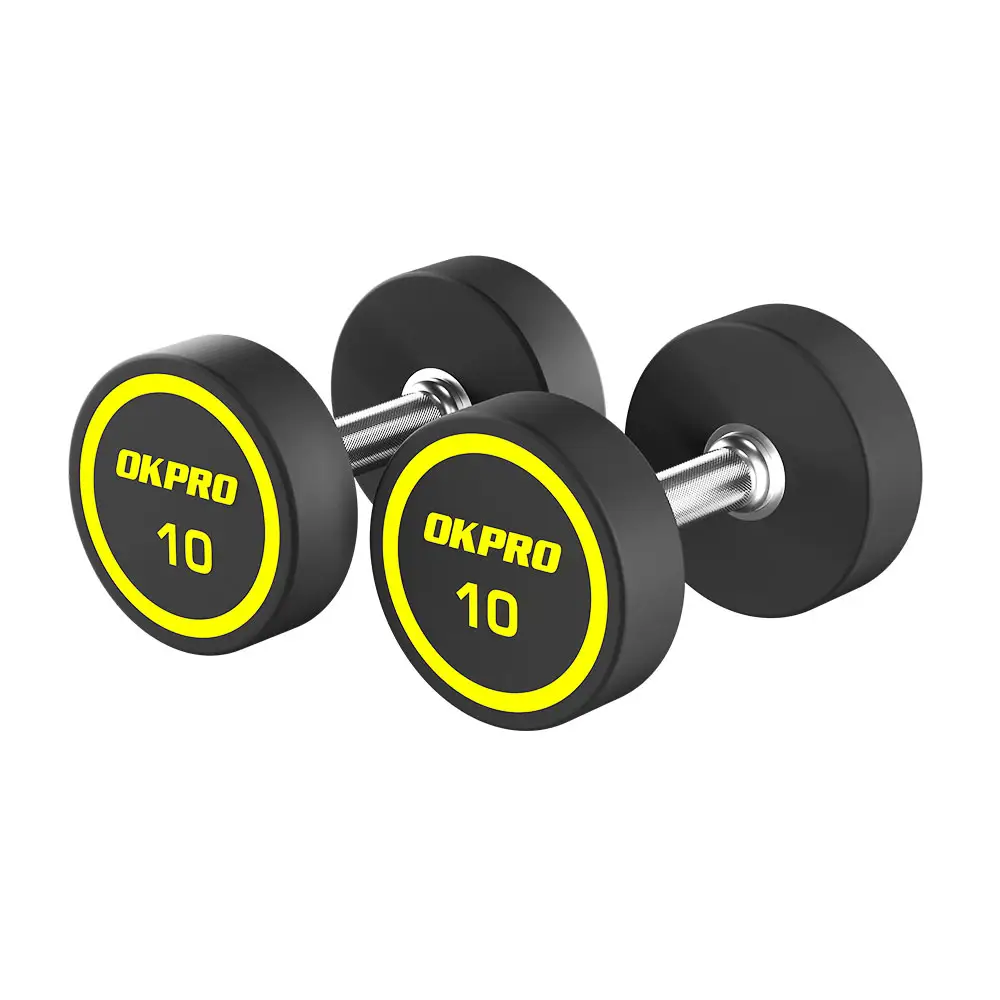
Understanding PU Dumbbells: Key Features and Benefits
What Makes PU Dumbbells Different from Other Types
PU dumbbells, or polyurethane dumbbells, stand out due to their unique material composition. They offer a cushioned grip and a non-slip surface, providing comfort during workouts. Unlike traditional rubber or metal dumbbells, PU dumbbells boast a softer touch, making them excellent for high-repetition workouts and extended training sessions. This tactile advantage is particularly appreciated by athletes who prioritize comfort without sacrificing performance. Moreover, their aesthetic appeal with vibrant colors enhances the workout environment, as users often report increased motivation and engagement in gym settings. Such factors contribute to the growing preference for PU dumbbells among fitness enthusiasts seeking both functionality and style.
Durability and Material Advantages of Urethane Coating
The urethane coating on PU dumbbells offers exceptional durability, resisting chipping and cracking to ensure a long lifespan compared to standard rubber options. This resilience is supported by research indicating that urethane surfaces can withstand significant impacts and adverse environmental conditions, making them ideal for commercial gyms where equipment is extensively used. Additionally, PU dumbbells are easy to clean, which not only improves hygiene but also preserves their visual appeal through multiple uses. Fitness equipment evaluations consistently back these advantages, highlighting urethane's superiority in maintaining performance and aesthetics over time.
How Hexagonal Design Improves Stability During Workouts
The hexagonal shape of PU dumbbells plays a crucial role in enhancing workout stability, especially during floor exercises. This design prevents the weights from rolling away, providing a safer and more stable experience for users. Stability in free weight exercises is imperative, as grounded weights encourage better lifting techniques focused on form. Studies have shown that maintaining correct posture during workouts not only benefits beginners but also enhances performance for advanced athletes. Therefore, the hexagonal innovation is praised for promoting secure and effective exercise interventions across fitness levels.
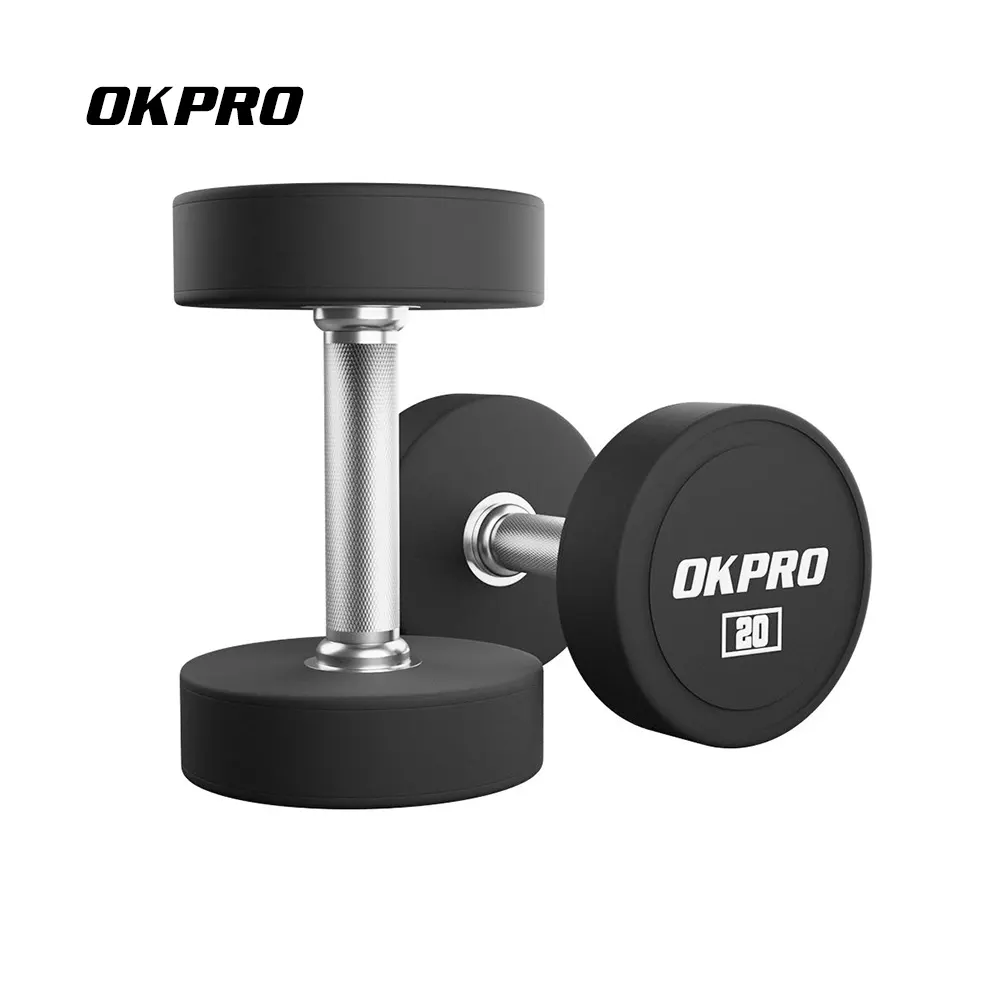
Essential Factors for Selecting PU Dumbbell Weight
Assessing Your Current Strength Level and Fitness Goals
Determining the appropriate weight for PU dumbbells starts with assessing your current strength level and fitness goals. Recognizing your strength capacity involves examining your performance in both bodyweight exercises and existing dumbbell workouts. Experts recommend setting clear fitness goals, whether aiming for muscle gain or overall fitness, as this guides you in selecting the suitable weight. Starting light and gradually assessing your limits is crucial. Additionally, employing self-assessment techniques, such as tracking your progress over time, can help guide you toward the optimal weight choice, consistent with established fitness coaching principles.
Weight Increments: Why 2.5-5 lb Adjustments Matter
Incremental weight adjustments, typically 2.5 to 5 pounds, are essential for steady progression in strength training. This approach aligns with the principle of progressive overload, a key concept in effectively increasing muscle strength. Research supports that using smaller increments helps maintain proper form and prevent injuries, particularly for newcomers to strength training. Regularly adjusting weights within this range accelerates strength development by challenging the muscles without overwhelming them. Therefore, a strategic approach to incremental weight adjustments can lead to improved fitness outcomes over time.
Exercise-Specific Considerations (Compound vs. Isolation Movements)
Choosing the right weight for PU dumbbells requires understanding exercise-specific considerations such as the difference between compound and isolation movements. Compound exercises engage multiple muscle groups simultaneously, while isolation exercises target a single muscle group. To maximize the effectiveness of workouts, experts recommend using heavier weights for compound exercises and favoring lighter weights for isolation movements. Selecting weights based on the type of exercise carried out ensures not only improved performance but also lowers the risk of injury. This nuanced approach aids in achieving balanced muscle development across various exercise regimes.
Matching Dumbbell Weight to Training Objectives
Choosing Weights for Muscle Building vs Endurance Training
Choosing the right dumbbell weight is crucial for achieving specific training goals, whether that's muscle building or endurance training. For muscle building, fitness experts recommend selecting weights that allow you to perform 6-12 reps, focusing on muscle hypertrophy and strength gains. In contrast, endurance training requires lighter weights that enable you to complete 12-20 reps, emphasizing prolonged muscle engagement and cardiovascular fitness. Understanding the physiological differences between these goals is vital, as it helps tailor your workout effectively. Many fitness professionals stress the importance of aligning weight choices with specific training objectives to maximize results, ensuring optimal performance and safety.
Optimal Rep Ranges and Weight Relationships for Different Goals
The relationship between rep ranges and weight selection is key to optimizing training results. According to research, using lower rep ranges with heavier weights leads to significant strength gains, while higher rep ranges target endurance and cardiovascular fitness. By incorporating varying rep ranges within a training cycle, one can efficiently target different muscle fibers and enhance overall performance. These principles are supported by expert weightlifting guidelines, highlighting the importance of understanding these dynamics to empower users to craft effective and customized training programs.
Special Considerations for Rehabilitation and Functional Fitness
When selecting weights for rehabilitation and functional fitness, it’s crucial to prioritize safety and mobility. For rehabilitation, consulting with a healthcare provider ensures appropriate weight selection to avoid injury and support recovery. Functional fitness focuses on movements that mimic daily activities, requiring weights that enhance overall mobility effectively. Evidence-based practices show that using lighter PU dumbbells in rehabilitation can significantly boost recovery while maintaining form integrity. This approach ensures exercises are safe, effective, and beneficial for improving overall functionality in daily life.
Practical Testing and Progressive Overload Strategies
The 2-minute form check: Avoiding compromise for heavier weights
Maintaining proper form is crucial in preventing injuries during heavy lifting sessions. A quick two-minute form check can help identify any deviations from the correct posture and technique. Experts recommend utilizing mirrors or seeking coaching assistance to enhance performance quality during these checks. Furthermore, studying common form mistakes prevalent in heavy lifts provides essential insights that can assist in maintaining safety and efficacy throughout workouts. The discipline of routinely verifying one's form ensures that the priority remains on health and injury prevention.
When to increase weight: Signs you're ready for progression
Recognizing when to increase weight is pivotal in achieving progressive overload and fitness growth. If you consistently complete more than the upper limit of your rep range without compromising form, it’s a clear sign you're ready to increase your weight. Fitness authorities advocate for a structured approach to progression by monitoring metrics like perceived exertion and recovery times. Evidence-backed guidelines support gradual increases in weight to ensure muscular adaptations occur effectively while minimizing the risk of injury. By systematically tracking these signs, individuals can make informed adjustments in their fitness routines.
Combining weight adjustments with tempo changes for growth
Integrating weight adjustments with tempo changes is an effective strategy to enhance muscle growth and endurance capabilities. Research emphasizes that altering the tempo of lifts not only influences muscle engagement but also helps to break workout monotony. Fitness practitioners often suggest alternating between faster lifts and slower, controlled movements to create a varied and impactful strength training routine. This method allows for diverse muscle stimulation, promoting growth through different angles of exertion and fostering increased overall performance.
Frequently Asked Questions (FAQ)
What makes PU dumbbells a preferred choice over rubber or metal dumbbells?
PU dumbbells are favored due to their cushioned grip, non-slip surface, and aesthetic appeal, offering comfort, style, and performance benefits.
How do I determine the right weight for my PU dumbbells?
Assess your current strength level and fitness goals, starting with lighter weights and adjusting based on your progress and exercise type.
Why is the hexagonal design significant for PU dumbbells?
The hexagonal shape prevents rolling, providing stability during floor exercises, which supports better lifting techniques.
What kind of maintenance is required for PU dumbbells?
Regular inspections for handle integrity and urethane coating, proper storage in a dry environment, and using floor protection to minimize wear and tear and reduce noise.