 EN
EN

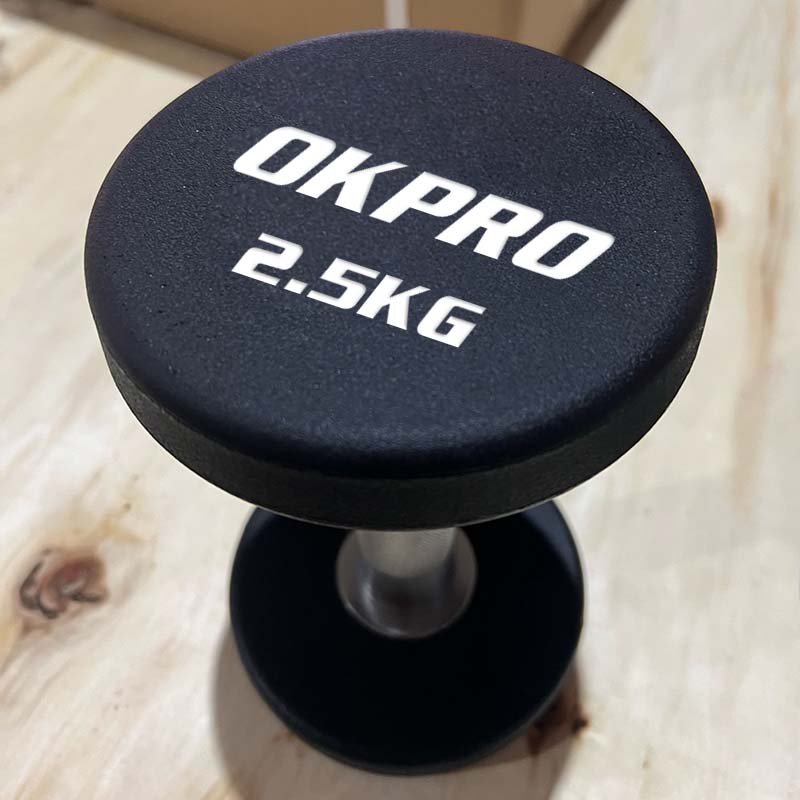
Choosing the right urethane weight plate for a commercial gym environment is one of the most consequential purchasing decisions a facility manager can make. Unlike home gym setups, commercial facilities demand equipment that can withstand thousands of loading and unloading cycles every week without cracking, fading, or losing structural integrity. A urethane weight plate is widely regarded as the premium choice for these demanding conditions, and understanding why requires looking closely at what sets it apart from alternatives like rubber or cast iron options.
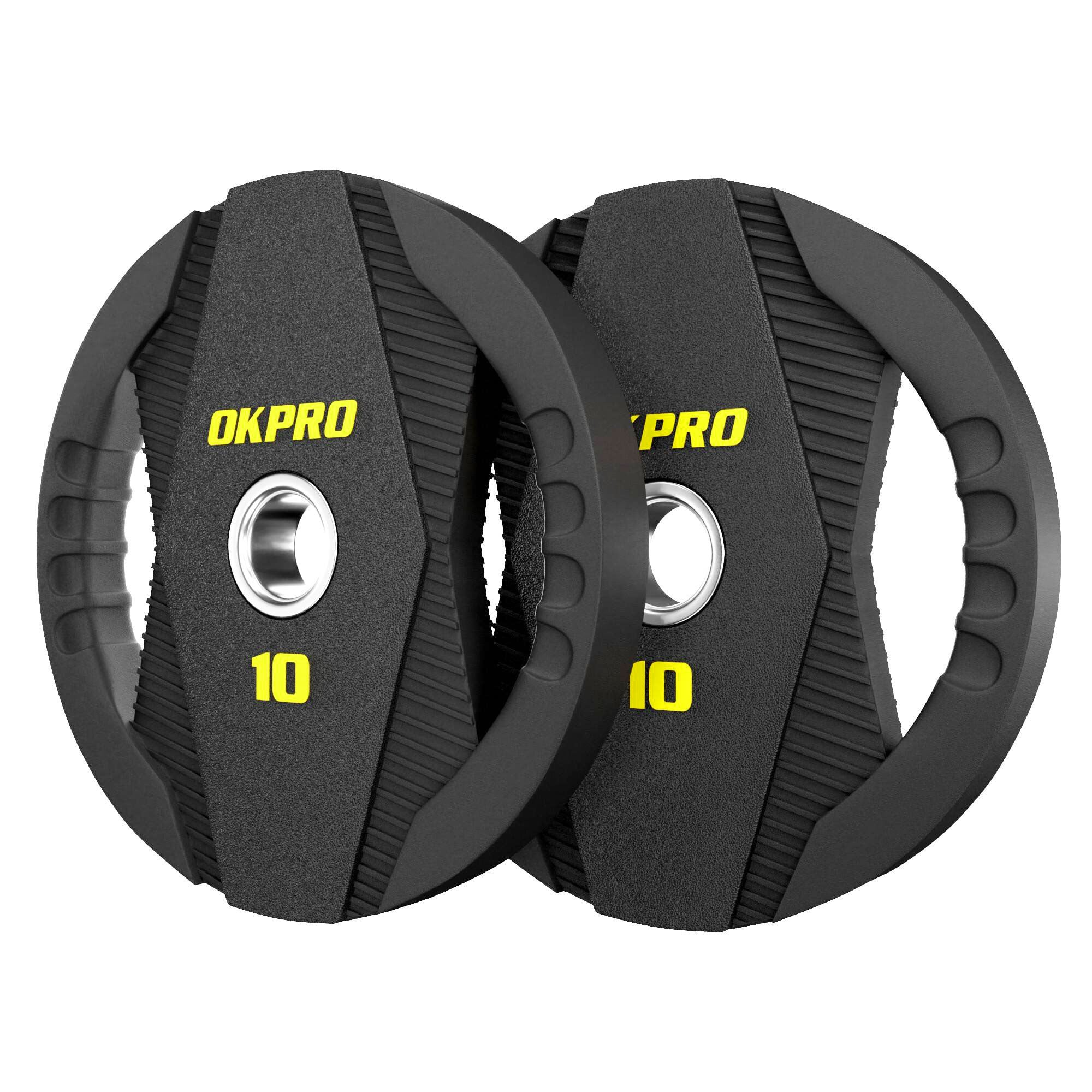
This guide walks commercial gym owners and procurement managers through the key criteria for selecting a urethane weight plate that delivers lasting performance. From surface durability and weight accuracy to odor control and aesthetic consistency, each factor plays a meaningful role in evaluating whether a urethane weight plate truly fits your facility's needs. Making an informed choice upfront prevents costly replacements and protects the overall gym experience for members.
Why Surface Material Determines Long-Term Value
The Durability Advantage of Urethane
When evaluating any urethane weight plate, the first consideration is the outer coating material. Urethane is a high-performance polymer that resists abrasion, impact, and UV degradation far more effectively than standard rubber compounds. A quality urethane weight plate maintains its surface finish even after years of heavy use, which is critical in commercial gyms where equipment appearance reflects directly on brand reputation. Unlike rubber-coated plates that can crack or peel under repeated stress, a urethane weight plate retains its shape and texture with minimal maintenance.
Another major advantage of a urethane weight plate in commercial settings is its resistance to chemical cleaners. Gym floors and equipment are cleaned frequently with disinfectants and multi-surface sprays. A properly formulated urethane weight plate does not degrade when exposed to these substances, which means the surface stays intact and hygienic over time. Facilities that invest in a durable urethane weight plate reduce the need for frequent replacement cycles, which lowers total cost of ownership significantly.
Color Stability and Brand Consistency
A urethane weight plate typically offers superior color retention compared to rubber alternatives. Commercial gyms often use color-coded weight systems to help members quickly identify plate denominations. If the coating on a urethane weight plate fades or discolors after regular use and cleaning, the system breaks down and member confusion increases. High-grade urethane formulations lock in color pigment deeply, ensuring that each urethane weight plate looks uniform and professional for years without repainting or resurfacing.
Weight Accuracy and Load Tolerance in Commercial Use
Precision Matters at High Volume
In a commercial gym, dozens of users interact with the same urethane weight plate every day. Small inaccuracies in plate weight can accumulate into meaningful discrepancies for serious athletes tracking progressive overload. A reliable urethane weight plate should meet tight manufacturing tolerances, typically within one to two percent of the stated weight. When sourcing a urethane weight plate for commercial use, always verify that the supplier provides documented weight accuracy standards, as this directly influences training outcomes and member satisfaction.
A precisely manufactured urethane weight plate also ensures balanced loading on barbells, which is essential for safety. Uneven plate weights can cause lateral imbalance during heavy lifts, increasing the risk of injury for both novice and experienced athletes. Commercial gym operators should treat weight accuracy not as a secondary specification but as a fundamental requirement when evaluating any urethane weight plate for bulk procurement.
Hub Design and Barbell Compatibility
The inner hub of a urethane weight plate determines how securely and smoothly the plate fits onto standard Olympic barbells. A well-engineered urethane weight plate features a stainless steel or chrome-plated insert that prevents the bore from expanding or cracking under repeated loading. Commercial facilities that run high-intensity classes or powerlifting programs should prioritize a urethane weight plate with a reinforced hub, as consistent barbell changes accelerate wear at the insertion point. Checking hub diameter tolerances and insert material specifications helps buyers choose a urethane weight plate that performs reliably across all equipment in the facility.
Odor Control, Safety, and Facility Fit
Low Odor as a Commercial Necessity
One of the most overlooked factors when selecting a urethane weight plate for a commercial gym is odor. Standard rubber plates emit a strong chemical smell that can be unpleasant in enclosed spaces. A premium urethane weight plate produces significantly less odor both when new and during prolonged use. For commercial operators who manage ventilation across multiple training zones, choosing a low-odor urethane weight plate makes the facility more comfortable and reduces member complaints. When evaluating supplier samples, always inspect a urethane weight plate in a controlled indoor space to assess odor levels before committing to a large order.
Floor and Equipment Safety
A urethane weight plate is notably gentler on flooring than bare iron or rubber alternatives. The smooth, dense urethane surface reduces scuffing and impact damage when plates are set down between sets. In commercial environments where flooring replacement is expensive, selecting a urethane weight plate that minimizes surface contact damage is a sound financial decision. Additionally, the reduced noise profile of a urethane weight plate creates a better acoustic environment, which benefits members engaged in group classes, coaching sessions, or focused training near the free weight area. The urethane weight plate designed for commercial use combines all of these protective qualities into a format that serves high-traffic facilities reliably.
Beyond floor protection, the exterior surface of a urethane weight plate provides a secure, non-slip grip during loading and unloading. This reduces the likelihood of plates slipping from a user's hands, which is especially important in fast-paced commercial gym environments. Evaluating grip texture during sample testing helps procurement teams confirm that a urethane weight plate meets both safety and usability standards across the full weight range offered.
FAQ
How is a urethane weight plate different from a rubber weight plate?
A urethane weight plate uses a harder, more abrasion-resistant polymer coating compared to standard rubber. This gives a urethane weight plate superior durability, better color retention, lower odor output, and improved resistance to chemical cleaners, making it more suitable for commercial gym environments where plates face heavy daily use.
What weight accuracy should I expect from a commercial urethane weight plate?
A quality urethane weight plate intended for commercial use should fall within one to two percent of the stated weight denomination. Buyers should request tolerance documentation from suppliers and verify that each urethane weight plate in a set meets consistent accuracy standards to support safe and effective training for all facility members.
How do I maintain a urethane weight plate in a high-traffic gym?
Maintaining a urethane weight plate in a commercial setting is straightforward. Wipe the surface regularly with a mild disinfectant that is compatible with urethane coatings. Inspect the hub insert periodically for signs of wear. Store each urethane weight plate on a dedicated rack to prevent surface contact damage and maintain an organized, safe training environment.