 EN
EN

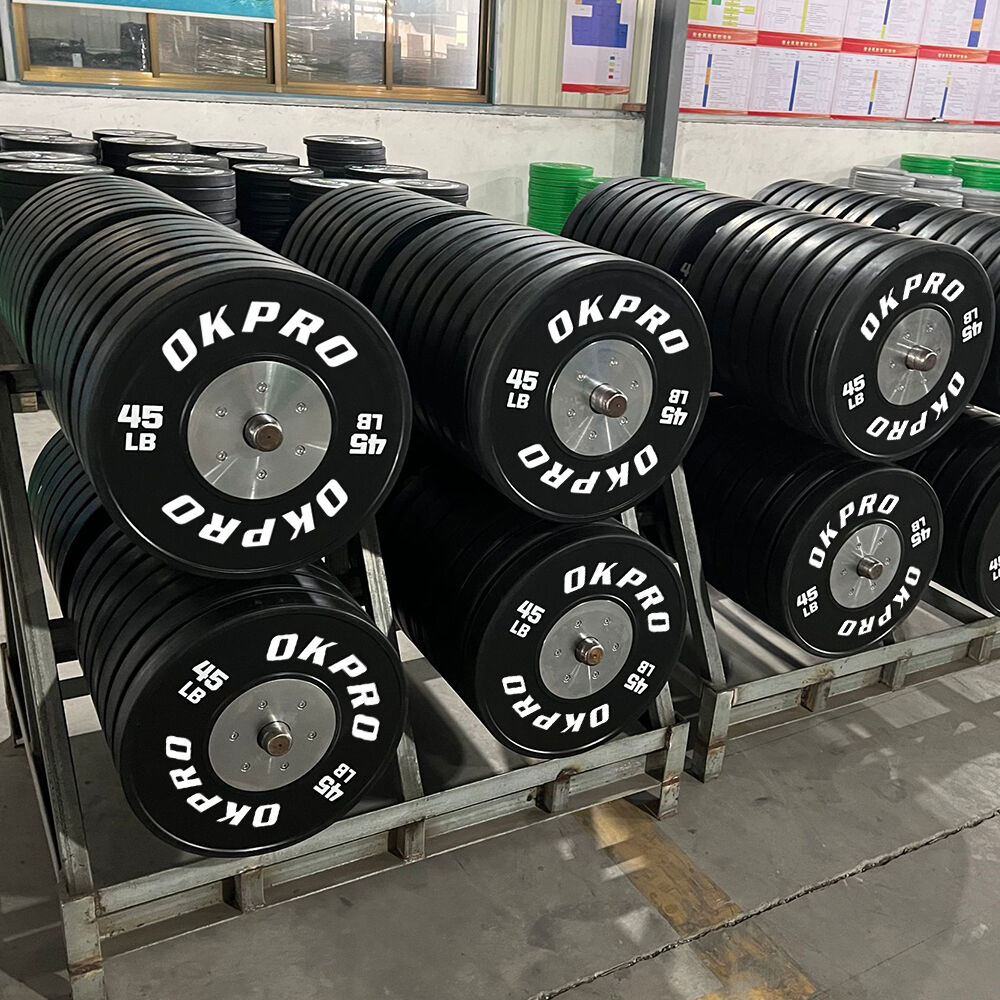
Equipment longevity has become a critical concern for fitness facilities, training centers seeking to maximize their investment returns. When it comes to weightlifting equipment, the choice of plates can significantly impact both safety and long-term operational costs. Quality rubber bumper plates represent more than just a premium purchase—they serve as a strategic investment that protects floors, reduces noise, and minimizes equipment replacement cycles while maintaining consistent training standards.
Understanding Equipment Degradation in Training Environments
The Hidden Costs of Low-Quality Weight Plates
Training facilities often overlook the cascading effects of inferior weight plates on their overall equipment ecosystem. When plates lack proper construction or materials, they create vibrations and impacts that transfer throughout the training area. These forces gradually weaken floor structures, damage barbells, and create maintenance issues that compound over time. The initial savings from purchasing cheaper alternatives quickly disappear when facilities face frequent repairs, equipment replacements, and potential safety hazards.
Standard iron plates, while functional for basic training, generate significant impact forces when dropped or placed heavily. This metal-on-metal contact creates stress points on barbells, particularly at the sleeve areas where plates make contact. Over months of regular use, these stress concentrations lead to premature wear patterns, requiring costly barbell replacements or repairs that could have been avoided with proper plate selection.
Impact Distribution and Force Management
Quality rubber bumper plates excel at distributing impact forces across larger surface areas, reducing concentrated stress on equipment and flooring systems. The rubber composition absorbs and dissipates energy that would otherwise transfer directly to connected equipment. This force management capability extends beyond immediate protection, creating a training environment where equipment maintains structural integrity over extended periods.
The physics of impact distribution becomes particularly important in high-volume training environments where plates may be dropped or placed repeatedly throughout daily operations. Each impact event represents a potential failure point for connected equipment, making the investment in quality plates a form of insurance against premature equipment degradation and replacement costs.
Material Science and Durability Factors
Advanced Rubber Compound Technology
Modern rubber bumper plates utilize advanced compound formulations that balance durability, impact resistance, and dimensional stability. These materials undergo extensive testing to ensure consistent performance across temperature variations, humidity changes, and repeated stress cycles. The molecular structure of quality rubber compounds allows for elastic deformation during impacts while returning to original shape, preventing the permanent deformation that leads to equipment imbalances.
Premium rubber formulations also resist common degradation factors such as ozone exposure, UV radiation, and chemical cleaning agents used in facility maintenance. This resistance extends the functional lifespan of the plates while maintaining their protective properties throughout their service life. Facilities that invest in quality rubber compounds often report plate lifespans exceeding a decade with proper maintenance protocols.
Steel Insert Construction and Longevity
The steel insert systems in quality bumper plates play crucial roles in maintaining equipment compatibility and structural integrity. Precision-machined inserts ensure consistent barbell fit, preventing the wobbling and uneven loading that can damage barbell sleeves over time. The manufacturing tolerances in premium plates maintain these fits throughout their service life, unlike lower-quality alternatives that may develop play or looseness.
High-grade steel inserts also resist corrosion and wear from repeated loading and unloading cycles. The surface treatments and alloy selections used in quality plates prevent rust formation and material degradation that could compromise equipment safety or require early replacement. This attention to metallurgical details represents a significant factor in total cost of ownership calculations.
Financial Analysis of Long-Term Savings
Replacement Cycle Economics
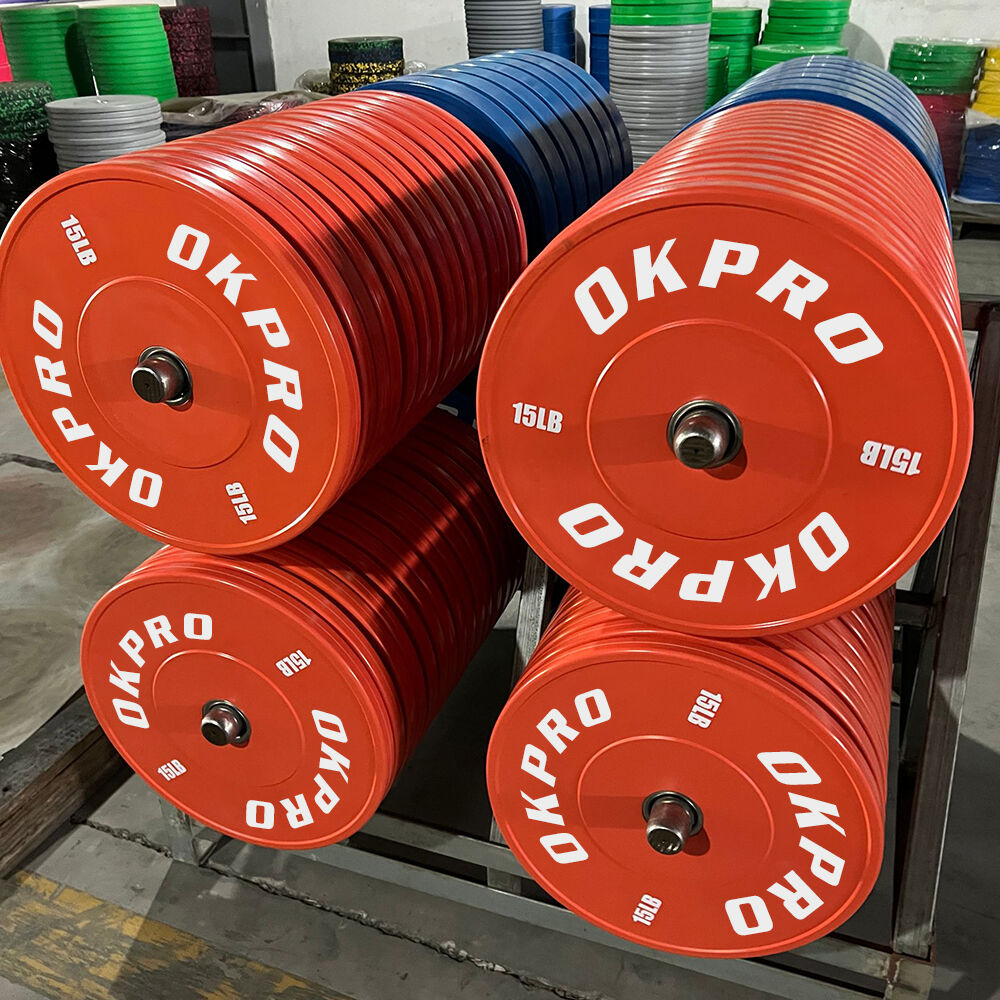
The economic advantages of quality rubber bumper plates become apparent when analyzing replacement cycles over multi-year periods. While premium plates may cost significantly more initially, their extended service life often results in lower per-year ownership costs compared to cheaper alternatives that require frequent replacement. Facilities typically see replacement intervals of 8-12 years for quality plates versus 2-4 years for economy options.
The replacement cycle analysis must also account for the operational disruption and labor costs associated with equipment changeovers. Premium plates reduce the frequency of these disruptions, maintaining training schedule consistency and avoiding the productivity losses that accompany equipment downtime. These operational benefits often exceed the direct cost savings from extended equipment life.
Maintenance and Repair Cost Reductions
Quality rubber bumper plates significantly reduce maintenance requirements for associated equipment, creating substantial long-term savings beyond the plates themselves. Facilities report reduced barbell maintenance, fewer floor repairs, and decreased cleaning requirements when using premium plates. The impact absorption properties of quality rubber eliminate many of the shock-related damages that generate ongoing maintenance expenses.
The noise reduction capabilities of quality plates also contribute to operational savings by reducing soundproofing requirements and neighbor complaints in multi-use buildings. This acoustic management can prevent costly retrofitting projects and maintain positive community relationships that support business operations. Some facilities have avoided expensive acoustic treatments entirely through strategic equipment selection.
Facility Protection and Infrastructure Preservation
Floor System Longevity
Commercial and residential flooring systems represent major capital investments that require protection from the repeated impacts inherent in weight training activities. Quality rubber bumper plates serve as the first line of defense against floor damage, distributing impact forces over larger areas and absorbing energy that would otherwise transfer to subflooring and structural elements. This protection extends floor service life significantly, delaying costly renovation projects.
The floor protection benefits become particularly valuable in multi-story buildings where structural damage from impacts can affect multiple levels. Premium plates prevent the transmission of vibrations and impacts that could compromise structural integrity or create liability issues. Building owners increasingly recognize these plates as essential infrastructure protection rather than optional equipment upgrades.
Environmental Noise Control
Noise management has become a critical consideration for fitness facilities operating in mixed-use environments or residential areas. Quality rubber bumper plates dramatically reduce impact noise compared to traditional iron plates, creating quieter training environments that support extended operating hours and broader community acceptance. This noise reduction capability can directly impact facility revenue potential and operational flexibility.
The acoustic benefits extend beyond simple volume reduction to include frequency spectrum management, addressing the low-frequency impacts that travel through building structures most effectively. Premium rubber compounds absorb these problematic frequencies, preventing the structural transmission that creates disturbances in adjacent spaces. This comprehensive noise control supports facility expansion and operational optimization.
Safety Enhancement and Risk Mitigation
Injury Prevention Through Impact Reduction
The safety advantages of quality rubber bumper plates contribute to long-term cost savings through reduced injury rates and associated liability exposures. The impact absorption properties protect users from the jarring effects of dropped weights while reducing the risk of equipment-related injuries. Facilities using premium plates often report lower insurance claims and reduced medical incident rates compared to those using traditional alternatives.
The consistent bounce characteristics of quality plates also enhance safety by providing predictable behavior during dynamic lifting movements. Athletes can train with confidence knowing that dropped weights will behave consistently, reducing the anxiety and hesitation that can contribute to training injuries. This psychological safety factor supports more effective training programs and improved user satisfaction.
Liability Risk Management
From a risk management perspective, quality equipment selection demonstrates due diligence in providing safe training environments. Insurance providers increasingly recognize the connection between equipment quality and claim frequencies, with some offering premium reductions for facilities that invest in safety-oriented equipment selections. The documentation of quality equipment purchases supports liability defense strategies should incidents occur.
The regulatory compliance aspects of equipment selection also factor into long-term cost considerations. Quality plates help facilities maintain compliance with safety standards and building codes, avoiding the costs associated with violations or required upgrades. This compliance support becomes particularly valuable as regulations evolve and enforcement increases in the fitness industry.
Performance Optimization and User Experience
Consistent Training Conditions
Quality rubber bumper plates maintain their dimensional accuracy and weight specifications throughout their service life, providing consistent training conditions that support athlete development and program progression. This consistency eliminates the variables introduced by worn or damaged equipment, allowing for accurate load progression and performance measurement. Training facilities benefit from the program integrity that quality equipment supports.
The temperature stability of premium rubber compounds ensures consistent plate behavior across seasonal variations and climate-controlled environments. Unlike lower-quality materials that may become brittle in cold conditions or soft in heat, quality plates maintain their protective and performance characteristics regardless of environmental conditions. This reliability supports year-round training programs and facility operation.
Brand Reputation and Client Retention
The professional appearance and performance of quality equipment contribute to facility reputation and client retention rates. Users notice the difference in equipment quality and often associate premium equipment with professional training environments. This perception supports premium pricing strategies and client loyalty that translate to long-term revenue advantages exceeding the initial equipment investment.
Word-of-mouth marketing benefits from quality equipment selection as satisfied clients recommend facilities with superior equipment to their networks. The competitive advantage of quality plates extends beyond their functional benefits to include marketing and brand positioning advantages that support business growth and market differentiation strategies.
Implementation Strategies for Maximum ROI
Phased Replacement Programs
Facilities can maximize the return on investment from quality rubber bumper plates through strategic phased replacement programs that prioritize high-use areas and critical applications first. This approach allows for immediate realization of benefits in key training zones while spreading the investment over manageable budget periods. The performance contrast between new quality plates and existing equipment often demonstrates the value proposition clearly to stakeholders.
Phased programs also allow for real-world testing and validation of benefits before committing to complete facility upgrades. Facilities can document maintenance cost reductions, user feedback improvements, and operational benefits to justify expanded investments in subsequent phases. This evidence-based approach supports budget approvals and demonstrates responsible capital allocation.
Vendor Partnership and Support Systems
Establishing relationships with quality equipment manufacturers provides access to technical support, warranty programs, and replacement planning services that maximize equipment value over time. Premium manufacturers typically offer comprehensive support programs that include maintenance guidance, performance optimization recommendations, and lifecycle planning assistance. These services extend equipment life and optimize performance throughout the ownership period.
Vendor partnerships also provide access to training programs that help facility staff maintain equipment properly and identify potential issues before they become costly problems. The education and support components of quality equipment purchases often prove as valuable as the products themselves in achieving maximum return on investment and operational efficiency.
FAQ
How much can facilities save by investing in quality rubber bumper plates?
Facilities typically save 30-50% on total equipment costs over 10-year periods when investing in quality rubber bumper plates compared to cheaper alternatives. These savings come from extended plate lifespans, reduced barbell replacement needs, decreased floor maintenance, and lower injury-related costs. The exact savings depend on usage intensity and facility size, but most commercial facilities see payback periods of 3-5 years on the premium investment.
What specific features should I look for in quality rubber bumper plates?
Key features include virgin rubber construction rather than recycled materials, precision-machined steel inserts with tight tolerances, consistent weight accuracy within 1% specifications, and proven durability ratings from independent testing. Look for plates with minimal bounce characteristics, resistance to temperature extremes, and manufacturer warranties of at least 2-3 years. Professional-grade plates should also maintain their dimensions and appearance throughout extended use cycles.
How do quality plates reduce facility insurance costs?
Quality rubber bumper plates reduce insurance costs by lowering injury rates through better impact absorption, reducing facility damage claims from equipment impacts, and demonstrating proper safety equipment investment to insurance providers. Many insurers offer discounts for facilities using safety-certified equipment, and the documentation of quality equipment purchases supports favorable risk assessments. Reduced noise complaints also minimize liability exposures in mixed-use buildings.
Table of Contents
- Understanding Equipment Degradation in Training Environments
- Material Science and Durability Factors
- Financial Analysis of Long-Term Savings
- Facility Protection and Infrastructure Preservation
- Safety Enhancement and Risk Mitigation
- Performance Optimization and User Experience
- Implementation Strategies for Maximum ROI
- FAQ