 EN
EN

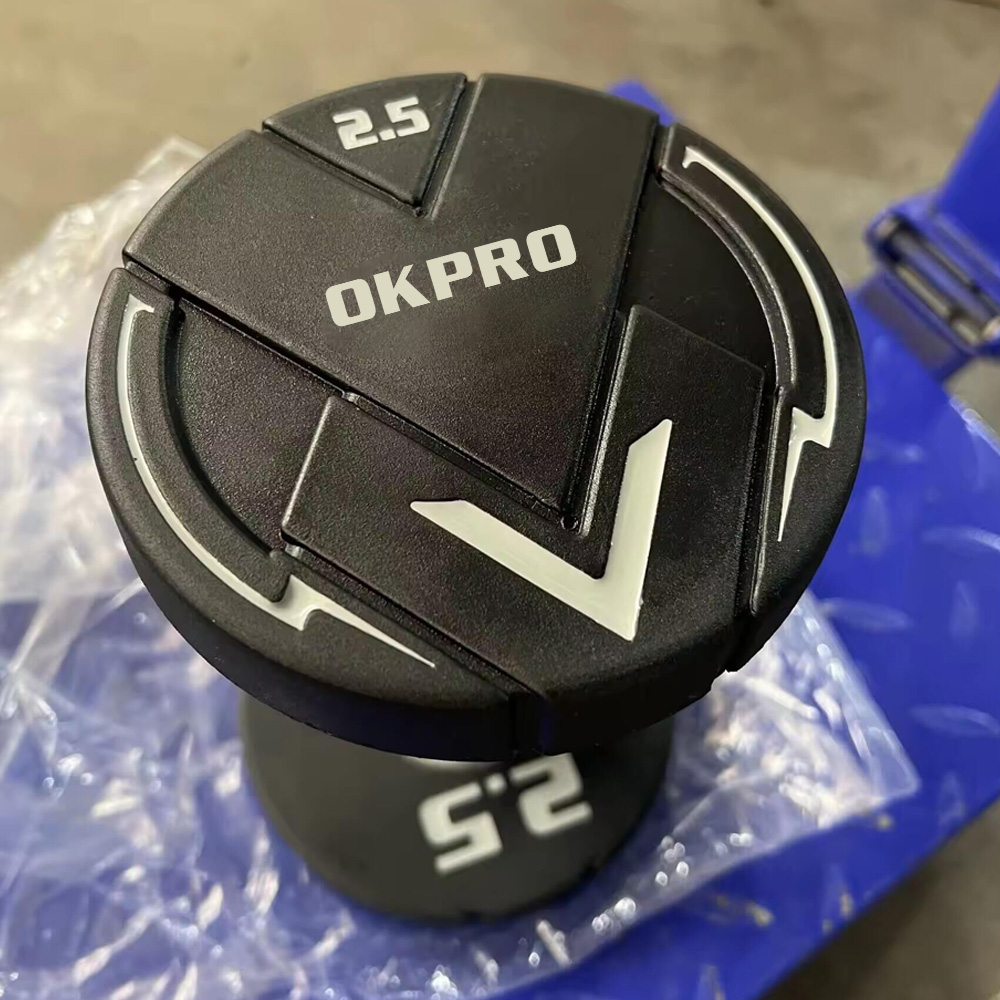
When selecting gym dumbbells for your fitness facility , the material composition directly impacts durability, safety, and long-term investment value. Professional trainers and gym owners understand that not all gym dumbbells are created equal, with material choices ranging from traditional cast iron to advanced urethane compounds. Understanding these material differences helps ensure you make informed purchasing decisions that protect both users and equipment investments while maximizing workout effectiveness.
The material selection process involves evaluating multiple factors including impact resistance, grip quality, environmental tolerance, and maintenance requirements. Modern manufacturing techniques have introduced innovative materials that significantly outperform traditional options in both commercial and residential settings. These advancements have revolutionized how fitness professionals approach equipment selection, prioritizing longevity and user safety over initial cost considerations.
Cast Iron Construction Benefits and Limitations
Traditional Cast Iron Advantages
Cast iron remains a popular choice for gym dumbbells due to its exceptional density and cost-effectiveness. This material provides consistent weight distribution and maintains its structural integrity under heavy usage patterns common in commercial fitness environments. Cast iron dumbbells offer reliable performance for strength training routines, delivering the solid feel that many experienced lifters prefer during their workouts.
The manufacturing process for cast iron allows for precise weight calibration, ensuring accuracy across dumbbell sets. This consistency proves crucial for progressive training programs where exact weight increments matter significantly. Additionally, cast iron's natural properties make it resistant to deformation under normal usage conditions, maintaining its shape and balance characteristics over extended periods.
Durability Challenges with Cast Iron
Despite its strength advantages, cast iron presents notable durability challenges in gym environments. The material's susceptibility to rust requires constant maintenance and proper storage conditions to prevent corrosion. Moisture exposure from humidity or user perspiration can accelerate oxidation processes, leading to surface deterioration that affects both appearance and grip quality.
Impact damage represents another significant concern with cast iron gym dumbbells. When dropped or struck against other equipment, cast iron can chip, crack, or create sharp edges that pose safety hazards. These damage patterns not only compromise structural integrity but also create potential injury risks for users who may encounter damaged surfaces during their training sessions.
Rubber Coating Technologies and Performance
Protective Layer Benefits
Rubber-coated gym dumbbells address many limitations associated with bare metal construction by providing protective barriers between the core material and external environment. This coating system significantly reduces noise levels during workouts, making them ideal for residential settings or gyms with noise restrictions. The rubber layer also protects flooring surfaces from damage when dumbbells are placed or accidentally dropped.
Modern rubber compounds offer excellent grip characteristics that enhance user safety during intense training sessions. The material's natural texture provides secure hand contact even when moisture is present, reducing the likelihood of slippage incidents. This improved grip confidence allows users to focus on proper form and technique rather than worrying about equipment control issues.
Long-term Rubber Performance Considerations
Environmental factors significantly impact rubber coating longevity and performance over time. Temperature fluctuations, UV exposure, and chemical cleaning agents can cause rubber materials to degrade, becoming brittle or developing surface cracks. These deterioration patterns eventually lead to coating separation, exposing the underlying metal core and eliminating the protective benefits.
Maintenance requirements for rubber-coated dumbbells include regular cleaning with appropriate products that won't damage the coating material. Harsh chemicals or abrasive cleaning methods can accelerate degradation processes, reducing the effective lifespan of the protective layer. Understanding proper care techniques helps maximize the investment value of rubber-coated equipment.
Urethane Material Advantages for Professional Use
Superior Chemical Resistance Properties
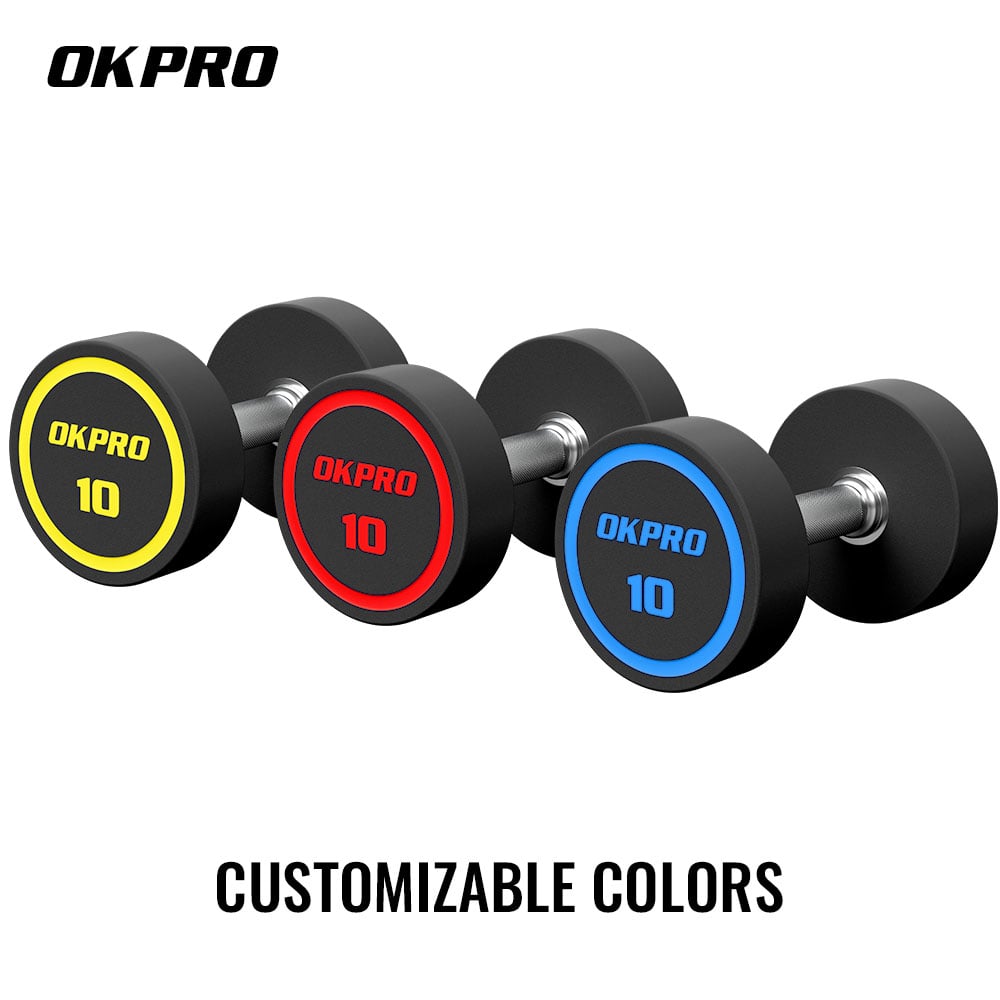
Urethane represents the premium material choice for professional gym dumbbells due to its exceptional chemical resistance and durability characteristics. This advanced polymer material withstands exposure to cleaning chemicals, body oils, and environmental contaminants without degrading or losing its protective properties. Commercial gyms benefit significantly from urethane's ability to maintain appearance and performance standards despite heavy usage and frequent sanitization requirements.
The molecular structure of urethane provides superior impact absorption compared to traditional materials, protecting both the dumbbell and surrounding surfaces during accidental drops. This impact resistance translates to reduced equipment replacement costs and improved safety margins for gym users. Professional facilities often specify urethane construction specifically for these protective characteristics.
Long-term Investment Value
Urethane gym dumbbells demonstrate exceptional longevity under commercial usage conditions, often outlasting rubber-coated alternatives by several years. The material's resistance to cracking, chipping, and surface degradation maintains both functional performance and aesthetic appeal throughout extended service periods. This durability translates to lower total cost of ownership despite higher initial purchase prices.
Color stability represents another significant advantage of urethane construction, as the material resists fading and discoloration even under intense lighting conditions common in fitness facilities. This color retention helps maintain professional appearance standards while providing easy weight identification through color-coding systems. The consistent appearance also contributes to positive user experiences and facility branding efforts.
Steel Core Integration and Structural Integrity
Internal Framework Design
High-quality gym dumbbells incorporate precision-engineered steel cores that provide structural foundation for outer coating materials. These steel frameworks undergo specific heat treatment processes to optimize strength-to-weight ratios while maintaining dimensional stability under load conditions. The core design directly impacts handle comfort, balance characteristics, and overall durability performance.
Manufacturing quality control ensures proper adhesion between steel cores and outer coating materials, preventing separation issues that compromise both safety and functionality. Advanced bonding techniques create permanent connections that withstand thermal cycling, impact forces, and chemical exposure throughout the equipment's service life. This integration quality distinguishes professional-grade equipment from consumer-level alternatives.
Handle Material and Grip Optimization
Steel handle construction provides the foundation for effective grip design in premium gym dumbbells. Knurling patterns machined into steel surfaces create consistent texture that enhances grip security without causing excessive hand fatigue during extended training sessions. The depth and spacing of these patterns require precise engineering to balance grip effectiveness with user comfort considerations.
Coating materials applied to steel handles must maintain texture characteristics while providing protection against corrosion and wear. Specialized surface treatments ensure that grip patterns remain effective throughout the equipment's lifespan, preventing smooth wear patterns that could compromise user safety. Regular inspection of handle conditions helps identify potential replacement needs before safety concerns develop.
Environmental Impact Factors on Material Selection
Climate Considerations for Gym Equipment
Geographic location and facility climate control systems significantly influence optimal material selection for gym dumbbells. High-humidity environments accelerate corrosion processes in metal components while also promoting mold and bacterial growth on organic coating materials. Understanding these environmental factors helps facility managers select appropriate materials that maintain performance standards under local conditions.
Temperature fluctuations affect material expansion and contraction rates, potentially causing stress points in multi-material constructions. Facilities with inadequate climate control may experience premature failure in equipment with dissimilar materials that expand at different rates. Material selection should account for expected temperature ranges and humidity levels throughout the equipment's intended service period.
Maintenance Requirements and Operational Costs
Different dumbbell materials require varying maintenance protocols that impact long-term operational costs beyond initial purchase prices. Cast iron dumbbells demand regular rust prevention treatments and careful storage practices, while urethane versions require minimal maintenance beyond routine cleaning. Understanding these ongoing requirements helps calculate true ownership costs for equipment procurement decisions.
Chemical compatibility between cleaning products and dumbbell materials affects both cleaning effectiveness and material longevity. Using inappropriate cleaning agents can damage protective coatings or accelerate degradation processes, leading to premature replacement needs. Establishing proper maintenance protocols based on material specifications protects equipment investments while ensuring optimal hygiene standards.
FAQ
What makes urethane superior to rubber for gym dumbbells
Urethane offers superior chemical resistance, impact absorption, and longevity compared to rubber coatings. It maintains color stability, resists cracking and chipping, and withstands frequent sanitization without degrading. While more expensive initially, urethane provides better long-term value through extended service life and minimal maintenance requirements.
How do I identify high-quality steel cores in dumbbells
Quality steel cores feature precise weight distribution, proper heat treatment, and secure bonding with outer materials. Look for manufacturers who specify steel grades, provide weight accuracy guarantees, and offer warranties covering core integrity. Professional-grade dumbbells typically use alloy steels rather than basic carbon steel for enhanced durability.
Can cast iron dumbbells be used safely in humid environments
Cast iron dumbbells require additional protection in humid environments to prevent rust formation. Regular application of rust-preventive coatings, proper ventilation, and immediate drying after use can extend their lifespan. However, coated alternatives like urethane or rubber provide better performance in high-humidity conditions without extensive maintenance requirements.
What cleaning products are safe for different dumbbell materials
Urethane dumbbells tolerate most commercial gym cleaners and disinfectants without damage. Rubber-coated versions require gentler, non-petroleum-based cleaners to prevent degradation. Cast iron needs cleaning products that include rust inhibitors while avoiding excessive moisture exposure. Always verify chemical compatibility with manufacturers before implementing cleaning protocols.