 EN
EN

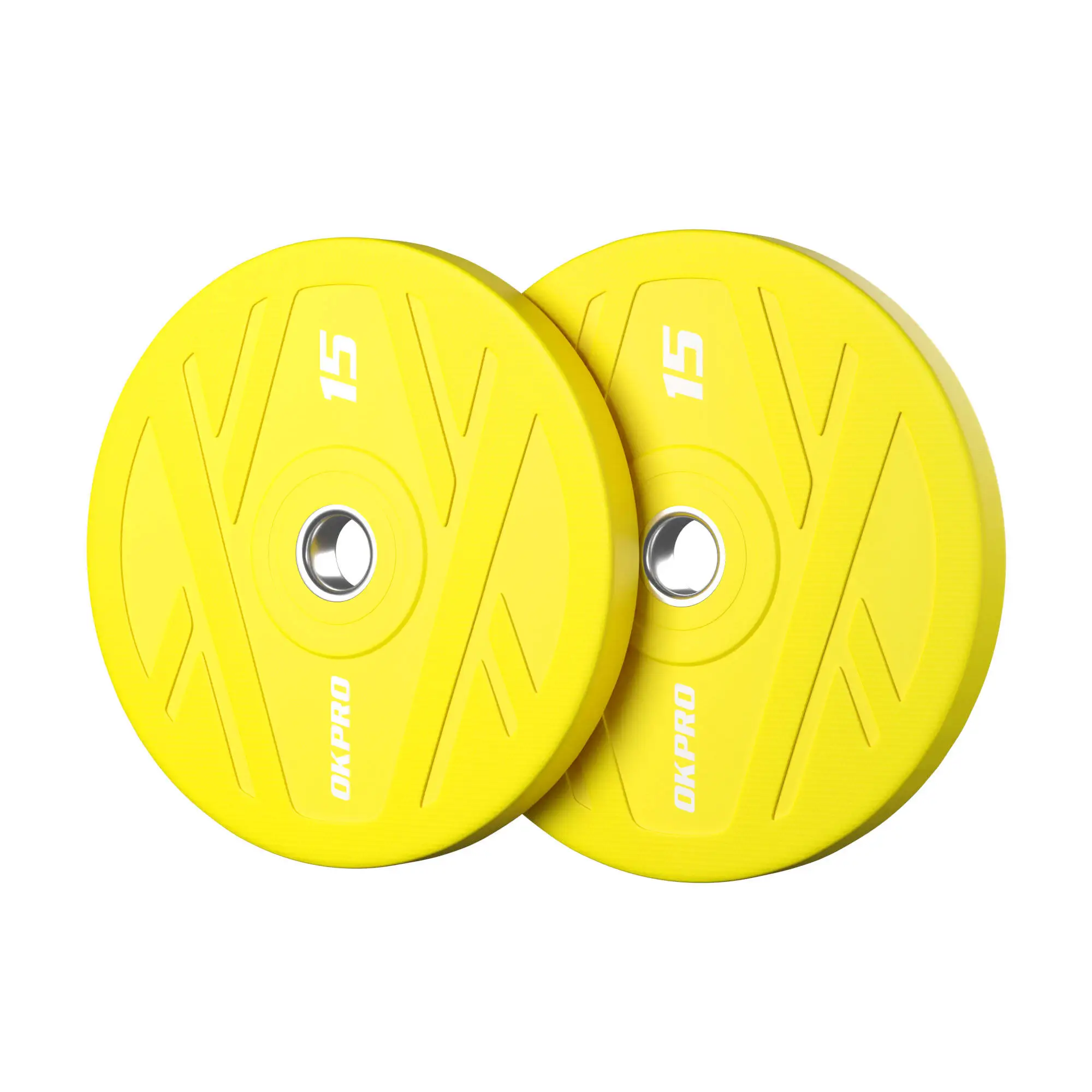
Choosing the Right Weight Plates for Effective Training
Selecting the proper weight plates is a crucial decision for any fitness enthusiast or professional lifter. The type of plates you use not only impacts your performance but also your safety and the longevity of your equipment. In recent years, bumper plates have become increasingly popular, offering a range of benefits that many traditional weight plates simply cannot match. This article explores why bumper plates are a superior choice compared to traditional weight plates, diving into various factors such as safety, durability, and versatility to help you make an informed decision.
Safety Advantages of Bumper Plates
Reduced Risk of Injury
One of the main reasons athletes and gym owners prefer bumper plates is their superior safety profile. Traditional weight plates are usually made of cast iron or steel, which are rigid and unforgiving materials. When dropped, these plates can bounce or shatter, potentially causing injuries to the lifter or damage to the surrounding environment.
In contrast, bumper plates are made from dense rubber or composite materials designed to absorb impact. This cushioning effect significantly reduces the force transmitted back to the lifter’s body and the gym floor, minimizing the chance of injury.
Are there specific training scenarios where safety becomes even more critical? Olympic lifts like the clean and jerk or snatch often require dropping the barbell from overhead, making bumper plates indispensable for such exercises.
Protection for Training Environment
Using bumper plates also helps protect gym floors and equipment. Traditional metal plates can cause dents, scratches, or cracks in flooring when dropped, especially in home gyms or commercial spaces with less durable surfaces. The shock-absorbing nature of bumper plates prevents this damage, preserving your workout area and reducing maintenance costs.
Moreover, the lower noise level of rubber bumper plates compared to metal plates makes them a more gym-friendly option, especially in multi-use or residential settings.
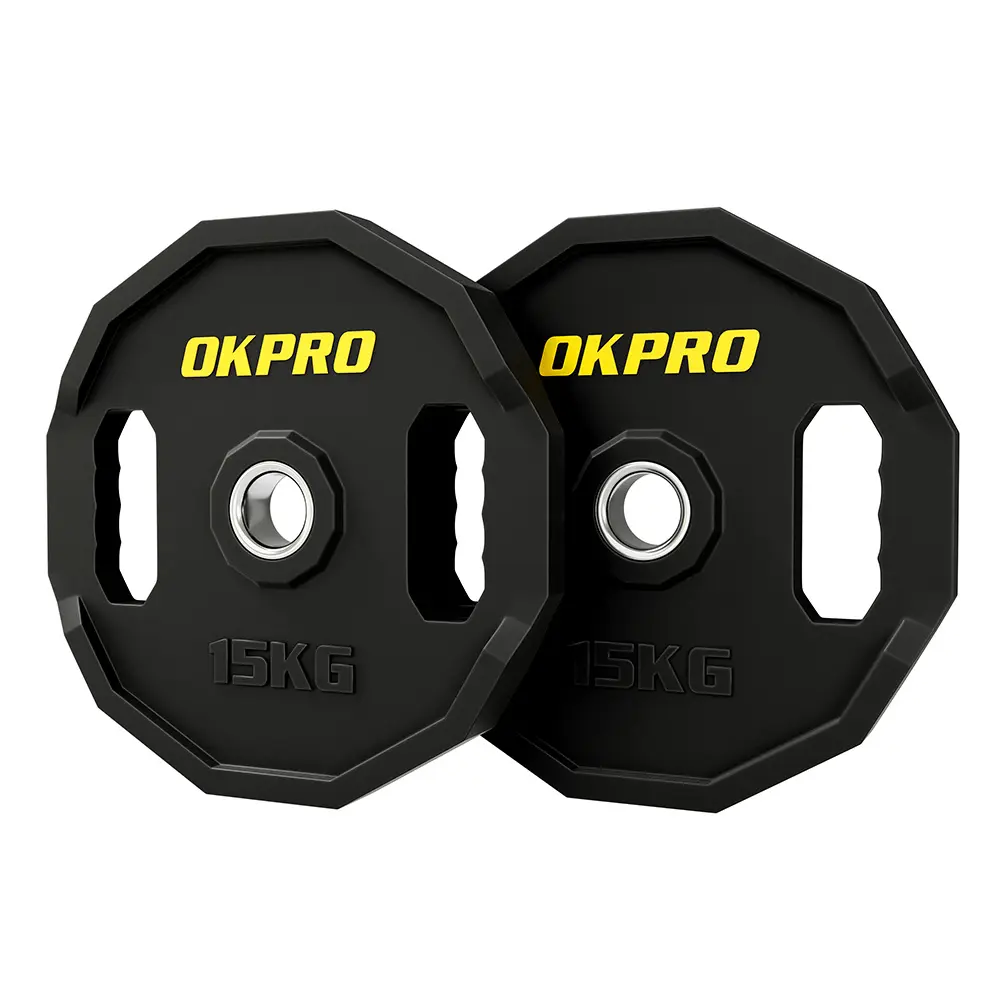
Durability and Longevity
Material Composition and Construction
Bumper plates are crafted from high-quality rubber compounds that offer both strength and flexibility. This material resists cracking, chipping, and warping over time, even after repeated drops from significant heights. Traditional plates, while sturdy, can chip or rust, especially when exposed to moisture or rough handling.
The construction of bumper plates typically includes a steel insert or hub to maintain a snug fit on Olympic bars, ensuring durability during intense lifting sessions. The rubber exterior not only protects the plate itself but also reduces wear on the barbell sleeves.
Are bumper plates worth the investment considering their longevity? Many lifters find that the durability of bumper plates justifies their higher initial cost by reducing replacement frequency.
Resistance to Environmental Factors
Unlike traditional plates that may rust or degrade with exposure to humidity and sweat, bumper plates maintain their integrity over time. This makes them especially suitable for environments like commercial gyms or home gyms with variable climate control.
The rubber surface is also easier to clean and maintain, reducing the buildup of dirt and bacteria compared to porous metal surfaces.
Versatility and Training Benefits
Ideal for Olympic Weightlifting and Functional Training
Bumper plates are specifically designed to accommodate the dynamic movements involved in Olympic weightlifting. Their impact-absorbing quality allows lifters to drop the bar safely, facilitating proper technique and progressive overload.
Can traditional plates support the same range of motion and training intensity? Often, no. The risk of damage or injury when dropping traditional plates limits their use in explosive, high-impact lifts.
Additionally, bumper plates are often color-coded according to weight, allowing for quick identification during fast-paced training sessions. This system streamlines workouts and reduces errors in plate selection.
Suitability for Home and Commercial Gyms
The versatility of bumper plates extends beyond Olympic lifts. They are widely used in CrossFit, functional fitness, and general strength training due to their safety and ease of use.
In home gyms, where space and floor protection are concerns, bumper plates offer an ideal solution. Their rubber construction prevents damage to floors and reduces noise, making workouts more convenient for users and family members alike.
Commercial gyms benefit from bumper plates by providing a safer, more durable option that supports a broad range of training styles and user experience levels.
Economic Considerations and Value
Initial Cost Versus Long-Term Savings
While bumper plates may have a higher upfront cost than traditional plates, their durability and protective features often lead to long-term savings. Reduced need for replacement, lower maintenance on flooring, and decreased risk of injury all contribute to a better return on investment.
Investing in quality bumper plates also protects your barbell, as the rubber surface reduces wear on the sleeves, extending the lifespan of both plates and bars.
Availability and Variety
Bumper plates come in a variety of weight increments, including fractional plates that allow for more precise training progressions. This variety supports lifters of all levels, from beginners to advanced athletes.
Many manufacturers offer bumper plate sets designed to fit Olympic bars, making it easier to build a comprehensive home or commercial gym setup tailored to your training needs.
Key Features to Look for When Choosing Bumper Plates
Weight Accuracy and Tolerance
Precise weight measurement is essential for effective training. Quality bumper plates are manufactured to meet tight weight tolerances, typically within ±1%. This ensures consistent load increments and accurate tracking of progress.
When shopping, look for products that specify certified weight accuracy or meet international standards.
Design and Aesthetic Considerations
Apart from functionality, bumper plates often feature vibrant color coding and clear markings for easy identification. The use of non-fading paint or embedded numbering ensures durability and visibility over time.
Some high-end bumper plates also incorporate design elements that reduce bounce or noise, improving overall training experience.
FAQ
Are bumper plates compatible with all Olympic bars?
Most bumper plates are designed for Olympic barbell sleeves, which typically have a diameter of 2 inches. Always check product specifications to ensure compatibility.
How do bumper plates affect training performance compared to traditional plates?
Bumper plates provide safer training conditions, especially for Olympic lifts, allowing athletes to train with proper technique and reduce injury risk.
Can bumper plates be used on all types of flooring?
Bumper plates are suitable for most flooring types, including rubber mats and concrete, due to their shock-absorbing properties. However, additional floor protection is recommended for delicate surfaces.
What maintenance is required for bumper plates?
Regular cleaning with mild soap and water helps maintain the rubber surface. Avoid harsh chemicals that can degrade the material.