 EN
EN

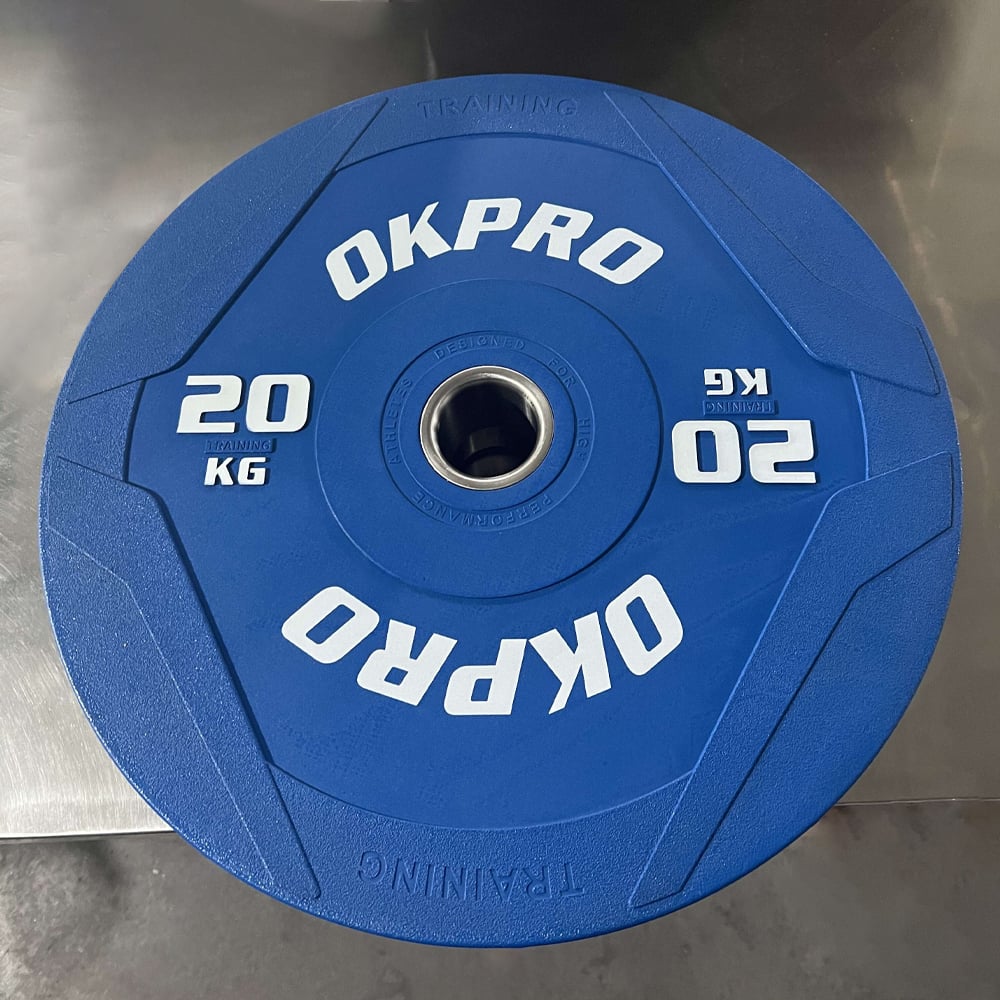
When outfitting a serious gym, few decisions carry as much weight as choosing the right rubber bumper plates. Rubber bumper plates are the foundation of any functional weightlifting setup, and the material used in their construction directly determines how safe, durable, and performance-ready they are. Cutting corners on material quality might seem like a cost-saving move, but the long-term consequences for athletes and facility owners are significant. Understanding why high-density rubber matters is the first step toward making a smarter investment in rubber bumper plates.
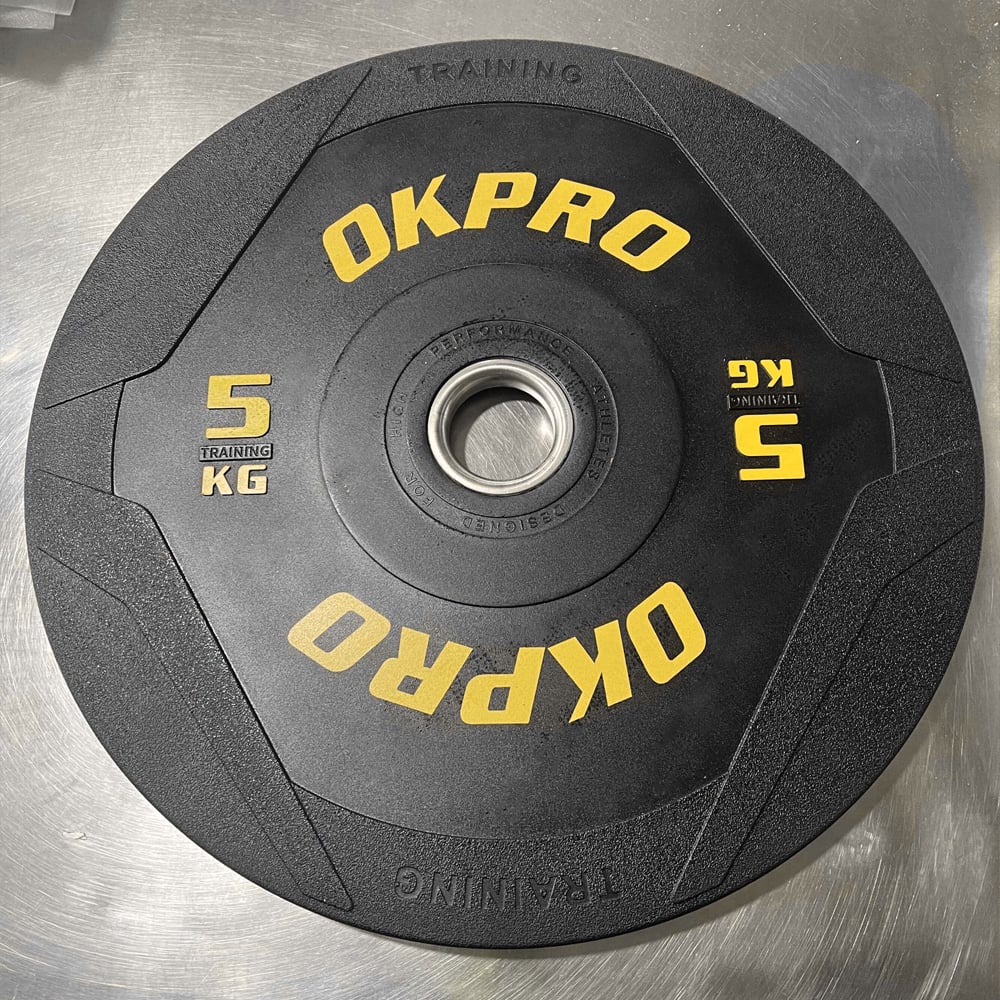
Premium high-density rubber bumper plates are not simply a luxury upgrade. They represent a non-negotiable standard for gyms that prioritize athlete safety, floor integrity, and equipment longevity. Whether you operate a commercial fitness facility, a CrossFit box, or a home gym, the quality of your rubber bumper plates shapes every training session. This article explores why the rubber compound in bumper plates is so critical and what separates high-density rubber bumper plates from lower-grade alternatives.
The Role of Rubber Density in Bumper Plate Performance
How Density Affects Drop Behavior
The density of the rubber used in rubber bumper plates directly controls how energy is absorbed during a drop. When a lifter releases a loaded barbell, rubber bumper plates must absorb and dissipate the impact force in a controlled manner. High-density rubber bumper plates compress slightly on impact and then return to shape, reducing bounce height and keeping the barbell predictable. Low-density rubber bumper plates, by contrast, tend to produce erratic bounces, creating a safety hazard and increasing wear on both the plates and the floor beneath them.
Consistent drop behavior is especially critical in Olympic lifting and functional fitness programming. Athletes rely on rubber bumper plates behaving the same way across every rep and every session. When rubber bumper plates deliver unpredictable rebound patterns, lifters must waste mental energy managing the bar after each drop rather than focusing on technique. High-density rubber bumper plates eliminate that unpredictability by maintaining structural integrity under repeated stress.
Dimensional Stability and Plate Integrity
High-density rubber bumper plates maintain their shape over time. Lower-quality rubber bumper plates are prone to warping, cracking, and deforming after prolonged use. A warped rubber bumper plate will not stack evenly on a barbell, creating instability during lifts and accelerating wear on the barbell sleeve. High-density rubber bumper plates resist deformation because the tightly bonded rubber compound does not break down as quickly under mechanical stress and temperature fluctuation. This dimensional stability is a key reason why serious gym operators choose high-density rubber bumper plates as the standard for their equipment inventory.
Safety and Floor Protection Considerations
Protecting Athletes During High-Intensity Training
Safety is the most fundamental argument for investing in premium rubber bumper plates. Rubber bumper plates are specifically designed to be dropped safely from overhead, a requirement that standard iron plates cannot meet. However, not all rubber bumper plates offer the same level of protection. High-density rubber bumper plates absorb impact more efficiently, reducing the force transmitted to the floor, the barbell, and the surrounding area. This protects athletes who work in close proximity to the bar and reduces the risk of equipment failure during demanding lifts.
Inferior rubber bumper plates made from recycled or low-grade rubber compounds often develop surface cracks and internal voids over time. These structural weaknesses can cause rubber bumper plates to chip or shatter under high-impact drops, sending debris across the gym floor. Premium high-density rubber bumper plates are manufactured with virgin rubber or controlled rubber blends that maintain integrity across thousands of drops. For any gym serious about member safety, choosing high-density rubber bumper plates is not optional.
Preserving Gym Flooring and Equipment
High-density rubber bumper plates do more than protect athletes. They also protect the gym floor and the barbell itself. When rubber bumper plates dissipate impact energy efficiently, less force is transferred to the floor surface beneath them. This extends the life of rubber gym flooring, platforms, and concrete subfloors. Gyms that use low-density rubber bumper plates often face costly floor repairs as repeated high-impact drops degrade the surface over months of heavy use. Premium rubber bumper plates are an investment that reduces the total cost of facility maintenance over time.
Long-Term Durability and Value for Gym Operators
The True Cost of Low-Quality Rubber Bumper Plates
Many gym operators are tempted by lower-priced rubber bumper plates that appear visually similar to premium options. However, the lifecycle of low-quality rubber bumper plates reveals a very different value proposition. Cheap rubber bumper plates typically show visible wear within the first year of heavy commercial use. Cracking, surface flaking, and odor issues are common complaints associated with rubber bumper plates made from low-quality reclaimed rubber. Replacing rubber bumper plates frequently adds hidden costs that far exceed the initial savings from choosing a lower-priced option.
High-density rubber bumper plates, on the other hand, are engineered for long service life. The dense rubber compound resists UV degradation, moisture absorption, and the repeated mechanical stress of daily drops. Gym operators who invest in premium rubber bumper plates from the outset typically report significantly longer replacement cycles and lower per-use costs. When calculated across a commercial gym's full equipment budget, high-density rubber bumper plates consistently deliver better value than budget alternatives.
Member Experience and Gym Reputation
The quality of rubber bumper plates also influences how members perceive the gym as a whole. Athletes who train regularly can immediately feel the difference between high-density rubber bumper plates and low-grade alternatives. Premium rubber bumper plates feel solid, perform consistently, and signal that the facility takes training seriously. Gyms equipped with quality rubber bumper plates attract and retain members who prioritize performance, which has a direct impact on revenue and reputation. The choice of rubber bumper plates is, in this sense, a reflection of the gym's commitment to its members.
FAQ
What makes high-density rubber bumper plates different from standard rubber bumper plates?
High-density rubber bumper plates use a tightly compounded rubber material that offers superior impact absorption, dimensional stability, and long-term durability. Standard or low-density rubber bumper plates often use recycled or lower-grade rubber that degrades faster under repeated heavy drops, leading to warping, cracking, and inconsistent performance.
How often should rubber bumper plates be replaced in a commercial gym setting?
Premium high-density rubber bumper plates used in commercial gyms can last several years with regular heavy use when maintained properly. Low-quality rubber bumper plates may require replacement within one to two years. Inspecting rubber bumper plates regularly for cracks, chips, or deformation helps determine when replacement is necessary.
Are rubber bumper plates suitable for all types of weightlifting exercises?
Rubber bumper plates are specifically designed for exercises that require dropping the barbell from height, such as Olympic lifts, deadlifts, and CrossFit-style movements. They are not typically used as a substitute for iron plates in powerlifting competition settings, but high-density rubber bumper plates are ideal for training environments where floor and equipment protection is a priority.