 EN
Weight Bench Manufacturer for Quality Gyms
Explore a trusted weight bench manufacturer offering durable, adjustable gym benches for home, commercial, and professional strength training.
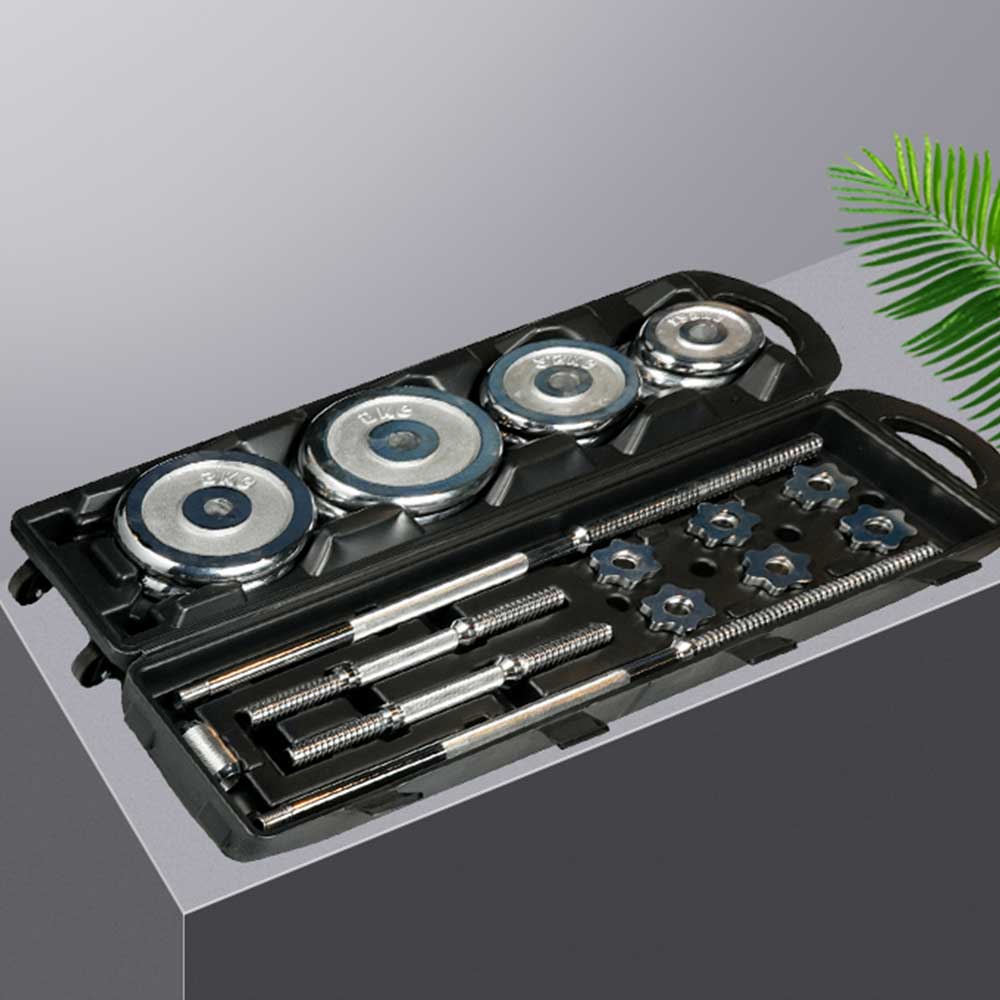
The broad application range makes an olympic barbell a practical choice for many training environments, from small home setups to large commercial facilities, and this versatility is one of the main reasons it remains the cornerstone of strength training equipment worldwide. Few pieces of equipment can claim such universal relevance, and that staying power is no accident: the olympic barbell's standardized design, durable construction, and movement flexibility have made it the reference point against which nearly all other strength training tools are measured. At home, one olympic barbell can work with a rack, bench, plates, and a small lifting area to support full-body sessions, allowing a single piece of equipment to cover strength, conditioning, and technique work without requiring a large collection of specialized tools. A home lifter can squat, press, row, and deadlift with the same bar, then shift into Olympic lifts or accessory work, all within a footprint of just a few square meters. This makes it an especially attractive option for home lifters with limited space and budget, since one well-chosen bar can anchor an entire training program and grow with the user as skills and strength levels develop. Instead of purchasing multiple machines or implements over time, the home athlete can invest once in a quality bar and build around it gradually. In a gym, it can serve beginners during instruction, experienced lifters during heavy sets, and athletes during power-focused drills, making it a versatile fixture that supports multiple training populations throughout the day and reduces the need for duplicate equipment across different zones. A single bar can move between a coaching platform, a power rack, and a conditioning area, which simplifies floor planning and keeps capital spending under control. Its familiar dimensions make it easier for coaches to teach shared movement standards and organize group workouts, since the bar's standardized length, weight, and grip spacing allow athletes to transition between stations and programs with minimal adjustment. This consistency also supports safety, as lifters develop reliable technique that carries over from one bar to another, reducing the risk of errors caused by unfamiliar equipment and making it easier to spot and correct faults during training. The olympic barbell also pairs well with bumper plates for controlled drops on a suitable platform, or with iron plates for quieter strength exercises where dropping is not required, giving users flexibility in how they set up their training space and manage noise, floor protection, and equipment wear. Facilities can therefore tailor the same bar to different environments—resilient platforms for explosive work, quieter corners for controlled strength sessions—without changing the core implement. Users can perform squats, deadlifts, presses, rows, cleans, and other movements without changing the main bar, which means fewer transitions, less downtime, and a more fluid training experience that keeps workouts efficient and focused. This seamless flow is particularly valuable in group settings, where time spent swapping equipment cuts into coaching and training time. This flexibility improves equipment use and simplifies purchasing decisions, since buyers can invest in one reliable bar rather than several specialized implements, ultimately saving money and storage space while reducing maintenance complexity. Buyers should still select the correct length, weight, grip pattern, and finish for their space and training goals, as these details affect comfort, safety, and long-term durability, and a bar that suits one lifter's needs may not suit another's. A well-matched olympic barbell delivers broad utility while keeping the workout area organized and efficient, making it a dependable centerpiece for nearly any strength training program and a smart long-term investment for both individuals and facilities.
Elevate your fitness journey with OKPRO's high-quality fitness equipment. Discover our innovative products designed for performance and reliability, crafted to support your health goals.
Copyright © 2026 China Nantong OK Sporting Co.,Ltd. All rights reserved Privacy Policy