 EN
EN

The Ultimate Guide to Selecting Your Perfect Dumbbells
Embarking on a fitness journey requires the right tools, and dumbbells stand as one of the most versatile pieces of exercise equipment you can own. Whether you're setting up a home gym or looking to upgrade your current fitness arsenal, selecting the right dumbbells can make a remarkable difference in achieving your strength training goals. This comprehensive guide will walk you through everything you need to know about choosing dumbbells that perfectly align with your fitness aspirations.
Understanding the impact of proper dumbbell selection goes beyond just picking up any weights at the store. The right dumbbells can enhance your workout efficiency, prevent injury, and ensure consistent progress in your strength training journey. From materials and weight ranges to specific features that cater to different exercise styles, every aspect matters in making an informed decision.
Types of Dumbbells and Their Unique Benefits
Fixed Weight Dumbbells: Classic Reliability
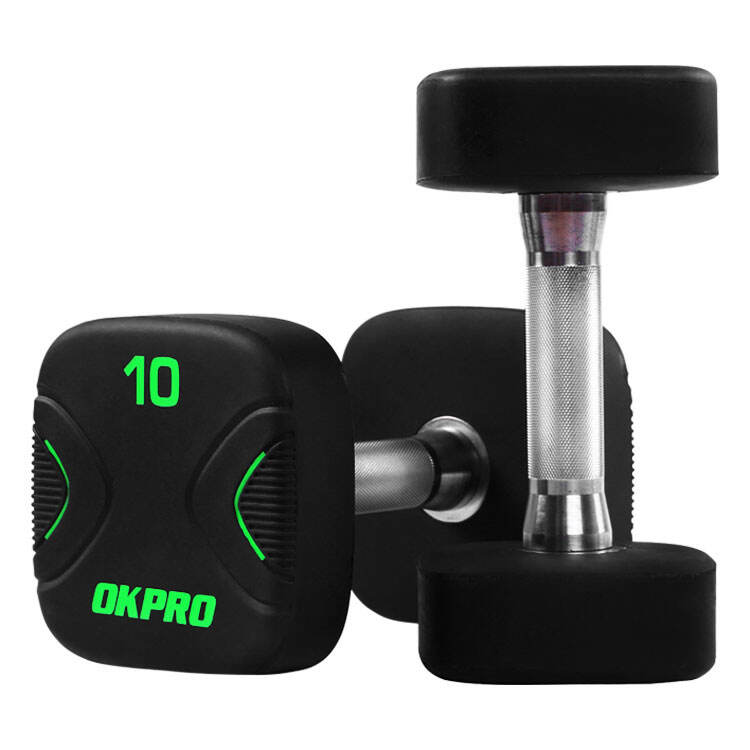
Fixed weight dumbbells represent the traditional choice for strength training enthusiasts. These solid pieces feature a predetermined weight that cannot be adjusted, typically constructed from cast iron or steel with a protective coating. Their main advantages include durability, reliability, and ease of use. Since there are no moving parts, fixed dumbbells tend to last longer and require minimal maintenance.
The consistent weight distribution and balanced feel of fixed dumbbells make them ideal for precise movements and form-focused exercises. Many professional gyms stock their facilities with these dumbbells because they can withstand heavy use and provide accurate weight measurements for progressive overload training.
Adjustable Dumbbells: Space-Saving Innovation
Modern adjustable dumbbells have revolutionized home workouts by offering multiple weight options in a single compact unit. These innovative dumbbells feature quick-change weight mechanisms that allow users to modify the resistance level within seconds. For those with limited space or those who want a full range of weights without purchasing multiple pairs, adjustable dumbbells present an excellent solution.
The versatility of adjustable dumbbells makes them particularly valuable for progressive training programs. Users can incrementally increase weight as they grow stronger, all while maintaining a minimal footprint in their workout space. However, it's worth noting that these systems typically require more careful handling than their fixed-weight counterparts.
Material Considerations and Construction Quality
Metal and Cast Iron Construction
Traditional dumbbells crafted from metal or cast iron offer exceptional durability and value. These materials provide a solid feel during exercises and can withstand years of intense use. The weight accuracy of metal dumbbells tends to be highly precise, making them reliable tools for tracking strength progression. Additionally, cast iron dumbbells often feature a protective coating to prevent rust and maintain their appearance over time.
The density of metal construction also means these dumbbells typically have a smaller profile compared to other materials of the same weight. This compact size can be advantageous for exercises requiring close body positioning or precise movement patterns.
Rubber and Urethane Coatings
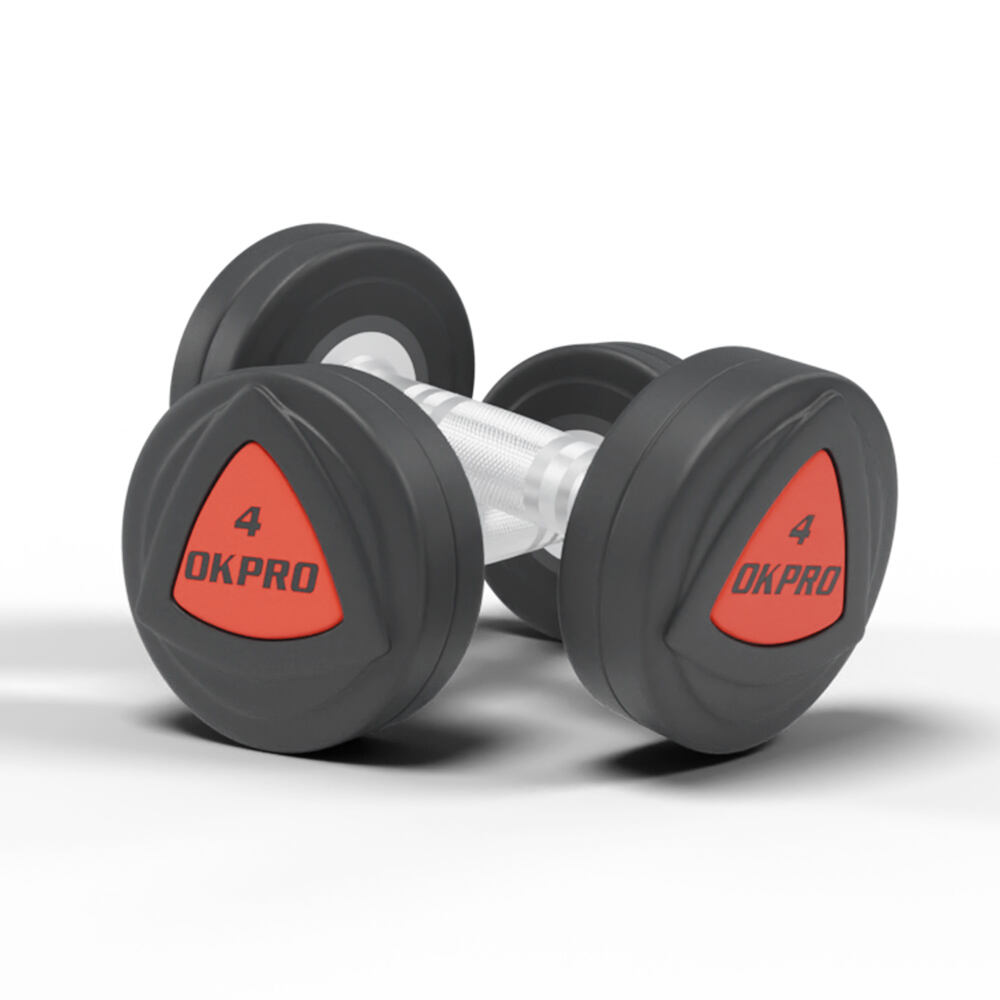
Modern dumbbells frequently feature rubber or urethane coatings, which offer several practical benefits. These materials help protect both the weights and your workout space from damage, reduce noise during use, and provide a more comfortable grip experience. Urethane-coated dumbbells, in particular, show exceptional resistance to wear and maintain their appearance even with heavy use.
The shock-absorbing properties of rubber and urethane coatings make these dumbbells particularly suitable for home gyms, especially if you're exercising on hardwood floors or need to minimize noise. However, it's essential to choose quality coatings that won't deteriorate or emit strong odors over time.
Weight Selection Strategies for Different Goals
Beginner's Weight Range
For those new to strength training, starting with lighter dumbbells is crucial for developing proper form and building basic strength. Women might begin with pairs ranging from 2 to 15 pounds, while men might start with 5 to 25 pounds. These ranges allow beginners to perform fundamental exercises with good form while gradually building strength and confidence.
It's important to remember that even lightweight dumbbells can provide an effective workout when used correctly. Focus on mastering exercise techniques and maintaining control throughout movements before progressing to heavier weights.
Advanced Training Requirements
Experienced fitness enthusiasts require a broader range of dumbbells to accommodate various exercises and progressive overload principles. A comprehensive set might include weights from 5 to 100 pounds or more, depending on individual strength levels and specific training goals. Having multiple weight options allows for proper intensity across different muscle groups and exercise types.
Advanced users should consider investing in dumbbells with incremental weight increases of 5 to 10 pounds to ensure smooth progression in their training programs. This gradual progression helps prevent plateaus and reduces the risk of injury from too large of weight jumps.
Ergonomic Features and Handle Design
Grip Textures and Materials
The handle of a dumbbell significantly influences workout comfort and safety. Knurled metal grips provide excellent traction but may feel aggressive during high-rep exercises. Contoured rubber or neoprene grips offer more comfort for extended training sessions while maintaining secure control of the weights.
Consider your typical workout duration and the types of exercises you perform when selecting grip textures. Some dumbbells feature ergonomic handles with varying texture patterns to accommodate different hand positions and exercise styles.
Handle Length and Diameter
Handle dimensions play a crucial role in exercise effectiveness and comfort. Standard handle lengths typically range from 4 to 6 inches, while diameters vary between 25-35 millimeters. These measurements affect grip strength requirements and overall control during movements.
Users with smaller hands might prefer dumbbells with thinner handles, while those focusing on grip strength development might benefit from thicker handles. The handle length should allow comfortable positioning for both single-hand and two-hand exercises.
Investment Considerations and Long-term Value
Budget Planning and Set Building
Building a complete dumbbell collection requires strategic planning and budget consideration. While quality dumbbells represent a significant investment, their durability and versatility make them cost-effective over time. Consider starting with a few essential pairs that cover your immediate needs, then gradually expanding your collection.
When calculating costs, factor in shipping expenses, as dumbbells are heavy items that can incur substantial delivery charges. Some retailers offer set packages that provide better value than purchasing individual pairs.
Quality vs. Price Analysis
While budget-friendly options exist, investing in higher-quality dumbbells often proves more economical in the long run. Premium dumbbells typically offer better weight accuracy, superior construction, and longer durability. Consider factors such as warranty coverage, brand reputation, and user reviews when evaluating different price points.
Remember that poorly constructed dumbbells can pose safety risks and may need replacement sooner, potentially costing more over time than initially investing in quality equipment.
Frequently Asked Questions
How many pairs of dumbbells should a beginner start with?
For beginners, starting with 3-4 pairs of dumbbells is typically sufficient. Choose weights that allow you to perform basic exercises with proper form, usually including a light pair for upper body exercises, a medium pair for compound movements, and a heavier pair for lower body exercises.
What's the best weight increment for progressive overload?
Most fitness experts recommend weight increments of 2-5 pounds for upper body exercises and 5-10 pounds for lower body exercises. This gradual progression helps maintain proper form while consistently challenging your muscles.
How long should quality dumbbells last?
High-quality dumbbells, when properly maintained, can last decades. Fixed weight dumbbells typically have the longest lifespan, while adjustable dumbbells may require replacement parts after several years of regular use. The key factors affecting longevity include construction quality, usage frequency, and storage conditions.
Should I choose rubber-coated or bare metal dumbbells?
The choice between rubber-coated and bare metal dumbbells depends on your workout environment and preferences. Rubber-coated dumbbells offer better floor protection and quieter operation, making them ideal for home gyms. Bare metal dumbbells typically cost less and may provide better durability, but they can be noisier and potentially damage floors.
Table of Contents
- The Ultimate Guide to Selecting Your Perfect Dumbbells
- Types of Dumbbells and Their Unique Benefits
- Material Considerations and Construction Quality
- Weight Selection Strategies for Different Goals
- Ergonomic Features and Handle Design
- Investment Considerations and Long-term Value
- Frequently Asked Questions