 EN
EN

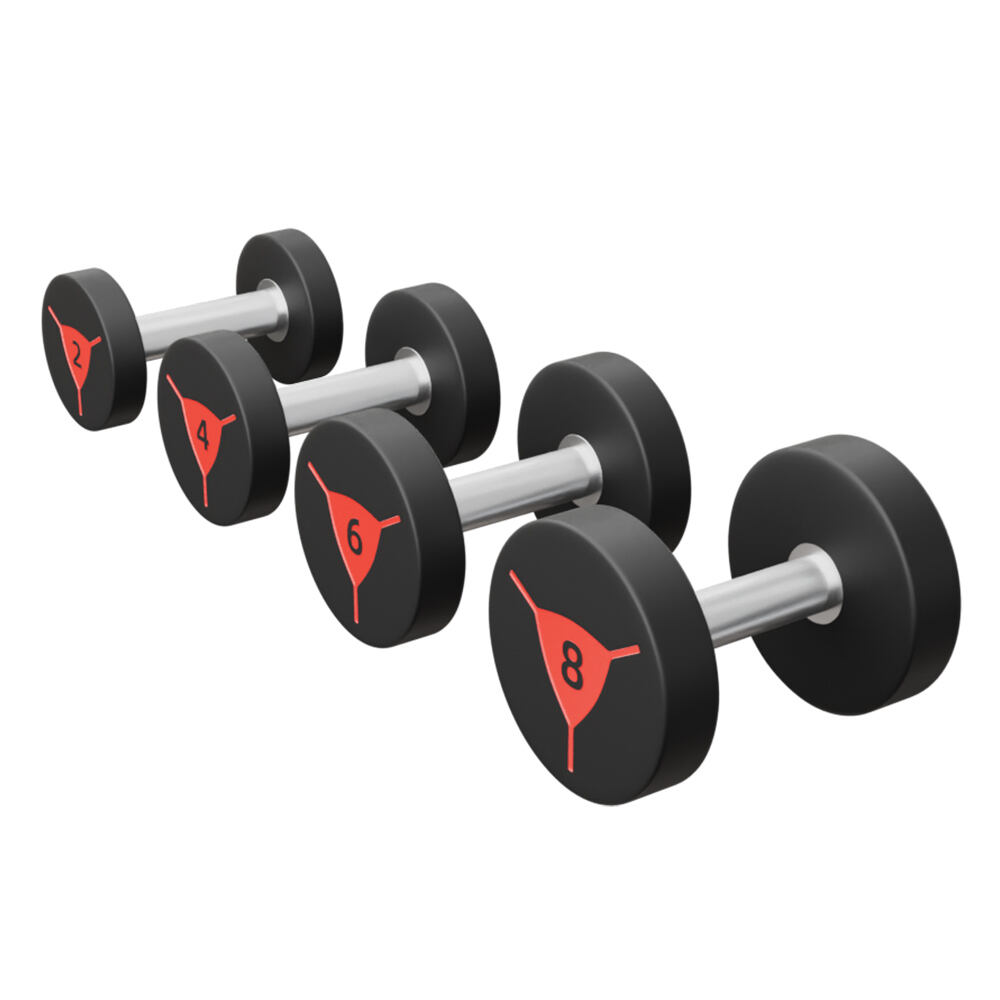
Unleashing the Power of Free Weight Training
When it comes to building strength, muscle, and overall fitness, few tools match the effectiveness and versatility of dumbbells. These simple yet powerful implements have been a cornerstone of strength training for centuries, evolving from ancient Greek halteres to the sleek, adjustable models we see in modern gyms. Whether you're a seasoned athlete or just beginning your fitness journey, dumbbells offer an unparalleled combination of accessibility, functionality, and results.
The beauty of dumbbells lies in their simplicity and adaptability. Unlike complex machinery or fixed barbells, these handheld weights allow for natural movement patterns while engaging stabilizer muscles throughout your body. This comprehensive engagement not only leads to better strength gains but also improves coordination, balance, and functional fitness that translates directly to real-world activities.
The Science Behind Dumbbell Training
Muscle Activation and Neural Adaptation
Training with dumbbells creates unique neuromuscular demands that contribute to superior strength development. When you exercise with dumbbells, your body must constantly adjust to stabilize the weights, recruiting more muscle fibers than machine-based exercises. This increased muscle activation leads to better strength gains and improved motor control.
Research has shown that dumbbell exercises often activate more stabilizer muscles compared to their barbell or machine counterparts. For instance, a dumbbell chest press engages more shoulder stabilizers than a barbell bench press, contributing to more balanced strength development and reduced injury risk.
Bilateral vs. Unilateral Training Benefits
One of the greatest advantages of dumbbells is their ability to facilitate both bilateral and unilateral training. Working one side at a time helps identify and correct muscle imbalances, prevents stronger sides from compensating for weaker ones, and develops better core stability. This versatility makes dumbbells invaluable for both rehabilitation and performance enhancement.
Unilateral training with dumbbells also improves proprioception – your body's awareness of its position in space. This enhanced body awareness leads to better movement quality and reduced risk of injury during daily activities.
Optimizing Your Dumbbell Workout Routine
Progressive Overload Principles
Success with dumbbell training relies heavily on proper implementation of progressive overload. This fundamental principle involves gradually increasing the demands placed on your musculoskeletal system to continually stimulate adaptation. With dumbbells, this can be achieved through increasing weight, adding repetitions, or manipulating tempo and time under tension.
The incremental weight increases possible with dumbbells make them particularly effective for progressive overload. Modern adjustable dumbbells allow for precise weight adjustments, enabling you to make small increases that support consistent progress while minimizing injury risk.
Exercise Selection and Programming
A well-designed dumbbell program should include compound movements that work multiple muscle groups simultaneously, as well as isolation exercises for specific muscle targeting. Key compound movements include dumbbell squats, rows, press variations, and lunges, while isolation exercises might focus on bicep curls, lateral raises, or tricep extensions.
The versatility of dumbbells allows for endless exercise variations, keeping workouts fresh and challenging. This variety not only maintains motivation but also ensures continuous adaptation by presenting new stimuli to your muscles.
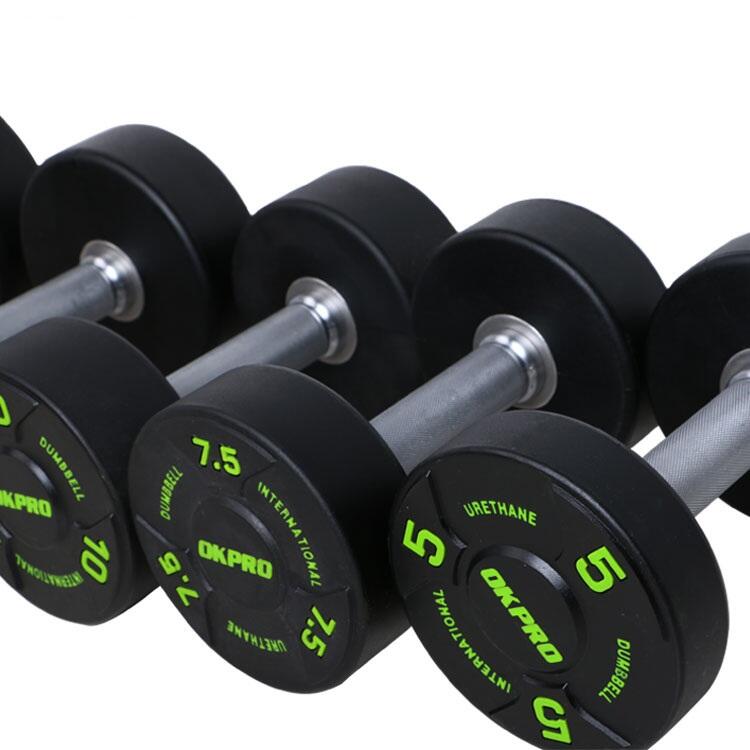
Space-Efficient Home Gym Solutions
Compact Storage Options
One of the most practical advantages of dumbbells is their minimal space requirement. A good set of adjustable dumbbells can replace an entire rack of fixed-weight dumbbells, making them perfect for home gyms. Modern storage solutions like vertical racks and wall-mounted systems help maximize space efficiency while keeping weights organized and accessible.
For those with limited space, investing in a quality pair of adjustable dumbbells provides the versatility of an entire weight room in a fraction of the space. This space-efficient solution doesn't compromise on workout quality or results.
Cost-Effective Fitness Investment
When compared to the cost of gym memberships or complex exercise machines, dumbbells represent an extremely cost-effective investment in your fitness journey. Their durability means they can last for decades with proper care, making them an economical choice for long-term fitness success.
The initial investment in quality dumbbells pays dividends through years of reliable use, eliminated membership fees, and the convenience of working out on your own schedule. This accessibility often leads to better adherence to exercise routines and, consequently, better results.
Safety and Form Considerations
Proper Technique Fundamentals
While dumbbells are generally safer than many other forms of resistance training, proper form remains crucial for both safety and effectiveness. Key principles include maintaining neutral spine alignment, controlling the weight throughout the entire range of motion, and avoiding momentum-based movements.
Beginning with lighter weights to master form before progressing to heavier loads helps develop proper movement patterns and muscle memory. This foundation of good technique will support long-term progress and injury prevention.
Injury Prevention Strategies
Incorporating appropriate warm-up routines, respecting rest periods, and listening to your body are essential aspects of safe dumbbell training. Regular maintenance of your equipment, including checking for secure weight locks and maintaining grip surfaces, also contributes to workout safety.
Understanding when to progress and when to maintain current weights helps prevent overuse injuries and ensures sustainable progress. This patient approach to progression is particularly important when training with dumbbells, as the stabilization demands can be significantly higher than machine-based exercises.
Frequently Asked Questions
How often should I train with dumbbells for optimal results?
For best results, aim to train with dumbbells 3-4 times per week, allowing at least one day of rest between sessions targeting the same muscle groups. This frequency provides adequate stimulus for strength gains while allowing proper recovery time. Beginners might start with 2-3 sessions per week and gradually increase frequency as their fitness improves.
What weight dumbbells should I start with?
The ideal starting weight varies based on your current fitness level, exercise type, and goals. As a general guide, choose weights that allow you to complete 12-15 repetitions with proper form, while the last few reps feel challenging. For upper body exercises, women might start with 5-15 pounds, while men might begin with 10-25 pounds. Lower body exercises typically allow for heavier weights.
Can I build significant muscle using only dumbbells?
Yes, you can absolutely build significant muscle using only dumbbells. The key is to progressively overload your muscles through increasing weights, volumes, or intensity over time. Dumbbells provide enough resistance and variety to stimulate muscle growth effectively, especially when combined with proper nutrition and recovery strategies.