 EN
EN


Choosing the right dumbbells is one of the most important decisions you will make when building a home gym or outfitting a commercial fitness facility. With so many styles, weight ranges, and materials available, selecting the best dumbbells for your specific fitness goals can feel overwhelming. Whether you are training for strength, endurance, rehabilitation, or general conditioning, the type of dumbbells you use will directly influence your results, your safety, and your long-term training consistency.
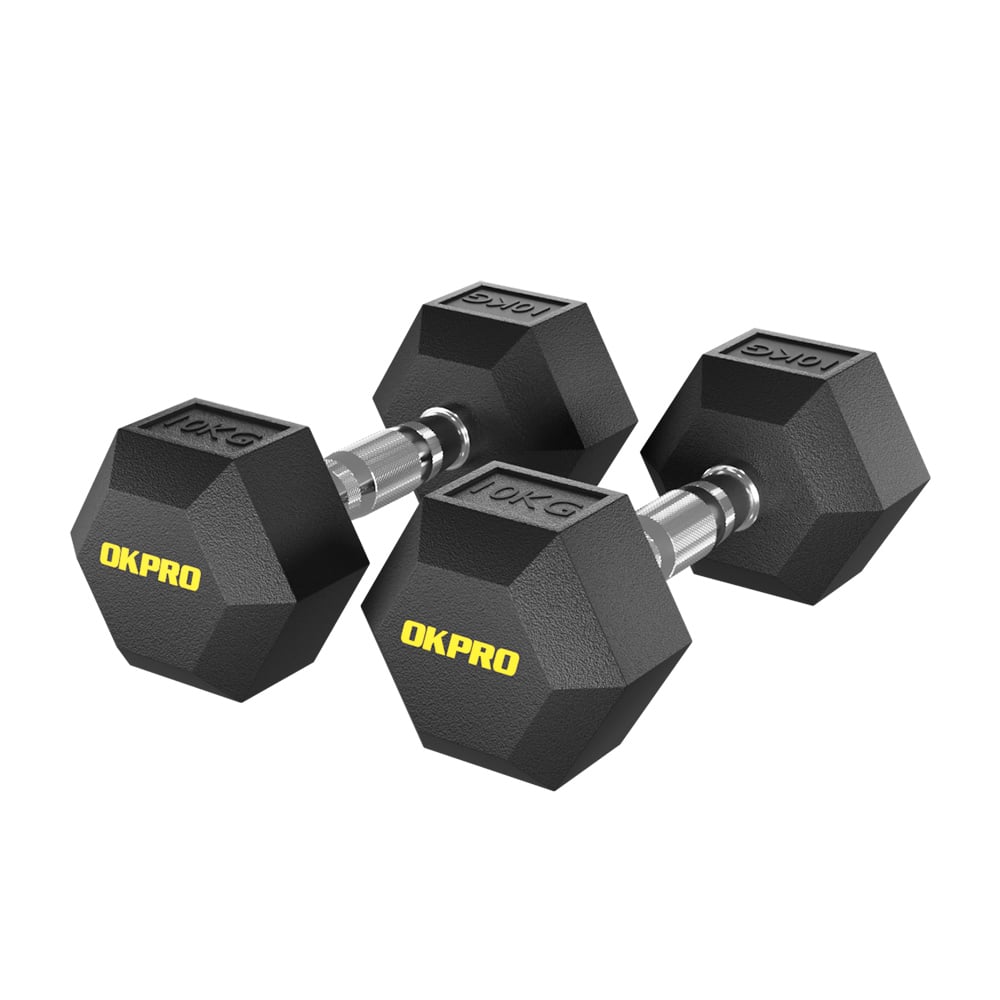
The market for dumbbells has expanded significantly in recent years, giving athletes and gym owners more options than ever before. From cast iron and chrome to rubber-coated and urethane finishes, each variety of dumbbells serves a different purpose. Understanding the core differences between these options will help you invest confidently and choose dumbbells that align perfectly with your training environment and performance objectives.
Understanding the Different Types of Dumbbells
Fixed vs. Adjustable Dumbbells
When selecting dumbbells, the first major decision is whether to go with fixed-weight or adjustable models. Fixed dumbbells come pre-set at a specific weight and are ideal for commercial gyms and serious home setups where a full rack of dumbbells is practical. They allow for fast transitions between exercises and are highly durable under heavy, repeated use. Adjustable dumbbells, on the other hand, are a single pair that can be changed to multiple weight levels, making them a space-saving solution for smaller home gyms where storing many pairs of dumbbells is not feasible.
Both types of dumbbells offer genuine training value. The right choice depends on your training frequency, available space, and budget. If you perform high-volume, varied workouts that require constant weight changes, fixed dumbbells allow smoother, faster sessions. If you are working with limited floor space, a quality set of adjustable dumbbells can cover a wide range of exercises without cluttering your training area.
Material and Coating Choices
The material and surface coating of dumbbells affect their durability, floor protection, and grip comfort. Rubber-coated dumbbells, particularly hex rubber dumbbells, are among the most popular choices for both commercial and home use. The rubber coating protects flooring from damage, reduces noise during workouts, and extends the life of the dumbbells themselves. Chrome dumbbells offer a sleek aesthetic and are easy to clean but can be slippery under heavy perspiration. Urethane-coated dumbbells represent a premium option, offering superior resistance to abrasion and a longer service life compared to standard rubber dumbbells.
Matching Dumbbells to Your Specific Fitness Goals
Strength and Hypertrophy Training
For those focused on building muscle mass and improving raw strength, heavier dumbbells with a secure, ergonomic handle are essential. Hex rubber dumbbells are particularly well-suited to this goal because their flat-sided design prevents rolling and allows them to be rested on the floor between sets safely. When training for hypertrophy, you will typically need a range of dumbbells spanning from moderate to heavy loads. Having multiple pairs of dumbbells on hand lets you progress steadily as your strength increases over time.
Grip diameter is another critical factor when choosing dumbbells for strength work. Dumbbells with handles that are too thick or too thin can reduce grip performance and increase the risk of wrist strain. Many experienced lifters prefer dumbbells with a knurled handle surface, which provides secure contact even during demanding sets of rows, presses, and curls. Investing in well-engineered dumbbells from the start will support better mechanics and reduce injury risk across all major strength movements.
Cardio, Endurance, and Functional Training
Lighter dumbbells play a major role in cardio circuits, high-repetition endurance training, and functional movement patterns. In these contexts, the weight of the dumbbells is less important than their balance, coating quality, and handle comfort. Rubber-coated dumbbells remain a smart choice here because they can be set down quickly without damaging floors, which matters during fast-paced interval sessions. For rehabilitation or mobility-focused training, very light dumbbells in the one-to-five kilogram range provide enough resistance to activate muscles without stressing recovering joints.
Key Selection Factors for Gyms and Home Training Spaces
Weight Range and Set Configuration
Whether you are purchasing dumbbells for a personal gym or a commercial facility, determining the right weight range is essential. Home gym users often benefit from a compact set of dumbbells covering five to thirty kilograms, which supports a broad spectrum of exercises without requiring excessive storage. Commercial gyms typically stock dumbbells from two kilograms up to fifty kilograms or beyond, ensuring that athletes of all experience levels have access to appropriate loads. Purchasing dumbbells in a structured set rather than individual pairs is usually more cost-effective and ensures visual and functional consistency across the rack.
Storage and Space Planning
Proper storage is an often-overlooked aspect of choosing dumbbells. A dedicated dumbbell rack not only organizes your dumbbells neatly but also protects them from being dropped or damaged. Hex rubber dumbbells pair especially well with tiered racks because their flat faces allow stable stacking. When planning your space, consider how many pairs of dumbbells you need, how much floor area is available, and whether you prefer a horizontal or vertical rack orientation. Keeping your dumbbells well-organized makes workouts more efficient and reduces the time spent searching for the right weight during training sessions.
The durability of your dumbbells should also factor into your purchasing decision. High-quality rubber-coated dumbbells can withstand years of daily use in demanding environments. Cheaper dumbbells with thin coatings tend to crack, chip, and degrade quickly, ultimately costing more through repeated replacement. Evaluating the quality of the steel core, the thickness of the rubber coating, and the strength of the handle weld will help you identify dumbbells that offer reliable long-term value.
FAQ
What weight of dumbbells should a beginner start with?
Beginners typically benefit from starting with a light set of dumbbells in the two-to-ten kilogram range. This allows the body to develop proper movement patterns and joint stability before progressing to heavier dumbbells. As strength improves, gradually increasing the weight of the dumbbells will continue to drive progress safely.
Are rubber-coated dumbbells better than chrome dumbbells?
Rubber-coated dumbbells are generally better suited for most training environments because they protect floors, reduce noise, and provide a more secure grip. Chrome dumbbells are aesthetically appealing and easy to wipe clean, but they can become slippery during intense workouts. For home gyms and commercial facilities alike, rubber-coated dumbbells tend to offer better overall practicality and durability.
How many pairs of dumbbells do I need for a complete home gym?
A well-rounded home gym typically requires between four and eight pairs of dumbbells to cover the full range of common exercises. Having dumbbells at light, medium, and heavy increments ensures you can train all major muscle groups effectively. As your fitness level advances, you can expand your collection of dumbbells to include heavier options that match your growing strength capacity.