 EN
EN


When it comes to building functional strength, few pieces of equipment match the flexibility and effectiveness of dumbbells. Whether you are equipping a commercial gym, a corporate wellness facility, or a home training space, dumbbells deliver consistent results across a wide range of fitness goals. Their ability to support beginner routines and advanced strength protocols alike makes dumbbells a foundational investment for any serious training environment.
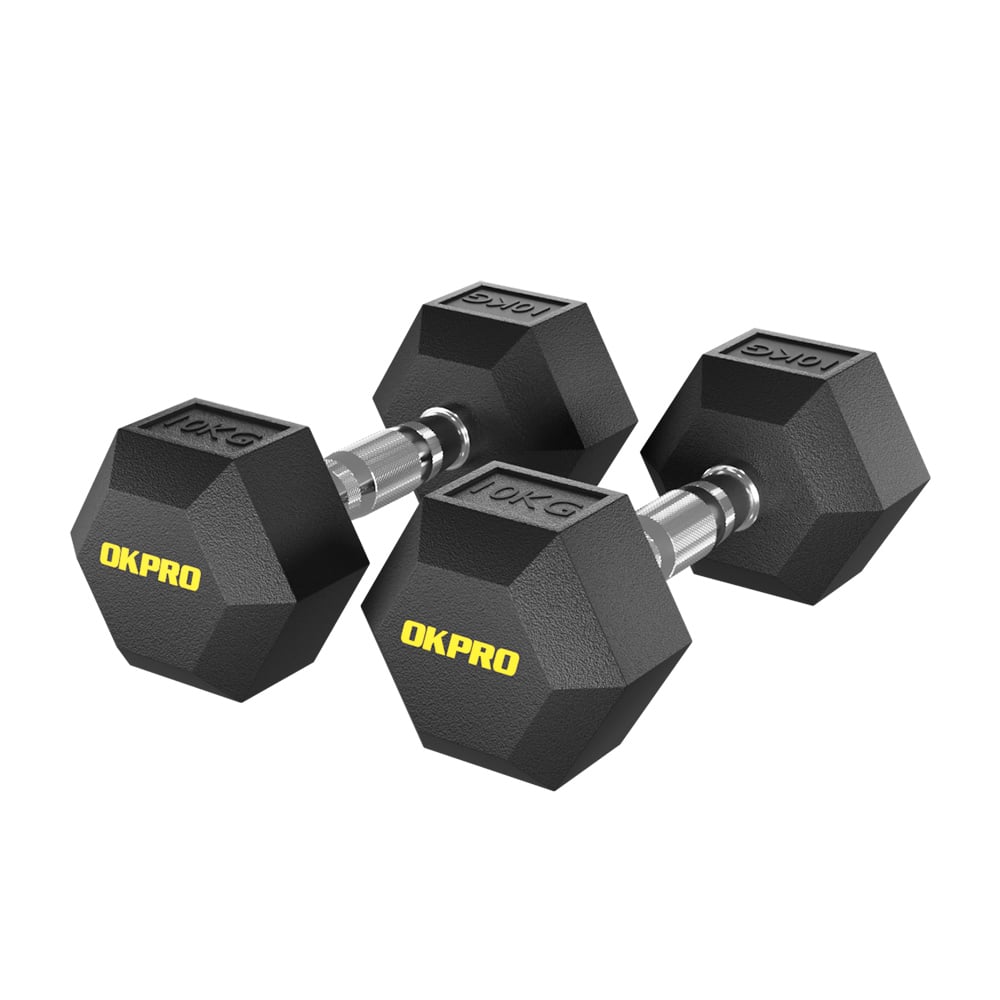
The versatility of dumbbells is not simply a marketing claim — it is backed by decades of practical application in athletic training, rehabilitation, and general fitness. Unlike fixed machines that restrict movement to a single plane, dumbbells allow users to train through natural ranges of motion, engage stabilizer muscles, and customize intensity with precision. Understanding exactly why dumbbells stand out as the versatile choice for strength training helps buyers, coaches, and facility managers make better decisions when selecting equipment.
Why Dumbbells Excel in Versatility
Freedom of Movement Across Exercise Types
One of the most compelling reasons to choose dumbbells is the sheer variety of movements they support. Dumbbells can be used for pressing, pulling, squatting, hinging, rotating, and carrying — all within a single training session. This means a facility stocked with a quality set of dumbbells can program full-body workouts without requiring an extensive range of specialized machines. From chest presses and shoulder raises to lunges and Romanian deadlifts, dumbbells adapt to virtually every muscle group and movement pattern.
Dumbbells also allow unilateral training, where each limb works independently. This is particularly valuable for correcting muscular imbalances, improving athletic performance, and supporting injury rehabilitation. A single pair of dumbbells can replace several fixed-position machines when programming is thoughtful and intentional.
Scalable Intensity for All Fitness Levels
Dumbbells are available in a wide weight range, making them suitable for beginners learning foundational movement patterns and for advanced lifters pursuing hypertrophy or strength gains. Facilities that invest in a complete rack of dumbbells — spanning light, medium, and heavy options — can serve diverse user populations without constantly reconfiguring equipment. Adjustable dumbbells extend this scalability further, allowing weight increments within a compact footprint. Whether a user is performing high-repetition endurance sets or low-repetition strength work, dumbbells provide the precise load control needed for progressive overload.
Dumbbells in Practical Strength Training Contexts
Application in Commercial and Institutional Gyms
In commercial gym settings, dumbbells are among the most frequently used pieces of equipment. Members rely on dumbbells for warm-up sets, accessory work, and primary strength exercises alike. A well-stocked dumbbell rack signals professionalism and readiness to meet the needs of a broad membership base. For institutional facilities such as hotel gyms, corporate wellness centers, and rehabilitation clinics, dumbbells offer a space-efficient solution that covers a wide range of programming requirements. Rubber-coated or hex-style dumbbells are especially favored in these settings because they protect flooring, reduce noise, and withstand heavy daily use.
Facility managers consistently prioritize dumbbells when planning equipment procurement because the return on investment is high. A single comprehensive set of dumbbells serves hundreds of users across years of use with minimal maintenance requirements. The durability of quality dumbbells, particularly those with solid steel cores and vulcanized rubber coatings, makes them a cost-effective long-term asset.
Dumbbells for Home and Studio Training Spaces
For home gym owners and boutique fitness studios, dumbbells are often the first and most essential purchase. The compact nature of dumbbells means they require far less floor space than barbells, power racks, or cable machines. A carefully selected range of dumbbells can support an entire strength training program in a modest room. Personal trainers working in studio environments frequently build entire class formats around dumbbells because they encourage engagement, allow individual load customization, and keep sessions dynamic. Dumbbells bring a level of training depth to small spaces that few other tools can replicate.
Selecting the Right Dumbbells for Strength Training
Key Factors in Choosing Quality Dumbbells
Not all dumbbells are built equally, and selecting the right type matters significantly for long-term performance. Hex rubber coated dumbbells are a popular choice because the flat-edged hex shape prevents rolling, which adds a safety advantage in busy training environments. The rubber coating on quality dumbbells protects both the weight and the floor surface, reducing the risk of damage during high-intensity sessions. When evaluating dumbbells, buyers should assess the grip quality, the consistency of weight across the set, the durability of the coating, and the overall balance of the implement in hand. Ergonomic knurled handles on dumbbells improve grip security during heavy lifts and sweaty conditions.
Weight accuracy is another critical criterion when purchasing dumbbells. Commercial-grade dumbbells should fall within a tight tolerance of the labeled weight, ensuring that programming is reliable and consistent. Poorly manufactured dumbbells with inconsistent weights can undermine training precision and user trust. Investing in certified, precision-cast dumbbells protects the integrity of strength programming over time.
Matching Dumbbell Types to Training Goals
Fixed-weight dumbbells are the standard choice for commercial environments where multiple users train simultaneously and convenience is paramount. Adjustable dumbbells suit home users or small studios where storage space is limited and a wide weight range is still needed. Rubber-coated dumbbells are preferred for most indoor settings, while urethane-coated dumbbells offer even greater durability and aesthetic longevity for premium facilities. Understanding these distinctions helps facility planners and individual buyers choose the dumbbells that will best serve their specific context, budget, and training population.
FAQ
What weight range of dumbbells should a commercial gym carry?
A commercial gym should typically stock dumbbells ranging from 2.5 kg or 5 lb up to at least 50 kg or 110 lb, with incremental steps between each weight. This range ensures that beginners, intermediate lifters, and advanced users can all train effectively using the same dumbbell rack without limitation.
Are rubber coated dumbbells better than chrome dumbbells for gym use?
Rubber coated dumbbells are generally preferred for high-traffic gym environments because they protect floors, absorb impact, and reduce noise. Chrome dumbbells offer a classic aesthetic and are durable, but they are more likely to cause floor damage if dropped. For most commercial and studio settings, rubber coated dumbbells provide a better balance of protection and longevity.
How do dumbbells support progressive overload in strength training?
Dumbbells support progressive overload by allowing users to incrementally increase the weight used in each exercise as strength improves. Because dumbbells are available in small weight increments, athletes can make precise adjustments that keep training challenging without jumping too aggressively in load. This controlled progression is a key driver of consistent strength gains when using dumbbells over the long term.