 EN
EN

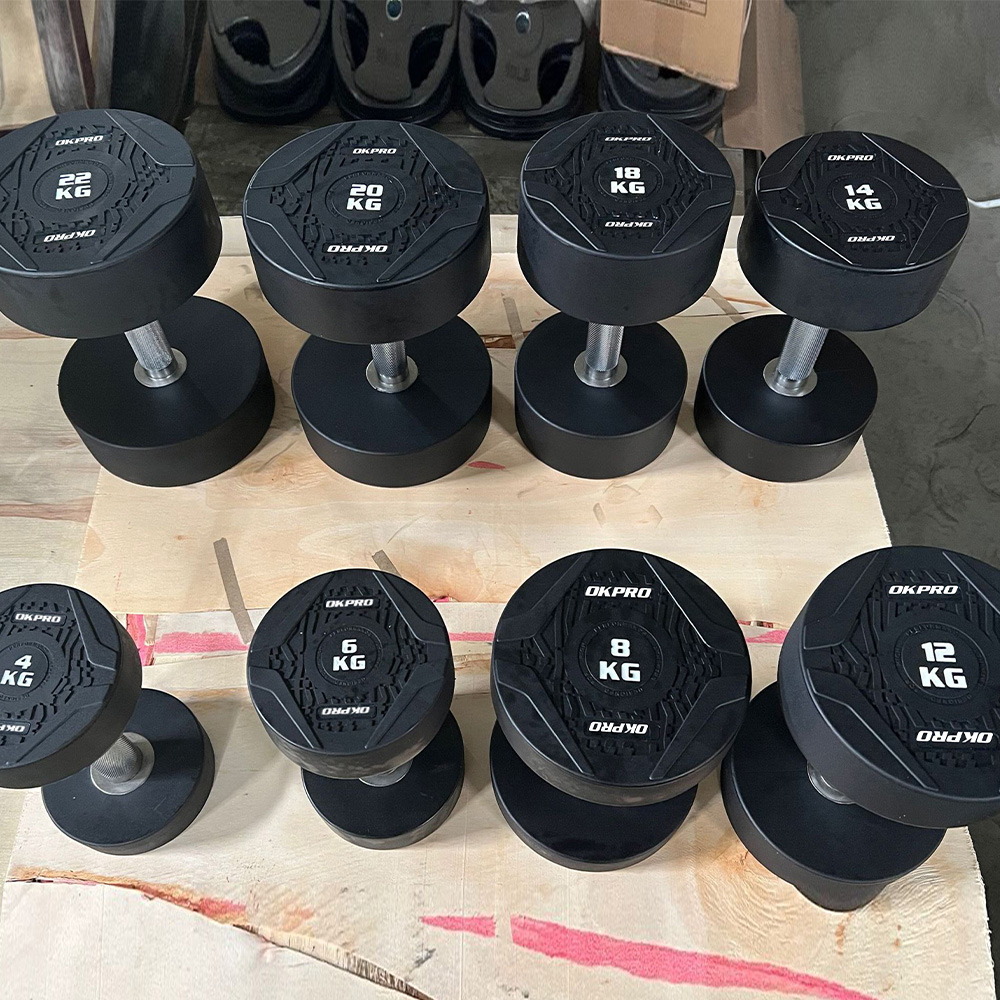
For large-scale fitness centers, procurement decisions carry significant operational and financial weight. When it comes to free weights, selecting the right custom dumbbell solution is not just about purchasing a product — it is about defining the training experience, ensuring long-term durability, and aligning equipment specifications with the facility's brand identity and user volume. A thoughtfully procured custom dumbbell set can differentiate a premium gym from a generic one, directly influencing member satisfaction and retention rates.

Large-scale fitness centers — including hotel gyms, commercial health clubs, university athletic facilities, and corporate wellness spaces — face unique procurement challenges that smaller facilities do not encounter. Volume requirements, consistent quality across multiple units, branding specifications, and long-term vendor reliability all become critical variables. This article walks procurement managers and facility directors through the key considerations, strategic frameworks, and practical insights needed to make informed custom dumbbell purchasing decisions at scale.
Understanding What Custom Dumbbell Procurement Actually Involves
Beyond Standard Weight Sets: Defining Customization
Many facility managers initially assume that custom dumbbell procurement simply means ordering a large quantity of standard weights. In reality, the customization scope is considerably broader. A custom dumbbell can be specified across multiple dimensions: material selection, weight increments, handle geometry, surface texture, logo engraving or embossing, color coding, and rack compatibility. Each of these factors contributes to a product that is genuinely tailored to the facility's operational context.
Urethane-coated dumbbells represent one of the most popular choices for large commercial facilities due to their exceptional durability, low noise performance, and resistance to cracking and fading under heavy daily use. Facilities that see hundreds of training sessions per week need a custom dumbbell solution that can withstand that kind of sustained demand. Material choice at the procurement stage directly determines maintenance frequency and replacement costs over a five-to-ten-year horizon.
Weight range and increment selection also require deliberate planning. A general commercial gym serving a wide member demographic typically requires a broader weight range, spanning from very light sets used in group classes to heavy sets used by serious strength athletes. A corporate wellness center might have a narrower range focused on moderate weights. Understanding the target user base is the first step in specifying a custom dumbbell range that maximizes utility without over-investing in unnecessary inventory.
The Role of Branding in Large Facility Procurement
For branded fitness chains, hotel fitness centers, and corporate wellness programs, visual identity is an important procurement criterion. A custom dumbbell with facility-specific colors, logo placement, or distinctive finish creates a cohesive branded environment that reinforces the facility's professional image. This is particularly relevant for multi-location operators who want equipment consistency across all their sites.
Branding on fitness equipment also serves a practical anti-theft and asset-tracking function. Clearly marked equipment is easier to audit, harder to misappropriate, and communicates a sense of ownership and quality management to members. When evaluating vendors for a custom dumbbell order, procurement teams should explicitly ask about logo customization options, color matching capabilities, and the permanence of branding finishes over time.
Procurement Volume Planning and Specification Development
Calculating the Right Quantity for Your Facility Scale
Volume planning is one of the most consequential steps in custom dumbbell procurement. Ordering too few units creates bottlenecks during peak hours, frustrating members and undermining the investment. Ordering too many inflates upfront costs and creates storage challenges. The right quantity depends on a careful analysis of peak concurrent usage, the layout of the free weights zone, and projected membership growth over the equipment's intended lifespan.
A standard commercial gym with 500 to 1,000 active members might require two to four full dumbbell rack sets covering a weight range of five to fifty kilograms in two-and-a-half-kilogram increments. Larger facilities with dedicated strength floors, personal training studios, and group fitness rooms may need multiple independent custom dumbbell sets configured differently for each space. Mapping out each use zone before writing procurement specifications prevents costly over- or under-ordering.
It is also advisable to include a buffer quantity — typically ten to fifteen percent above the immediate requirement — to account for wear-and-tear replacement needs over the first three years. This approach is more cost-effective than placing small reorder requests later, especially when dealing with custom specifications that require minimum order quantities from manufacturers.
Writing Clear and Complete Technical Specifications
A procurement specification document for a custom dumbbell order should leave no room for ambiguity. It should define the exact weight range, increment intervals, handle diameter, handle knurling pattern, head material, coating type, color scheme, logo artwork format and placement, and any rack compatibility requirements. Vague specifications lead to inconsistent deliveries and disputes with suppliers.
Facilities with specific ergonomic requirements — such as accessible fitness centers or rehabilitation-focused gyms — may need to specify handle ergonomics in detail, including grip circumference ranges and textured surface depth. A well-constructed custom dumbbell specification document is also a powerful tool during supplier negotiation, as it demonstrates procurement professionalism and forces vendors to commit to exact parameters before production begins.
Including quality acceptance criteria in the specification is equally important. Define acceptable tolerances for weight accuracy, surface finish consistency, and logo reproduction quality. Establish a clear inspection and rejection protocol so that non-conforming units are identified before full delivery and payment. This level of rigor is standard practice for large-scale fitness equipment procurement and protects the facility's investment.
Evaluating Vendors for Large-Scale Custom Dumbbell Orders
Key Criteria for Supplier Assessment
Not all fitness equipment manufacturers are equipped to handle large-scale custom dumbbell orders. The right vendor must demonstrate proven capacity for high-volume production, consistent quality control processes, and experience with customization across the full specification range. Before committing to a supplier, procurement teams should request production capacity data, quality certifications, and references from comparable large-scale clients.
Lead time reliability is a critical but often overlooked criterion. Facility openings and refurbishments operate on strict timelines, and equipment delivery delays can cascade into significant financial and reputational consequences. A supplier's track record on meeting delivery commitments for custom dumbbell orders — particularly large batches — should be verified through direct reference checks rather than taken at face value from marketing materials.
Warranty terms and post-sale support also matter considerably in large-scale procurement. A custom dumbbell should carry a meaningful commercial-use warranty, and the supplier should have a clear process for handling warranty claims efficiently. Facilities that order from suppliers without robust after-sales infrastructure often find themselves managing individual warranty disputes manually, which creates significant administrative burden over time.
Sampling and Prototype Evaluation Before Full Commitment
Requesting physical samples or prototypes before authorizing full production is a non-negotiable step for any serious custom dumbbell procurement program. Samples allow procurement teams to evaluate actual weight accuracy, surface finish quality, handle comfort, logo reproduction fidelity, and coating durability under real-world testing conditions. What looks acceptable on a specification sheet or product catalog may not always translate as expected in the physical product.
Distribute samples to a small group of trainers and regular users within the facility and collect structured feedback before finalizing the order. Trainers are particularly valuable evaluators because they interact with the equipment daily and can identify ergonomic shortcomings that non-specialists might overlook. This participatory evaluation step builds internal buy-in for the procurement decision and helps surface specification gaps before they become expensive production commitments.
For procurement of a custom dumbbell solution designed for high-traffic commercial environments, the sampling stage is also an opportunity to stress-test coating adhesion, drop resistance, and handle stability under repeated use — all of which are critical performance factors in a busy fitness center setting.
Logistics, Installation, and Long-Term Management of Custom Dumbbell Assets
Planning Delivery and Installation Logistics
Large-scale custom dumbbell orders present distinct logistical challenges that smaller purchases do not. Weight alone creates significant freight complexity — a full commercial dumbbell set covering five to fifty kilograms in two-and-a-half-kilogram increments can weigh several hundred kilograms in total, requiring specialized freight handling, appropriate loading dock access, and coordinated delivery scheduling to avoid operational disruption to existing facility users.
Coordinate with the supplier well in advance on packaging specifications to minimize transit damage. Custom dumbbell units with premium urethane finishes or custom color schemes are particularly vulnerable to surface damage during shipping if not properly protected. Request detailed packing lists and photographic inspection records prior to dispatch so that any damage can be attributed correctly to transit rather than accepted as a pre-existing condition.
Installation planning should include proper rack placement aligned with the facility's floor plan, electrical access for any smart racks, traffic flow optimization, and safety clearances between equipment zones. Even the best custom dumbbell procurement strategy loses value if the equipment is installed in a layout that impedes member flow or creates safety risks.
Asset Management and Replacement Cycles
A custom dumbbell set in a high-traffic commercial gym is a depreciating asset that requires proactive management. Establishing a formal asset register at the point of delivery — recording serial numbers, weight specifications, delivery dates, and warranty expiry — creates a structured foundation for long-term lifecycle management. Periodic condition audits, typically conducted quarterly in high-usage facilities, allow maintenance teams to identify early signs of coating deterioration, weight drift, or handle wear before they become safety issues.
Replacement cycles for commercial custom dumbbell sets typically range from five to ten years depending on usage intensity and material quality. Urethane-coated dumbbells generally outperform rubber-coated alternatives in longevity under commercial use conditions. Documenting replacement history also informs future procurement decisions, allowing facility managers to refine their specifications and supplier selection based on real performance data from previous purchasing cycles.
FAQ
What is the minimum order quantity typically required for a custom dumbbell procurement project at a commercial scale?
Minimum order quantities vary by manufacturer and customization complexity, but most commercial-grade suppliers require a minimum of one complete set per weight range increment as the baseline. For full custom dumbbell orders involving logo engraving, custom color coatings, and specific weight configurations, many manufacturers set minimum production runs to cover setup costs. It is advisable to discuss minimum quantities directly during vendor qualification and to plan procurement volumes that exceed minimums to achieve better unit pricing.
How long does it typically take to receive a large custom dumbbell order after specifications are finalized?
Production and delivery lead times for large-scale custom dumbbell orders typically range from six to sixteen weeks depending on order volume, customization complexity, and the supplier's current production schedule. Facilities planning new openings or major refurbishments should initiate procurement discussions at least four to six months before their required delivery date to allow adequate time for specification approval, prototype review, production, and international or domestic freight logistics.
Is urethane coating the best material choice for a custom dumbbell in a high-traffic facility?
Urethane coating is widely regarded as the premium material choice for commercial custom dumbbell applications due to its superior durability, odor resistance, color retention, and resistance to chipping or cracking under heavy daily use. Compared to rubber-coated alternatives, urethane typically delivers a longer service life, maintains a better aesthetic appearance over time, and performs more quietly on impact. For large-scale fitness centers where equipment appearance and durability are both priorities, urethane is the most operationally sound specification choice.
Can custom dumbbell branding withstand heavy daily use in a commercial gym environment?
Yes, when executed using appropriate techniques such as engraving, molding, or high-durability paint applications specifically designed for commercial fitness equipment, custom dumbbell branding can maintain its integrity under years of intensive use. The key is to specify branding methods that are integrated into the manufacturing process rather than applied as surface stickers or decals after production. Procurement teams should request durability test results or long-term use case references from suppliers to verify the permanence of branding finishes before committing to full production runs.
Table of Contents
- Understanding What Custom Dumbbell Procurement Actually Involves
- Procurement Volume Planning and Specification Development
- Evaluating Vendors for Large-Scale Custom Dumbbell Orders
- Logistics, Installation, and Long-Term Management of Custom Dumbbell Assets
-
FAQ
- What is the minimum order quantity typically required for a custom dumbbell procurement project at a commercial scale?
- How long does it typically take to receive a large custom dumbbell order after specifications are finalized?
- Is urethane coating the best material choice for a custom dumbbell in a high-traffic facility?
- Can custom dumbbell branding withstand heavy daily use in a commercial gym environment?