
 EN
EN
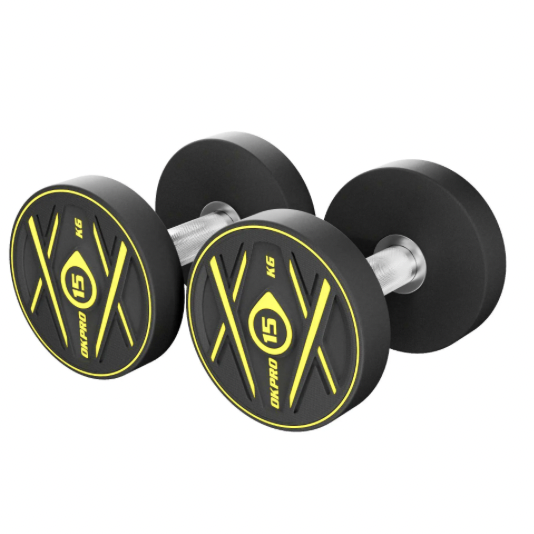
Why Dumbbell Training Works for Weight Loss & Toning
The Science Behind Fat Burn & Muscle Building
Dumbbell training is an efficient way to engage multiple muscle groups, which leads to an increased calorie burn. When we incorporate strength training in our workout routines, it can help in maintaining muscle mass during weight loss—an essential factor for sustaining metabolic health. Muscle hypertrophy, a process that occurs through continuous resistance training, not only enlarges muscle fibers but also increases our resting metabolic rate, facilitating further fat burning. According to a study in the Journal of Strength and Conditioning Research, resistance training significantly impacts muscle activity, which supports these metabolic improvements.
How Strength Training Boosts Metabolism
Strength training with dumbbells plays a crucial role in elevating post-exercise oxygen consumption (EPOC), which results in enhanced calorie burn even after completing workouts. This phenomenon helps maintain metabolic efficiency, especially as we age. Research shows that exercise regimens integrating dumbbells improve overall endurance and levels of physical fitness, which are essential for long-term health. According to findings by the American Council on Exercise, the "afterburn effect" can increase calorie expenditure significantly, translating into more efficient weight management.
Dumbbells vs. Cardio: Why Both Matter
While both dumbbell workouts and cardio are vital, comparative studies emphasize their distinct roles. Cardio primarily boosts cardiovascular health, whereas strength training with dumbbells is integral for building lean muscle and muscle toning. When combined, these exercise modalities create a balanced and holistic fitness regimen that maximizes results. Cardio aids in fat loss effectively, while dumbbells enhance muscle definition and strength, providing a comprehensive approach to overall fitness and well-being.
Choosing the Right Dumbbell Equipment
Adjustable vs. Fixed Weights: What’s Best?
Choosing between adjustable and fixed weights largely depends on your fitness goals and space considerations. Adjustable dumbbells are incredibly versatile, allowing you to vary the weights easily for different exercises, making them ideal for home gyms with limited space. In contrast, fixed weights offer a no-fuss option, perfect for quick setup and use, but they tend to require more storage space and may limit your progression in weightlifting. Therefore, if your primary goal is convenience and efficient use of space, adjustable dumbbells might be the way to go, whereas fixed weights could be better for those who prefer simplicity and have ample storage.
Dumbbell Weights for Different Fitness Levels
Selecting the right dumbbell weights is critical for beginners to prevent injury and promote gradual progression. Starting with light dumbbells, usually ranging from 5 to 10 pounds for women and 10 to 20 pounds for men, is generally recommended for those new to strength training. As you develop strength and endurance, it's important to adjust your weights accordingly to continue challenging your muscles effectively. This approach not only ensures safety but also promotes efficient muscle hypertrophy, laying a solid foundation for advancing your fitness journey.
Space-Saving Storage Solutions (Racks Included)
A well-organized workout space is essential for a clutter-free and motivating environment, and investing in a dumbbell rack can significantly contribute to this goal. There are various styles of racks available, including vertical and horizontal designs, enabling flexibility depending on your room size. For those with limited floor space, wall-mounted options can be a lifesaver, as they offer a practical way to keep your weights accessible and secure without occupying valuable ground real estate. Implementing these storage solutions not only optimizes space but also enhances both the aesthetic and functionality of your home gym.
Essential Dumbbell Exercises for Weight Loss
Full-Body Fat Burners: Squat Thrusters & Deadlifts
If you're aiming for weight loss through dumbbell exercises, squat thrusters and deadlifts can be game-changers. Squat thrusters fuse the power of squats and overhead presses to engage multiple muscles simultaneously, boosting calorie burn and muscle engagement. This exercise is ideal for releasing pent-up energy while targeting your shoulders, glutes, and hamstrings. Meanwhile, deadlifts focus on strengthening your posterior chain, promoting better posture and stability. By incorporating these compound movements, you not only enhance your metabolic rate but also increase overall fat loss. For more information, check out this dumbbell weights collection.
Core-Focused Moves: Renegade Rows & Leg Loops
To effectively target the core muscles with dumbbells, renegade rows and leg loops are fantastic choices. Renegade rows are a compound exercise that simultaneously strengthens the core, back, and arms, supporting functional movement and stability. This movement ensures that your core is constantly engaged, bringing you closer to your fitness goals. On the other hand, leg loops enhance core stability and improve flexibility, especially in dynamic workouts. Together, these exercises not only sculpt functional strength essential for daily activities but also boost calorie burn, creating a comprehensive workout routine. Explore more with our offering of various dumbbell weights for your dynamic workouts.
High-Rep Circuits for Maximum Calorie Burn
High-rep circuits are pivotal in maximizing calorie burn and promoting metabolic adaptation through continuous movement. By integrating a variety of dumbbell exercises, you ensure optimal muscle recruitment and increased caloric expenditure. These circuits improve cardiovascular performance and accelerate fat loss. Research highlighted in the Journal of Strength and Conditioning supports the effectiveness of high-rep metabolic training for weight loss. Whether you're using fixed or adjustable weights, high-rep circuits adapt to different fitness levels, making them accessible and effective for everyone. Don't miss out on the wide range of dumbbell set with rack available to complement your high-rep training sessions.
Toning Techniques with Dumbbells
Low Weight/High Rep vs. Heavy Weight/Low Rep
When it comes to toning muscles with dumbbells, choosing between low weight/high rep and heavy weight/low rep techniques is pivotal in reaching your fitness goals. Low weight/high rep routines are focused on building muscle endurance and are especially effective for achieving a toned appearance. These routines often involve lifting lighter weights over a higher number of repetitions, which can improve muscular stamina and define the shape of the muscles. Conversely, heavy weight/low rep strategies are aimed at increasing muscle strength and growth. By lifting heavier weights with fewer repetitions, these routines stimulate muscle fibers differently, encouraging significant muscle build-up.
Selecting the right technique is crucial and depends largely on individual fitness goals, whether one aims for muscle toning or building substantial mass. For those seeking general fitness and body sculpting, low weight/high rep is ideal, while individuals focused on strength gain may opt for heavy weight/low rep techniques. Considering your desired outcomes will guide you in selecting the appropriate approach.
Targeting Trouble Zones: Arms, Glutes & Thighs
Dumbbell exercises can specifically target trouble zones such as the arms, glutes, and thighs, aiding in enhancing body confidence. To effectively work out the arms, isolated movements like bicep curls harness the muscle from various angles, promoting definition. For the glutes and thighs, exercises such as lunges and hip thrusts are excellent, as they engage these areas intensively. The targeted focus on these regions through dumbbell routines helps in building strength, increasing muscle tone, and improving shape.
The targeted focus on these regions through dumbbell routines helps in building strength, increasing muscle tone, and improving shape. For those wondering about the timeline for seeing changes, results typically emerge within three months of consistent training, although this can vary based on starting fitness levels and exercise intensity. By incorporating these isolation movements, one can effectively sculpt trouble zones, achieve a well-defined physique, and enjoy enhanced body confidence.
Isolation Exercises for Muscle Definition
Isolation exercises using dumbbells are key to focusing on single muscle groups to build muscle definition effectively. Exercises such as bicep curls, tricep extensions, and shoulder raises spotlight individual muscles, fostering noticeable results in muscle symmetry and definition. Each of these exercises is designed to engage distinct muscle groups, providing targeted development and improving overall muscle profile.
Incorporating these exercises within your workout routine not only enhances muscle symmetry but also contributes to overall strength and appearance. By including these exercises in regular training sessions, you will achieve well-defined muscles across targeted areas and an aesthetically balanced physique.