
 EN
EN
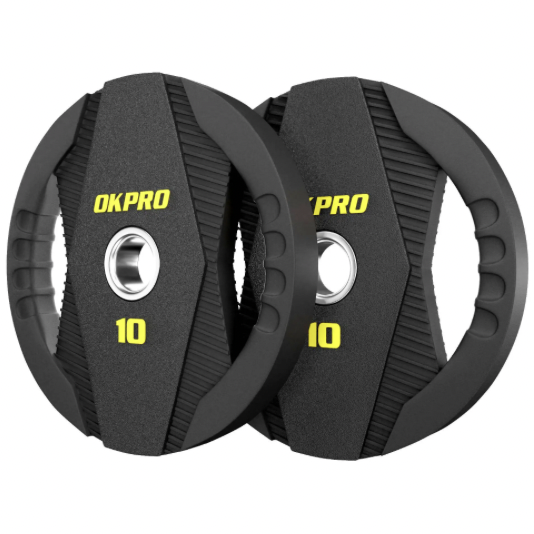
Understanding Weight Plate Materials and Construction
Rubber vs. Urethane Bumper Plates
If you are looking for superior durability and quiet workouts, rubber bumper plates are the way to go. Drop it, let it fall, these rubber plates are perfect for any weightlifting environment in which a rebounding plate can impact the gym’s appearance or jeopardize a lifter & eqipment. They are significantly more durable than urethane bumper plates, but urethane plates have their own benefits. They and urethane plates are also durable with the urethane having a little more aesthetic appeal and a slower breakdown due to UV exposure over time. Both materials protect floors and bars, but you may choose one over the other based on your environment and preferences. Rubber plates are consistent and always a bounce-less drop and are a staple in many pro set up, where as the urethane cover is for people who like it clean and want it to last.
Cast Iron vs. Steel Olympic Plates
The decision to invest in either a cast iron or steel Olympic plate set is usually based on price and durability. Cast Iron Plates CgoSolid cast iron plates at an affordable price point, high level of weight accuracy home gym, garage gym, or occasional lifter. Their inexpensive price and durability has made them a common choice in gym facilities more concerned with price and function than aesthetics. Steel Olympic Plates, on the other hand, are known for their strength and durability, especially in high-use environments. Steel Durable They are designed to stand up to rigorous use and they do, professional weight rooms are filled with them straight steel is longer laster. User reviews of steel sets attest to their longevity with many commenting on their consistent performance over a number of years of regular playing. Economy and long-term suitability are the determining factors when choosing between these two material plates.
45lb Weight Plates: Standard Gym Equipment
The 45lb plates are the international go-to standard for serious weightlifters everywhere. Their importance in weightlifting programs, particularly those to routine in Olympic lifting as well as general strength can it weight programs, is their sturdy weight, enabling an athlete a stable progression in resistance and weightlifting. For lots of guys, the 45-pound plate is where we begin this journey, working our way up to it, using it to gauge our progress and make sure our routine is challenging enough to develop our muscles. They're considered universal in terms of training, as they feature a functional design combined with heavy duty construction. The 45lb weight plates make a great addition to your workout routine as the perfect plates to help you so you can continue to see positive results. They have been used in thousands of gyms around the world proving that they are easily one of the most basic and essential accessories any serious weightlifter can use.
Types of Weight Plates for Different Training Needs
Olympic Weight Plates for Competitive Lifting
Olympic weight plates are for serious weight trainers and competitive lifters; they're precision made and calibrated for their specific purpose. The hole diameter is 2 inches, which is bigger than standard plates and is designed to work with Olympic barbells, making them ideal for everything from high-rep female weight workouts to max-r They are designed to meet stringent International requirements for accuracy, making them the ideal choice for competitions where both precision and portability are required. Olympic plates are regulated by the International Weightlifting Federation (IWF) with weight options which are most frequently used in competitive weightlifting: 25 kg, 20 kg, and 15 kg (they are also colour-coded for easy identification during various competitions). Olympic weight plates with weight accuracy and tolerance of +/- 2%.
Training Bumper Plates for CrossFit
Bumper plates the training of the cross fit - Bumper training plates are special because of their distinctive characteristics from CrossFit. As they're largely constructed of hard rubber or urethane, these plates are extremely durable, and are also particularly resistant to impact, meaning they're perfect for a regimen that requires you to drop frequently weight (like during CrossFit). These tend to be a bit lighter than the Olympic versions, which is going to help with speed and quick transitions when you're trying to engage in serious HIIT. Bumper Plate PreferenceThe spike in popularity of the sport has led to a great change in the type of training bumper plates used over old ones in the past.The reason for this the fact that this plates absorb impact well, as well as reduces noise, creating a focused experience. So they’re essential in offering up both accessibly and injury-free CrossFit.
Technique Plates for Form Development
Technique plates are specifically designed for athletes focusing on their form. These plates tend to be more lightweight, which enables the the lifter to focus more on form, rather than on weight, which is good for those who are newer to lifting. Technique plates promote proper form, reducing the risk of injury and improving lifting performance. And many training centers stress their importance in the early days of lifting instruction. The effectiveness of these plates in form developing is supported by experiences made in countless gyms, and weight training specialists do too. By focusing on safe technique, the athletes lay proper groundwork to continue their training.
Fractional Plates for Progressive Overload
Fractional plates are a huge key for any athlete adhering to the principle of progressive overload, one of strength training’s most fundamental tenets. These plates facilitate micro-loading – allowing progression with smaller jumps in training weight (right around 0.5 lb or 1 lb per lift); perfect for busting through pesky plateaus. The small, incremental increases in weight that fractional plates allow for can lead to huge strength gains over extended durations without too much too soon. Experts do recommend the use of fractional plates, noting they can be particularly useful in a personalized program that focuses on gradual, rather than dramatic, increases in resistance. This gradual progression design concept is gentle but persistent, a strategy that not only gives you reliable muscle gain but also better athletic performance.
Choosing the Right Weight Plates for Your Goals
Assessing Weight Plate Diameter and Compatibility
When choosing weight plates you should consider the diameter of the plates in respect of the type of bar you want to use and your fitness goals. Standard weight plates have a hole in their center with a diameter of 25mm, and can only be used with standard bars whereas Olympic plates have a hole of 51mm in the center and require Olympic bars to be used. This provides cushioning that lets you work out safely and effectively as it prevents your plates from sliding or slipping during your workout. Manufacturers of gym equipment to these standards state that adhering to standard barbell diameter increases stability of the loaded bar, preserves the right kinetic balance of a loaded bar, and enables free circulation of a loaded bar over knees and shoulders to assure safety in exercises. So, being aware of these details could be helpful to pick the right weight plates that would perfectly fit into your already established workout system.
Budget Considerations: Cheap Weight Plate Options
Investigating inexpensive weight plates is the easy way to help you keep your budget in the black when it comes to building a home gym. Though the elite plates may have more durability and aesthetic appeal, many cheap versions do just fine for the vast majority of exercisers. For example, you might find that inexpensive weight plates have variations in finish and weight accuracy compared to more premium versions, nonetheless they are often crafted from materials which are built to last, like iron or rubber. According to fitness data, many people effectively train with cheapo weight plates, so priciness doesn't directly translate into better quality. If you choose wisely, low-cost plates are the perfect solution to serve your lifting needs while skateboarding to it.
Weight Tolerance Standards for Serious Lifters
Knowing weight tolerance standards is mission critical to assure those serious about lifting are using safe products. Weight tolerance is the deviation of a weight plate's actual weight from its stated weight. The kind of material that is used determines the precision of weight and the quality of performance of the plates. For example, a 5% (+/- 5g) tolerance and a 2% (+/- 2g) tolerance won't feel the same, one is looser than the other due to the range of possible inaccuracies in manufacture. Gym standards The benefits of using standardized weights are that the tolerance levels for the weight are known and repeatable, and that the addition of new weights constantly matches that of new weightlifting records US strength training Ѕ уsар-guid-08.percent, 50% for total of less than 60 lb, 25% for total of 60 pnd over USS 50.6complex; the standards are used by all gyms, including "family clubs" in the USA. As a result, plates that adhere to these standards can significantly improve your experience as a lifter and keep you safe.
Specialized Uses of Weight Plates in Fitness
Powerlifting vs. Olympic Lifting Requirements
Powerlifting and Olympic lifting use different weights plates in order to adhere to their own specifics training and competition rules. In powerlifting, the three major lifts are the squat, the bench press and the deadlift, and most often these lifts employ heavy, sturdy iron or steel plates that can be loaded with heavy weights without becoming damaged. Olympic lifting, meanwhile, makes use of bumper plates for movements such as the clean and jerk or snatch thanks to the shock-absorbing properties, which means less wear and tear on both the athlete and the gym floor. To provide a consistent competition experience, each style has specific regulations regarding the weight plates used. Olympic lifting competitions, for example, follow International Weightlifting Federation (IWF) standards, which stipulate that plates must be accurate to within 0.1% of the indicated weight and be of the same diameter. Powerlifting plates do not have any specific regulation by the International Powerlifting Federation (IPF), but are calibrated nonetheless to have a low variance from their indicated weight. A knowledge of these needs is central to choosing the right plates to achieve particular training outcomes.
Functional Training with Change Plates
Change plates offer a level of flexibility and affordability that's a game changer for pace and strength. Typically available in increments from a mere 0.5 kg to 5 kg, these plates allow for gradual progression in a workout regime as well as facility for dynamic movement and adaptability – hallmarks of functional fitness. By integrating change plates into movements such as lunges, squats, or overhead presses, athletes can train for precision and form while increasing functional strength. The versatility for the use of change plates has been proven by many coaches who promote using them to chronically overload the body without stimulating the risk to the body. Firsthand experiences from lifters offer a glimpse into how change plates can help improve form and momentum in workouts for fitness junkies. That ability for adjustability is why the change plates quickly become the athlete's ultimate tool to perfect their training regimen with smaller increments that protect the athlete from injury.
Home Gym Space Optimization Strategies
Weight plates in a home gym, especially a compact home gym, filling as many roles as possible are key. With the help of proper storage solutions, a clutter-free space can be maintained and necessary supplies can be easily accessible. Vertical plate racks or wall mounted storage can also dramatically cut down floor clutter all while keeping the plates organized. As a bonus, these multi-use or adjustable weight options — like adjustable dumbbells or small-space barbells — offer maximum utility without taking up all the room. People who workout in their home gym love to tell you about how much they love to plan and think about which plates to use and where to put them. For example, choosing thinner, precision-milled plates will create more room on the bar for extra weight, while bumper plates are built for high-impact workouts and lifts that require the plates to be dropped. By focusing on compact storage and transfer options, as well as the vast training equipment available that will enable a great workout at home.
Maintenance and Safety Considerations
Preventing Rust on Iron Weight Plates
To preserve the life of your iron weight plates, wipe them down regularly to reduce the risk of rust. They should also be kept dry, if you can wipe them down with a towel after use as the last thing you do before putting them back, that will reduce the amount of rust that can form. Applying protective oil or rust inhibitors sporadically can also help protect the integrity of the iron. Per maintenance data, keeping up with proper maintenance can also help prolong the life of your weight equipment - that's up to 20 percent more life than plates that are mistreated. Many environmental variables such as humidity and contact with air can influence the longevity of the plate and so performing these steps is extremely important to maintain a consistent product.
Proper Storage for Rubber-Coated Plates
FeaturesRubber coated plates should be stored in specific conditions to keep its quality and actual performance. They need to be stored in a moderate temperature and away from direct sunlight because the too high or too low temperature can make the rubber loose its flexibility and strength. Inadequate storage can also cause cracks or warping, which in turn can impact your workout. Pucchaseries of such plates recommend them to be stacked vertically on stack racks to minimize self-weight bending. Referring to the product books or manufacturer guides can give specific ideas about keeping these plates for long, so they work effectively for long.
Inspecting Weight Plate Collars and Sleeves
It is important to check weight plate collars and sleeves regularly in order to keep lifting safe. These parts may degrade through use or be damaged and may create dangerous situations during use. Search for popular wear sites, such as looseness, cracks, or bends, and stay on top of any of those problems to avert accidents. Badly maintained equiptment is responsible for 85% of weightlifting injuries. This underscores the importance of regular examination and replacement when necessary, to prevent any possible safety hazard, and ensure you can enjoy your lifting experience!
Weight Plate FAQs: Expert Answers
Mixing Different Plate Types Safely
Combining various plates can be dangerous during exercise so pay attention to the safe limit. Knowing how different materials, including iron, rubber and the like, can Reinforce each other is also referred to as synergy. There are differences of opinion between fitness professionals on the best approach, and some advocate following certain guidelines such as attempting a 50s2p configuration (i.e., using plates of similar diameters) to reduce the risk of imbalance, and securing them firmly on the bar, among others. The stability is reduced when plates with different weights are combined inappropriately and this can lead to accidents. To guard against such risks, experts suggest the use if collars and sleeves made to accommodate mixed weights and standard equipment checks. Being safe in your plate workouts and listening to the experts is key.
Understanding IWF Competition Standards
The IWF (International Weightlifting Federation) establishes the criteria for competition weights and plates, which influence training methods for potential athletes. These standards regulate things such as the dimensions and weight and color code of the plates, and they all compete in international competitions, so you have to have a standard. Knowing these standards is important, especially for those wishing to compete, as it provides them a guideline for what type of weight plates are appropriate for their contest preparation. Standard swing discs must be used, according to IWF guidelines and thus a reduction in performance and in general sports performance is apparentHostException that this corresponds with the reduced training effort compared to disc lifts of classic discs of iron or rubber. Through following the current IWF regulations of competition, the competitors will be able to improve quite significantly their training and performance condition.
When to Replace Worn Weight Plates
Knowing when to replace worn plates is important to every gym owner, as it is a key factor to safe lifting and optimal performance. Tags for replacement would be cracks, dents, and bends in the weight plates that affect their structural integrity. Using plates that are damaged could present safety concerns, such as a barbell breaking down during a lift, not only impacting performance, but also risking harm. Fitness professionals also recommend regular examination of weight plates to ascertain how long they will last, and when to replace them depending upon their usage and condition. It is very important to be alert and take good care of your equipment to avoid accidents and to keep the training going.