 EN
EN

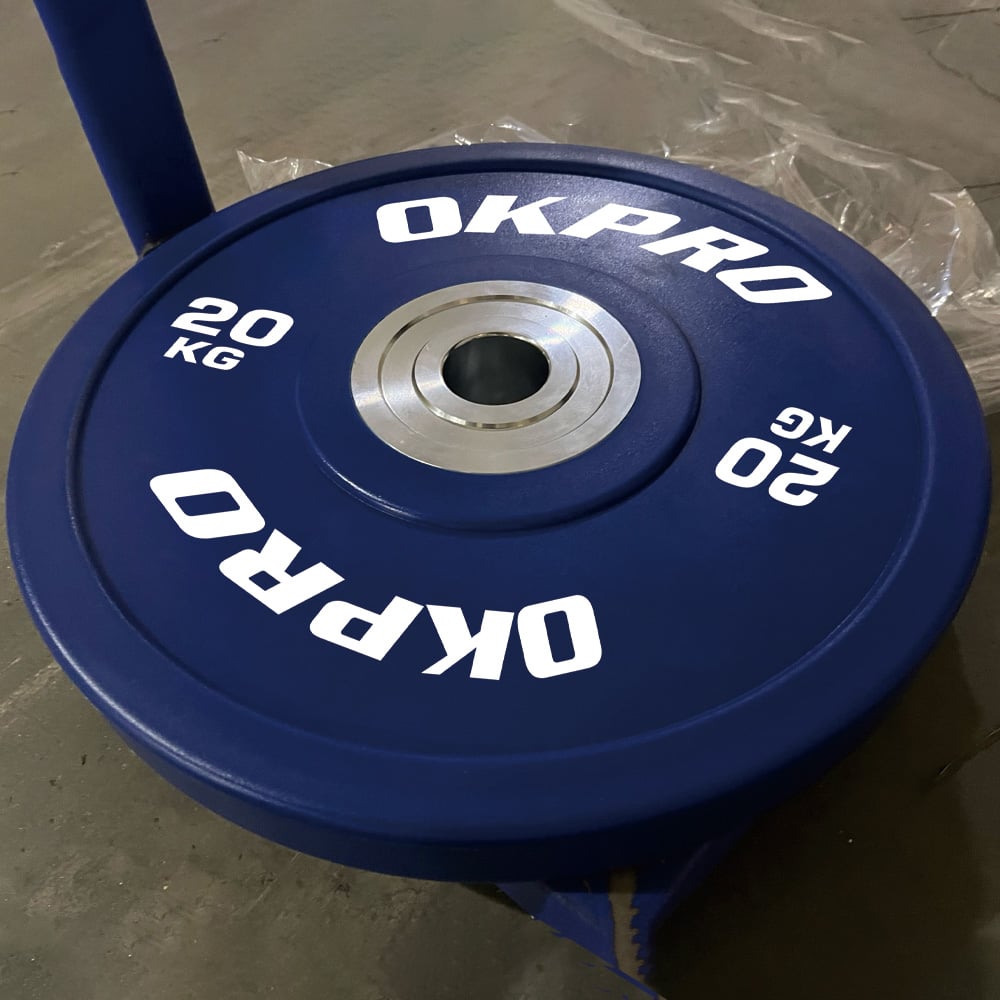
When it comes to Olympic lifting, the equipment you choose directly affects your performance, safety, and the longevity of your training environment. Among all the gear involved, bumper plates stand out as one of the most critical components. Unlike standard iron plates, bumper plates are designed to absorb impact when dropped from overhead, making them indispensable for movements like the snatch and the clean and jerk. Choosing the right bumper plates means understanding not just the rubber composition, but also the internal hardware that holds everything together.
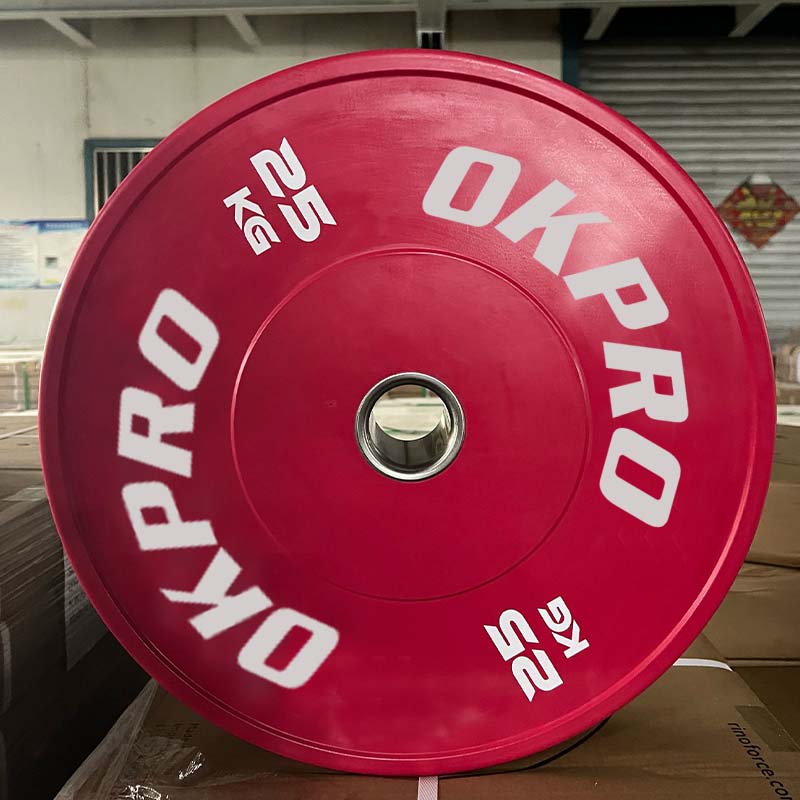
The steel inner ring is one of the most important structural features of any quality set of bumper plates. It is the interface between the plate and the barbell sleeve, and its integrity directly determines how safely and reliably bumper plates perform under repeated high-impact use. Athletes and coaches who invest in bumper plates with reinforced steel inserts consistently report fewer equipment failures, better plate concentricity, and a safer training environment overall. This article explains what to look for when selecting bumper plates with secure steel inner rings for serious Olympic lifting programs.
Why Steel Inner Rings Matter in Bumper Plates
The Structural Role of the Inner Ring
Every set of bumper plates has a central opening that fits over the barbell sleeve. In lower-quality bumper plates, this opening is simply molded into the rubber, leaving the inner bore vulnerable to deformation over time. When bumper plates are dropped repeatedly from overhead — as they are in Olympic lifting — the impact force travels directly through the rubber body toward the center. Without a steel ring reinforcing that center, bumper plates begin to warp, develop uneven bores, and eventually wobble on the bar. This wobble is not just annoying; it is a safety hazard that can affect barbell control during a heavy lift.
Steel inner rings in bumper plates serve as a rigid anchor point that distributes impact forces more evenly through the rubber body. High-quality bumper plates use a stainless or chrome steel insert that is precisely machined to match standard Olympic barbell tolerances. This tight fit keeps bumper plates centered, prevents lateral movement on the sleeve, and dramatically extends the usable life of the plates. When evaluating bumper plates for an Olympic lifting program, the inner ring is the single most important structural element to inspect.
How Inner Ring Integrity Affects Barbell Performance
Bumper plates with degraded or poorly fitted inner rings create slop on the barbell sleeve. This means the plates shift slightly during a lift, altering the balance point of the bar and making the athlete work harder to stabilize the load. In competitive Olympic lifting, even minor imbalances can disrupt timing and technique. For training purposes, consistently using bumper plates with tight, secure steel inserts helps athletes develop better proprioception and more accurate movement patterns. The steel ring in bumper plates is therefore not just a durability feature — it is a performance feature.
Key Selection Criteria for Bumper Plates
Rubber Compound and Steel Ring Integration
The quality of bumper plates depends heavily on how well the rubber compound bonds with the steel inner ring. In premium bumper plates, the rubber is vulcanized directly onto the steel insert under high pressure and temperature. This creates a chemical and mechanical bond that resists separation even after thousands of drops. Cheaper bumper plates often rely on adhesives or simple press fits, which tend to fail under the stresses of Olympic lifting. When inspecting bumper plates, look for a seamless transition between the rubber body and the metal insert. Any visible gap, cracking, or slight rotation of the ring within the rubber body is a sign of poor-quality bumper plates.
The diameter and thickness of the steel insert also matter when comparing bumper plates. A wider steel collar inside bumper plates provides a larger bonding surface area and distributes stress more broadly across the rubber. This is especially important for thinner bumper plates, such as fractional or light-load versions, where the rubber body offers less overall mass to absorb impact. Always verify that the steel inner ring in your bumper plates meets the depth and diameter specifications recommended for competitive or heavy-duty training use.
Tolerance and Fit Specifications for Olympic Use
Olympic-standard bumper plates must fit a 50mm barbell sleeve within a very tight tolerance range. If the bore of your bumper plates is too loose, the plates rattle and shift during a lift. If the bore is too tight, loading and unloading bumper plates becomes a time-consuming frustration during training sessions. The best bumper plates maintain a bore tolerance of approximately 50.4mm to 50.6mm, allowing smooth sleeve insertion while keeping the bumper plates firmly seated. Confirm that the manufacturer of your bumper plates specifies bore diameter clearly and consistently across all weight increments in their product range.
Practical Evaluation of Bumper Plates Before Purchase
Physical Inspection and Quality Indicators
Before committing to any set of bumper plates, a hands-on inspection reveals a great deal about build quality. Run your fingers around the inner bore of the bumper plates and feel for consistent smoothness. Any roughness, burring, or asymmetry in the steel ring indicates lower machining standards. Place the bumper plates on a flat surface and observe whether they sit evenly without rocking, which reflects both rubber consistency and inner ring alignment. Quality bumper plates will also have minimal odor, as excessive rubber smell often indicates lower-grade compound that degrades faster and may not bond as securely to the steel insert.
Weight Accuracy and Long-Term Durability Signals
Reputable bumper plates should fall within plus or minus one percent of their stated weight. Use a calibrated scale to verify this when possible. Significant weight deviation in bumper plates can indicate inconsistent manufacturing processes, which often correlate with equally inconsistent inner ring bonding quality. Also consider the Shore hardness of the rubber used in bumper plates. A durometer reading in the mid-range — typically between 80 and 90 Shore A — provides the right balance of impact absorption and rebound. Bumper plates that are too soft bounce excessively and stress the steel insert; those that are too hard transfer too much shock to the barbell and the floor.
FAQ
What makes steel inner rings essential in bumper plates for Olympic lifting?
Steel inner rings reinforce the central bore of bumper plates, preventing deformation under repeated high-impact drops. Without them, bumper plates develop uneven bores that cause dangerous wobble on the barbell sleeve, compromising both safety and lifting accuracy.
How do I check if bumper plates have high-quality steel inserts?
Inspect bumper plates by feeling the inner bore for smoothness, checking for any visible gap between the rubber and the metal ring, and testing for any ring rotation within the rubber body. Quality bumper plates will show no separation, roughness, or movement at the steel-rubber interface.
Are all bumper plates suitable for competitive Olympic lifting?
Not all bumper plates meet the standards required for competitive Olympic lifting. Only bumper plates with certified weight accuracy, proper bore tolerances, and vulcanized steel inner rings should be used in competition or high-intensity training environments where safety and consistency are non-negotiable.