 EN
EN


Building a home gym is one of the most rewarding investments a serious athlete or everyday exerciser can make. The right fitness equipment transforms an unused room, garage, or basement into a dedicated training space that supports your goals every single day. Whether you are focused on strength, conditioning, or general health, selecting quality fitness equipment is the first step toward a gym you will actually use consistently.
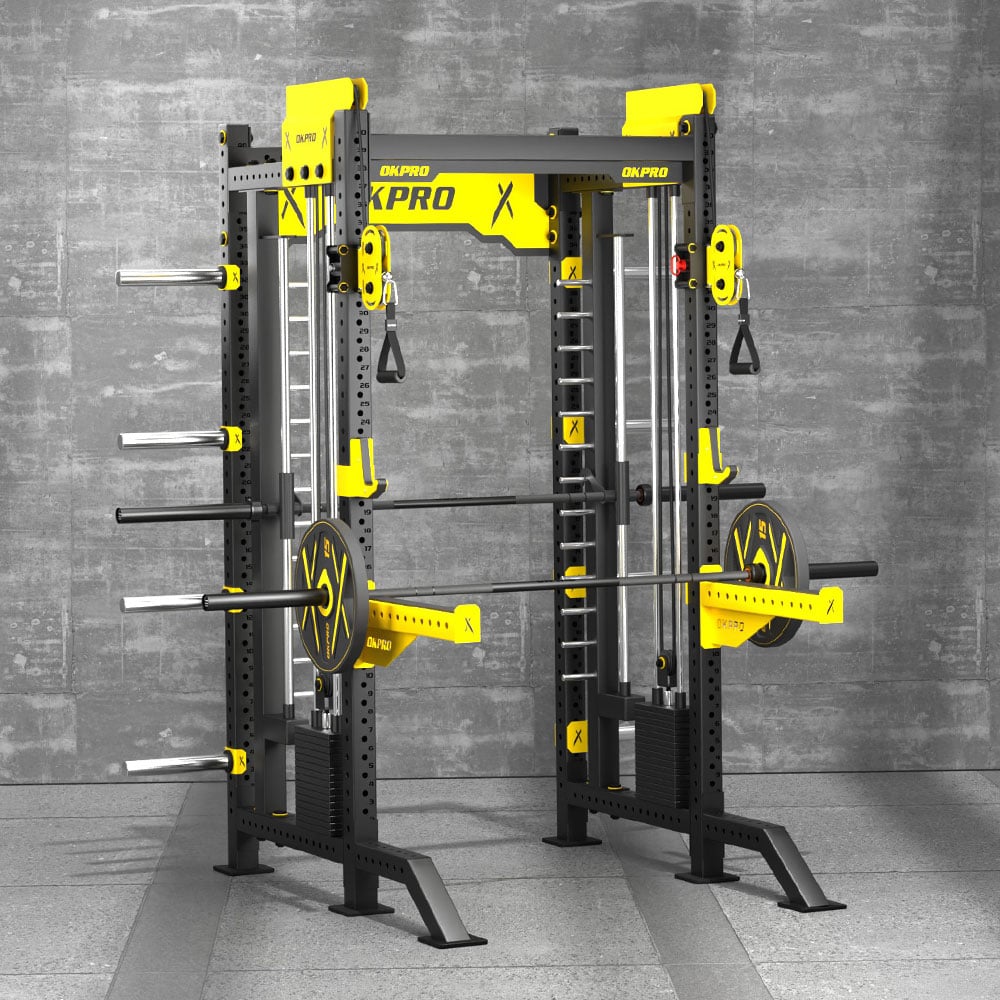
Many people underestimate how much the quality of their fitness equipment affects motivation, safety, and long-term progress. Cheap or poorly designed fitness equipment wears out quickly, limits your exercise variety, and can increase injury risk. By contrast, well-chosen fitness equipment that is built for performance gives you the reliability and versatility needed to follow structured programs without interruption. This guide walks you through how to evaluate, select, and arrange fitness equipment to genuinely transform your home gym.
Understanding What Your Home Gym Needs
Assessing Your Training Goals and Space
Before purchasing any fitness equipment, you need a clear picture of your training objectives. A person focused on powerlifting needs very different fitness equipment compared to someone building a cardio-heavy routine. Strength-focused athletes prioritize fitness equipment such as power racks, barbells, and weight plates, while those interested in functional fitness look for fitness equipment that supports dynamic movement patterns. Defining your goals first prevents costly mistakes and ensures every piece of fitness equipment earns its place in your gym.
Space is equally important when planning your fitness equipment layout. Measure your available floor area carefully and map out where each major piece of fitness equipment will sit. Power racks and cable machines require generous overhead and lateral clearance, so factoring in those dimensions early saves frustration later. When fitness equipment is positioned with movement flow in mind, workouts feel more efficient and transitions between exercises are smoother.
Prioritizing Essential Fitness Equipment First
Starting with foundational fitness equipment gives you the widest training range per dollar spent. A high-quality power rack is considered the centerpiece of strength-focused fitness equipment because it enables squats, bench press, pull-ups, and rack pulls all within a single unit. Pairing a power rack with an adjustable barbell and a set of plates gives you access to hundreds of compound movements using minimal fitness equipment. This approach is far more practical than filling a room with single-purpose fitness equipment that quickly becomes redundant.
Choosing Fitness Equipment That Lasts
Build Quality and Material Standards
Not all fitness equipment is manufactured to the same standard, and the differences become apparent quickly under regular use. Commercial-grade fitness equipment is built with thicker steel, reinforced welds, and higher weight capacities than entry-level residential fitness equipment. Investing in commercial-grade fitness equipment for a home gym means the structure remains safe and stable for years without wobbling, creaking, or degrading under heavy loads. When evaluating fitness equipment, check the gauge of steel used in the frame, the quality of the pulleys if present, and whether the finish resists rust and wear.
Upholstery, padding, and safety mechanisms are also critical details in fitness equipment selection. Benches and seats covered with dense, durable foam maintain their shape and support far longer than budget fitness equipment with thin padding that compresses after minimal use. Safety catches and spotter arms on power rack fitness equipment must lock securely and hold significant load without flexing. These details separate fitness equipment that performs reliably from fitness equipment that becomes a liability.
Versatility as a Key Selection Criterion
The best home gym fitness equipment earns high marks for versatility because it supports multiple training modalities without requiring additional purchases. A power rack with integrated cable attachments is a prime example of fitness equipment that multiplies its own value. Adjustable dumbbells are another category of fitness equipment that replaces an entire dumbbell rack while occupying a fraction of the space. When each piece of fitness equipment handles multiple roles, your gym becomes more powerful even in a limited footprint.
Modular fitness equipment systems allow you to add accessories over time, which is an ideal approach for home gyms that are built gradually. Starting with a core piece of fitness equipment and expanding with compatible attachments keeps your investment focused. This strategy also means your fitness equipment grows with your skill level rather than becoming obsolete as your training advances.
Arranging Fitness Equipment for Maximum Performance
Creating a Functional Gym Layout
How you arrange fitness equipment inside your gym has a direct impact on your workout quality. Placing heavy strength fitness equipment such as racks and platforms along walls or in corners maximizes usable open floor space for dynamic movements. Cardio fitness equipment works well near windows or ventilation sources to keep the area comfortable during sustained sessions. Keeping fitness equipment organized and accessible reduces the time you spend setting up and encourages more consistent training habits.
Storage solutions integrated with your fitness equipment setup prevent clutter and protect your investment. Wall-mounted holders for barbells, vertical plate trees, and dumbbell racks are examples of fitness equipment accessories that keep the gym floor clear. A tidy fitness equipment arrangement also reduces the risk of tripping hazards, which is especially important when moving quickly between exercises during circuit training.
Flooring and Safety Considerations
Proper flooring beneath your fitness equipment protects both the equipment and your floor surface. Rubber flooring tiles absorb impact from dropped weights, reduce vibration transferred to the building structure, and provide a non-slip surface under fitness equipment during heavy lifts. Without appropriate flooring, fitness equipment feet can scratch, dent, or damage the surface beneath, and vibration can loosen bolts in the fitness equipment frame over time. Treating flooring as part of your overall fitness equipment investment ensures a safe and durable training environment.
FAQ
What is the most important piece of fitness equipment for a home gym?
A power rack is widely regarded as the most important piece of fitness equipment for a strength-focused home gym. It supports a broad range of compound lifts and provides built-in safety features, making it the most versatile single unit of fitness equipment available for home training.
How much fitness equipment do I need to start a home gym?
You do not need a large quantity of fitness equipment to begin. A power rack, a barbell, and a set of weight plates represent the core fitness equipment needed to perform the majority of effective strength training exercises. From that foundation, you can add fitness equipment progressively as your goals evolve.
Is commercial fitness equipment worth buying for a home gym?
Yes, commercial fitness equipment is often worth the higher upfront cost for serious home gym users. Commercial fitness equipment is engineered for daily heavy use, which means it lasts significantly longer and maintains its safety standards better than budget residential fitness equipment. Over a five-year period, quality commercial fitness equipment typically offers a lower total cost than repeatedly replacing cheaper fitness equipment.