 EN
EN

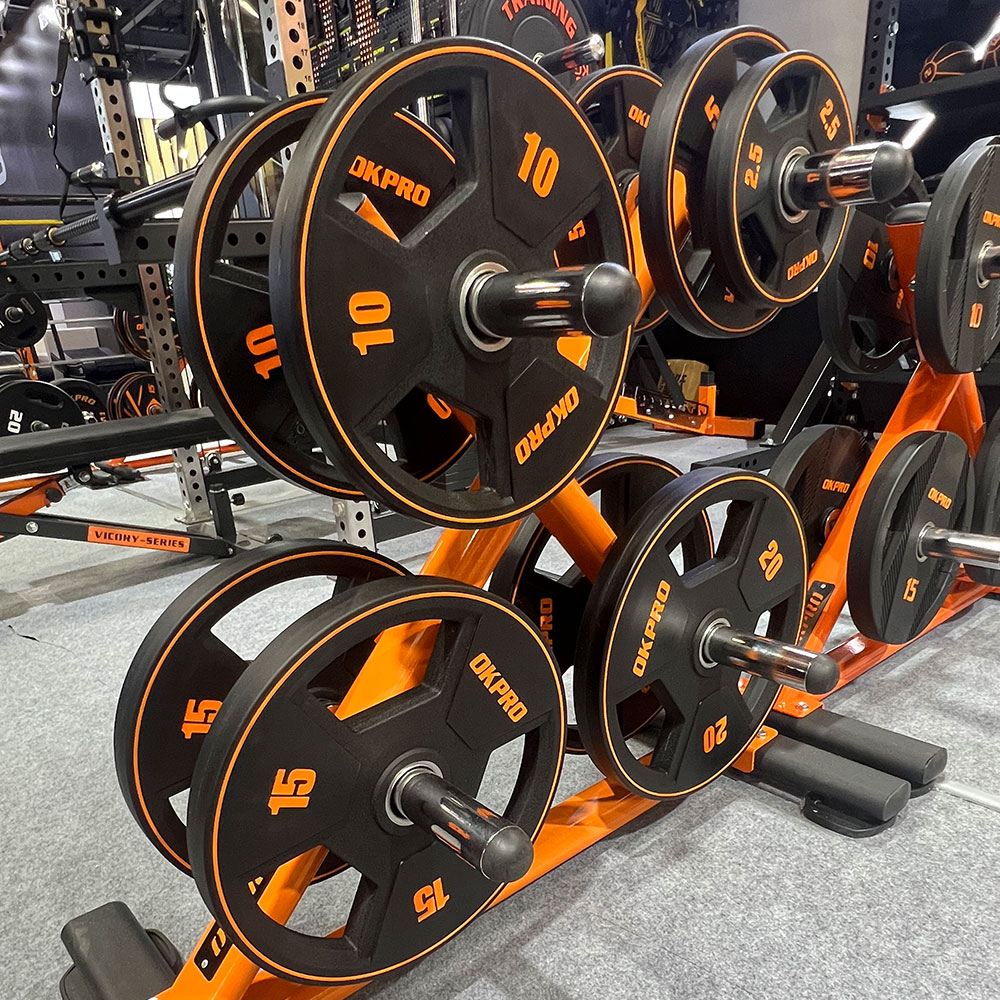
Weight training equipment faces tremendous physical demands in commercial gyms and professional athletic facilities. Among all fitness equipment components, weight plates endure some of the most punishing conditions, repeatedly dropped, stacked, and loaded onto barbells thousands of times throughout their operational lifespan. The question of how these essential fitness tools maintain their precision and reliability under such constant stress reveals a fascinating intersection of materials science, manufacturing precision, and quality control protocols that ensure accurate weight measurements remain consistent over years of intensive use.
Material Engineering and Durability Factors
Advanced Rubber Compound Formulations
Modern weight plate manufacturing relies heavily on sophisticated rubber compound engineering to achieve both durability and weight accuracy. Premium rubber weight plates incorporate high-density materials that resist compression and deformation under repeated stress cycles. The rubber compounds used in quality weight plates contain specific ratios of natural and synthetic rubber polymers, reinforced with carbon black and other strengthening agents that prevent material degradation over time. These carefully formulated compounds maintain their structural integrity even after thousands of loading cycles, ensuring that the weight plate retains its original mass specifications throughout its operational lifetime.
The selection of appropriate rubber hardness levels plays a crucial role in maintaining accuracy under constant use. Manufacturers typically employ durometer readings between 80-95 Shore A hardness to balance flexibility with structural stability. This optimal hardness range allows the rubber weight plate to absorb impact forces while preventing permanent deformation that could alter the plate's weight distribution or overall mass. Advanced vulcanization processes further enhance the molecular cross-linking within the rubber matrix, creating a more resilient material structure that resists wear patterns and maintains dimensional stability under repetitive loading conditions.
Core Material Integration and Density Control
The internal core materials of quality weight plates undergo precise density control measures to ensure consistent weight accuracy throughout the product's lifespan. High-grade cast iron or steel cores provide the primary mass component, while the surrounding rubber coating protects against corrosion and impact damage. The integration between core and coating materials requires specialized bonding techniques that prevent separation or shifting during use, which could compromise weight accuracy. Manufacturers employ molecular adhesion processes and mechanical interlocking systems to create permanent bonds between the metallic core and rubber exterior, ensuring that the weight distribution remains uniform and stable over time.
Quality control protocols during the core manufacturing process involve multiple density verification stages to guarantee that each weight plate meets exact specifications. Advanced metallurgy techniques control the grain structure and composition of the core materials, eliminating internal voids or inconsistencies that could affect long-term accuracy. The precise control of core material density, combined with accurate volume measurements, ensures that each rubber weight plate achieves its target weight within extremely tight tolerances, typically maintaining accuracy within 1-2% of stated specifications even after extended use periods.
Manufacturing Precision and Quality Assurance
Calibrated Production Processes
The manufacturing precision required to maintain weight accuracy begins with calibrated production equipment and standardized process controls. Modern weight plate facilities employ computer-controlled molding systems that regulate temperature, pressure, and timing parameters throughout the production cycle. These automated systems ensure consistent material distribution and eliminate human error variables that could compromise accuracy. Each production run undergoes continuous monitoring to verify that dimensional specifications and weight targets remain within acceptable tolerances, with real-time adjustments made to maintain optimal manufacturing conditions.
Advanced measurement technologies integrated into the production process provide immediate feedback on weight accuracy and dimensional consistency. Digital scale systems with precision capabilities measuring to 0.1% accuracy verify each completed weight plate before packaging and distribution. Statistical process control methods track production variations and identify trends that might indicate equipment wear or process drift, allowing for proactive maintenance and calibration adjustments. This comprehensive monitoring approach ensures that every rubber weight plate leaving the facility meets stringent accuracy standards that will be maintained throughout its operational life.
Multi-Stage Testing and Verification Protocols
Quality assurance protocols for weight plate manufacturing include extensive testing procedures that simulate real-world usage conditions and verify long-term accuracy retention. Drop testing protocols subject weight plates to repeated impact forces equivalent to years of normal gym use, measuring any changes in weight or dimensional specifications after each testing phase. These accelerated aging tests help manufacturers identify potential weakness points and refine their production processes to enhance durability and accuracy retention under actual usage conditions.
Environmental testing protocols expose weight plates to temperature variations, humidity cycles, and chemical exposure scenarios that might be encountered in different facility environments. The testing procedures verify that rubber compounds maintain their properties across a wide range of conditions, ensuring that weight accuracy remains stable regardless of storage or usage environments. Fatigue testing involves cyclic loading that simulates thousands of repetitions of normal use patterns, confirming that both the rubber coating and internal core materials maintain their structural integrity and weight specifications throughout extended use periods.

Design Features That Preserve Long-Term Accuracy
Impact Absorption and Force Distribution
The design characteristics of quality weight plates incorporate specific features that protect accuracy-critical components from damage during normal use. Rubber coatings serve multiple protective functions beyond simple surface protection, acting as impact absorbers that distribute forces across the entire plate structure rather than concentrating stress at specific points. The thickness and durometer specifications of rubber coatings are carefully calculated to provide optimal protection while maintaining precise weight targets and dimensional requirements.
Strategic placement of reinforcement elements within the rubber coating helps maintain structural integrity around high-stress areas such as loading holes and edge zones. These reinforced sections prevent crack initiation and propagation that could compromise the protective barrier and potentially affect weight accuracy over time. The geometric design of the rubber weight plate profile also contributes to force distribution, with rounded edges and smooth transitions that minimize stress concentrations and reduce the likelihood of damage during handling and use.
Corrosion Resistance and Environmental Protection
Environmental factors pose significant challenges to maintaining weight accuracy in fitness equipment, particularly in facilities with high humidity levels or exposure to cleaning chemicals. Quality rubber weight plates incorporate corrosion-resistant core materials and protective coating systems that prevent oxidation and chemical degradation that could alter the plate's mass properties. The rubber coating serves as an effective barrier against moisture infiltration, preventing rust formation on internal metal components that could change the weight characteristics or compromise structural integrity.
Chemical resistance properties of premium rubber compounds ensure compatibility with standard gym cleaning products and disinfectants without experiencing material degradation or swelling that could affect accuracy. The molecular structure of these specialized rubber formulations resists absorption of oils, solvents, and other chemicals commonly encountered in fitness environments. This chemical stability maintains consistent material properties and prevents gradual changes in density or volume that could compromise weight accuracy over extended exposure periods.
Maintenance Practices That Support Accuracy Retention
Proper Handling and Storage Protocols
The long-term accuracy of weight plates depends significantly on proper handling practices and storage protocols implemented by facility operators and users. Controlled dropping techniques and appropriate loading procedures minimize impact forces and reduce the risk of structural damage that could affect weight accuracy. Training programs for gym staff and users emphasize handling methods that preserve equipment integrity while maintaining safe operational practices during weight plate loading and unloading activities.
Storage systems designed to support weight plates properly prevent deformation and stress concentrations that could develop during extended periods of inactivity. Vertical storage racks with appropriate spacing and horizontal stacking methods that distribute weight evenly help maintain the structural integrity of rubber weight plate systems. Climate-controlled storage environments protect against temperature fluctuations and humidity variations that could affect rubber properties and dimensional stability over time.
Regular Inspection and Calibration Procedures
Systematic inspection protocols enable early detection of wear patterns or damage that could compromise weight accuracy before significant problems develop. Visual inspections focus on rubber coating integrity, checking for cracks, tears, or separation that might indicate structural problems or allow environmental contamination of internal components. Dimensional measurements verify that plates maintain their specified thickness and diameter specifications, while weight verification procedures using calibrated scales confirm continued accuracy within acceptable tolerances.
Periodic calibration checks using certified reference weights provide objective verification of continued accuracy and help identify gradual changes that might indicate developing problems. Documentation of inspection results and calibration data enables trending analysis that can predict maintenance needs and optimize replacement schedules. These proactive maintenance approaches maximize the operational lifespan while ensuring consistent accuracy throughout the service period of each rubber weight plate in the facility inventory.
FAQ
How often should weight plates be inspected for accuracy?
Weight plates should undergo visual inspection monthly for obvious damage, with formal accuracy verification performed annually using calibrated scales. High-use commercial facilities may benefit from semi-annual weight verification to ensure continued precision. Any plates showing visible damage, unusual wear patterns, or suspected accuracy issues should be immediately removed from service and professionally evaluated.
What factors most commonly cause weight plate accuracy to degrade over time?
The primary factors affecting long-term accuracy include repeated impact damage from improper dropping, corrosion of internal metal components due to moisture infiltration, and gradual rubber degradation from environmental exposure. Poor storage practices that create stress concentrations and exposure to incompatible chemicals can also compromise accuracy by altering material properties or causing structural damage.
Can damaged weight plates be repaired while maintaining their original accuracy?
Minor surface damage to rubber coatings may be repairable without affecting accuracy, but any damage to core materials or significant rubber deterioration typically cannot be repaired while maintaining original precision. Professional assessment is recommended for any damaged plates, as attempted repairs of accuracy-critical components often introduce additional variations that compromise reliability.
How do temperature variations affect weight plate accuracy?
Temperature changes cause thermal expansion and contraction of both rubber and metal components, but quality weight plates are designed to minimize these effects on overall accuracy. Extreme temperature variations can affect rubber flexibility and may cause temporary dimensional changes, but properly manufactured plates return to original specifications when temperatures normalize. Storage in climate-controlled environments helps maintain optimal accuracy and extends operational lifespan.