 EN
EN

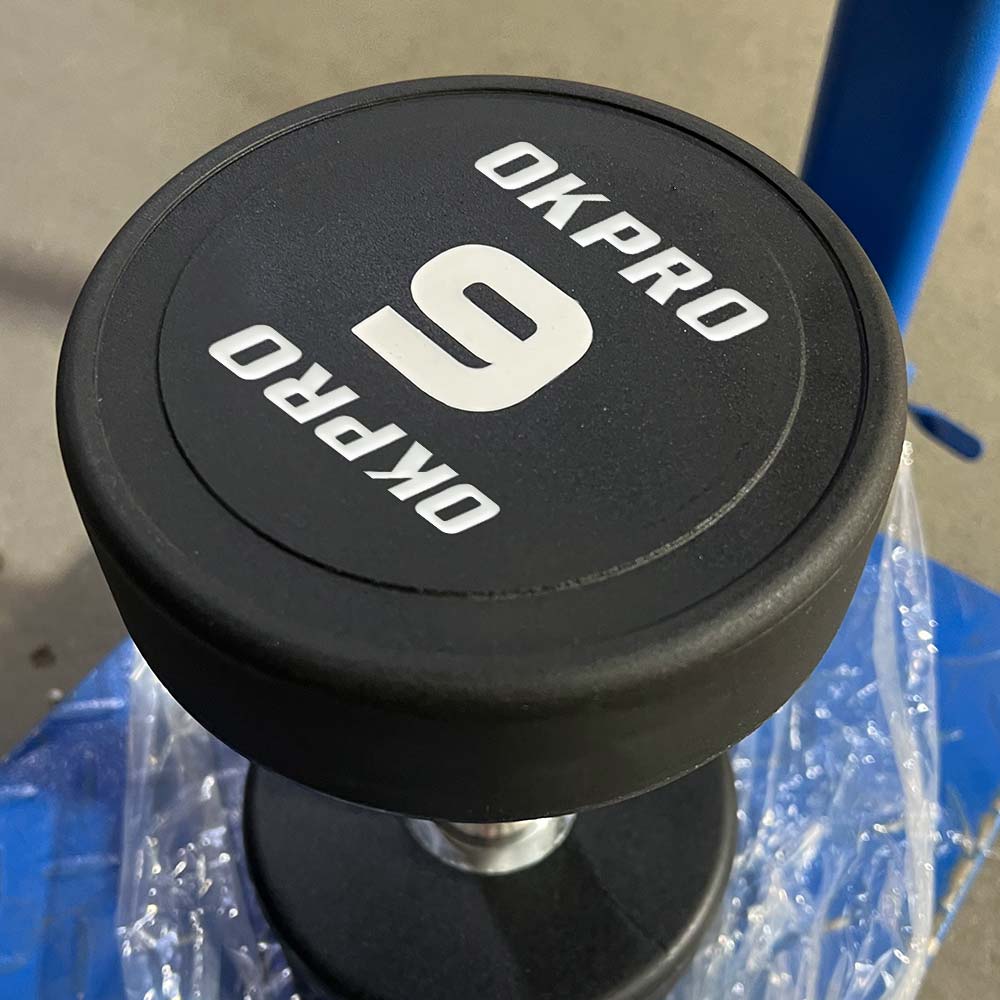
The commercial fitness industry demands equipment that withstands constant use while maintaining safety and performance standards. When B2B buyers evaluate professional dumbbells for their facilities, understanding the critical selection criteria becomes essential for making informed purchasing decisions. These fitness essentials require careful consideration of multiple factors to ensure long-term value and customer satisfaction.
Commercial fitness environments present unique challenges that distinguish them from residential settings. High-volume usage, diverse user demographics, and operational efficiency requirements create a demanding environment where only the most robust equipment survives. Professional dumbbells must deliver consistent performance across thousands of repetitions daily while maintaining their structural integrity and aesthetic appeal.
The investment in quality commercial-grade dumbbells represents a significant financial commitment that directly impacts facility operations, member satisfaction, and long-term profitability. Understanding the key evaluation criteria helps procurement professionals make decisions that align with their operational goals and budget constraints.
Material Quality and Construction Standards
Urethane Coating Technology
Urethane coatings have emerged as the premium choice for commercial dumbbell applications due to their exceptional durability and performance characteristics. This advanced polymer material offers superior resistance to chipping, cracking, and wear compared to traditional rubber or vinyl alternatives. The molecular structure of urethane provides excellent impact absorption while maintaining dimensional stability under extreme temperature variations.
Professional dumbbells with urethane coatings demonstrate remarkable longevity in high-traffic environments. The non-porous surface prevents bacterial growth and simplifies sanitization protocols, a critical consideration in post-pandemic facility management. Additionally, urethane maintains its color integrity and professional appearance throughout years of intensive use, protecting the facility's brand image and member experience.
The chemical resistance properties of urethane coatings protect against cleaning agents and disinfectants commonly used in commercial facilities. This resistance ensures that regular sanitization procedures do not compromise the equipment's structural integrity or aesthetic appeal, maintaining operational efficiency and equipment lifecycle value.
Core Construction Methods
The internal construction of professional dumbbells significantly influences their performance characteristics and durability. Solid steel cores provide optimal weight distribution and balance, ensuring consistent user experience across repetitions. The manufacturing precision required for solid core construction translates to superior longevity and reduced maintenance requirements.
Alternative construction methods, such as cement-filled or sand-filled cores, may offer initial cost savings but frequently compromise long-term performance. These alternatives often experience settling or shifting of internal materials, leading to balance issues and potential safety concerns in commercial environments.
The welding quality and joint integrity of handle-to-head connections represent critical failure points in dumbbell construction. Professional-grade equipment utilizes precision welding techniques and stress-testing protocols to ensure these connections withstand the repetitive stresses of commercial use without compromising user safety or equipment performance.
Ergonomic Design Features
Handle Specifications
Handle diameter and knurling patterns directly impact user comfort and safety during exercise performance. Professional dumbbells typically feature handles with diameters ranging from 32mm to 35mm, optimized for diverse hand sizes and grip preferences. The knurling depth and pattern must provide adequate grip security without causing excessive hand fatigue during extended workout sessions.
Chrome-plated handles offer superior corrosion resistance and maintain their appearance despite constant contact with perspiration and cleaning agents. The electroplating process creates a durable surface that resists wear while providing the tactile feedback necessary for secure grip maintenance throughout exercise movements.
Handle length considerations become particularly important in commercial environments where users may employ various grip positions during exercise execution. Adequate handle length accommodates different hand positions while ensuring the weight heads do not interfere with proper movement patterns or create safety hazards.
Weight Head Design
Compact weight head profiles minimize storage space requirements while reducing the risk of equipment interference during exercise performance. Professional dumbbells with streamlined designs allow users to achieve full range of motion without weight head collision, particularly important for exercises involving multiple dumbbells or close-quarters movements.
The shape and contour of weight heads influence both functionality and safety considerations. Hexagonal or 12-sided designs prevent rolling when placed on floors or storage surfaces, reducing trip hazards and equipment damage risks. Round profiles, while traditional, may require additional storage considerations to prevent unwanted movement.
Weight distribution balance ensures that the center of gravity remains consistent across the dumbbell range, providing predictable handling characteristics regardless of weight selection. This consistency becomes particularly important in commercial settings where users frequently transition between different weights during workout routines.

Weight Range and Progression Options
Commercial Weight Increments
Professional facilities require comprehensive weight ranges that accommodate users from rehabilitation patients to elite athletes. Standard commercial sets typically range from 5 pounds to 150 pounds, with specific increment patterns designed to support progressive overload training methodologies. The increment spacing affects user progression capabilities and overall facility functionality.
Smaller increments in lighter weights support rehabilitation and beginner training protocols, while larger increments in heavier weights optimize storage efficiency and cost considerations. Professional dumbbells often follow increment patterns of 2.5-pound increases up to 50 pounds, followed by 5-pound increments through the upper weight ranges.
Specialized facilities may require extended weight ranges or custom increment patterns to serve specific user populations. The flexibility to customize weight offerings allows facilities to optimize their equipment investment while meeting their unique operational requirements and member demographics.
Storage Integration
Modern professional dumbbells incorporate design features that facilitate efficient storage and organization systems. Consistent head profiles and dimensions enable tight storage configurations that maximize floor space utilization while maintaining easy access for users and facility staff.
Weight identification systems must remain visible and legible from storage positions, allowing users to quickly locate desired weights without disrupting nearby equipment or users. Clear, contrasting number displays and color coding systems enhance user experience while reducing congestion around storage areas.
The compatibility between dumbbells and storage rack systems affects both initial setup costs and long-term operational efficiency. Professional dumbbells designed with standardized dimensions ensure compatibility with various rack manufacturers and future facility expansion plans.
Safety and Compliance Considerations
Industry Standards Adherence
Professional dumbbells must comply with relevant industry standards and certification requirements to ensure user safety and facility liability protection. Organizations such as the International Health, Racquet & Sportsclub Association establish guidelines for commercial fitness equipment specifications and testing protocols.
Weight accuracy tolerances become critical in commercial environments where users rely on consistent resistance for training progression and safety. Professional-grade dumbbells typically maintain weight tolerances within 2-3% of stated values, ensuring predictable performance characteristics across the entire weight range.
Third-party testing and certification processes provide independent verification of equipment performance and safety characteristics. These certifications offer procurement professionals confidence in their equipment selections while providing documentation for insurance and regulatory compliance requirements.
Liability Risk Management
Equipment failure modes and their potential consequences require careful evaluation during the selection process. Professional dumbbells with proven track records in commercial environments demonstrate their ability to withstand intensive use without compromising user safety or facility operations.
Proper weight marking and identification systems prevent user errors that could result in injury or equipment damage. Clear, permanent markings that resist wear and cleaning protocols ensure accurate weight selection throughout the equipment lifecycle.
Manufacturer warranty terms and support policies provide insight into product quality expectations and long-term cost considerations. Comprehensive warranty coverage reflects manufacturer confidence in product durability while protecting the facility's equipment investment.
Cost Analysis and Value Assessment
Total Cost of Ownership
The initial purchase price represents only one component of the total cost of ownership for professional dumbbells. Maintenance requirements, replacement frequency, and operational impacts must be evaluated to determine true equipment value over the facility's planning horizon.
Higher-quality professional dumbbells often demonstrate superior cost-effectiveness over extended periods despite higher initial investments. Reduced maintenance requirements, extended service life, and improved user satisfaction contribute to better return on investment calculations for commercial facilities.
Energy and labor costs associated with equipment maintenance, cleaning, and replacement should be factored into comprehensive cost analyses. Professional dumbbells requiring minimal maintenance reduce ongoing operational expenses while improving facility efficiency.
Budget Optimization Strategies
Phased procurement approaches allow facilities to spread equipment investments over multiple budget cycles while maintaining operational continuity. Strategic weight range prioritization ensures that essential weights are available immediately while less frequently used weights can be added during subsequent phases.
Volume purchasing negotiations with manufacturers or distributors often yield significant cost savings for complete dumbbell sets. Professional buyers should explore package deals, extended payment terms, and additional services that may be available for larger orders.
Leasing options provide alternative financing structures that may align better with facility cash flow requirements and equipment refresh cycles. These arrangements often include maintenance services and upgrade options that simplify long-term equipment management.
FAQ
What weight range should commercial facilities prioritize for professional dumbbells
Commercial facilities should prioritize a weight range from 5 pounds to 100 pounds with 5-pound increments, as this covers 95% of user requirements in most fitness environments. Lighter weights (5-25 pounds) serve rehabilitation, elderly users, and isolation exercises, while moderate weights (30-75 pounds) accommodate general fitness enthusiasts. Heavier weights (80-100+ pounds) satisfy advanced users and powerlifting applications. Facilities serving specialized populations may require extended ranges, but the 5-100 pound range provides optimal versatility for most commercial applications.
How does urethane coating compare to rubber coating for professional dumbbells
Urethane coating significantly outperforms rubber coating in commercial applications due to superior durability, chemical resistance, and aesthetic retention. Urethane maintains its appearance and structural integrity through years of intensive use, while rubber coating often shows wear, cracking, and fading within months in high-volume facilities. Urethane's non-porous surface simplifies sanitization and prevents bacterial growth, while rubber can absorb moisture and odors. Although urethane coating increases initial costs, the extended lifespan and reduced maintenance requirements provide better long-term value for commercial facilities.
What safety features should B2B buyers look for in professional dumbbells
Critical safety features include secure handle-to-head welding with stress-tested joints, non-slip knurling patterns for reliable grip, and anti-roll weight head designs to prevent floor hazards. Professional dumbbells should maintain weight accuracy within 2-3% tolerances for consistent training loads and include permanent, clear weight markings that resist wear and cleaning chemicals. Additional safety considerations include smooth surfaces without sharp edges, balanced weight distribution to prevent unexpected shifts during exercise, and compliance with relevant industry safety standards and certifications.
How important is warranty coverage when selecting professional dumbbells for commercial use
Warranty coverage serves as both quality assurance and financial protection for commercial dumbbell investments. Professional-grade dumbbells should include comprehensive warranties covering manufacturing defects, coating integrity, and structural components for minimum periods of 2-3 years. Extended warranty periods indicate manufacturer confidence in product durability and provide facilities with protection against premature equipment failure. Warranty terms should clearly define coverage limitations, replacement procedures, and service response times to ensure minimal operational disruption if issues arise during the warranty period.
Table of Contents
- Material Quality and Construction Standards
- Ergonomic Design Features
- Weight Range and Progression Options
- Safety and Compliance Considerations
- Cost Analysis and Value Assessment
-
FAQ
- What weight range should commercial facilities prioritize for professional dumbbells
- How does urethane coating compare to rubber coating for professional dumbbells
- What safety features should B2B buyers look for in professional dumbbells
- How important is warranty coverage when selecting professional dumbbells for commercial use