 EN
EN

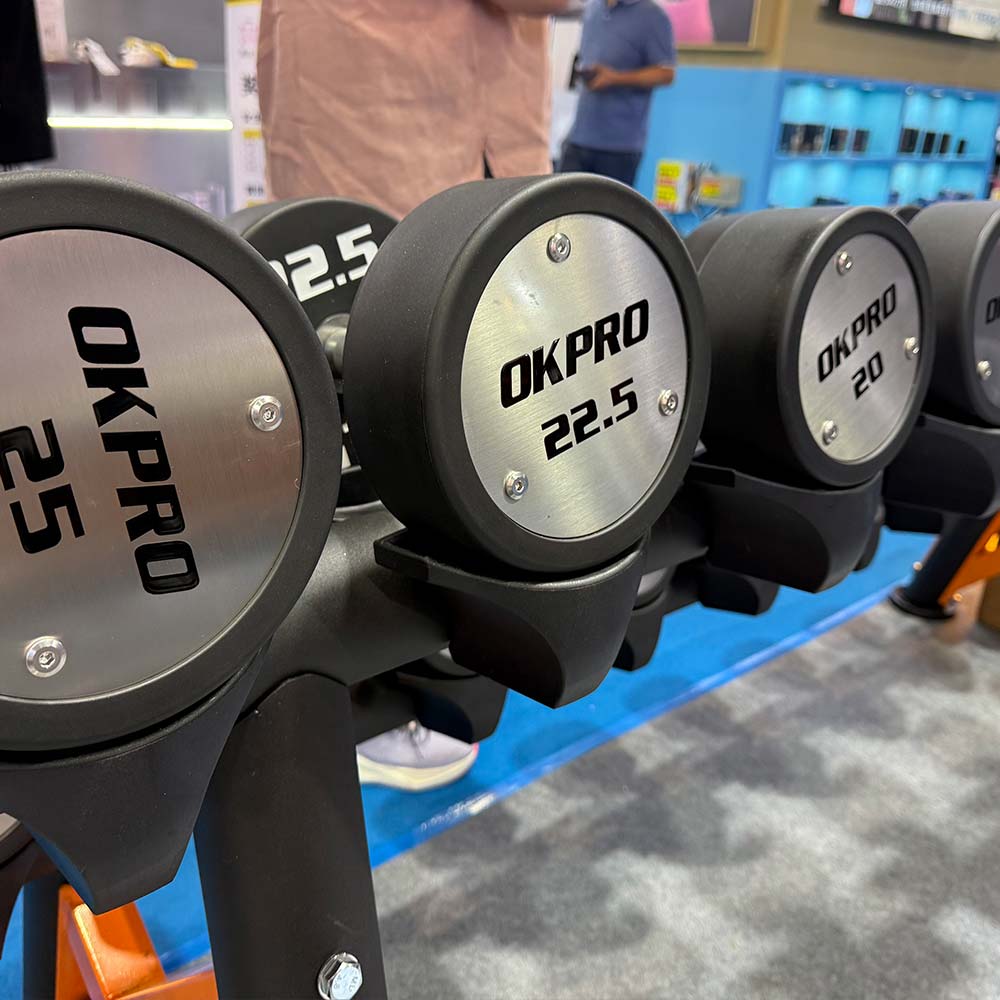
Professional fitness facilities and commercial gyms require equipment that withstands intensive daily use while maintaining exceptional performance standards. When evaluating dumbbell quality for long-term commercial applications, facility managers must consider numerous factors that directly impact equipment longevity, user safety, and operational costs. The selection process involves careful assessment of construction materials, manufacturing precision, and design elements that contribute to overall durability and functionality.

Commercial-grade dumbbells represent a significant investment for fitness facilities, making thorough quality evaluation essential before procurement decisions. Understanding the key indicators of superior dumbbell quality enables facility operators to make informed choices that maximize equipment lifespan while minimizing maintenance requirements. The evaluation process encompasses material composition, manufacturing techniques, ergonomic design principles, and long-term performance characteristics that define premium commercial fitness equipment.
Material Composition and Construction Standards
Core Material Selection
The foundation of exceptional dumbbell quality lies in the selection of appropriate core materials that provide optimal strength-to-weight ratios. High-grade cast iron remains the industry standard for commercial applications, offering superior durability and consistent weight distribution throughout the equipment's operational lifespan. Premium manufacturers utilize specialized iron alloys that resist cracking under extreme stress conditions while maintaining dimensional stability across varying environmental conditions.
Advanced casting techniques ensure uniform density distribution throughout the dumbbell head, eliminating weak points that could compromise structural integrity during intensive use. The casting process involves precise temperature control and cooling procedures that enhance material properties and reduce internal stress concentrations. Quality manufacturers implement rigorous material testing protocols to verify composition consistency and mechanical properties that meet or exceed industry performance standards.
Coating Technology and Surface Treatment
Surface coating technology plays a crucial role in determining long-term dumbbell quality and performance characteristics in commercial environments. Premium rubber coatings provide excellent impact resistance while protecting facility flooring and reducing noise levels during exercise routines. The coating thickness and adhesion properties directly influence equipment longevity and user experience throughout the product lifecycle.
Modern coating systems incorporate advanced polymer formulations that resist wear, cracking, and environmental degradation caused by moisture, temperature fluctuations, and chemical exposure. Multi-layer coating applications enhance durability by providing redundant protection layers that maintain performance even when surface layers experience normal wear patterns. Quality evaluation should include assessment of coating uniformity, adhesion strength, and resistance to common gym cleaning chemicals and disinfectants.
Handle Design and Ergonomic Considerations
Grip Diameter and Knurling Patterns
Handle design represents a critical component of overall dumbbell quality, directly impacting user comfort, safety, and exercise effectiveness during extended training sessions. Optimal grip diameter varies based on user demographics and intended applications, with commercial facilities requiring handles that accommodate diverse hand sizes and strength levels. The knurling pattern depth and spacing significantly influence grip security while minimizing hand fatigue during prolonged use.
Premium handle manufacturing involves precision machining techniques that create consistent knurling patterns across the entire grip surface. The knurling depth must provide adequate grip enhancement without causing excessive hand abrasion or discomfort during extended exercise sessions. Quality manufacturers implement standardized knurling specifications that balance grip security with user comfort, ensuring optimal performance across various exercise modalities and user skill levels.
Handle Attachment and Structural Integrity
The connection between handles and weight heads constitutes a critical stress point that determines overall dumbbell quality and operational safety in commercial environments. Welded connections require precise heat treatment and joint preparation to achieve optimal strength characteristics that withstand repetitive loading cycles. Advanced manufacturing processes utilize automated welding systems that ensure consistent penetration and joint quality across production runs.
Threaded connections offer advantages in terms of replaceability and maintenance accessibility, but require careful thread specifications and torque requirements to maintain structural integrity. The thread pitch, engagement length, and locking mechanisms must be designed to prevent loosening under dynamic loading conditions. Dumbbell quality assessment should include evaluation of connection design, manufacturing tolerances, and long-term stability under commercial use conditions.
Weight Accuracy and Calibration Standards
Manufacturing Tolerances and Precision
Accurate weight specifications represent a fundamental aspect of dumbbell quality that directly impacts training effectiveness and user satisfaction in commercial fitness facilities. Premium manufacturers implement stringent quality control procedures that maintain weight tolerances within acceptable ranges throughout production processes. The weight accuracy requirements vary based on intended applications, with commercial facilities typically requiring tighter tolerances than residential products.
Advanced manufacturing techniques utilize precision casting molds and controlled cooling procedures that minimize weight variations between individual units. Post-manufacturing verification processes involve certified scale systems that ensure compliance with specified weight tolerances before product release. Quality evaluation should include assessment of weight consistency across dumbbell pairs and verification of marked weights against actual measured values using calibrated measurement equipment.
Long-Term Weight Stability
Maintaining consistent weight characteristics over extended operational periods requires careful consideration of material properties and environmental factors that influence dimensional stability. Quality dumbbells resist weight changes caused by material corrosion, coating degradation, or structural modifications that occur during normal use cycles. The evaluation process should consider potential weight drift scenarios and manufacturer warranties that address long-term weight accuracy maintenance.
Environmental factors such as humidity, temperature variations, and chemical exposure can influence weight stability over time, particularly in facilities with inadequate climate control systems. Premium dumbbell quality includes resistance to these environmental challenges through appropriate material selection and protective coating systems. Facility managers should evaluate manufacturer specifications regarding acceptable operating environments and expected weight stability performance under various conditions.
Durability Assessment and Lifecycle Performance
Impact Resistance and Drop Testing
Commercial fitness environments subject dumbbells to significant impact forces through normal use patterns, accidental drops, and equipment handling procedures. Evaluating dumbbell quality requires assessment of impact resistance characteristics that determine equipment survival rates under realistic operational conditions. Standardized drop testing procedures provide quantitative data regarding structural integrity and coating performance under controlled impact scenarios.
Premium dumbbells incorporate design features that distribute impact forces effectively while minimizing localized stress concentrations that could lead to structural failure. The head geometry, handle positioning, and overall weight distribution influence impact resistance and determine equipment longevity under challenging use conditions. Quality evaluation should include review of manufacturer testing protocols and performance data that demonstrate compliance with industry durability standards.
Corrosion Resistance and Environmental Durability
Long-term dumbbell quality depends significantly on resistance to corrosion and environmental degradation that occurs in commercial fitness facilities. Exposure to moisture, cleaning chemicals, and varying atmospheric conditions creates challenging operating environments that test material durability and coating performance. Premium products incorporate corrosion-resistant materials and protective systems that maintain performance throughout extended operational periods.
The evaluation process should consider environmental factors specific to the intended installation location, including humidity levels, temperature ranges, and chemical exposure from cleaning procedures. Quality manufacturers provide environmental resistance specifications that define acceptable operating conditions and expected performance parameters. Facility managers should verify that selected equipment meets or exceeds environmental requirements for their specific operational environment.
Manufacturing Quality Control and Certification
Production Standards and Quality Assurance
Comprehensive quality control systems distinguish premium dumbbell manufacturers from standard commercial suppliers, ensuring consistent product performance and reliability across production runs. ISO certification requirements mandate documented quality management systems that address all aspects of manufacturing processes, material handling, and final product inspection procedures. These systems provide assurance that dumbbell quality meets established standards regardless of production timing or facility location.
Advanced manufacturing facilities implement statistical process control methods that monitor critical parameters throughout production cycles. Real-time quality monitoring systems detect variations in material properties, dimensional specifications, and surface finish characteristics before they impact final product quality. Evaluation criteria should include assessment of manufacturer quality certifications, process documentation, and continuous improvement initiatives that enhance product reliability over time.
Testing Protocols and Performance Verification
Rigorous testing protocols validate dumbbell quality characteristics and ensure compliance with industry performance standards before product release to commercial markets. Comprehensive testing programs evaluate structural integrity, weight accuracy, coating adhesion, and environmental resistance through standardized procedures that simulate real-world operating conditions. These testing protocols provide quantitative data supporting manufacturer specifications and performance claims.
Third-party testing services offer independent verification of product performance characteristics, providing objective assessment of dumbbell quality that supports procurement decisions. Certified testing laboratories utilize calibrated equipment and standardized procedures that ensure reproducible results and compliance with industry standards. Facility managers should review available testing documentation and certification records when evaluating potential equipment suppliers and product options.
Cost Analysis and Value Optimization
Total Cost of Ownership Considerations
Evaluating dumbbell quality requires comprehensive analysis of total ownership costs that extend beyond initial purchase prices to include maintenance, replacement, and operational expenses throughout equipment lifecycles. Premium products typically offer superior long-term value through reduced maintenance requirements, extended operational life, and improved user satisfaction that supports facility revenue generation. The analysis should consider both direct and indirect costs associated with equipment ownership and operation.
Maintenance costs vary significantly based on dumbbell quality and design characteristics, with premium products typically requiring minimal intervention during normal operational periods. Replacement part availability, service requirements, and warranty coverage influence long-term ownership costs and should be evaluated as part of the quality assessment process. Facilities operating multiple locations benefit from standardization on quality products that simplify inventory management and maintenance procedures.
Return on Investment Analysis
Superior dumbbell quality contributes to positive return on investment through enhanced user experience, reduced equipment downtime, and improved operational efficiency in commercial fitness facilities. Quality equipment supports member retention and satisfaction levels that directly impact facility revenue generation and profitability metrics. The evaluation process should consider both quantitative and qualitative benefits associated with premium equipment investments.
Long-term performance characteristics of quality dumbbells reduce replacement frequency and associated procurement costs, while minimizing disruption to facility operations during equipment transitions. Premium products often include extended warranty coverage and manufacturer support services that provide additional value and risk mitigation for facility operators. Investment analysis should incorporate these factors when comparing alternatives and determining optimal equipment specifications for specific applications.
FAQ
What are the most important factors when evaluating dumbbell quality for commercial use
The most critical factors include material composition and casting quality, handle design and ergonomics, weight accuracy and consistency, coating durability and adhesion, and overall structural integrity under intensive use conditions. Commercial facilities should prioritize products from manufacturers with documented quality control systems and industry certifications that ensure consistent performance across production runs.
How can facilities verify weight accuracy and long-term stability of commercial dumbbells
Weight verification requires certified scale systems that can accurately measure individual dumbbell weights within specified tolerance ranges. Long-term stability assessment involves reviewing manufacturer specifications regarding environmental resistance and material properties that maintain consistent weight characteristics over extended operational periods. Regular calibration checks using certified equipment help monitor weight consistency throughout the equipment lifecycle.
What coating systems provide the best durability for commercial dumbbell applications
Premium rubber coating systems offer optimal durability for commercial applications through superior impact resistance, chemical resistance, and adhesion properties. Multi-layer coating applications provide enhanced protection and longevity compared to single-layer systems. The coating thickness, polymer formulation, and application process significantly influence long-term performance and should be evaluated based on specific facility requirements and operating conditions.
How do manufacturing quality standards impact long-term dumbbell performance
Manufacturing quality standards directly influence product consistency, reliability, and long-term performance characteristics through standardized processes, material specifications, and quality control procedures. ISO-certified manufacturers implement documented quality management systems that ensure consistent dumbbell quality regardless of production timing or facility location. These standards provide assurance that equipment will meet performance expectations throughout its operational lifecycle in commercial environments.
Table of Contents
- Material Composition and Construction Standards
- Handle Design and Ergonomic Considerations
- Weight Accuracy and Calibration Standards
- Durability Assessment and Lifecycle Performance
- Manufacturing Quality Control and Certification
- Cost Analysis and Value Optimization
-
FAQ
- What are the most important factors when evaluating dumbbell quality for commercial use
- How can facilities verify weight accuracy and long-term stability of commercial dumbbells
- What coating systems provide the best durability for commercial dumbbell applications
- How do manufacturing quality standards impact long-term dumbbell performance