 EN
EN

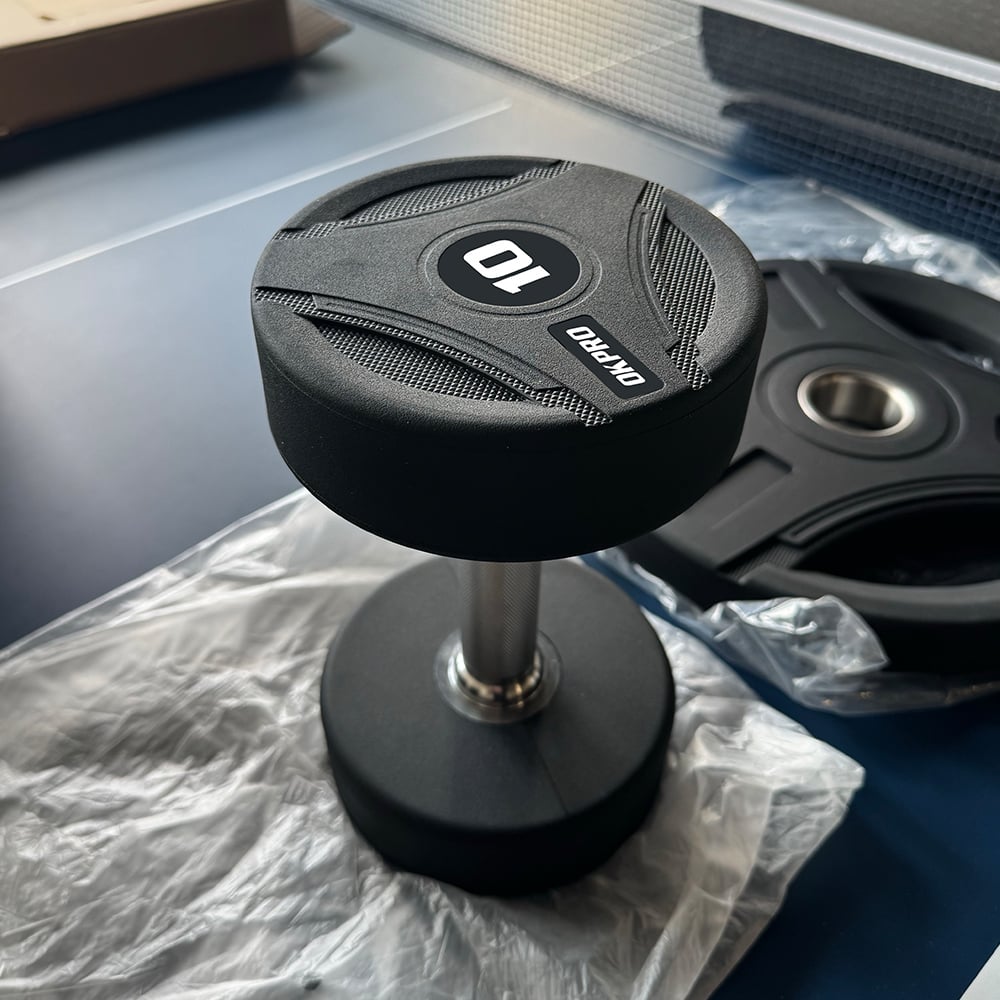
Athletic training programs demand equipment that can withstand rigorous daily use while delivering consistent performance results. The foundation of any serious strength training regimen lies in selecting the right tools, and understanding what makes a dumbbell exceptional is crucial for athletes, coaches, and fitness professionals. Modern heavy-duty athletic programs require equipment that goes beyond basic functionality, incorporating advanced materials, ergonomic design principles, and durability standards that can handle the most demanding workout routines.

Professional athletic environments place extraordinary stress on training equipment, making the selection process critical for long-term program success. A high-quality dumbbell must demonstrate exceptional build quality, precise weight calibration, and ergonomic features that enhance performance while reducing injury risk. These characteristics become even more important when considering the investment required for outfitting complete training facilities and the need for equipment that maintains its integrity across thousands of training sessions.
Essential Design Features for Athletic Performance
Advanced Handle Engineering and Grip Technology
The handle represents the primary interface between athlete and equipment, making its design fundamental to performance outcomes. Premium dumbbell handles incorporate knurled surfaces with specific depth patterns that provide optimal grip security without causing excessive hand fatigue during extended training sessions. The diameter specifications typically range from 25 to 35 millimeters, with variations designed to accommodate different hand sizes and grip preferences common among diverse athletic populations.
Temperature resistance becomes crucial during intense training sessions when grip surfaces can become slippery from perspiration. Advanced handle coatings utilize specialized compounds that maintain friction properties across various environmental conditions, ensuring consistent grip performance regardless of training intensity or duration. The material composition often includes chrome plating or specialized polymer coatings that resist corrosion while providing long-lasting surface integrity.
Weight Distribution and Balance Optimization
Proper weight distribution within a dumbbell directly impacts exercise biomechanics and training effectiveness. Professional-grade models feature precisely engineered weight placement that maintains consistent center of gravity positioning, enabling athletes to perform movements with optimal muscle activation patterns. This balance characteristic becomes particularly important during complex multi-plane exercises where slight weight imbalances can compromise form and potentially increase injury risk.
Manufacturing precision in weight distribution requires advanced production techniques that ensure each dumbbell meets strict tolerance standards. Quality control processes verify that weight variations remain within acceptable ranges, typically less than 2% deviation from stated specifications. This precision enables athletes to track progressive overload accurately and maintain consistency across training cycles, which is essential for competitive athletic development.
Material Science and Durability Standards
Steel Composition and Heat Treatment Processes
The foundation of any exceptional dumbbell lies in its steel composition and heat treatment processes. High-grade steel alloys provide the structural integrity necessary to withstand repetitive loading cycles without material fatigue or deformation. Professional applications require steel grades that meet or exceed industry standards for tensile strength, typically ranging from 400 to 600 megapascals depending on the specific application and expected usage patterns.
Heat treatment processes enhance the natural properties of steel through controlled heating and cooling cycles that optimize molecular structure. These processes increase hardness and durability while maintaining appropriate flexibility characteristics that prevent brittle failure under stress. The result is a dumbbell that can endure thousands of training sessions while maintaining its original specifications and performance characteristics.
Surface Coating Technologies and Corrosion Resistance
Environmental factors in athletic facilities can significantly impact equipment longevity, making surface protection technologies essential for long-term performance. Advanced coating systems utilize multiple layer applications that provide comprehensive protection against moisture, chemical exposure, and physical abrasion. These protective systems often incorporate primer layers, intermediate coatings, and final finish applications that work together to create durable barrier protection.
Powder coating represents one of the most effective surface protection methods, providing uniform coverage and excellent adhesion properties. The electrostatic application process ensures complete coating coverage, including complex geometries and recessed areas that traditional painting methods might miss. Curing processes involve high-temperature treatments that create molecular bonding between coating and substrate, resulting in surfaces that resist chipping, scratching, and chemical degradation.
Weight Accuracy and Calibration Standards
Precision Manufacturing and Quality Control
Athletic training programs require precise weight specifications to ensure accurate progressive overload protocols and consistent training outcomes. Manufacturing processes for professional-grade dumbbell systems incorporate multiple quality control checkpoints that verify weight accuracy throughout production. These procedures typically involve precision weighing equipment calibrated to national standards, ensuring that each finished product meets specified tolerances.
Weight certification processes often include documentation that tracks individual dumbbell specifications and manufacturing lot information. This traceability becomes important for facilities that require verified equipment specifications for competitive training programs or certification requirements. Quality management systems ensure that manufacturing variations remain within acceptable ranges while maintaining cost-effectiveness for large-scale facility outfitting projects.
Load Testing and Performance Validation
Comprehensive testing protocols evaluate dumbbell performance under simulated athletic training conditions to validate design specifications and durability claims. Load testing procedures apply forces that exceed normal usage patterns to identify potential failure modes and ensure adequate safety margins. These tests typically involve cyclic loading that simulates thousands of training repetitions to evaluate long-term performance characteristics.
Performance validation extends beyond simple load testing to include environmental exposure testing that evaluates equipment response to temperature variations, humidity changes, and chemical exposure common in athletic facilities. Accelerated aging tests provide insights into long-term performance expectations, enabling facilities to make informed decisions about equipment replacement schedules and maintenance requirements.
Ergonomic Considerations for Athletic Applications
Hand Fatigue Reduction and Comfort Features
Extended training sessions place significant demands on grip strength and hand comfort, making ergonomic design features crucial for athletic applications. Premium dumbbell designs incorporate handle geometries that distribute pressure evenly across contact surfaces, reducing localized stress concentrations that can lead to discomfort or premature fatigue. These design considerations become particularly important during high-volume training phases where athletes perform multiple exercises with extended grip requirements.
Grip diameter optimization represents a critical ergonomic consideration that affects both performance and comfort. Research indicates that handle diameters between 28 and 32 millimeters provide optimal grip strength characteristics for most adult athletes, though variations may be appropriate for specific populations or training applications. Surface texturing must balance grip security with comfort, avoiding aggressive patterns that cause excessive hand wear during extended training sessions.
Movement Pattern Accommodation and Exercise Versatility
Athletic training programs incorporate diverse movement patterns that place varying demands on equipment design and functionality. A well-designed dumbbell must accommodate both traditional strength exercises and complex multi-plane movements common in sport-specific training protocols. This versatility requires careful attention to weight head geometry and overall balance characteristics that enable smooth transitions between different exercise modalities.
Compact head designs minimize interference during close-grip exercises and allow for full range of motion in overhead movements. The relationship between handle length and weight head dimensions affects exercise compatibility, with optimal proportions enabling athletes to perform the complete spectrum of dumbbell exercises without mechanical limitations or safety concerns.
Integration with Athletic Training Systems
Storage and Organization Solutions
Professional athletic facilities require efficient storage solutions that accommodate multiple dumbbell weights while maintaining easy access during training sessions. Integrated storage systems must consider space utilization efficiency, equipment protection during storage, and rapid selection capabilities that minimize transition time between exercises. These considerations become particularly important in high-traffic facilities where multiple athletes require simultaneous equipment access.
Modular storage approaches allow facilities to customize equipment organization based on specific program requirements and available space. Weight identification systems should provide clear, durable markings that remain legible throughout the equipment lifecycle, enabling athletes to make quick weight selections without interrupting training flow. Storage rack designs must accommodate dumbbell dimensions while protecting equipment surfaces from damage during placement and removal operations.
Maintenance Requirements and Lifecycle Management
Long-term facility management requires understanding maintenance requirements and expected equipment lifecycle characteristics. Professional-grade dumbbell systems should require minimal routine maintenance while providing clear indicators for replacement timing based on usage patterns and performance degradation. Preventive maintenance protocols typically include periodic inspection procedures, cleaning requirements, and performance verification methods.
Documentation systems that track equipment usage, maintenance history, and performance metrics enable facilities to optimize replacement schedules and budget planning. Understanding total cost of ownership includes initial equipment investment, ongoing maintenance costs, and replacement frequency calculations based on actual usage data and performance expectations.
Safety Standards and Risk Management
Impact Resistance and Failure Mode Analysis
Athletic training environments present unique safety challenges that require comprehensive risk assessment and mitigation strategies. Dumbbell design must account for potential impact scenarios, including accidental drops, collision events, and misuse situations that could result in equipment damage or user injury. Impact resistance testing evaluates equipment response to various failure scenarios and validates safety margin adequacy.
Failure mode analysis identifies potential weak points in equipment design and establishes appropriate safety factors for critical components. This analysis considers both gradual wear patterns and sudden failure scenarios, ensuring that equipment degradation occurs in predictable patterns that allow for proactive replacement before safety becomes compromised.
Compliance with Industry Safety Standards
Professional athletic facilities must maintain compliance with various safety standards and regulations that govern equipment selection and usage protocols. Dumbbell specifications should meet or exceed relevant industry standards for commercial fitness equipment, including performance requirements, safety factors, and testing protocols. These standards provide baseline criteria for equipment selection while ensuring consistent safety levels across different manufacturers and product lines.
Certification processes verify compliance with applicable standards through independent testing and verification procedures. Documentation of compliance becomes important for facility insurance requirements, liability management, and regulatory compliance in institutional settings. Regular equipment audits ensure ongoing compliance and identify potential issues before they become safety concerns.
Performance Optimization for Athletic Development
Progressive Overload Facilitation
Effective athletic development requires precise control over training variables, including load progression and exercise intensity management. A high-quality dumbbell system must provide accurate weight increments that enable systematic progression according to established training principles. Weight availability in appropriate increments allows coaches to implement periodization strategies that optimize adaptation responses while managing fatigue accumulation.
Consistency across weight ranges ensures that athletes can maintain proper exercise form and technique as loads increase throughout training cycles. This consistency requires manufacturing precision that maintains handle dimensions, balance characteristics, and ergonomic features across the complete weight spectrum, enabling athletes to focus on performance rather than equipment adaptation.
Exercise Specificity and Movement Quality Enhancement
Sport-specific training applications require equipment that enhances rather than limits movement quality and exercise specificity. Dumbbell design characteristics directly impact exercise biomechanics and muscle activation patterns, making equipment selection a critical factor in training program effectiveness. Optimal designs facilitate natural movement patterns while providing appropriate resistance characteristics for specific athletic development goals.
Movement quality assessment becomes easier when equipment design supports proper biomechanics and allows for full range of motion in all exercise planes. This support enables coaches to focus on technique refinement and movement quality rather than compensating for equipment limitations that might compromise exercise effectiveness or safety.
FAQ
What weight increments should be available in a complete athletic dumbbell set
Professional athletic facilities typically require dumbbell increments ranging from 5 pounds up to 150 pounds or more, with 2.5 to 5-pound increments in lighter weights and 5 to 10-pound increments in heavier ranges. The specific increment pattern depends on the athletic populations served and training program requirements, with smaller increments providing better progression control for technical exercises and larger increments being adequate for basic strength movements.
How often should commercial dumbbells be inspected for safety and performance
Commercial dumbbell systems should undergo visual inspection weekly, with more comprehensive performance evaluations conducted monthly or quarterly depending on usage intensity. High-traffic facilities may require more frequent inspection schedules, while lower-volume applications might extend intervals appropriately. Inspection protocols should include weight accuracy verification, handle integrity assessment, and surface condition evaluation to identify potential issues before they compromise safety or performance.
What factors determine the expected lifespan of professional-grade dumbbells
Expected lifespan depends on several factors including usage frequency, user population characteristics, maintenance quality, and environmental conditions. High-quality dumbbell systems in well-managed facilities typically provide 10 to 20 years of service life under normal usage conditions. Factors that can extend lifespan include proper storage practices, regular maintenance, appropriate usage protocols, and environmental control measures that minimize corrosion and wear acceleration.
Are there specific certifications or standards that athletic dumbbells should meet
Professional athletic dumbbells should comply with relevant commercial fitness equipment standards such as ASTM F1250 or equivalent international standards that specify safety requirements, performance criteria, and testing protocols. Additional certifications may include ISO quality management standards and specific performance certifications that verify weight accuracy, durability, and safety characteristics. Facilities should verify that equipment meets applicable local regulations and insurance requirements for their specific applications.
Table of Contents
- Essential Design Features for Athletic Performance
- Material Science and Durability Standards
- Weight Accuracy and Calibration Standards
- Ergonomic Considerations for Athletic Applications
- Integration with Athletic Training Systems
- Safety Standards and Risk Management
- Performance Optimization for Athletic Development
-
FAQ
- What weight increments should be available in a complete athletic dumbbell set
- How often should commercial dumbbells be inspected for safety and performance
- What factors determine the expected lifespan of professional-grade dumbbells
- Are there specific certifications or standards that athletic dumbbells should meet