 EN
EN

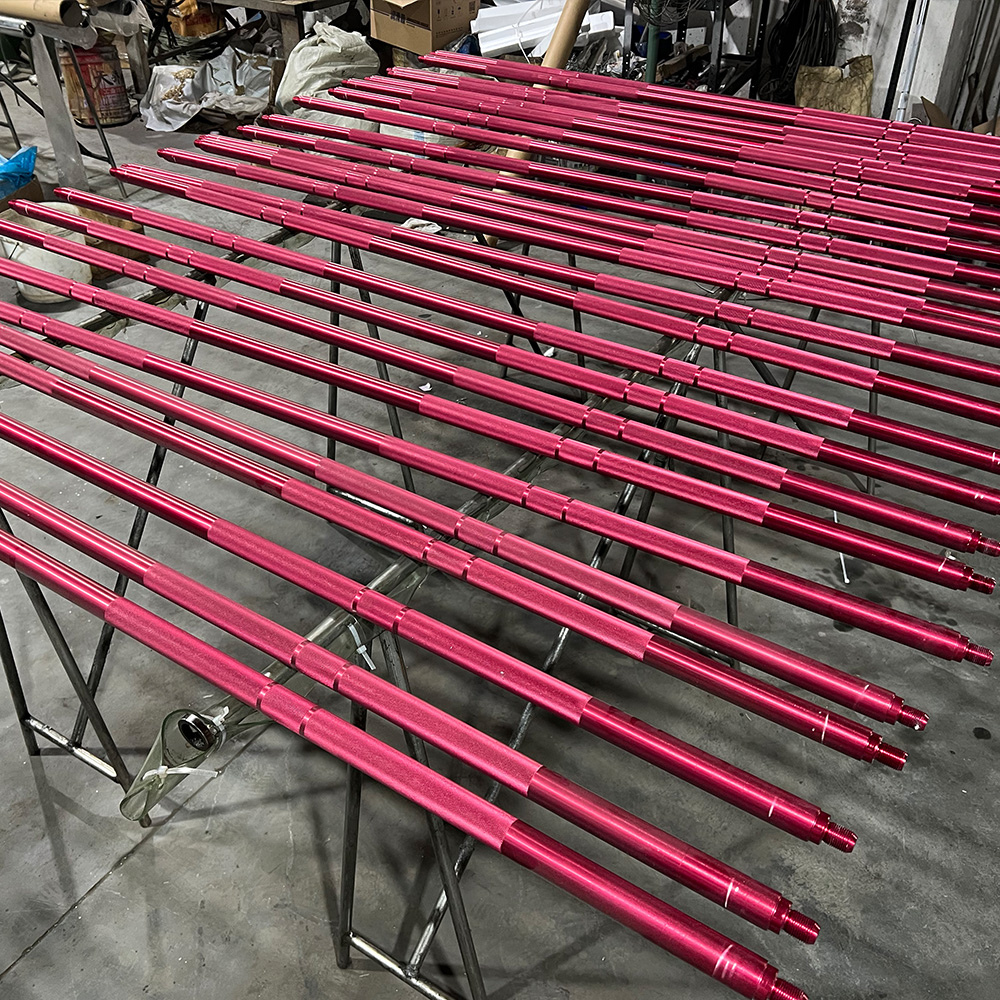
Evaluating dumbbell quality for long-term commercial use requires a systematic approach that goes beyond surface-level assessments. Commercial fitness facilities face unique challenges including high-frequency usage, diverse user demographics, and the need for equipment that maintains performance standards over years of intensive operation. Understanding the critical factors that determine dumbbell quality becomes essential for facility managers, gym owners, and procurement specialists who must balance initial investment costs with long-term durability and user satisfaction.
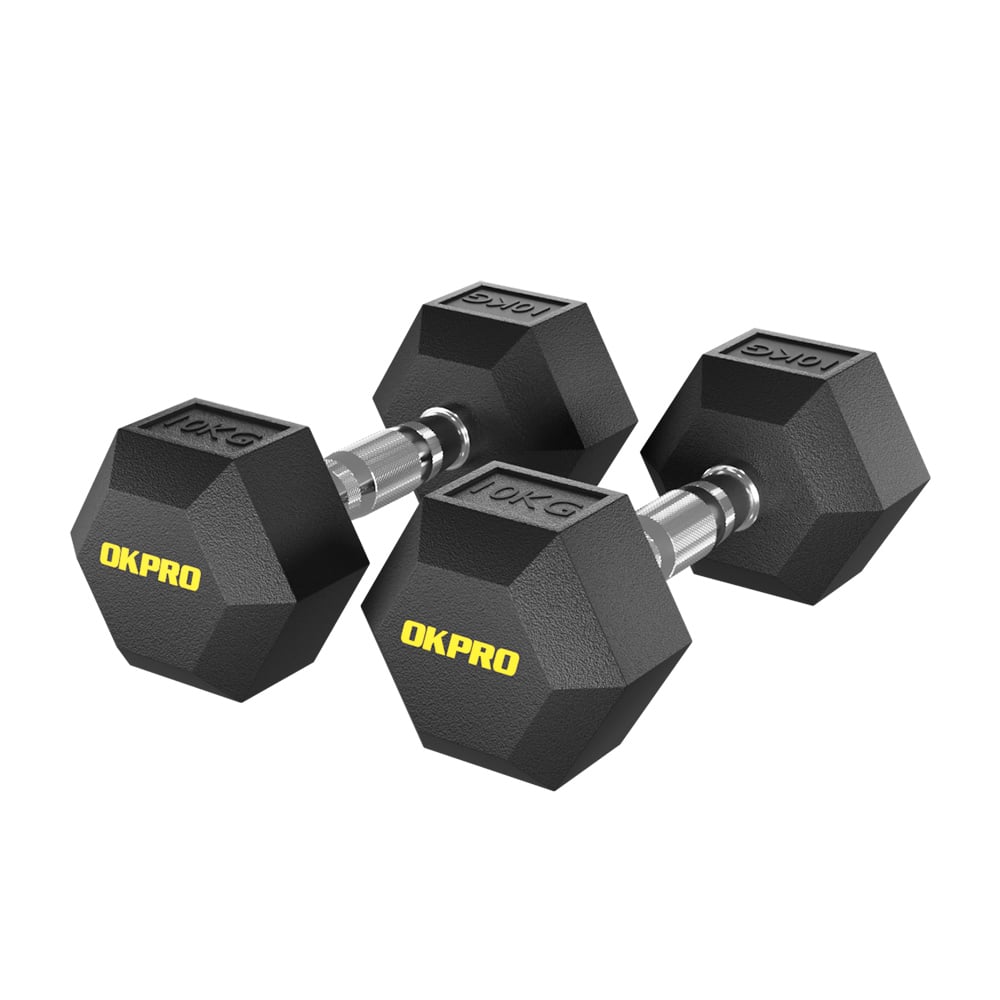
The process of evaluating dumbbell quality involves examining multiple interconnected factors including construction materials, manufacturing precision, grip design, weight accuracy, and coating durability. Commercial environments demand equipment that can withstand thousands of repetitions daily while maintaining consistent performance characteristics. A comprehensive evaluation framework helps identify dumbbells that will deliver reliable service, minimize replacement costs, and enhance user experience throughout their operational lifespan.
Construction Materials and Manufacturing Standards
Core Material Composition Assessment
The foundation of dumbbell quality begins with the core material composition, which directly impacts durability, balance, and longevity. High-quality commercial dumbbells typically utilize cast iron or steel cores that provide superior density and structural integrity compared to concrete-filled or lower-grade materials. When evaluating dumbbell quality, examine the core material specifications to ensure they meet commercial-grade standards that can withstand repeated impacts and loading stress.
Premium dumbbell quality is evidenced by uniform density distribution throughout the weight heads, which prevents wobbling and ensures consistent lifting dynamics. The manufacturing process should involve precision casting or machining techniques that eliminate air pockets, irregular shapes, or density variations that could compromise performance. Quality manufacturers typically provide material certifications and specifications that detail the exact composition and manufacturing standards used in production.
Handle Construction and Integration
The handle represents a critical component in overall dumbbell quality evaluation, as it must withstand significant torque forces and provide secure attachment to the weight heads. Superior construction involves either solid steel handles or high-tensile steel rods that are permanently integrated into the weight heads through welding, threading, or precision fitting processes. The connection method should eliminate any possibility of loosening or separation under normal commercial use conditions.
Handle diameter consistency across weight ranges contributes significantly to dumbbell quality by ensuring uniform grip requirements and user familiarity. Commercial-grade dumbbells maintain standardized handle dimensions that accommodate various hand sizes while providing adequate surface area for secure gripping. The handle material should resist corrosion, wear, and deformation even under intensive daily use in humid or challenging environments.
Surface Coatings and Protective Systems
Rubber Coating Quality and Adhesion
Rubber coating systems play a crucial role in determining long-term dumbbell quality by providing impact protection, noise reduction, and surface durability. Premium rubber coatings utilize virgin rubber compounds or high-grade synthetic materials that resist cracking, peeling, and degradation under temperature variations and UV exposure. The coating should maintain its integrity even after thousands of impacts against floors, racks, and other equipment surfaces.
Adhesion quality between the rubber coating and the underlying metal surface directly affects long-term performance and appearance retention. Superior dumbbell quality is characterized by coating systems that use chemical bonding agents or mechanical bonding techniques to ensure permanent adhesion. The coating should resist separation, bubbling, or delamination even under extreme stress conditions or extended exposure to cleaning chemicals commonly used in commercial facilities.
Urethane and Alternative Coating Systems
Urethane coating systems represent an advanced option in dumbbell quality assessment, offering superior durability and chemical resistance compared to standard rubber compounds. These coatings typically provide enhanced scratch resistance, color retention, and surface smoothness that facilitates easy cleaning and maintenance. When evaluating dumbbell quality with urethane coatings, examine the coating thickness, uniformity, and specification compliance to ensure commercial-grade performance standards.
Alternative coating systems including powder coating, chrome plating, or specialized polymer applications may offer specific advantages depending on facility requirements and usage patterns. Each coating type presents unique characteristics in terms of durability, maintenance requirements, and cost considerations. Quality evaluation should consider the specific environmental conditions and usage intensity of your commercial facility to determine the most appropriate coating system for long-term performance.
Precision and Manufacturing Tolerances
Weight Accuracy and Consistency
Weight accuracy represents a fundamental aspect of dumbbell quality that directly impacts user experience and training effectiveness. Commercial-grade dumbbells should maintain weight tolerances within industry-standard specifications, typically plus or minus 3% of the stated weight. Precision manufacturing processes ensure that each dumbbell meets specified weights consistently, eliminating user confusion and maintaining training program integrity across the facility.
Quality manufacturers implement rigorous quality control systems that verify weight accuracy throughout production runs and across different manufacturing batches. When evaluating dumbbell quality, request weight certification documentation and consider conducting independent weight verification for sample units. Consistent weight accuracy across the entire dumbbell set ensures uniform training progression and eliminates the need for frequent recalibration or replacement due to accuracy issues.
Dimensional Precision and Balance
Dimensional precision in dumbbell manufacturing affects both functional performance and storage efficiency in commercial settings. High-quality dumbbells maintain consistent overall dimensions, head shapes, and center-of-gravity positioning that ensures predictable handling characteristics and efficient rack storage. Manufacturing tolerances should be tight enough to guarantee consistent fit with storage systems and uniform spacing requirements.
Balance characteristics represent a critical element of dumbbell quality that affects user safety and exercise effectiveness. Properly manufactured dumbbells exhibit perfect balance around the handle centerpoint, eliminating any tendency to tip or rotate unexpectedly during use. Quality control processes should verify balance characteristics for each unit, ensuring that weight distribution remains consistent and predictable throughout the entire weight range.
Durability Testing and Performance Standards
Impact Resistance and Structural Integrity
Impact resistance testing provides valuable insights into long-term dumbbell quality and performance expectations under commercial use conditions. Quality dumbbells should withstand repeated drops from standard lifting heights without structural damage, coating failure, or weight separation. Comprehensive testing protocols typically involve controlled drop tests, impact simulation, and accelerated aging procedures that predict long-term performance characteristics.
Structural integrity assessment examines the ability of dumbbells to maintain their original specifications and performance characteristics throughout extended use periods. This includes evaluation of handle-to-head connections, coating adhesion, weight accuracy retention, and overall dimensional stability. Quality manufacturers often provide independent testing certification that validates performance standards and durability expectations for commercial environments.
Environmental Resistance and Longevity Factors
Environmental resistance capabilities significantly influence dumbbell quality in commercial applications where equipment faces exposure to temperature variations, humidity, cleaning chemicals, and UV radiation. Superior dumbbells incorporate materials and coating systems that resist environmental degradation while maintaining their original appearance and functionality. Testing should verify performance under accelerated aging conditions that simulate years of commercial use.
Longevity factors in dumbbell quality assessment include resistance to wear patterns, surface degradation, and mechanical fatigue that typically develop over extended use periods. Quality dumbbells maintain their original performance characteristics and appearance even after thousands of use cycles, minimizing replacement costs and ensuring consistent user experience throughout their operational lifespan.
Ergonomics and User Interface Design
Grip Design and Surface Texture
Grip design represents a crucial component of dumbbell quality that directly affects user comfort, safety, and performance during exercises. Commercial-grade dumbbells should feature ergonomically optimized handle designs that accommodate various hand sizes and grip preferences while providing secure contact surfaces. The grip diameter should follow industry standards that balance comfort with security across diverse user populations typically found in commercial facilities.
Surface texture on dumbbell handles contributes significantly to overall quality by providing adequate friction for secure gripping without causing excessive wear or discomfort during extended use. Quality handles incorporate subtle texturing or knurling patterns that enhance grip security while remaining comfortable for users with varying skin sensitivity levels. The texture should remain consistent and effective even when exposed to moisture, oils, or cleaning products commonly encountered in commercial environments.
Shape Optimization and Weight Distribution
Shape optimization in dumbbell design affects both functional performance and storage efficiency, making it an important consideration in quality evaluation for commercial applications. Round-headed dumbbells offer traditional rolling characteristics but may require specialized storage solutions, while hexagonal or multi-sided designs prevent rolling and facilitate more compact storage arrangements. The chosen shape should align with facility requirements and storage capabilities while maintaining optimal weight distribution characteristics.
Weight distribution design influences exercise biomechanics and user experience, making it a critical factor in overall dumbbell quality assessment. Properly designed dumbbells position the center of gravity optimally for natural movement patterns while maintaining balance characteristics that feel intuitive to users. Quality manufacturers consider ergonomic factors in their design processes to ensure that weight distribution enhances rather than complicates exercise performance.
FAQ
What specific tests should I conduct to verify dumbbell quality before making a large commercial purchase?
Conduct weight accuracy verification using calibrated scales, perform drop tests from standard lifting heights to assess impact resistance, examine coating adhesion by attempting to peel or scratch surfaces, and test handle integrity through torque application. Additionally, verify dimensional consistency across multiple units and check for balance characteristics by observing any tendency to tip when placed on flat surfaces. Request material certifications and independent testing documentation from manufacturers to validate quality claims.
How does dumbbell quality affect maintenance costs and replacement schedules in commercial facilities?
Higher dumbbell quality significantly reduces maintenance costs by eliminating frequent repairs, coating touch-ups, and premature replacements that occur with lower-grade equipment. Quality dumbbells typically maintain their appearance and functionality for 8-10 years in commercial settings, while inferior products may require replacement within 2-3 years. The reduced downtime, labor costs, and inventory management associated with quality equipment often justifies higher initial investment costs through improved total cost of ownership calculations.
What role does manufacturer reputation play in evaluating dumbbell quality for commercial use?
Manufacturer reputation provides valuable context for quality assessment, as established companies typically have proven track records, quality control systems, and customer support infrastructure necessary for commercial applications. Reputable manufacturers offer comprehensive warranties, technical documentation, and replacement part availability that supports long-term equipment management. However, reputation should supplement rather than replace independent quality evaluation, as manufacturing standards and business practices can vary even among established companies.
How can I assess the long-term durability of dumbbell coatings before committing to a large purchase?
Request coating specification sheets that detail material composition, adhesion methods, and expected performance characteristics under commercial use conditions. Examine existing installations at similar facilities to observe real-world aging patterns and performance retention. Conduct accelerated aging tests using UV exposure, temperature cycling, and chemical exposure protocols to simulate extended use conditions. Additionally, verify warranty coverage specifically for coating-related issues and request references from other commercial facilities using the same dumbbell models.
Table of Contents
- Construction Materials and Manufacturing Standards
- Surface Coatings and Protective Systems
- Precision and Manufacturing Tolerances
- Durability Testing and Performance Standards
- Ergonomics and User Interface Design
-
FAQ
- What specific tests should I conduct to verify dumbbell quality before making a large commercial purchase?
- How does dumbbell quality affect maintenance costs and replacement schedules in commercial facilities?
- What role does manufacturer reputation play in evaluating dumbbell quality for commercial use?
- How can I assess the long-term durability of dumbbell coatings before committing to a large purchase?