 EN
EN

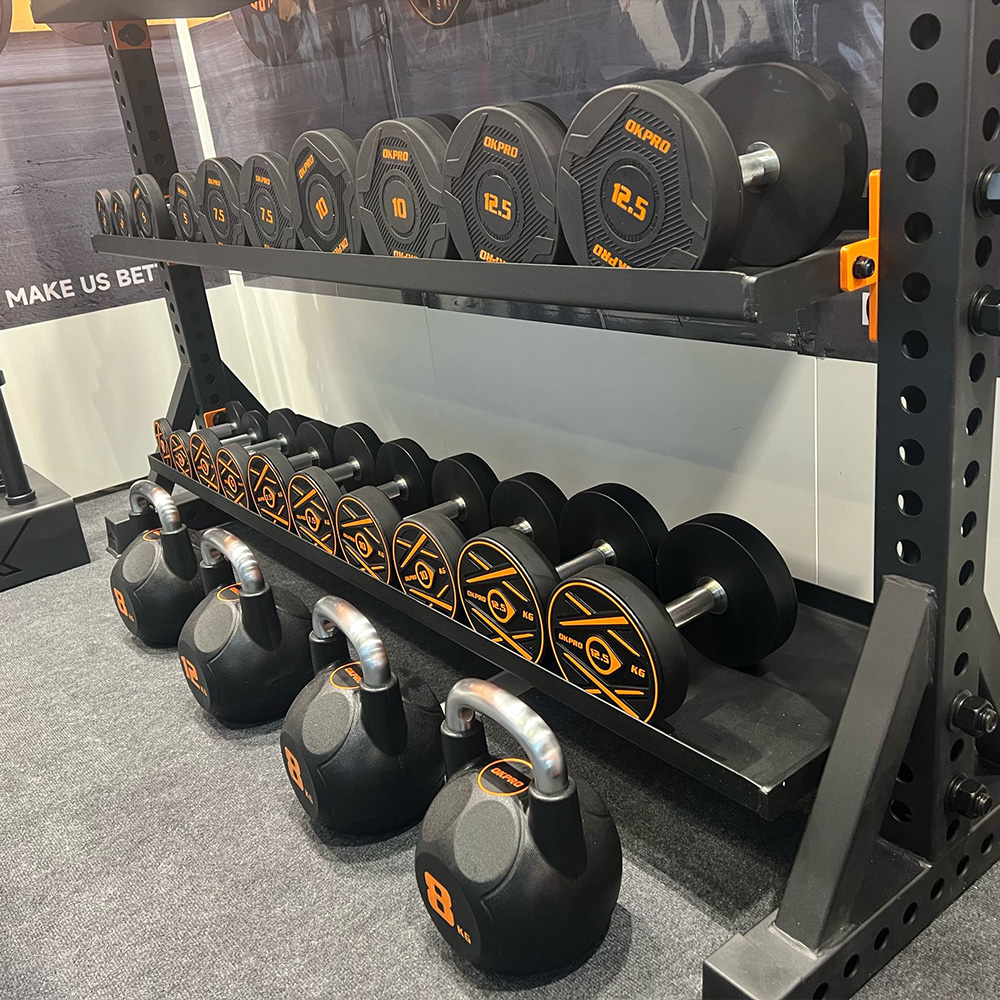
Heavy-duty athletic training programs demand equipment that can withstand intense daily use while delivering consistent performance across diverse training modalities. A dumbbell designed for serious athletic environments must meet specific engineering standards that go far beyond basic recreational fitness equipment. Professional training facilities, collegiate sports programs, and elite athletic centers require dumbbells that maintain structural integrity under extreme loading conditions while providing the ergonomic precision athletes need to execute complex movement patterns safely and effectively.
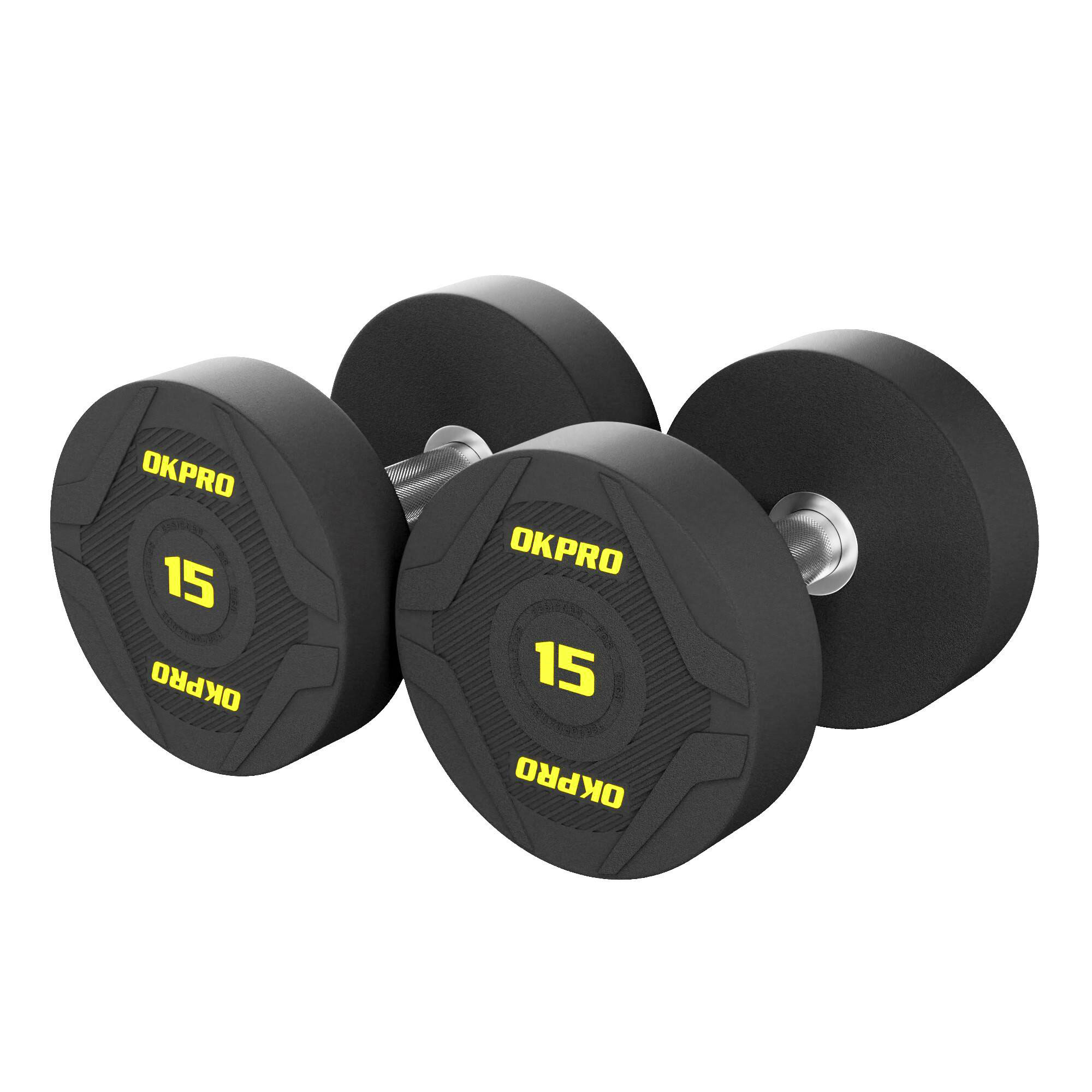
The distinction between standard consumer dumbbells and those engineered for heavy-duty athletic applications lies in their construction methodology, material composition, and performance specifications. Athletic training environments expose equipment to repetitive high-impact forces, frequent weight transitions, and continuous daily operation that would quickly degrade conventional fitness equipment. Understanding the specific characteristics that make a dumbbell suitable for professional athletic training helps coaches, facility managers, and strength specialists make informed equipment decisions that support long-term training program success.
Material Engineering and Construction Standards
Urethane Coating Technology
Professional-grade dumbbells utilize advanced urethane coating systems that provide superior impact resistance compared to traditional rubber or vinyl alternatives. This specialized coating technology protects the underlying weight plates from oxidation while creating a non-slip surface that maintains grip security even when athletes experience hand perspiration during intense training sessions. The urethane formulation used in heavy-duty applications typically includes additives that enhance UV resistance and prevent degradation from cleaning chemicals commonly used in athletic facilities.
The thickness and application method of urethane coating directly influences a dumbbell's longevity under heavy use conditions. Professional applications require coating systems that can absorb repeated impacts without cracking or separating from the underlying metal core. Quality urethane coatings also provide acoustic dampening properties that reduce noise levels when weights contact each other or training surfaces, which becomes particularly important in multi-use athletic facilities where noise control affects overall training environment quality.
Steel Core Composition
The internal steel construction of a heavy-duty dumbbell determines its fundamental structural integrity and weight distribution characteristics. High-grade steel cores provide the mass density required for compact dumbbell profiles while maintaining precise weight tolerances essential for progressive training protocols. Professional dumbbells typically utilize solid steel construction rather than hollow designs filled with concrete or sand, which can shift over time and create balance inconsistencies that compromise training effectiveness.
Steel core composition also affects the dumbbell's resistance to deformation under extreme loading conditions. Athletic training often involves explosive movements and rapid directional changes that can create significant stress on equipment joints and connection points. Premium steel alloys maintain their structural properties under these conditions while providing the weight stability necessary for precise movement execution in complex athletic training patterns.
Handle Design and Ergonomic Specifications
Grip Surface Engineering
The handle design of a professional dumbbell incorporates specific knurling patterns and surface textures that optimize grip security without causing excessive hand fatigue during extended training sessions. Athletic applications require handles that provide reliable grip under various moisture conditions while accommodating the grip strength variations found among different athlete populations. The knurling depth and pattern spacing must balance traction with comfort to prevent hand injuries that could interrupt training progression.
Handle diameter specifications for heavy-duty dumbbells typically follow standardized measurements that accommodate average hand sizes while providing sufficient surface area for secure grip positioning. Professional dumbbells maintain consistent handle dimensions across their entire weight range, allowing athletes to develop muscle memory and grip consistency regardless of the specific weight being utilized in their training protocol.
Weight Distribution Balance
Proper weight distribution in athletic-grade dumbbells ensures that the center of mass remains consistent throughout the range of motion during dynamic exercises. Unbalanced dumbbells can create compensatory movement patterns that reduce training effectiveness and increase injury risk during complex athletic movements. Professional dumbbell manufacturing processes include precision machining and quality control measures that maintain weight distribution tolerances within narrow specifications.
The shape and positioning of weight plates on a dumbbell handle affects how the implement behaves during rotational movements common in athletic training. Compact head designs with proper weight distribution allow for natural movement patterns while preventing interference during exercises that require close positioning to the body or rapid directional changes typical in sport-specific training protocols.
Durability and Maintenance Requirements
Impact Resistance Standards
Heavy-duty athletic training environments subject dumbbells to repeated impacts from dropping, stacking, and contact with other equipment during high-intensity training sessions. Professional-grade dumbbells must withstand these impacts without developing structural damage or surface degradation that could affect their performance characteristics. Impact resistance testing typically evaluates how dumbbells respond to repeated drops from standard heights onto various surface types commonly found in athletic facilities.
The coating systems and construction methods used in athletic-grade dumbbells provide protection against the edge chipping and surface cracking that commonly affect lower-grade equipment under heavy use conditions. This impact resistance directly correlates with equipment lifespan and helps maintain the professional appearance expected in high-level athletic training environments where equipment condition reflects program quality standards.
Cleaning and Sanitization Compatibility
Athletic training facilities require equipment that can withstand frequent cleaning and sanitization procedures without degrading surface properties or structural integrity. Professional dumbbells utilize materials and coatings that remain stable when exposed to commercial-grade disinfectants and cleaning solutions commonly used in institutional athletic environments. This chemical resistance ensures that hygiene protocols can be maintained without compromising equipment longevity.
The surface design of heavy-duty dumbbells incorporates smooth, non-porous characteristics that prevent bacterial accumulation while facilitating efficient cleaning procedures. These design features become particularly important in athletic environments where equipment sharing among multiple athletes requires consistent sanitization protocols to maintain health and safety standards throughout training programs.
Performance Integration with Training Protocols
Weight Progression Compatibility
Effective athletic training programs utilize systematic weight progression protocols that require precise weight increments to optimize strength development and skill acquisition. Professional dumbbell sets provide comprehensive weight ranges with appropriate increment spacing that supports both beginner athlete development and advanced strength training requirements. The availability of intermediate weights allows coaches to implement progressive overload principles with the precision necessary for optimal training adaptation.
The weight accuracy and consistency of professional dumbbells ensures that training loads remain predictable throughout extended program cycles. This consistency becomes critical when athletes transition between different training phases or when multiple athletes share equipment sets during team training sessions. Precise weight specifications allow coaches to maintain training program integrity regardless of which specific dumbbells are utilized during individual training sessions.
Exercise Versatility Support
Athletic training programs incorporate diverse exercise modalities that place varying demands on dumbbell design characteristics. Professional dumbbells must accommodate traditional strength training exercises while supporting explosive movements, unilateral training patterns, and sport-specific movement adaptations that require specialized handling characteristics. The compact design and balanced weight distribution of quality dumbbells enable smooth transitions between different exercise types within integrated training sessions.
The ergonomic properties of heavy-duty dumbbells support extended training sessions that combine multiple exercise types without causing premature grip fatigue or handling difficulties. This versatility allows coaches to design comprehensive training programs that address multiple athletic development objectives within single training sessions while maintaining equipment performance standards throughout diverse exercise applications.
Safety Features and Risk Management
Structural Integrity Assurance
Professional athletic training environments require equipment that maintains structural integrity under extreme use conditions to prevent injuries caused by equipment failure. Heavy-duty dumbbells undergo rigorous testing protocols that evaluate their performance under loading conditions that exceed typical training requirements. These safety margins provide confidence that equipment will perform reliably even when subjected to improper use or unexpected stress conditions that can occur in dynamic training environments.
The connection systems used in professional dumbbells eliminate the potential for weight plate separation or handle failure that could create serious safety hazards during training activities. Welded construction methods and quality control processes ensure that all components remain securely attached throughout the equipment's service life, even under the repetitive loading cycles common in intensive athletic training programs.
Surface Safety Characteristics
The surface properties of athletic-grade dumbbells incorporate safety features that minimize slip hazards and reduce injury risk during handling and storage procedures. Textured surfaces provide secure grip characteristics while avoiding sharp edges or protrusions that could cause cuts or abrasions during rapid movement transitions. The rounded edges and smooth transitions between different surface areas prevent snagging on clothing or equipment that could disrupt exercise execution or create safety hazards.
Color coding and weight identification systems on professional dumbbells enhance safety by enabling quick weight verification and reducing the potential for loading errors that could compromise training safety. Clear, permanent weight markings resist wear and remain visible throughout the equipment's service life, supporting proper exercise execution and weight progression protocols in busy training environments where quick equipment identification becomes essential for training flow and safety management.
FAQ
What weight tolerance standards should heavy-duty dumbbells meet for athletic training?
Professional athletic dumbbells should maintain weight accuracy within plus or minus 2% of stated weight specifications. This precision ensures consistent training loads across workout sessions and allows for accurate progression tracking. Quality manufacturers test each dumbbell individually and provide weight certification documentation that verifies compliance with stated tolerances throughout the product's weight range.
How do urethane-coated dumbbells compare to rubber alternatives in heavy-use environments?
Urethane coatings provide superior durability and chemical resistance compared to traditional rubber compounds, making them ideal for facilities with frequent cleaning protocols. Urethane maintains its surface properties longer under heavy use conditions and resists cracking, chipping, and odor absorption that commonly affect rubber-coated equipment in athletic environments. The initial investment in urethane-coated dumbbells typically provides better long-term value through extended equipment lifespan.
What handle diameter works best for diverse athletic populations?
Professional dumbbells typically utilize handle diameters between 32-35mm to accommodate the grip requirements of most athletes while providing sufficient surface area for secure handling during dynamic movements. This diameter range balances comfort for smaller hands with adequate grip security for larger athletes, allowing facilities to serve diverse athletic populations with consistent equipment specifications across their entire dumbbell range.
How should athletic facilities evaluate dumbbell impact resistance specifications?
Facilities should request documentation of drop testing from standardized heights onto concrete surfaces, which simulates real-world impact conditions in athletic training environments. Quality dumbbells should withstand repeated drops from waist height without developing surface damage or structural compromise. Additionally, look for products that include impact resistance warranties that cover normal training use conditions over extended time periods.
Table of Contents
- Material Engineering and Construction Standards
- Handle Design and Ergonomic Specifications
- Durability and Maintenance Requirements
- Performance Integration with Training Protocols
- Safety Features and Risk Management
-
FAQ
- What weight tolerance standards should heavy-duty dumbbells meet for athletic training?
- How do urethane-coated dumbbells compare to rubber alternatives in heavy-use environments?
- What handle diameter works best for diverse athletic populations?
- How should athletic facilities evaluate dumbbell impact resistance specifications?