 EN
EN

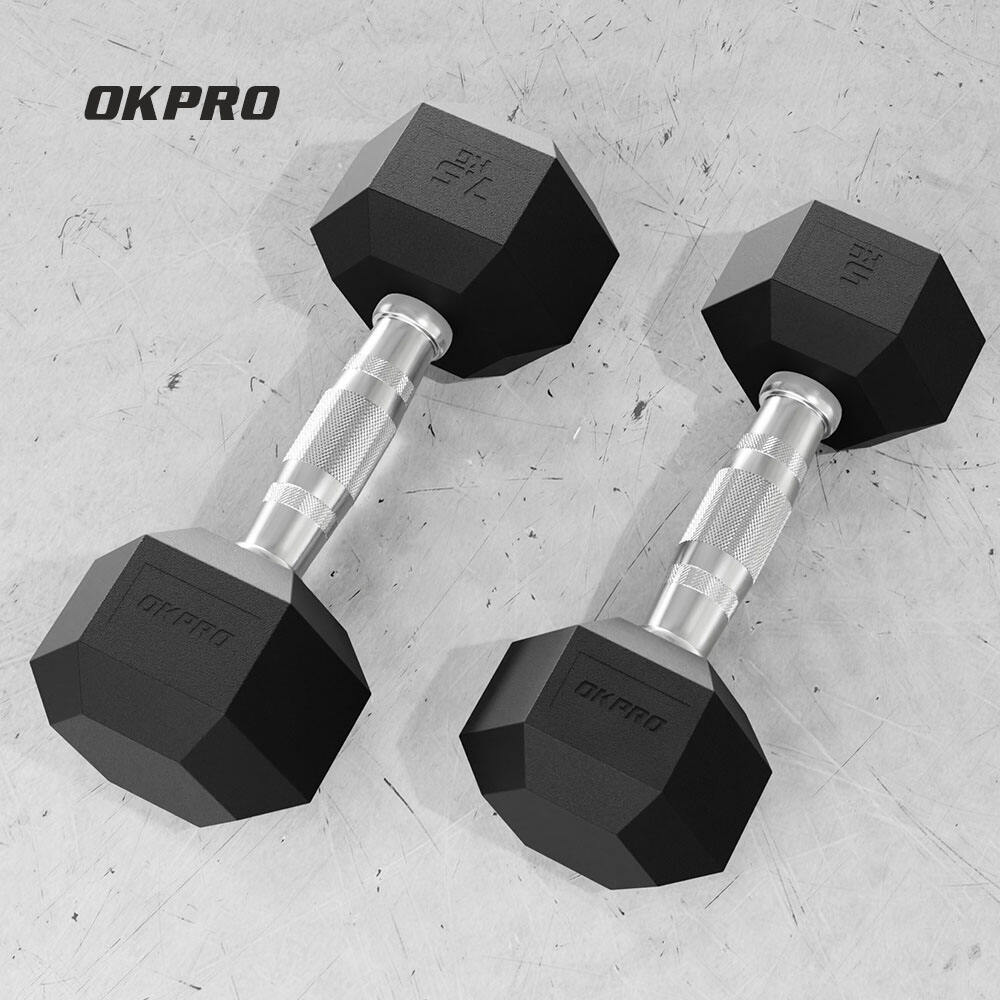
Essential Maintenance Tips for Long-Lasting Rubber Dumbbells
Rubber dumbbells are a significant investment for any gym, representing both a financial commitment and a crucial component of member satisfaction. These versatile training tools endure constant use, making their maintenance and longevity vital for gym operations. Understanding how to properly care for and maintain rubber dumbbells can significantly extend their lifespan, ensuring they remain safe and effective for years to come.
The durability of rubber dumbbells largely depends on proper handling, storage, and regular maintenance routines. When maintained correctly, these fitness tools can withstand years of intense workouts while retaining their functionality and appearance. Let's explore comprehensive strategies to maximize the lifespan of your rubber dumbbells and protect your gym's investment.
Proper Storage and Handling Practices
Optimal Storage Solutions
The foundation of rubber dumbbell longevity begins with proper storage. Invest in high-quality dumbbell racks that keep weights organized and off the floor. These racks should be designed to prevent the rubber dumbbells from rolling or falling, which can cause damage to both the equipment and surrounding areas. Position the storage area away from direct sunlight and heat sources, as prolonged exposure to UV rays and extreme temperatures can deteriorate the rubber coating.
Consider implementing a weight tree system or tiered shelving that allows for easy access while maintaining organization. This not only protects the dumbbells but also helps maintain gym safety and aesthetics. Ensure the storage area has adequate ventilation to prevent moisture accumulation, which can lead to degradation of the rubber material.
Correct Handling Methods
Educate gym members and staff about proper handling techniques for rubber dumbbells. Avoid dropping or throwing weights, as this can cause the rubber coating to crack or separate from the metal core. When placing dumbbells back on racks, encourage gentle placement rather than forceful returns. This simple practice can prevent unnecessary impact damage and extend the equipment's lifespan.
Implement a policy that requires members to return weights to their designated spots after use. This not only maintains organization but also prevents accidental trips and falls that could damage the equipment. Regular staff training sessions on proper handling and storage procedures can help establish a culture of equipment care.
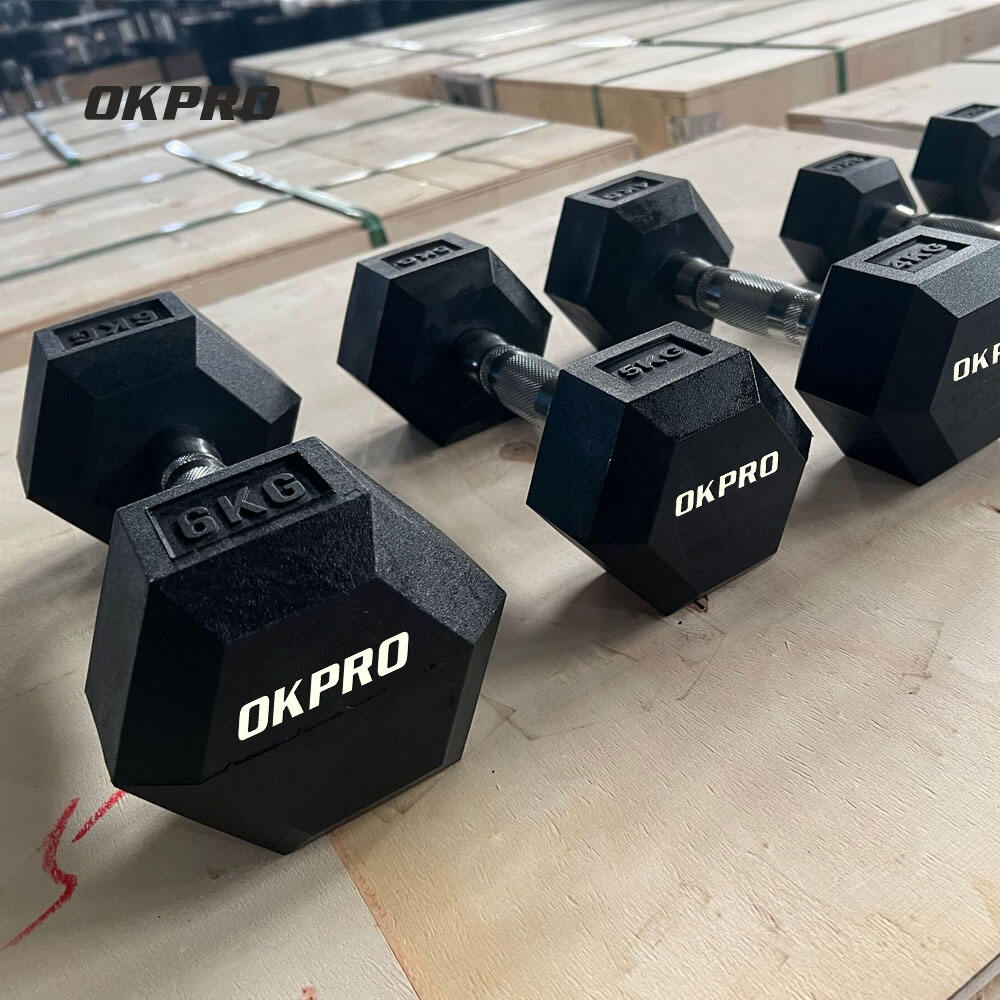
Regular Cleaning and Maintenance Schedule
Daily Cleaning Protocol
Establish a consistent cleaning routine for rubber dumbbells to prevent the buildup of sweat, oils, and dirt that can degrade the rubber material. Use a mild cleaning solution specifically designed for rubber fitness equipment, avoiding harsh chemicals that could cause deterioration. Wipe down dumbbells daily with a clean, damp cloth, paying special attention to the grip areas where hand contact occurs most frequently.
Create a cleaning schedule that assigns specific staff members to equipment maintenance tasks. This ensures accountability and consistent care. Keep cleaning supplies easily accessible and maintain a log of cleaning activities to track maintenance efforts and identify any potential issues early.
Deep Cleaning Procedures
Schedule monthly deep cleaning sessions for your rubber dumbbells to address accumulated grime and maintain their appearance. Use a specialized rubber cleaner and conditioner to help preserve the material's elasticity and prevent cracking. During deep cleaning, inspect each dumbbell thoroughly for signs of wear, damage, or loose components that may require attention.
Document any findings during deep cleaning sessions and maintain records of maintenance activities. This documentation can help track the longevity of different dumbbell sets and inform future purchasing decisions. Consider implementing a rotation system for heavily used weights to distribute wear more evenly across your equipment inventory.
Prevention of Common Damage Issues
Environmental Protection
Control the gym environment to protect rubber dumbbells from common sources of damage. Maintain consistent room temperature and humidity levels, as extreme variations can affect the rubber material. Install proper flooring that can absorb impact and protect both the equipment and the facility's structure. Consider using protective mats in areas where members frequently work with rubber dumbbells.
Regular monitoring of environmental conditions can help identify potential risks before they cause significant damage. Install thermometers and humidity gauges in weight areas, and address any environmental concerns promptly to maintain optimal conditions for equipment longevity.
Member Education Initiatives
Develop comprehensive member education programs focusing on proper equipment use and care. Create instructional materials, including posters and video demonstrations, showing correct handling techniques for rubber dumbbells. Consider incorporating equipment care guidelines into new member orientations and personal training sessions.
Encourage a community mindset where members take ownership of equipment care. Implement a reward system or recognition program for members who consistently demonstrate proper equipment handling and storage practices. This positive reinforcement can help create a gym culture that values and protects fitness equipment.
Professional Maintenance and Repairs
Regular Inspections
Schedule professional equipment inspections at least quarterly to identify potential issues before they become serious problems. Create a comprehensive checklist for inspections that includes checking for loose ends, cracks in the rubber coating, and stability of the core weights. Document all findings and maintain detailed records of each inspection.
Train staff members to perform basic visual inspections during their regular duties and report any concerns immediately. This proactive approach can help prevent accidents and extend the life of your rubber dumbbells through early intervention when issues arise.
Repair and Replacement Strategies
Develop clear criteria for determining when rubber dumbbells need repair or replacement. Minor issues like surface scratches may be cosmetic, while deeper damage affecting structural integrity requires immediate attention. Establish relationships with reliable equipment repair services and maintain an inventory of replacement parts for common repairs.
Create a budget allocation for regular maintenance and replacement costs. Consider implementing a rotation system where older dumbbells are gradually replaced while still serviceable, preventing sudden large-scale replacement needs. This approach helps distribute costs over time while maintaining a high-quality equipment selection for members.
Frequently Asked Questions
How often should rubber dumbbells be cleaned?
Rubber dumbbells should receive a basic cleaning daily, including wiping down with a mild cleaning solution to remove sweat and oils. A more thorough deep cleaning should be performed monthly, using specialized rubber cleaning products to maintain the material's integrity and appearance.
What signs indicate rubber dumbbells need replacement?
Look for significant cracks in the rubber coating, separation between the rubber and metal core, loose or wobbly ends, and any structural damage that affects safety or functionality. Regular professional inspections can help identify when replacement is necessary before equipment becomes hazardous.
Can damaged rubber dumbbells be repaired?
Minor cosmetic damage to rubber dumbbells can often be repaired using specialized rubber repair kits. However, significant structural damage or separation of components typically requires replacement to ensure user safety. Always consult with professional equipment maintenance services for repair assessments.
What is the average lifespan of rubber dumbbells in a commercial gym setting?
With proper care and maintenance, rubber dumbbells can last 5-7 years in a commercial gym setting. However, this lifespan can be significantly extended through proper handling, regular maintenance, and prompt attention to repairs when needed.