
 EN
EN
Understanding Weight Plate Varieties and Their Unique Characteristics
Weight plates serve as fundamental components of strength training equipment, available in diverse materials and designs to suit various fitness applications. The selection of appropriate weight plates significantly impacts training effectiveness, equipment longevity, and workout safety. From dense metal discs to specialized rubberized designs, each type of weight plate offers distinct advantages tailored to specific lifting styles and environments. Professional athletes, home gym enthusiasts, and commercial facility operators all benefit from understanding how different weight plates perform under various training conditions. The evolution of weight plate technology has produced specialized options that address noise reduction, space efficiency, and training precision while maintaining the core function of providing adjustable resistance.
Traditional Metal Weight Plates
Cast Iron Plates
Cast iron weight plates represent the most traditional option, valued for their durability and cost-effectiveness in basic strength training scenarios. These weight plates feature a simple design with a central hole sized for Olympic or standard barbells and a no-frills appearance that appeals to purists. The high-density material allows for compact plate dimensions, enabling users to load substantial weight onto bars without requiring specialized racks. Uncoated cast iron weight plates develop a natural patina over time but require regular maintenance to prevent rust in humid environments. Commercial gyms often choose these weight plates for their budget-friendly pricing and virtually indestructible nature under normal use. However, the hard metal surface can damage flooring if dropped and produces significant noise during intense training sessions, making them less ideal for home use or noise-sensitive environments.
Chrome-Plated Steel Plates
Chrome-plated weight plates offer an upgraded version of traditional iron plates with enhanced corrosion resistance and a polished appearance. The electroplated chrome finish protects the underlying steel from oxidation while creating a smooth surface that facilitates easy plate changes. These weight plates typically feature precise weight tolerances within 1-2% of the stated measurement, making them suitable for serious strength athletes. The sleek metallic surface resists chalk buildup and wipes clean easily, maintaining a professional appearance in commercial settings. While more expensive than basic cast iron, chrome-plated weight plates provide better long-term value in humid climates where rust prevention matters. The moderate noise level during use positions these weight plates between loud bare metal and quiet rubber-coated options, acceptable for most training environments.
Protective Coated Weight Plates
Rubber Bumper Plates
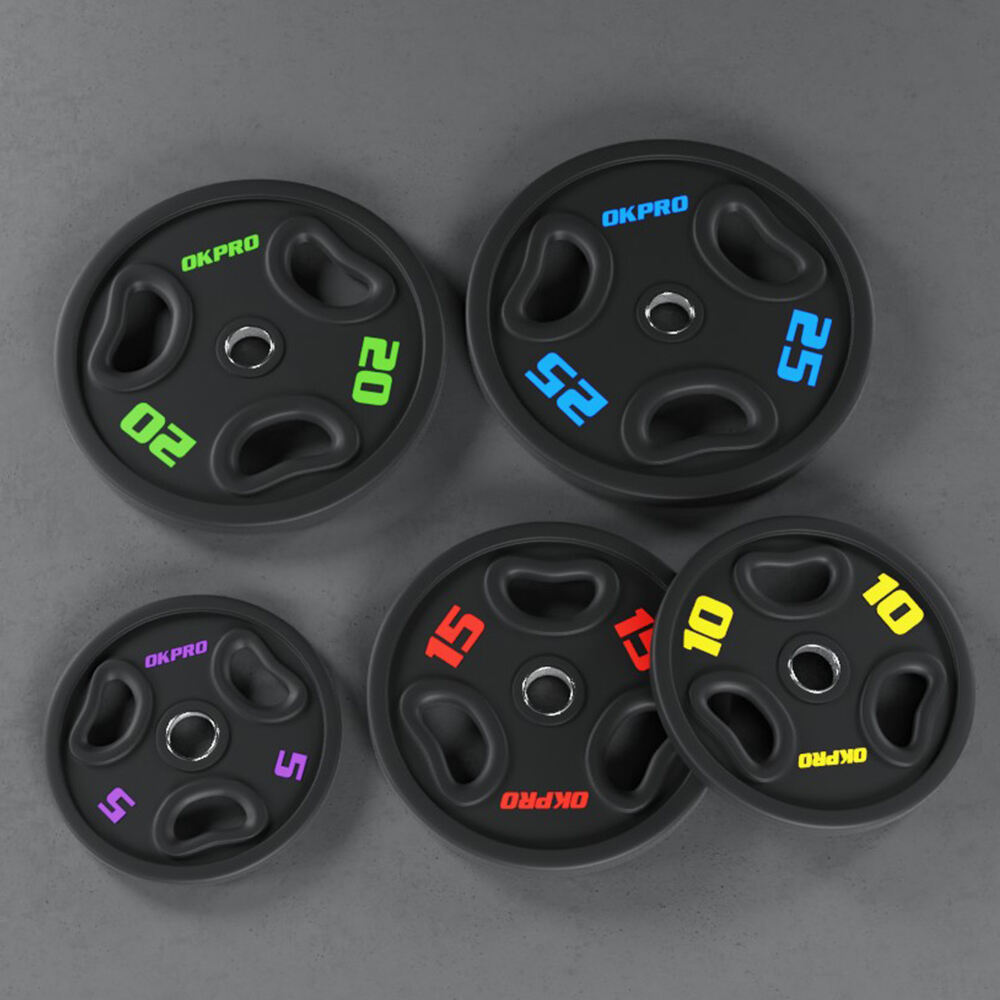
Rubber bumper weight plates have revolutionized Olympic weightlifting and functional training with their impact-absorbing design. These weight plates consist of solid rubber construction with a steel insert for the barbell sleeve, allowing them to withstand repeated drops from overhead positions. All bumper plates maintain a standard diameter regardless of weight (typically 450mm for Olympic plates), ensuring proper bar elevation during deadlifts and other floor exercises. The colored rubber surfaces provide instant visual weight identification—a system where different colors represent specific weight increments. High-quality bumper weight plates offer accurate weight measurements while significantly reducing noise and floor damage compared to metal alternatives. This makes them ideal for CrossFit boxes, athletic training facilities, and home gyms where varied training modalities are practiced. The durable rubber construction resists chipping and cracking that plagues cheaper weight plates under intense use.
Urethane-Coated Plates
Urethane-coated weight plates combine the density of metal with advanced protective coatings for premium performance. These hybrid weight plates feature a cast iron or steel core encased in durable urethane that provides superior protection against corrosion and surface damage. The slightly textured urethane surface improves grip during handling while resisting the odors that sometimes develop in rubber-coated plates. Urethane's natural sound-dampening properties create a quieter training environment than uncoated metal weight plates, though not as silent as full rubber bumpers. This weight plate material proves particularly valuable for commercial facilities seeking equipment that maintains its appearance through years of heavy use. The non-marking characteristics protect gym flooring while the color-stable coating resists fading from UV exposure and frequent cleaning. Urethane plates bridge the gap between basic iron and specialty rubber plates, offering professional-grade performance with enhanced durability.
Specialty Weight Plate Designs
Fractional and Micro Plates
Fractional weight plates allow for precise loading increments as small as 0.25kg, enabling progressive overload in small measurable steps. These specialty weight plates prove invaluable for Olympic weightlifters, powerlifters, and rehabilitation specialists requiring exact weight adjustments. Made from steel or dense rubber composites, micro plates typically come in sets that allow 0.25kg, 0.5kg, and 1kg additions to the barbell. Strength athletes use these weight plates to break through plateaus with minimal jumps in resistance, while physical therapists appreciate the ability to make gradual increases for recovering patients. The compact size of fractional weight plates makes them easy to store and transport, though their small diameter requires placement between standard plates on the barbell. Serious competitors consider these precision weight plates essential equipment for competition preparation and technique refinement.
Grip Plate and Hi-Temp Designs
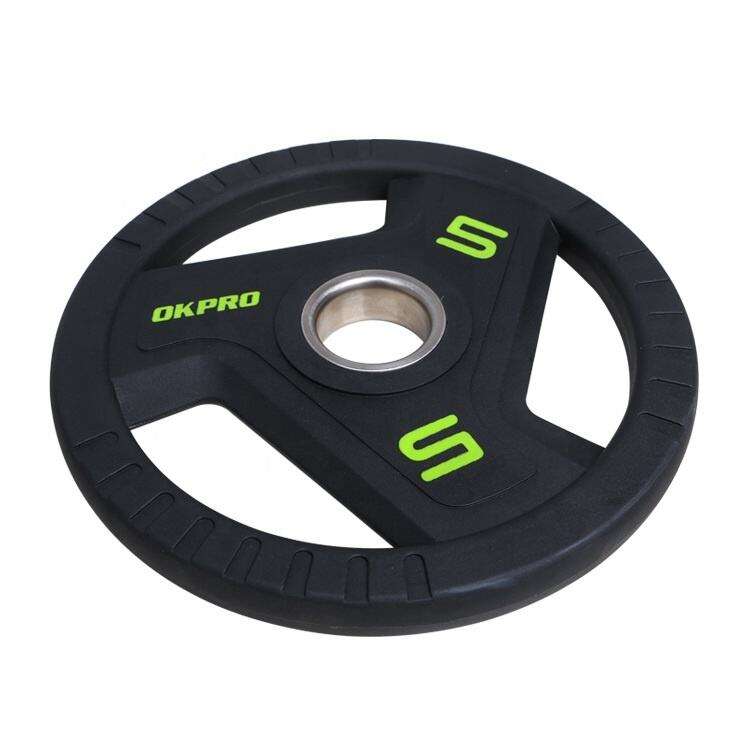
Innovative weight plate designs like grip plates and Hi-Temp bumpers address specific training needs beyond basic loading. Grip plates incorporate ergonomic handles within the plate design, transforming them into makeshift dumbbells for carries, swings, and functional movements. Hi-Temp weight plates feature a unique composition that remains stable in extreme temperatures, making them ideal for outdoor training facilities and garage gyms. These specialized weight plates often use recycled rubber materials, offering an eco-friendly alternative to conventional options. The textured surfaces on many grip-enhanced weight plates provide secure handling during unconventional exercises that would be difficult with smooth traditional plates. While not suitable for heavy barbell loading due to their modified shapes, these innovative weight plates expand training possibilities in functional fitness programs and circuit training setups.
Competition-Grade Weight Plates
Calibrated Steel Plates
Calibrated weight plates meet strict international standards for competitive powerlifting, with weight tolerances within 10 grams of the stated measurement. These precision-engineered steel plates feature laser-cut edges and milled surfaces to ensure consistent dimensions and exact weights. The thin profile allows for maximum weight loading on competition bars while the smooth steel surface facilitates quick plate changes during meets. Calibrated weight plates always maintain standard colors (red for 25kg, blue for 20kg, etc.) for instant recognition in competition settings. The premium steel construction withstands years of heavy use without deformation, making them the choice of serious strength athletes. While unnecessary for general fitness purposes, calibrated plates provide competitive lifters with the exacting standards required for official competitions and record attempts. The substantial investment in these weight plates reflects their role as essential equipment for sanctioned events and elite training facilities.
Eleiko Competition Bumpers
Eleiko's competition-grade bumper weight plates represent the gold standard for Olympic weightlifting competitions worldwide. These premium weight plates combine dense rubber compounds with precision steel inserts to create plates that perform identically across entire sets. The unique rubber formulation maintains consistent bounce characteristics regardless of temperature or humidity conditions during competition. Each Eleiko weight plate undergoes individual certification to ensure exact weight accuracy and dimensional precision meeting IWF standards. The distinctive colored stripes and polished steel hubs provide both visual appeal and functional weight identification during fast-paced lifting sessions. While significantly more expensive than training bumpers, these weight plates offer unmatched performance consistency for elite athletes and national training centers. The durability of competition-grade bumpers justifies their cost for facilities hosting frequent high-level events and training serious Olympic lifters.
FAQ
What's the difference between Olympic and standard weight plates?
Olympic weight plates have a 2-inch center hole for larger barbell sleeves, while standard plates use a 1-inch hole for smaller home gym bars.
Can you mix different types of weight plates on a barbell?
While possible, it's best to use matching weight plate types for balanced loading, especially during dynamic lifts like cleans or snatches.
How long do quality weight plates typically last?
Premium steel or rubber weight plates can last 10-15 years in commercial use, while budget composites may wear out in 2-3 years with frequent training.