
 EN
EN
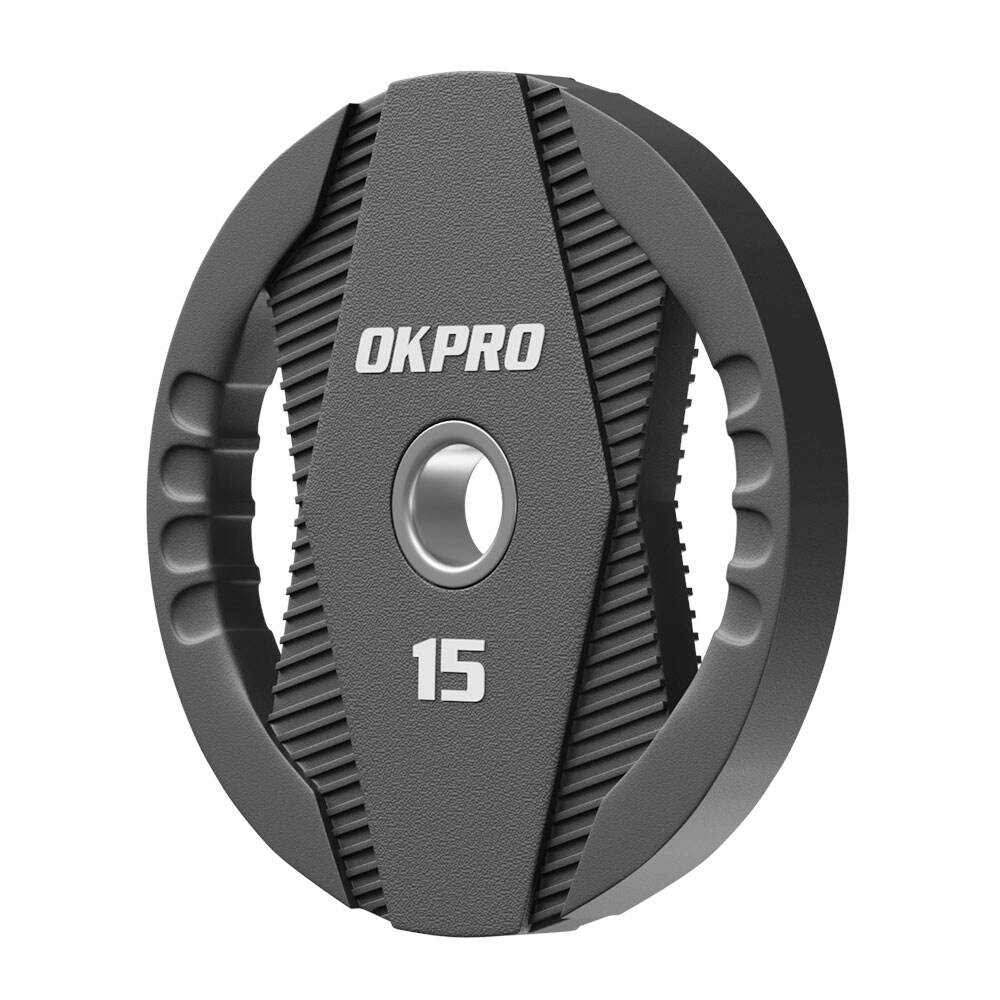
Selecting the Optimal Weight Plate Material for Your Training Needs
The material composition of weight plates significantly impacts training experience, equipment longevity, and even workout results. Different weight plate materials offer distinct advantages depending on training style, facility requirements, and personal preferences. From dense metal alloys to specialized rubber compounds, each weight plate material brings unique characteristics that affect grip, durability, noise levels, and space efficiency. Understanding these material properties allows fitness enthusiasts and facility managers to make informed choices that align with their specific lifting goals and environmental constraints. The right weight plate material can enhance workout performance while minimizing equipment maintenance and replacement costs over time.
Metal Weight Plates Analysis
Cast Iron Plates
Cast iron remains the traditional weight plate material for many strength training applications due to its high density and cost-effectiveness. These plates offer exceptional durability for basic strength training, with the raw metal providing a no-nonsense lifting experience preferred by powerlifters and Olympic weightlifters. The uncoated surface develops a natural patina over time that some lifters appreciate for its authentic training aesthetic. As the most compact weight plate material, cast iron allows for maximum weight loading on standard Olympic bars without requiring specialty racks or storage systems. However, bare cast iron requires regular maintenance to prevent rust in humid environments, and the hard surface can damage flooring if dropped. For home gyms with controlled climates and lifters focused purely on performance metrics, cast iron plates deliver reliable service without unnecessary frills.
Bumper Plate Technology
Rubber-coated bumper plates represent the premium choice for Olympic lifting and functional training facilities. This specialized weight plate material consists of a dense rubber exterior surrounding a steel insert, creating plates that withstand repeated drops from overhead positions. The shock-absorbing properties protect both equipment and flooring while significantly reducing noise levels compared to metal plates. High-quality bumper plates maintain consistent diameter across different weights, ensuring proper bar elevation during deadlifts and other floor exercises. The colored rubber surfaces allow for instant visual weight identification during fast-paced training sessions. While more expensive than basic iron plates, bumper plates offer unmatched versatility for CrossFit boxes, athletic training facilities, and home gyms where varied training modalities are practiced. The durable rubber construction resists chipping and cracking that plagues cheaper weight plate materials under intense use.

Specialty Composite Materials
Urethane-Coated Options
Urethane has emerged as a premium weight plate material that combines the density of metal with advanced protective coatings. These plates feature a cast iron or steel core encased in durable urethane that provides superior protection against corrosion and surface damage. The slightly textured urethane surface improves grip during loading and unloading while resisting the odors that sometimes develop in rubber-coated plates. Urethane's natural sound-dampening properties create a quieter training environment compared to uncoated metal plates, though not as silent as full rubber bumpers. This weight plate material proves particularly valuable for commercial facilities seeking equipment that maintains its appearance through years of heavy use. The non-marking characteristics protect gym flooring while the color-stable coating resists fading from UV exposure and frequent cleaning. Urethane plates bridge the gap between basic iron and specialty rubber plates, offering professional-grade performance with enhanced durability.
Concrete and Composite Plates
Economy-focused weight plate materials like concrete composites serve budget-conscious buyers needing basic functionality. These plates use concrete cores with plastic or thin rubber coatings to create affordable weight options for home gyms and light commercial use. While significantly less durable than metal or high-grade rubber plates, concrete composites provide adequate service for moderate weight training at a fraction of the cost. The lighter weight plate material allows for easier handling and transportation, making these plates popular for mobile training setups. However, concrete's porous nature makes it susceptible to moisture damage and cracking if mishandled. Advanced composite materials incorporating recycled plastics and binding agents have improved the durability of budget plates in recent years, though they still can't match the longevity of premium weight plate materials. These options work best for casual lifters or supplemental weight needs where cost outweighs performance considerations.
Training-Specific Considerations
Powerlifting Requirements
Serious powerlifters prioritize weight plate material characteristics that ensure competition-standard performance. Calibrated steel plates meet strict international powerlifting specifications for diameter, weight accuracy, and load capacity. These precision-engineered plates maintain exacting tolerances (often within 10 grams of stated weight) crucial for competitive lifting. The thin profile allows for maximum weight loading on competition bars while the smooth steel surface facilitates easy plate changes during meets. This specialized weight plate material undergoes rigorous quality control to eliminate inconsistencies that could affect lift attempts. While unnecessary for general fitness purposes, calibrated plates provide competitive lifters with the exacting standards required for official competitions and serious training. The investment in proper powerlifting plates reflects the sport's emphasis on measurable performance under standardized conditions.
Functional Training Applications
High-intensity training programs demand weight plate materials that withstand dynamic movements and frequent impacts. Rubber bumper plates with reinforced steel inserts handle the rigors of Olympic lifts, kettlebell swings, and medicine ball throws that characterize functional training regimens. The shock-absorbing qualities of this weight plate material protect both equipment and athletes during explosive movements. Some specialty functional training plates incorporate textured surfaces or ergonomic handles for versatile use in unconventional exercises. The best plates for functional training balance durability with practical features like easy-grip edges for carries and tosses. Facilities focusing on varied training modalities often choose hybrid plate sets combining traditional round plates with specialty designs that accommodate diverse movement patterns. This approach maximizes equipment utility while ensuring safety during high-velocity training sessions.
Maintenance and Longevity Factors
Corrosion Resistance Properties
The weight plate material's ability to resist oxidation directly impacts equipment lifespan and maintenance requirements. Stainless steel plates offer the highest corrosion resistance but come with premium pricing that limits widespread adoption. Chrome-plated iron provides moderate protection at more accessible price points, though the coating can chip with heavy use. Urethane and rubber coatings create effective moisture barriers that prevent rust formation on underlying metal cores. Bare cast iron requires regular oil treatments or storage in climate-controlled environments to prevent oxidation. Facilities in coastal regions or humid climates should prioritize weight plate materials with superior corrosion resistance to avoid frequent replacement costs. The long-term value proposition often favors coated plates despite higher initial investment, particularly for commercial operations where equipment appearance affects member satisfaction.
Surface Durability and Wear
Daily gym use tests the resilience of all weight plate materials through constant loading, unloading, and occasional drops. Urethane coatings maintain their appearance longest, resisting scuffs, chips, and discoloration better than rubber or painted metal surfaces. High-density rubber bumpers develop superficial marks but retain structural integrity through years of heavy impacts. Painted iron plates show wear quickly in high-use environments, revealing bare metal at contact points and edges. The hardest weight plate materials like uncoated steel withstand mechanical abrasion best but may damage other equipment during collisions. Budget composite materials often exhibit rapid surface deterioration that compromises both aesthetics and performance. When evaluating durability, consider both cosmetic wear and structural integrity—some weight plate materials maintain perfect function while showing surface marks, while others fail catastrophically after minor visible damage.
FAQ
Which weight plate material is best for home gyms?
Urethane-coated or rubber bumper plates offer the best balance of durability, noise reduction, and floor protection for most home training spaces.
Do different plate materials affect lifting performance?
While all quality plates provide resistance, calibrated steel offers the most precise weight measurement for competitive lifting, while rubber bumpers enable safe dropping.
How much more do premium weight plate materials cost compared to basic iron?
High-end urethane or competition-grade plates typically cost 2-3 times more than basic cast iron, but last significantly longer in commercial environments.