 EN
EN

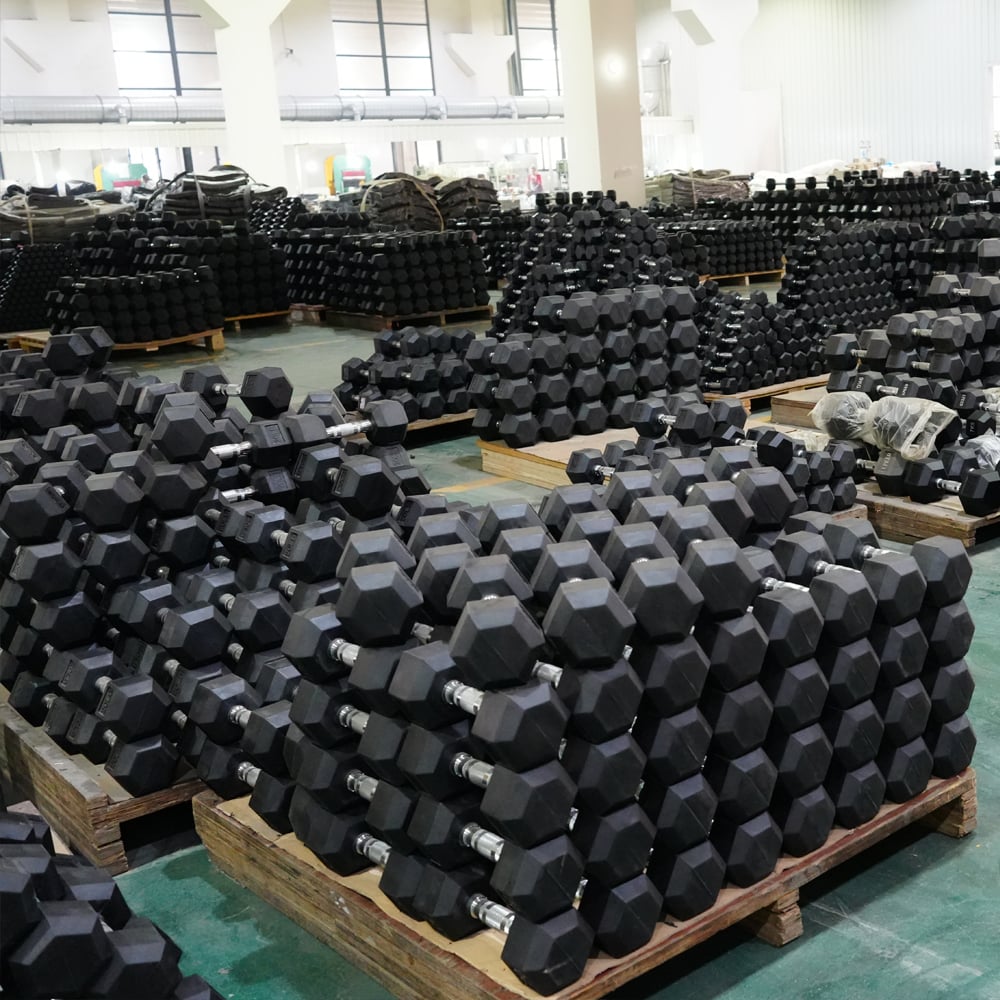
When it comes to professional weight training, equipment safety is never a secondary concern. Hex dumbbells have become a widely trusted choice in gyms, training facilities, and performance centers precisely because their design addresses real risks that traditional round dumbbells leave unresolved. Understanding what makes hex dumbbells structurally and functionally safer helps coaches, gym operators, and serious athletes make better equipment decisions.
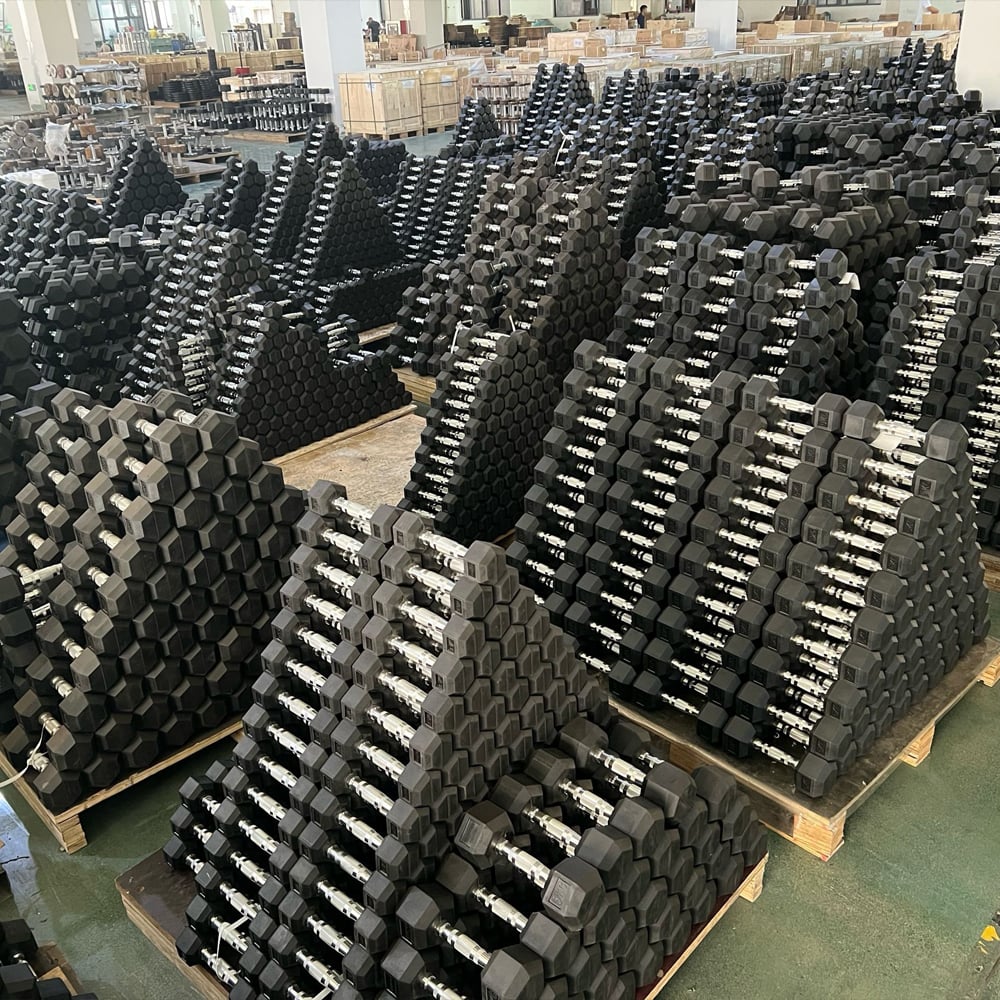
Hex dumbbells are named for the six-sided hexagonal heads that distinguish them from conventional round-head designs. This geometric difference is not purely aesthetic. It directly influences how hex dumbbells behave when placed on a floor, held during exercise, and used in high-repetition or fatigue-heavy training sessions. Each of the safety advantages built into hex dumbbells stems from deliberate engineering choices that align with the demands of professional training environments.
Roll-Resistance and Floor Safety
Why Flat Sides Matter in a Training Environment
The most immediately recognizable safety feature of hex dumbbells is their flat, hexagonal head geometry. Unlike round dumbbells, which roll freely across any surface when set down or dropped, hex dumbbells stay in place due to their flat sides. In a busy gym or professional training facility, a rolling dumbbell on the floor is a serious hazard. Athletes moving between stations, coaches spotting lifters, and support staff working nearby are all exposed to trip-and-fall risks when equipment is in motion. Hex dumbbells eliminate this specific danger by design.
The flat faces of hex dumbbells mean that even if a lifter releases the weight abruptly during a set, the dumbbell will settle stably on the nearest flat face rather than rolling away. This predictable behavior is especially important during free-weight exercises performed near benches, squat racks, and other equipment where a rolling dumbbell could cause secondary collisions or damage. Professional training spaces rely on hex dumbbells as a baseline safety standard for exactly this reason.
Stability During Rest and Transition
Hex dumbbells also improve safety during short rest intervals within a workout. Athletes frequently set hex dumbbells down between sets and then pick them up again without repositioning. Because hex dumbbells do not shift or drift across the floor during rest periods, the lifter always finds the weight in the same position they left it. This consistent behavior reduces the small but real risk of awkward or off-balance retrieval, which can lead to wrist strain or lower back stress when a lifter is already fatigued.
Grip Security and Injury Prevention
How Rubber Coating Enhances Safe Handling
Hex dumbbells designed with rubber coating provide a second layer of safety through enhanced grip security. The rubber surface of hex dumbbells creates meaningful friction between the lifter's hand and the weight, even when palms are sweaty during intense training. Bare metal or chrome dumbbells become slippery under these conditions, raising the risk of accidental drops that can injure the lifter's feet, hands, or other body parts. Rubber-coated hex dumbbells address this hazard directly by maintaining a secure grip surface throughout the set.
The rubber coating on hex dumbbells also softens the impact when the weight makes contact with the floor, a bench, or another piece of equipment. This matters in professional settings where multiple athletes train simultaneously and where equipment longevity is a priority. Rubber-coated hex dumbbells protect both the user and the training environment, reducing the likelihood of chipped floors, damaged equipment surfaces, and noise-related distractions that can break concentration during heavy lifts.
Handle Diameter and Control Under Load
The handle design of hex dumbbells contributes significantly to safe handling. Professional-grade hex dumbbells typically feature a knurled or textured handle that provides secure contact across different grip styles, including overhand, neutral, and underhand positions. A well-dimensioned handle on hex dumbbells allows athletes to transition smoothly between exercises without needing to readjust their grip, which is a common moment of instability that can lead to dropped weights or compromised form. When hex dumbbells are produced to consistent handle tolerances, athletes develop reliable muscle memory that supports safer lifting habits over time.
Structural Durability and Long-Term Safety
Cast Iron Construction and Load Integrity
Hex dumbbells built from solid cast iron or cast steel maintain their structural integrity across thousands of training sessions. Unlike adjustable dumbbells with mechanical components, or cheaper alternatives that may develop cracks or loose parts over extended use, solid hex dumbbells have no moving parts and no mechanisms that can fail unexpectedly. In a professional training context, this reliability means that athletes and coaches can trust each pair of hex dumbbells to perform consistently without hidden structural deterioration. Weight accuracy in solid hex dumbbells also remains stable over time, ensuring that athletes are always lifting the load they intend.
Why Consistent Weight Accuracy Matters for Safety
A subtle but important safety dimension of hex dumbbells involves weight accuracy. Professional programming often involves progressive overload calculated with precision. If hex dumbbells deviate significantly from their labeled weight, athletes may overload joints or muscles unexpectedly. Quality hex dumbbells are cast and finished to tight weight tolerances, which protects athletes from unplanned overloading that can contribute to tendon strain, joint stress, and cumulative injury. Coaches who manage athlete training loads benefit directly from using hex dumbbells that reliably reflect their marked weight values.
Hex dumbbells combine structural simplicity with deliberate safety engineering. Their hexagonal shape, rubber coating, textured handles, and solid construction each address distinct risk factors that arise in professional training settings. For facilities where athlete welfare and operational safety are non-negotiable priorities, hex dumbbells represent a well-tested and practical foundation for a safe free-weight training environment.
FAQ
Are hex dumbbells better than round dumbbells for safety?
Hex dumbbells offer clear safety advantages over round dumbbells, particularly in their resistance to rolling. Round dumbbells can shift across floors when dropped or set down, creating trip hazards. Hex dumbbells stay in place due to their flat hexagonal faces, making them a safer choice in shared or high-traffic training environments.
What weight range do hex dumbbells typically come in?
Hex dumbbells are typically available in a broad range starting from 1 kg or 2 lb increments up to 50 kg or 120 lb for professional and commercial use. Most facilities equip their free-weight areas with a full set of hex dumbbells to support athletes across all training levels and exercise types.
How should hex dumbbells be maintained to preserve safety features?
Hex dumbbells should be cleaned regularly with a non-abrasive cloth and mild disinfectant to maintain grip quality on the rubber surface. Inspecting hex dumbbells periodically for cracks in the rubber coating or handle damage helps identify wear before it becomes a safety issue. Storing hex dumbbells on a proper rack prevents unnecessary floor contact and extends the life of the rubber coating.