
 EN
EN
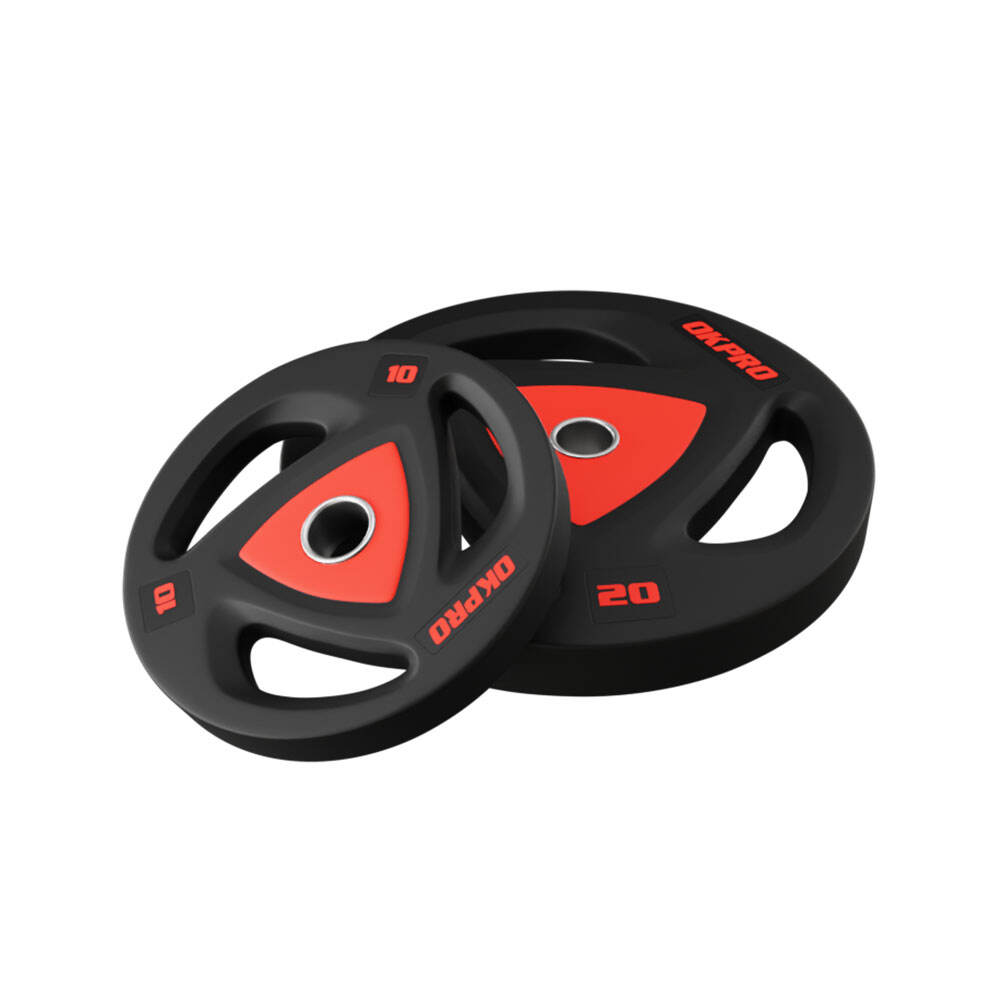
The Unmatched Flexibility of Weight Plates
Weight plates stand as one of the most versatile tools in fitness, seamlessly adapting to any workout routine regardless of skill level. Their simple yet effective design allows them to be incorporated into countless exercises, making them a staple in both home and commercial gyms. Unlike fixed-weight machines that limit movement patterns, weight plates empower users to customize resistance precisely to their needs. This adaptability makes them equally valuable for someone taking their first fitness steps as for elite athletes chasing new personal records. The true beauty of weight plates lies in their ability to grow with the user - as strength increases, additional plates can be introduced to maintain challenge and progression. Their compatibility with various equipment types further enhances their utility, creating endless possibilities for creative, effective workouts.
Benefits of Weight Plates for Strength Training
Adjustable Resistance for Progressive Overload
The fundamental principle behind muscle growth and strength development is progressive overload, and weight plates excel in facilitating this process. By allowing incremental weight adjustments, sometimes as small as 1.25 pounds, weight plates enable precise control over training intensity. This granular approach to resistance modification helps avoid plateaus while minimizing injury risk from jumping to heavier weights too quickly. The range of available plate sizes means a single set can accommodate everything from delicate rehabilitation exercises to maximum effort lifts. Furthermore, the ability to mix and match different plate sizes on the same bar allows for perfect weight customization that matches the user's current abilities and goals. This adjustability extends beyond traditional barbell exercises, as weight plates can be held or attached to various parts of the body to modify bodyweight movements.
Compatibility with Multiple Training Tools
Weight plates demonstrate remarkable versatility through their ability to integrate with nearly every piece of strength training equipment. From standard and Olympic barbells to plate-loaded machines and cable systems, these unassuming discs form the foundation of resistance training. Their universal design means a single investment in weight plates can serve multiple purposes across different training modalities. Even without specialized equipment, weight plates remain useful for functional training exercises like farmer's carries, Russian twists, or overhead presses. This cross-compatibility makes them particularly valuable for home gym owners working with limited space and budget. The standardized sizing of Olympic weight plates ensures they'll fit any Olympic barbell or compatible equipment, while standard plates work with their corresponding bars and machines.
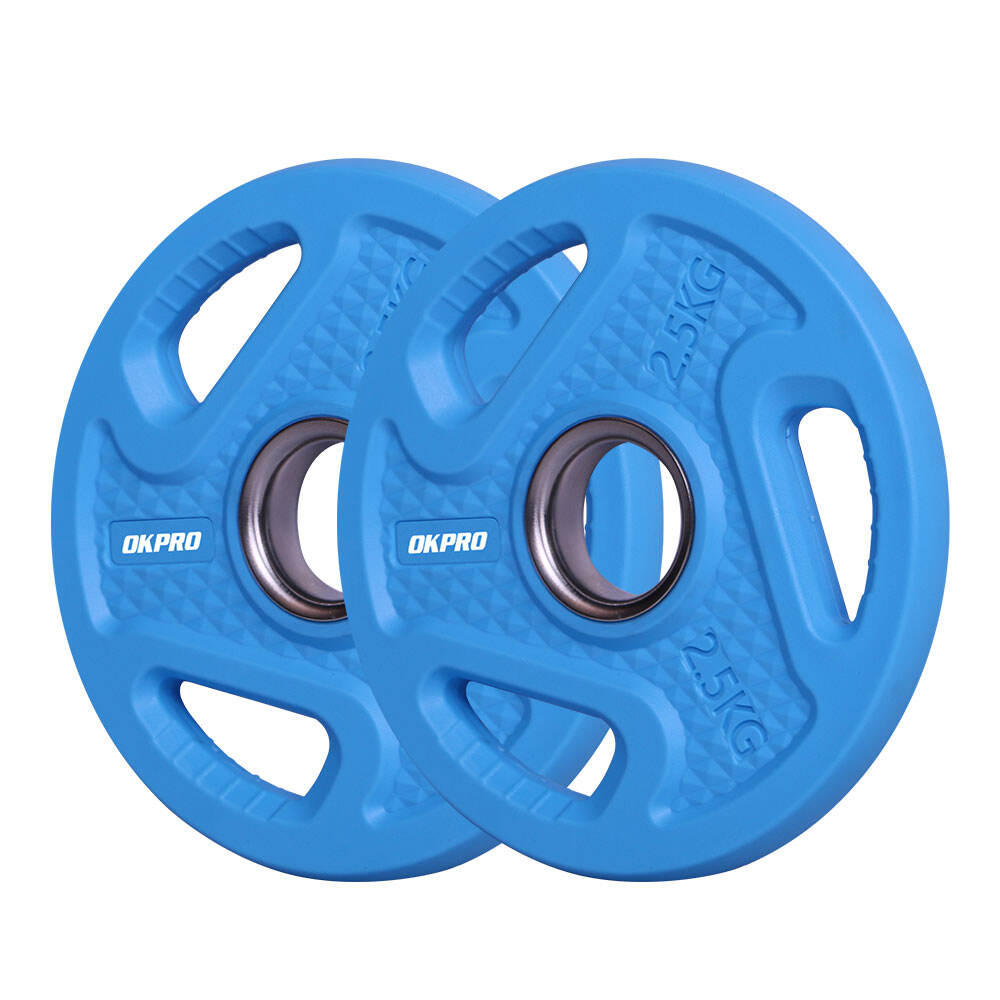
Weight Plates for Different Fitness Levels
Beginner-Friendly Training Options
For those new to strength training, weight plates offer a gentle introduction to resistance exercise while allowing for gradual progression. Beginners can start with very light plates or even just the bar to focus on mastering proper form before adding significant weight. The availability of small increment plates (2.5lb, 5lb) helps newcomers make steady progress without overwhelming their developing muscles and connective tissues. Exercises like plate-loaded leg presses or machine exercises allow beginners to experience the benefits of resistance training with reduced technical demands. Even simple movements like holding a weight plate during bodyweight squats or using it as a counterbalance can help novices develop better movement patterns. This scalability makes weight plates an ideal tool for personal trainers working with clients at various fitness levels within the same session.
Advanced Lifters and High-Intensity Workouts
Experienced athletes find weight plates indispensable for pushing their limits in strength and power development. The ability to load bars with multiple heavy plates enables advanced lifters to work at near-maximal capacities for compound lifts. Weight plates also facilitate specialized training techniques like drop sets, where plates can be quickly removed between sets to extend muscular fatigue. For power athletes, bumper plates allow for Olympic lifts and dynamic movements that would damage traditional plates. The standardized diameter of Olympic plates ensures proper range of motion in lifts like deadlifts, while thinner competition-style plates allow for greater weight loading on the bar. Advanced users often incorporate weight plates into complex conditioning circuits, using them for explosive movements like plate flips or sled pushes that develop both strength and cardiovascular endurance.
Choosing the Right Weight Plates
Material and Durability Considerations
The material composition of weight plates significantly impacts their performance, longevity, and suitability for different training environments. Cast iron plates offer classic durability at an affordable price point, making them popular for home gyms. Rubber-coated plates combine the heft of cast iron with protective outer layers that reduce noise and protect flooring - ideal for shared training spaces. Bumper plates, constructed from high-density rubber, are essential for Olympic lifting as they can withstand repeated drops from overhead. Urethane-coated plates represent a premium option with superior resistance to outdoor elements and abrasion. Each material has distinct advantages: cast iron provides the most weight per dollar, rubber coatings protect equipment and floors, while bumper plates enable dynamic lifting styles. The choice ultimately depends on training style, budget, and whether the plates will be used indoors or outdoors.
Weight Increments and Plate Sizes
Understanding weight plate sizing and increments is crucial for creating an effective training system. Olympic plates typically follow a standardized diameter (450mm) with varying thicknesses to account for different weights. This consistency ensures proper barbell elevation during deadlifts regardless of the weight loaded. Smaller fractional plates (0.5kg, 1.25lb) are invaluable for making micro-adjustments, especially important during strength plateaus or rehabilitation. Standard plates come in various diameters that may require additional consideration for certain lifts. The thickness of plates becomes important when loading heavy weights on Olympic bars, as thinner competition-style plates allow more total weight on the bar. Color-coding systems used by many manufacturers help quickly identify plate weights at a glance, improving workout efficiency. When building a plate collection, it's wise to acquire pairs of each weight to maintain balance during barbell exercises.
FAQ
What's the ideal weight plate set for a beginner?
A beginner's ideal weight plate set should include pairs of 2.5lb, 5lb, and 10lb plates along with a few 25lb plates to allow for gradual progression. Including some small fractional plates can help with making subtle adjustments during the early stages of strength development.
How often should weight plates be replaced?
With proper care, quality weight plates can last decades without needing replacement. Regular inspection for cracks (in cast iron), rubber deterioration, or significant warping will indicate when replacement might be necessary. Bumper plates typically show wear on the outer edges first.
Can weight plates be used for physical therapy?
Weight plates serve excellently in physical therapy settings due to their adjustable nature. Light plates can provide gentle resistance for rehabilitation exercises, and their flat surfaces often make them easier to grip than dumbbells for patients with limited hand strength.