 EN
EN

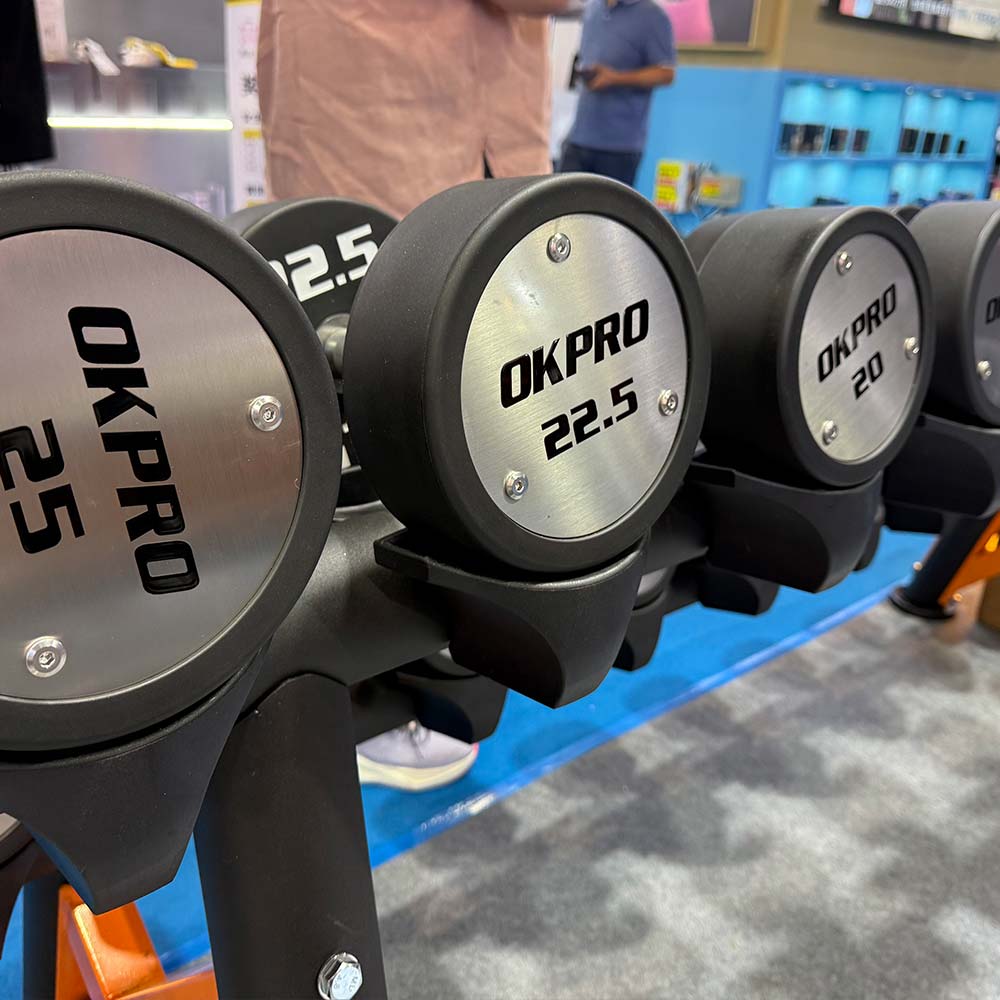
When outfitting a gym, every piece of equipment matters — and anti-slip weight plates stand out as a critical investment for safety and performance. Anti-slip weight plates feature specially engineered surface textures that prevent plates from sliding during lifts, drops, and storage. For gym owners, coaches, and fitness professionals, choosing anti-slip weight plates is not simply a preference — it is a practical decision that directly impacts user safety, equipment longevity, and the overall training experience.
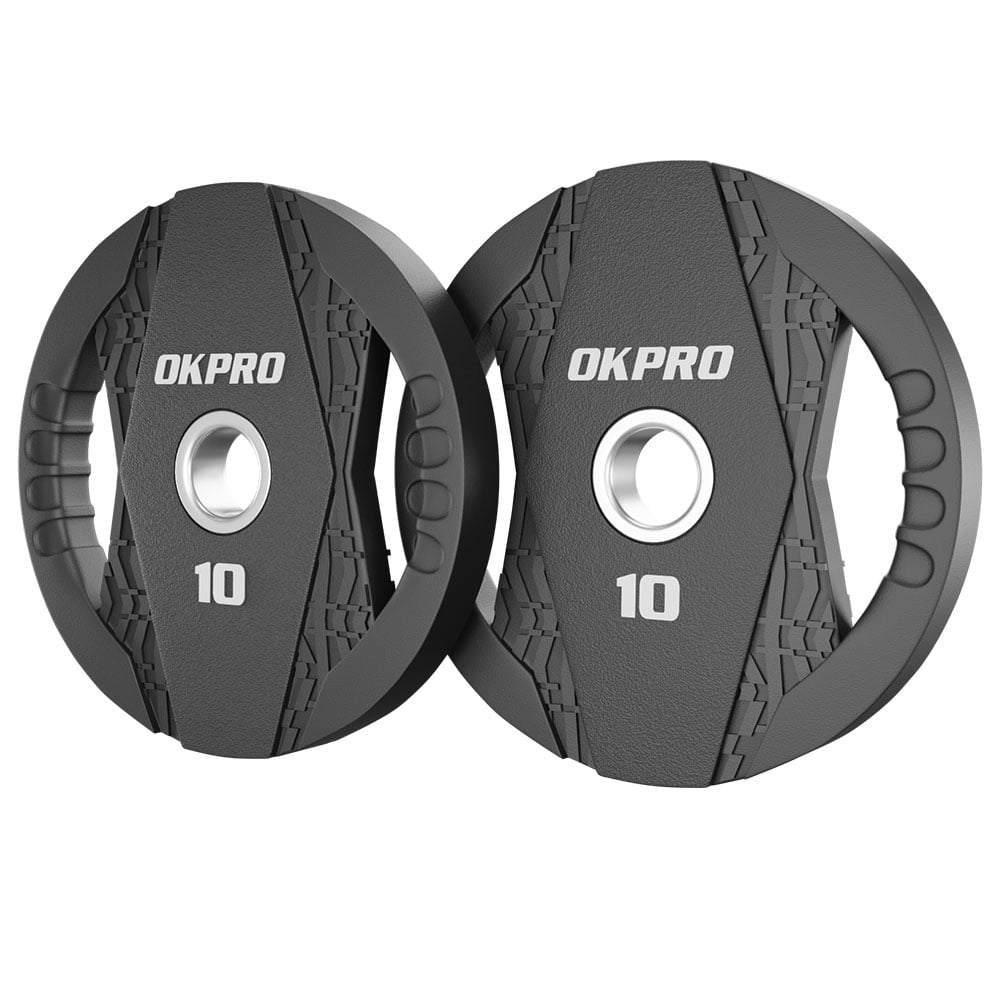
Anti-slip weight plates are now widely adopted in commercial gyms, training centers, and home setups worldwide. The textured surface finish on anti-slip weight plates provides grip that standard smooth-surface plates simply cannot deliver. As demand for functional, safe fitness equipment grows, understanding what makes anti-slip weight plates the right choice helps buyers make smarter procurement decisions. This article explains the core reasons why anti-slip weight plates belong in every serious gym environment.
Safety Benefits of Anti-Slip Weight Plates
Reducing Accident Risks During Training
One of the most compelling reasons to choose anti-slip weight plates is accident prevention. During high-intensity training, plates loaded onto barbells can shift if their surfaces are too smooth or worn. Anti-slip weight plates use surface textures — often in the form of raised patterns, grooves, or rubber coatings — that grip adjacent plates and barbell sleeves more securely. This means anti-slip weight plates stay in position even under dynamic movement, reducing the risk of plates sliding off mid-exercise and causing serious injury.
Floor drops are common in powerlifting and functional training environments. When anti-slip weight plates are dropped, their textured surfaces reduce rolling distance and erratic movement across gym floors. Compared to smooth plates, anti-slip weight plates behave more predictably upon impact, which lowers the chance of plates striking equipment, walls, or nearby users. This makes anti-slip weight plates especially valuable in crowded commercial gym settings where multiple athletes train simultaneously.
Safer Handling and Plate Changes
Changing plates quickly and safely is a routine part of gym training. Anti-slip weight plates are significantly easier to grip, lift, and reposition than smooth alternatives. The textured surface of anti-slip weight plates gives users a firm hold even when hands are sweaty or chalked. This reduces fumbling, plate drops during handling, and the associated injury risks. For gym staff managing equipment throughout a session, anti-slip weight plates reduce physical fatigue and improve the efficiency of plate changes.
Durability and Maintenance Advantages
Surface Texture Protects the Plate Structure
Anti-slip weight plates are typically constructed from rubber-coated or textured cast iron materials. The anti-slip surface texture does more than prevent sliding — it also acts as a protective layer for the plate itself. When anti-slip weight plates are stacked for storage, the textured surfaces absorb contact pressure more evenly, reducing the metal-on-metal abrasion that damages smooth plates over time. This means anti-slip weight plates retain their structural integrity and finish for longer periods, even under heavy daily use in commercial gyms.
Rubber-coated anti-slip weight plates also resist moisture, oxidation, and general corrosion better than bare metal plates. Gym environments accumulate sweat, cleaning agents, and humidity over time. Anti-slip weight plates with rubber or textured polymer surfaces create a barrier that protects the core material. As a result, anti-slip weight plates require less frequent replacement and deliver better value over the equipment lifespan.
Floor and Equipment Protection
Beyond protecting themselves, anti-slip weight plates also protect gym infrastructure. The textured or rubber surface of anti-slip weight plates cushions impact when plates contact the floor during drops or rack placement. This reduces floor damage, decreases noise levels, and minimizes vibration transfer. Gym operators who invest in anti-slip weight plates often report reduced flooring maintenance costs compared to facilities using smooth metal plates. Anti-slip weight plates are therefore a sound financial decision as well as a safety-focused one.
Performance and User Experience
Improved Confidence and Training Focus
When athletes train with anti-slip weight plates, they can focus on technique and effort rather than worrying about equipment stability. Confidence in equipment directly influences training performance. Anti-slip weight plates eliminate the subtle anxiety that comes from hearing plates rattle or shift during a lift. With anti-slip weight plates secured firmly on the barbell, athletes can push harder, maintain better form, and achieve more consistent results across training sessions. This psychological benefit of anti-slip weight plates should not be underestimated in a professional gym context.
Versatility Across Training Styles
Anti-slip weight plates serve diverse training formats effectively. Whether used in powerlifting, Olympic lifting, functional fitness, rehabilitation training, or general strength work, anti-slip weight plates perform reliably across all these contexts. The textured grip of anti-slip weight plates accommodates deadlifts, overhead presses, loaded carries, and barbell complexes equally well. Gym operators do not need to stock multiple plate types for different training zones when anti-slip weight plates offer this level of versatility. Standardizing on anti-slip weight plates simplifies inventory management and ensures consistent safety standards throughout the facility.
Anti-slip weight plates also appeal to a broad user base — from elite strength athletes to beginners learning proper lifting mechanics. New gym members benefit especially from anti-slip weight plates because secure, stable equipment reduces beginner errors that stem from unexpected plate movement. Offering anti-slip weight plates signals to all users that the gym prioritizes safety and quality at every level of the training experience.
FAQ
What materials are commonly used to create the anti-slip texture on weight plates?
Anti-slip weight plates are most commonly made with rubber coatings, urethane finishes, or textured cast iron surfaces. Rubber-coated anti-slip weight plates are particularly popular in commercial gyms because the rubber layer provides excellent grip, floor protection, and noise reduction simultaneously. Urethane anti-slip weight plates offer a firmer feel with similar anti-slip properties and superior abrasion resistance for high-use environments.
Are anti-slip weight plates suitable for both home and commercial gyms?
Yes, anti-slip weight plates are an excellent choice for both home and commercial gym settings. In home gyms, anti-slip weight plates protect flooring and reduce noise in shared living spaces. In commercial gyms, anti-slip weight plates provide consistent safety across high-traffic usage. The durability and protective surface of anti-slip weight plates make them a practical investment regardless of facility size or training volume.
Do anti-slip weight plates fit standard barbell sizes?
Anti-slip weight plates are available in both standard and Olympic hole sizes, so compatibility with existing barbells is straightforward. Most anti-slip weight plates designed for commercial use feature a 50mm center hole compatible with Olympic barbells. When purchasing anti-slip weight plates, buyers should confirm the hole diameter matches their barbell sleeve dimensions to ensure a proper, secure fit during training.