 EN
EN

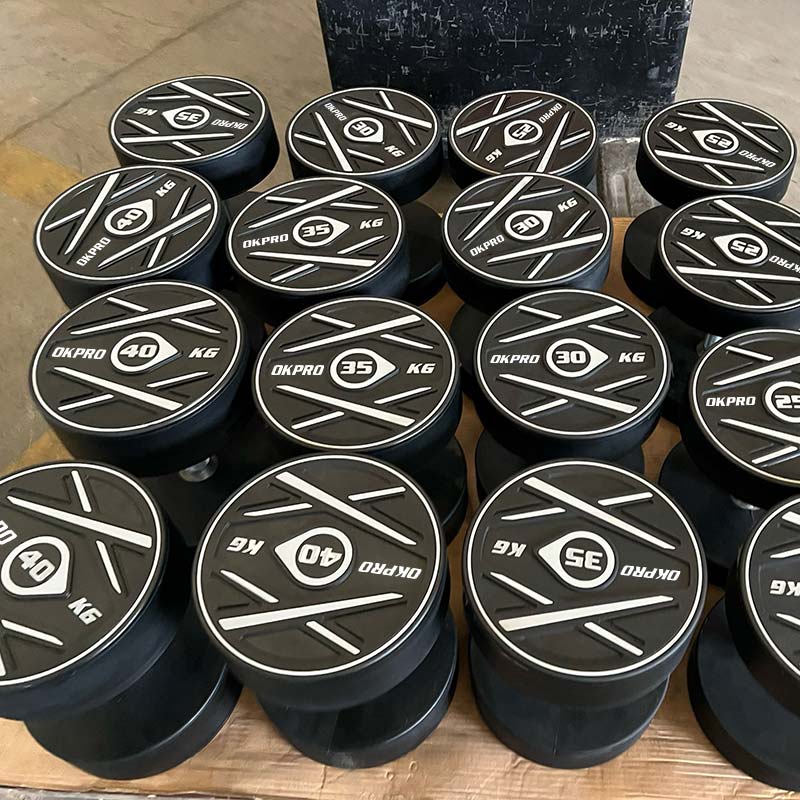
The fitness equipment industry has experienced unprecedented growth over the past decade, with home gyms becoming increasingly popular among health-conscious consumers. For retailers and distributors looking to capitalize on this trend, sourcing wholesale dumbbells directly from manufacturers represents a strategic opportunity to maximize profit margins while building a sustainable business model. Understanding the intricacies of factory-direct purchasing can transform your business operations and position you ahead of competitors who rely on traditional distribution channels.

Direct factory sourcing eliminates multiple layers of intermediaries that traditionally inflate product costs. When you purchase wholesale dumbbells through conventional distribution networks, each middleman adds their markup, resulting in significantly higher unit costs. Manufacturing facilities offer the most competitive pricing structures, allowing retailers to achieve margins that can be 40-60% higher than those available through standard wholesale channels. This cost advantage becomes particularly pronounced when dealing with large volume orders or establishing long-term partnerships with reliable manufacturers.
Understanding Factory-Direct Pricing Advantages
Elimination of Distribution Markups
Traditional distribution chains involve multiple intermediaries between manufacturers and retailers, each adding their own profit margins to the final product cost. When sourcing wholesale dumbbells directly from factories, these intermediate markups are completely eliminated. Manufacturers typically operate on lower margin structures compared to distributors, as they focus on volume production rather than retail markup strategies. This fundamental difference in business models creates substantial cost savings opportunities for retailers willing to establish direct relationships with production facilities.
The cumulative effect of bypassing distributors, regional dealers, and sales representatives can result in cost reductions of 25-50% compared to traditional purchasing methods. These savings directly translate to improved profit margins or competitive pricing advantages that can help retailers capture larger market shares. Smart business operators recognize that maintaining direct manufacturer relationships provides sustainable competitive advantages that compound over time through improved supplier loyalty and preferential treatment.
Volume-Based Pricing Structures
Manufacturing facilities operate on economies of scale, making them naturally inclined to offer preferential pricing for larger order quantities. When purchasing wholesale dumbbells in significant volumes, factories can optimize their production schedules, reduce per-unit manufacturing costs, and pass these savings along to direct customers. This creates a win-win scenario where manufacturers achieve efficient production runs while retailers secure increasingly attractive unit costs as their order sizes grow.
Progressive pricing tiers often reward loyalty and commitment with increasingly favorable terms. Establishing minimum order quantities that align with factory production capabilities can unlock pricing levels typically reserved for the largest distributors. These volume-based advantages become particularly valuable for retailers planning inventory expansion or seasonal stockpiling strategies that require substantial upfront investments but yield superior long-term profitability.
Quality Control and Customization Benefits
Direct Quality Oversight
Working directly with manufacturers provides unprecedented visibility into production processes and quality control measures. When sourcing wholesale dumbbells from factories, retailers can establish specific quality standards, inspection protocols, and testing requirements that ensure consistent product excellence. This direct oversight capability eliminates the uncertainty often associated with multi-tier distribution systems where quality control responsibilities may be unclear or inconsistent across different handling stages.
Factory partnerships enable real-time communication about production schedules, quality issues, and specification changes that might affect product characteristics. This transparency allows retailers to maintain consistent inventory quality and address potential problems before they impact customer satisfaction. Additionally, direct manufacturer relationships often include access to quality certification documentation, testing reports, and compliance information that supports retail marketing efforts and customer confidence.
Customization and Private Labeling Options
Manufacturing facilities typically offer extensive customization capabilities that are rarely available through traditional distribution channels. Retailers sourcing wholesale dumbbells directly from factories can often specify custom weight configurations, handle designs, coating materials, and branding elements that differentiate their products in competitive markets. These customization options enable the development of exclusive product lines that cannot be easily replicated by competitors relying on standard distributor inventory.
Private labeling opportunities represent particularly valuable differentiation strategies for retailers seeking to build brand recognition and customer loyalty. Factory-direct relationships often include access to custom packaging, product documentation, and branding services that transform generic fitness equipment into distinctive retail offerings. The ability to create exclusive wholesale dumbbells with unique specifications and branding provides sustainable competitive advantages that justify premium pricing strategies.
Supply Chain Efficiency and Reliability
Streamlined Logistics Management
Direct factory relationships significantly simplify supply chain management by reducing the number of coordination points required for successful order fulfillment. When purchasing wholesale dumbbells through traditional distribution networks, retailers must manage relationships with multiple parties, each with their own scheduling constraints, inventory limitations, and communication protocols. Factory-direct sourcing consolidates these interactions into single-point management systems that improve efficiency and reduce operational complexity.
Streamlined logistics also enable more predictable lead times and delivery schedules that support better inventory planning and customer service capabilities. Manufacturing facilities typically maintain more accurate production forecasts and capacity planning systems compared to distributors who must coordinate multiple supplier relationships. This operational transparency allows retailers to develop more reliable procurement strategies and maintain optimal inventory levels without excessive safety stock requirements.
Reduced Supply Chain Vulnerabilities
Multi-tier distribution systems create numerous points of potential failure that can disrupt product availability and delivery schedules. Each intermediary represents a potential bottleneck where inventory shortages, operational problems, or communication breakdowns can impact the entire supply chain. Direct factory relationships eliminate these intermediate vulnerabilities and create more resilient procurement systems that better withstand market disruptions and operational challenges.
The simplified supply chain structure also provides greater visibility into potential problems and faster response capabilities when issues do arise. Manufacturers typically maintain better communication protocols with direct customers compared to the arm's-length relationships common in multi-tier distribution systems. This enhanced communication enables proactive problem-solving and contingency planning that minimizes business disruption when unexpected challenges occur.
Long-Term Partnership Development
Strategic Relationship Building
Establishing direct relationships with wholesale dumbbells manufacturers creates opportunities for strategic partnerships that extend far beyond simple buyer-seller transactions. Manufacturing facilities often value direct customer relationships and may be willing to provide preferential treatment, exclusive access to new products, and collaborative development opportunities for retailers who demonstrate commitment and volume consistency. These strategic partnerships can become significant competitive assets that provide sustainable business advantages.
Long-term manufacturer relationships also facilitate knowledge sharing and market intelligence exchange that benefits both parties. Factory partners often possess valuable insights about industry trends, material innovations, and production techniques that can inform retail strategy development. Similarly, retailers provide market feedback and customer preference information that helps manufacturers improve their products and develop new offerings that better serve end-user requirements.
Innovation and Product Development Collaboration
Direct manufacturer partnerships frequently evolve into collaborative innovation relationships where retailers can influence product development priorities and specifications. When sourcing wholesale dumbbells from responsive factory partners, retailers may gain access to prototype testing programs, exclusive product launches, and co-development opportunities that create unique market positioning advantages. These collaborative relationships enable retailers to participate in shaping the products they sell rather than simply selecting from existing options.
Innovation partnerships also provide early access to new technologies, materials, and design concepts that can differentiate retail offerings in competitive markets. Manufacturers often develop new products based on direct customer feedback and market requirements identified through their retail partnerships. This collaborative approach ensures that new product developments align with actual market demand rather than theoretical specifications that may not resonate with end users.
Financial and Operational Advantages
Improved Cash Flow Management
Factory-direct purchasing often provides more flexible payment terms and financing options compared to traditional distribution arrangements. Manufacturing facilities may offer extended payment terms, progressive payment schedules, or seasonal adjustment options that better align with retail cash flow patterns. These flexible arrangements enable retailers to optimize working capital management and maintain healthier financial positions throughout different business cycles.
The improved margins available through direct sourcing also create additional financial flexibility for investment in marketing, inventory expansion, or operational improvements. Higher profitability per unit sold provides resources for business growth initiatives that may not be feasible when operating on thinner margins typical of traditional distribution arrangements. This financial advantage compounds over time as retailers reinvest their improved profitability into further business development activities.
Competitive Market Positioning
The cost advantages gained through direct factory sourcing enable retailers to pursue various competitive strategies that may not be viable under traditional procurement arrangements. Lower wholesale dumbbells costs support aggressive pricing strategies designed to capture market share, premium positioning through enhanced product features, or balanced approaches that optimize both margins and competitiveness. This strategic flexibility represents a significant competitive advantage in dynamic market environments.
Enhanced profitability also supports investment in value-added services, superior customer support, and marketing initiatives that differentiate retailers from competitors operating under higher cost structures. The ability to offer competitive pricing while maintaining healthy margins enables sustainable business growth and market expansion opportunities that create long-term competitive advantages.
FAQ
What minimum order quantities are typically required when sourcing wholesale dumbbells directly from factories
Most dumbbell manufacturers establish minimum order quantities based on production efficiency requirements, typically ranging from 100 to 500 units per order depending on the specific product types and customization levels requested. These minimums help factories optimize their production schedules and achieve cost efficiencies that enable competitive pricing. Retailers should evaluate their inventory turnover rates and storage capabilities to ensure minimum orders align with their business requirements while maximizing the cost benefits of direct sourcing.
How do payment terms differ between factory-direct sourcing and traditional distribution channels
Factory-direct relationships often provide more flexible payment arrangements including extended terms, partial prepayment options, or letters of credit that better accommodate retailer cash flow patterns. Traditional distributors typically require faster payment terms since they operate on higher turnover models with shorter financing cycles. Manufacturing facilities may offer 30-60 day terms or seasonal payment adjustments that provide retailers with improved working capital management opportunities compared to standard distribution arrangements.
What quality assurance measures should retailers implement when working directly with dumbbell manufacturers
Successful factory-direct relationships require establishing clear quality specifications, inspection protocols, and testing requirements before production begins. Retailers should request sample approvals, material certifications, and production process documentation to ensure consistent quality standards. Regular facility audits, third-party inspections, and ongoing communication about quality metrics help maintain product excellence throughout long-term manufacturing partnerships.
How can retailers evaluate the reliability and capabilities of potential factory partners
Thorough due diligence should include facility visits, reference checks with existing customers, financial stability assessments, and production capacity evaluations. Retailers should verify manufacturing certifications, quality management systems, and export capabilities to ensure potential partners can meet their specific requirements. Additionally, evaluating communication responsiveness, technical expertise, and willingness to accommodate customization requests provides insights into long-term partnership potential and operational compatibility.
Table of Contents
- Understanding Factory-Direct Pricing Advantages
- Quality Control and Customization Benefits
- Supply Chain Efficiency and Reliability
- Long-Term Partnership Development
- Financial and Operational Advantages
-
FAQ
- What minimum order quantities are typically required when sourcing wholesale dumbbells directly from factories
- How do payment terms differ between factory-direct sourcing and traditional distribution channels
- What quality assurance measures should retailers implement when working directly with dumbbell manufacturers
- How can retailers evaluate the reliability and capabilities of potential factory partners