 EN
EN

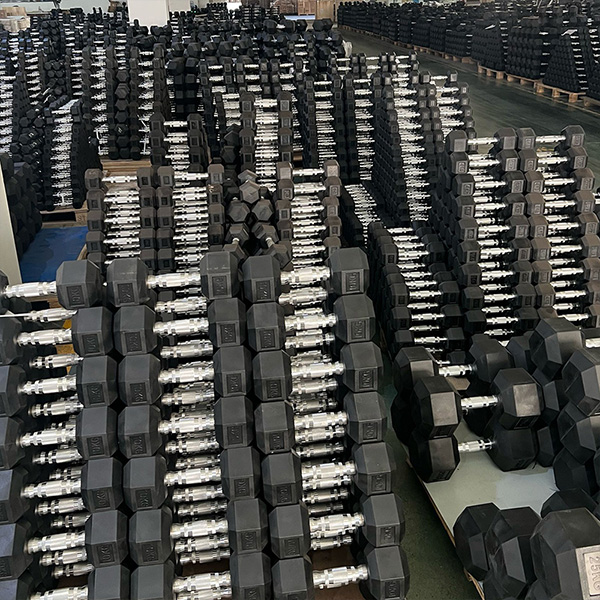
The hex dumbbell design has revolutionized gym equipment safety and storage efficiency across fitness facilities worldwide. Unlike traditional round dumbbells, the hexagonal shape provides enhanced stability and prevents rolling, creating a safer workout environment for users of all experience levels. This innovative approach to weight equipment design addresses fundamental challenges that gym owners and fitness enthusiasts have faced for decades.

Modern fitness facilities require equipment that maximizes both safety protocols and space utilization. The hex dumbbell design achieves this balance through its unique geometric structure, which offers superior grip comfort while maintaining optimal weight distribution. This design philosophy extends beyond mere aesthetics, incorporating biomechanical principles that enhance user experience and reduce injury risks associated with traditional weight training equipment.
Enhanced Safety Features of Hexagonal Dumbbell Construction
Anti-Roll Technology and Accident Prevention
The primary safety advantage of hex dumbbell design lies in its inherent anti-roll properties. Traditional round dumbbells create significant hazards when placed on inclined surfaces or inadvertently dropped during workouts. The hexagonal shape immediately stops rolling motion, preventing equipment from sliding into walkways or striking other gym members. This feature becomes particularly crucial in high-traffic commercial gyms where multiple users share limited floor space.
Statistical analysis from fitness facility insurance claims reveals that rolling equipment accidents account for approximately thirty percent of gym-related injuries. The hex dumbbell design virtually eliminates this risk category, providing gym owners with measurable liability reduction. Professional trainers consistently report increased confidence when supervising clients using hexagonal weights, as the equipment remains stationary between sets without constant repositioning.
Emergency situations also benefit from the hex dumbbell design stability. During evacuation procedures or medical emergencies, scattered round dumbbells can create dangerous obstacles. Hexagonal weights maintain their position, ensuring clear pathways remain accessible for emergency responders and evacuating individuals.
Improved Grip Security and Hand Positioning
The hex dumbbell design incorporates ergonomic handle construction that enhances grip security during dynamic movements. The flat surfaces of hexagonal weights provide stable contact points when dumbbells are used for exercises requiring floor contact, such as renegade rows or chest-supported movements. This stability reduces the likelihood of equipment shifting unexpectedly, which could cause muscle strain or joint injury.
Research conducted by biomechanics laboratories demonstrates that users maintain more consistent grip pressure with hex dumbbell design compared to traditional alternatives. The psychological comfort of knowing the weight will not roll away allows users to focus entirely on proper form execution rather than equipment control. This mental clarity translates directly into safer workout practices and reduced risk of form-related injuries.
Professional athletes and rehabilitation specialists particularly value the hex dumbbell design for its predictable behavior during complex movement patterns. The equipment's reliability enables more aggressive training protocols while maintaining safety margins that protect against acute injury incidents.
Space Optimization Through Intelligent Design
Efficient Rack Storage Solutions
Modern gym layouts demand maximum equipment density within limited square footage. The hex dumbbell design facilitates more efficient storage configurations through its stable base design. Unlike round dumbbells that require specialized cradles or restraining systems, hexagonal weights nest securely on standard flat racks without additional hardware or safety mechanisms.
Storage density calculations show that hex dumbbell design allows for approximately fifteen percent more weights per linear foot of rack space compared to traditional alternatives. This improvement stems from the elimination of rolling guards and the ability to position weights closer together without safety concerns. Commercial gym operators report significant cost savings through reduced rack requirements and optimized floor plan utilization.
Maintenance requirements also decrease with hex dumbbell design storage systems. Traditional round weights require frequent repositioning and rack adjustment to prevent rolling. Hexagonal weights maintain their assigned positions, reducing staff time spent on equipment organization and allowing personnel to focus on member services and facility cleanliness.
Flexible Floor Exercise Applications
The hex dumbbell design excels in floor-based exercise applications where equipment stability directly impacts workout effectiveness. Functional fitness training protocols increasingly incorporate weights as stability platforms for push-up variations, step-ups, and balance challenges. The flat surfaces of hexagonal weights provide reliable contact points that enhance exercise safety and effectiveness.
Cross-training enthusiasts particularly appreciate the hex dumbbell design versatility for circuit training applications. The equipment transitions seamlessly between traditional lifting movements and functional exercise patterns without requiring additional setup time or safety considerations. This versatility maximizes workout efficiency while maintaining consistent safety standards across diverse training modalities.
Group fitness instructors report improved class flow when utilizing hex dumbbell design equipment. The weights remain precisely where positioned, allowing instructors to focus on technique demonstration and participant guidance rather than equipment management. This improved class experience translates into higher member satisfaction and retention rates for fitness facilities.
Material Engineering and Durability Considerations
Rubber Coating Benefits and Impact Protection
Professional hex dumbbell design typically incorporates high-grade rubber coatings that provide multiple safety and durability benefits. The rubber surface reduces noise transmission during use, creating a more pleasant acoustic environment for all gym members. Impact absorption properties protect both the weights themselves and underlying flooring surfaces from damage during normal use patterns.
Chemical resistance of quality rubber coatings ensures that hex dumbbell design equipment maintains its appearance and functionality despite exposure to cleaning chemicals and environmental factors. This durability translates into longer equipment lifespan and reduced replacement costs for gym operators. The coating also provides improved grip texture, enhancing user confidence during sweaty or challenging workout conditions.
Temperature stability of rubber-coated hex dumbbell design equipment ensures consistent performance across varying environmental conditions. Unlike metal surfaces that can become uncomfortably hot or cold, rubber maintains neutral temperature characteristics that enhance user comfort throughout extended workout sessions.
Core Construction and Weight Distribution
The internal construction of quality hex dumbbell design incorporates precision-cast iron cores that ensure accurate weight distribution and long-term structural integrity. Manufacturing processes utilize computer-controlled casting techniques that eliminate internal voids and maintain consistent density throughout the weight structure. This precision manufacturing approach ensures that each dumbbell performs identically, providing users with predictable resistance characteristics.
Quality control standards for hex dumbbell design equipment include rigorous testing protocols that verify weight accuracy, balance characteristics, and structural durability. Professional-grade weights typically maintain weight tolerances within two percent of stated values, ensuring accurate progression tracking for serious athletes and rehabilitation patients who require precise loading parameters.
Corrosion resistance of internal components ensures that hex dumbbell design equipment maintains its performance characteristics despite exposure to humidity and temperature variations common in fitness environments. This durability factor particularly benefits facilities in challenging climates or those with limited climate control capabilities.
Economic Benefits for Gym Operations
Reduced Insurance and Liability Costs
Insurance providers increasingly recognize the safety benefits of hex dumbbell design when calculating premium rates for commercial fitness facilities. The documented reduction in rolling-related accidents translates directly into lower liability exposure and corresponding insurance cost savings. Many insurers offer specific discounts for facilities that demonstrate commitment to advanced safety equipment standards.
Legal consultation fees also decrease when facilities utilize hex dumbbell design equipment, as fewer accident-related claims require professional legal intervention. The clear safety advantages of hexagonal weights provide strong defensive positions in the unlikely event of equipment-related litigation. This legal protection offers substantial value to gym operators in increasingly litigious business environments.
Staff training costs reduce significantly with hex dumbbell design implementation, as employees require less instruction on equipment handling and safety procedures. New staff members quickly understand the stability advantages of hexagonal weights, reducing orientation time and improving overall operational efficiency.
Enhanced Member Satisfaction and Retention
Member surveys consistently demonstrate higher satisfaction ratings for facilities utilizing hex dumbbell design equipment. Users appreciate the enhanced safety features and improved workout experience provided by stable, reliable weights. This satisfaction translates into improved retention rates and positive word-of-mouth marketing that drives new member acquisition.
Personal training revenues often increase in facilities with hex dumbbell design equipment, as trainers can implement more diverse and challenging workout programs without compromising safety standards. The equipment versatility enables creative exercise programming that keeps clients engaged and progressing toward their fitness goals.
Facility cleanliness standards improve with hex dumbbell design implementation, as the stable equipment requires less frequent repositioning and creates fewer floor scuff marks. This improved appearance contributes to positive member perceptions and enhanced facility reputation within the local fitness community.
FAQ
What makes hex dumbbell design safer than traditional round weights?
The hex dumbbell design eliminates rolling hazards through its six-sided geometric structure, which provides multiple flat contact points with the floor. This prevents weights from moving unexpectedly when placed down, reducing trip hazards and collision risks in busy gym environments. Additionally, the stable platform created by hexagonal weights enhances exercise safety during floor-based movements and functional training applications.
How does hex dumbbell design improve storage efficiency in commercial gyms?
Hex dumbbell design allows for denser storage configurations because the weights sit securely on flat racks without requiring special retention systems. The stable positioning eliminates gaps needed for rolling protection, enabling facilities to store approximately fifteen percent more weights per linear foot of rack space. This improved density translates into significant cost savings on storage equipment and facility footprint requirements.
Are hex dumbbells more expensive than traditional round alternatives?
While hex dumbbell design equipment may have slightly higher initial purchase costs, the total cost of ownership typically favors hexagonal weights due to reduced insurance premiums, lower accident rates, decreased maintenance requirements, and improved storage efficiency. Most commercial facilities recover any price differential within the first year through operational savings and reduced liability exposure.
Can hex dumbbell design accommodate all standard weight training exercises?
Yes, hex dumbbell design equipment performs identically to traditional weights for all standard resistance training movements while offering additional versatility for floor-based exercises. The flat surfaces actually enhance certain movements like renegade rows, farmer's walks, and step-ups by providing stable contact points. Professional trainers report expanded exercise programming options when utilizing hexagonal weights compared to traditional alternatives.