Rubber Plates for Protection and Performance

Get a Free Quote

Email
Name
Company Name
Mobile
Message
0/1000

rubber plates

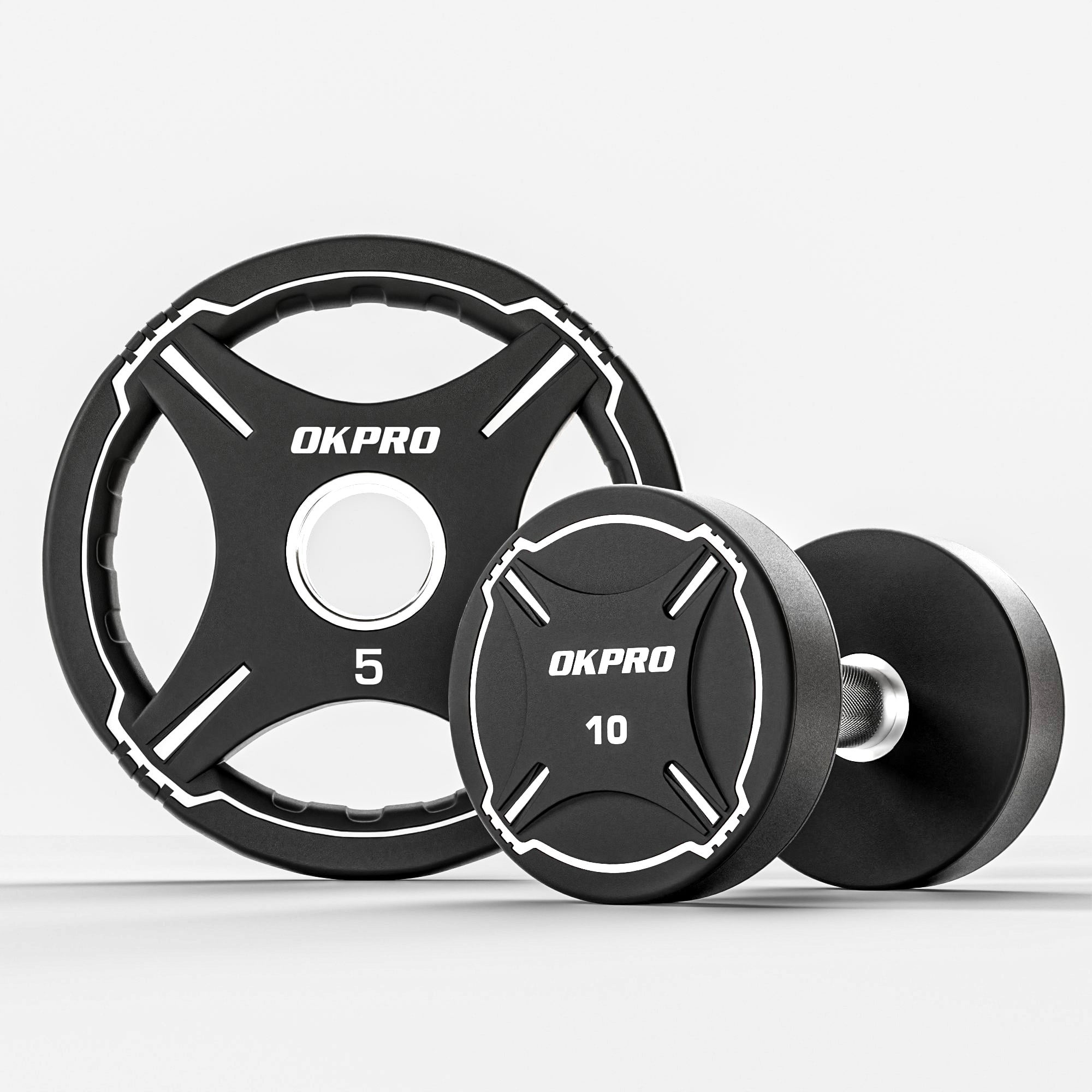
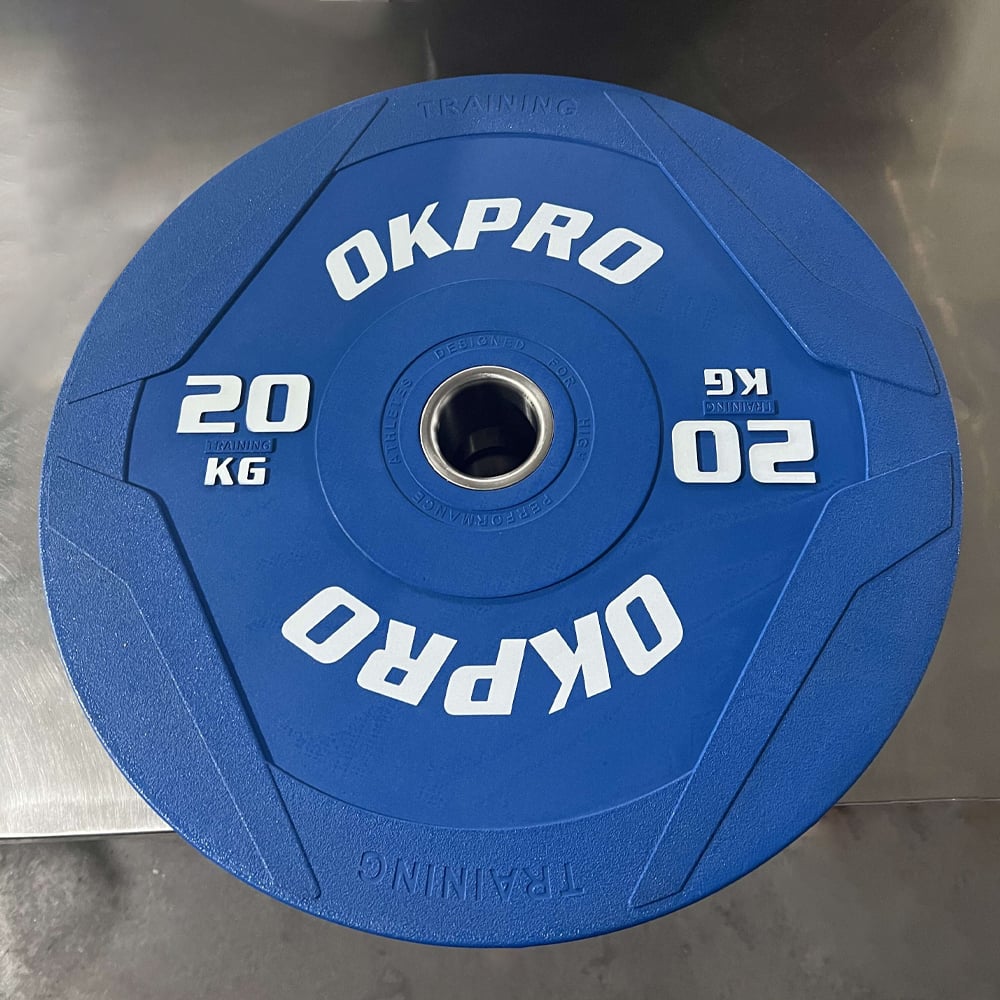
Rubber plates are flat, flexible sheets made from natural or synthetic rubber for cushioning, sealing, lining, insulation, and surface protection. They provide a practical barrier between equipment, materials, and working surfaces. Unlike hard panels, rubber plates can absorb impact, reduce vibration, limit noise, and conform to slightly uneven areas. These rubber plates come in different thicknesses, sizes, colors, and hardness levels, allowing buyers to select a suitable option for a specific task. Many rubber plates use compounds designed to resist water, oils, chemicals, heat, sunlight, abrasion, or repeated compression. Material selection depends on the operating environment and the type of contact expected. Rubber plates with a smooth face support easy cleaning and sealing, while textured patterns improve grip and help reduce slipping. Rubber plates may also include fabric reinforcement when users need greater strength, dimensional stability, or resistance to stretching. The surface of rubber plates can be cut, drilled, punched, or shaped to create gaskets, pads, barriers, and custom components. Depending on the compound, rubber plates can operate indoors or outdoors and perform reliably under frequent handling. Rubber plates serve manufacturing plants, workshops, construction sites, warehouses, transport facilities, farms, gyms, and maintenance departments. Rubber plates also work as protective layers beneath machinery, storage racks, tool benches, and heavy equipment. For buyers, the main choice involves matching thickness, hardness, temperature range, and chemical resistance to the application. Because rubber plates are available in standard sheets and custom-cut formats, customers can order only the material they need. In production environments, rubber plates help protect assets while supporting safer, quieter, and more comfortable work areas. Rubber plates offer a simple, adaptable solution when a project requires resilience, protection, and reliable contact control.

New Product Releases

Rubber plates give buyers a cost-effective way to protect equipment and improve everyday working conditions. Rubber plates absorb shock from dropped tools, moving parts, and loaded carts, which can reduce damage to floors, machines, and stored goods. They also help control vibration, so rubber plates can support smoother operation and reduce distracting noise around pumps, motors, presses, and other equipment. For workshops, rubber plates create a more forgiving surface that can protect products during assembly and reduce fatigue for people who stand for long periods. Rubber plates with a textured finish can improve traction in areas exposed to dust, light moisture, or routine spills. Buyers can choose smooth rubber plates when fast cleaning, sealing, or material transfer matters more than grip. Another benefit is flexible sizing. Rubber plates can be cut on site or supplied as pre-cut parts, helping customers limit waste and simplify installation. This flexibility suits repairs, upgrades, prototypes, and regular production work. Rubber plates also require little routine care. Most surfaces can be swept, washed, or wiped, while their resilient structure handles repeated contact better than many disposable protective materials. The correct compound can extend service life in locations exposed to weather, oil, heat, or abrasive movement. Rubber plates can therefore reduce replacement frequency and help keep maintenance schedules predictable. Their electrical insulating potential can add value near selected tools and equipment, provided the product specification matches the voltage and safety requirements. For transport and warehouse use, rubber plates protect loading areas, shelves, vehicle interiors, and cargo from scuffs and impact. In fitness spaces, rubber plates help create stable, shock-absorbing flooring around weights and training stations. Rubber plates are also suitable for agricultural, marine, and construction settings when customers select a compatible grade. Before buying, users should compare thickness, hardness, dimensions, temperature limits, resistance data, and installation method. This decision prevents early wear and ensures rubber plates perform well in the intended environment.

Latest News

Transform Your Home Gym with Top-Rated Fitness Equipment

03

Jul

Transform Your Home Gym with Top-Rated Fitness Equipment

Introduction The trend toward training at home is growing in popularity due to the convenience and ability for customization of a gym, which perfectly aligns with work from anywhere headsets as well as personalized guidance through connected fitness ...
View More
Why Premium High-Density Rubber is Non-Negotiable for Gym Bumper Plates

22

Jun

Why Premium High-Density Rubber is Non-Negotiable for Gym Bumper Plates

When outfitting a serious gym, few decisions carry as much weight as choosing the right rubber bumper plates. Rubber bumper plates are the foundation of any functional weightlifting setup, and the material used in their construction directly determin...
View More
Why are hex rubber dumbbells the top choice for commercial gyms?

09

Jul

Why are hex rubber dumbbells the top choice for commercial gyms?

When gym operators select free weights for high-traffic facilities, the choice of dumbbell type matters far more than many realize. hex rubber dumbbells have consistently risen to the top of that decision, and for strong, practical reasons that align...
View More
How to select low-odor rubber dumbbells for premium fitness studios?

09

Jul

How to select low-odor rubber dumbbells for premium fitness studios?

Choosing the right equipment for a premium fitness studio goes far beyond weight capacity and aesthetics. When clients invest in a high-end gym experience, they expect a clean, fresh environment — and that means low-odor rubber dumbbells are not opti...
View More

Get a Free Quote

Email
Name
Company Name
Mobile
Message
0/1000

rubber plates

Durable Protection Against Impact and Wear

Durable Protection Against Impact and Wear

Rubber plates provide a dependable buffer between heavy objects and valuable surfaces. Their flexible structure absorbs impact instead of passing the full force into floors, worktops, machine bases, or transport containers. This makes rubber plates useful beneath equipment, inside drawers, under pallets, and around loading points where repeated contact can cause chips, dents, and scratches. Their resistance to abrasion helps them retain useful performance when tools, crates, or components slide across the surface. Rubber plates can also be produced in thicker formats for demanding loads or thinner formats where space is limited. Buyers gain a reusable protective layer that can remain in service through routine handling rather than being replaced after every task. By reducing surface damage, rubber plates may lower repair costs and preserve the condition of workplace assets. Customers can select a compound and hardness suited to the expected pressure, movement, and exposure, making the protection practical for both light-duty workstations and demanding industrial areas.
Flexible Options for Exact Application Needs

Flexible Options for Exact Application Needs

Rubber plates support a wide range of project requirements because users can choose from multiple compounds, thicknesses, textures, and formats. A soft grade can cushion delicate items, while a firmer option can support machinery or resist compression under concentrated loads. Rubber plates can be supplied as full sheets for broad coverage or converted into washers, strips, seals, pads, and custom profiles. This adaptability helps buyers solve unusual fit and maintenance problems without redesigning an entire assembly. Rubber plates with a patterned face can improve foot and equipment grip, while smooth versions support fast cleaning and close contact. Reinforced rubber plates add stability when stretching or dimensional movement could affect performance. Customers can also select materials suited to indoor service, outdoor exposure, oils, water, heat, or general abrasion. This range simplifies purchasing because one product family can support many departments and applications. Rubber plates make it easier to match performance with budget instead of paying for unnecessary features.
Simple Installation and Lower Ongoing Effort

Simple Installation and Lower Ongoing Effort

Rubber plates are easy to handle, position, and adapt, helping teams complete protection or lining work with limited downtime. Many rubber plates can be cut with suitable workshop tools, drilled for fasteners, or placed beneath equipment without complex construction. Their flexibility helps them follow modest surface variation and maintain contact where rigid materials may leave gaps. This makes rubber plates useful for repair work, temporary protection, and permanent installations. Once installed, they usually need only basic cleaning and visual checks. A damaged section can often be replaced individually rather than removing a complete floor, bench, or machine assembly. That approach saves labor and keeps maintenance focused on the affected area. Rubber plates can also improve workplace comfort by softening standing areas and reducing harsh sound from contact between hard surfaces. For businesses, this combination of quick fitting, low maintenance, and replaceable sections can support reliable operations and predictable service costs. Rubber plates deliver practical value without demanding specialized installation systems.

Get a Free Quote

Email
Name
Company Name
Mobile
Message
0/1000

Get a Free Quote

Email
Name
Company Name
Mobile
Message
0/1000