Rubber Plate Solutions for Safer, Stronger Floors

Get a Free Quote

Email
Name
Company Name
Mobile
Message
0/1000

rubber plate

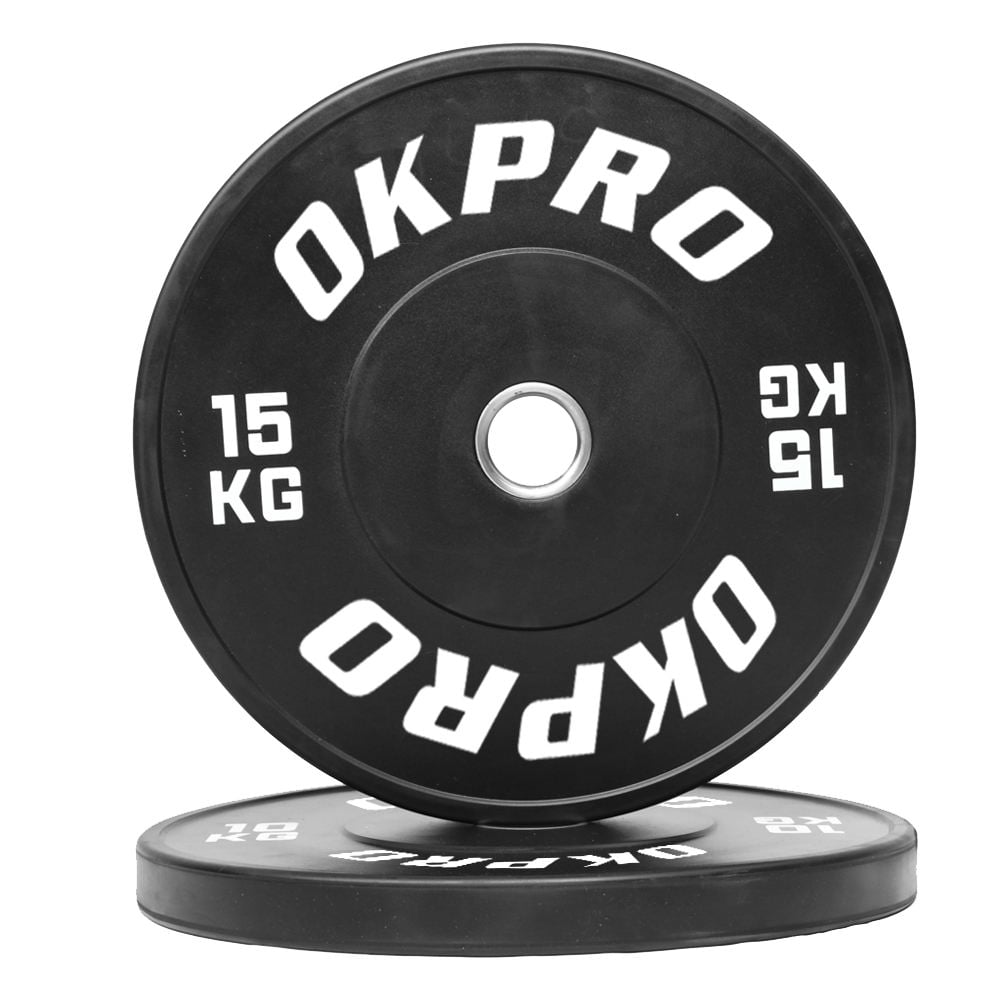
A rubber plate is a flat, flexible, and durable sheet designed to protect surfaces, absorb impact, improve grip, and reduce noise. A quality rubber plate can be made from natural rubber, synthetic rubber, or a blended compound selected for the working environment. The rubber plate usually comes in different thicknesses, sizes, colors, and surface patterns, allowing buyers to match the material to a specific task. Depending on the design, a rubber plate may have a smooth face, raised studs, ribs, grooves, or a textured finish. A rubber plate can also include fabric reinforcement for extra strength and improved dimensional stability. For demanding areas, the rubber plate may resist oil, water, heat, abrasion, weather exposure, or many common chemicals. The rubber plate works as a barrier between equipment, products, floors, walls, and operators. It helps prevent scratches, dents, vibration damage, and slipping during daily use. Manufacturers can cut, drill, bond, or shape the rubber plate to create custom pads, seals, liners, mats, gaskets, and protective covers. When selected with the correct hardness and thickness, a rubber plate provides reliable support without adding unnecessary weight. A rubber plate also offers a practical replacement option because users can install it with basic tools in many cases. It serves factories, warehouses, workshops, construction sites, gyms, transport facilities, farms, and commercial buildings. A rubber plate is therefore a versatile solution for protection, traction, insulation, cushioning, and noise control. Overall, the rubber plate combines simple installation with dependable performance and broad application flexibility.

Popular Products

The main advantage of a rubber plate is practical protection. A rubber plate creates a resilient layer that absorbs shocks from dropped tools, moving loads, machinery, and repeated foot traffic. This protection helps extend the life of floors, workbenches, vehicle beds, shelves, and equipment. Buyers can reduce repair costs because the rubber plate takes much of the wear before the underlying surface does. The rubber plate also improves workplace safety by increasing traction in areas where smooth floors become slippery. Textured surfaces help users keep their footing around entrances, production lines, loading zones, exercise spaces, and service areas. A rubber plate can reduce vibration and sound from pumps, compressors, conveyors, furniture, and heavy tools. This creates a more comfortable work environment and may help limit disturbance in shared buildings. Another valuable benefit is easy handling. A rubber plate can be cut to fit corners, platforms, counters, storage racks, or irregular spaces, so customers can avoid expensive redesigns. Many grades clean quickly with water, mild soap, or suitable maintenance products, which supports efficient routine care. The rubber plate remains useful across indoor and outdoor settings when its temperature, weather, and chemical limits match the job. Customers can choose a thin rubber plate for lining and surface protection or a thicker version for cushioning and load support. The rubber plate also offers a dependable balance between cost, service life, and installation effort. It does not require complex equipment for many basic applications, allowing maintenance teams to replace worn sections quickly. For businesses, this means less downtime and easier stock planning. For installers, the rubber plate provides a flexible material that adapts to changing project needs. Selecting the correct compound, thickness, texture, and size ensures the product delivers the right level of grip, resilience, and long-term value.

Practical Tips

How Can Hexagonal Dumbbells Improve Safety in High-Intensity Training Spaces?

22

Jun

How Can Hexagonal Dumbbells Improve Safety in High-Intensity Training Spaces?

In any high-intensity training environment, equipment safety is not optional — it is a fundamental requirement. Hexagonal dumbbells have become a preferred choice for commercial gyms, functional fitness facilities, and performance training cent...
View More
Investing in Longevity: The Durability of Professional-Grade Bumper Plates

22

Jun

Investing in Longevity: The Durability of Professional-Grade Bumper Plates

When gym owners, strength coaches, and serious athletes evaluate equipment purchases, durability is never an afterthought. bumper plates are among the most frequently dropped, loaded, and stress-tested tools in any weight room, which means the qualit...
View More
Why Choose Weight Plates with Anti-Slip Surface Textures for Gyms?

09

Jul

Why Choose Weight Plates with Anti-Slip Surface Textures for Gyms?

When outfitting a gym, every piece of equipment matters — and anti-slip weight plates stand out as a critical investment for safety and performance. Anti-slip weight plates feature specially engineered surface textures that prevent plates from slidin...
View More
How to Pick Weight Plates That Last in Commercial Gyms?

09

Jul

How to Pick Weight Plates That Last in Commercial Gyms?

Choosing the right urethane weight plate for a commercial gym environment is one of the most consequential purchasing decisions a facility manager can make. Unlike home gym setups, commercial facilities demand equipment that can withstand thousands o...
View More

Get a Free Quote

Email
Name
Company Name
Mobile
Message
0/1000

rubber plate

Strong Protection Against Impact and Wear

Strong Protection Against Impact and Wear

A rubber plate provides a durable shield between valuable surfaces and daily operating forces. Its flexible structure absorbs impact from tools, pallets, machinery, vehicle parts, and other heavy objects instead of transferring all the force to the floor or work surface. This makes the rubber plate useful for workshops, factories, loading areas, storage rooms, and service bays. A rubber plate can also resist scuffing and repeated contact, helping preserve painted metal, concrete, wood, and composite panels. Buyers gain a simple way to reduce visible damage and extend the service life of assets without replacing the entire surface. Thickness selection allows users to match protection with load conditions: a lighter sheet suits general lining, while a heavier rubber plate supports more demanding cushioning tasks. The material can be cut into strips, pads, or custom shapes, making installation practical for both planned projects and quick repairs. This combination of resilience, flexibility, and easy adaptation delivers lasting value with limited maintenance effort.
Reliable Grip and Safer Movement

Reliable Grip and Safer Movement

A rubber plate with a textured or patterned face helps create dependable traction underfoot and beneath equipment. Raised studs, ribs, and grooves can channel small amounts of water or debris away from contact points, reducing the risk of sliding in busy work areas. The rubber plate is suitable for walkways, ramps, stairs, platforms, workshop floors, gym stations, vehicle steps, and access points. Better grip supports safer movement for employees, customers, athletes, and visitors, especially where moisture, dust, or repeated cleaning affects floor conditions. A rubber plate can also help stabilize tools, carts, boxes, and machines by limiting unwanted movement during use. Buyers can select a surface pattern based on cleaning needs, traffic levels, and the type of footwear or equipment involved. The flexible material follows minor surface irregularities and remains comfortable under standing pressure. By improving contact without major construction work, the rubber plate offers a practical safety upgrade that can be installed in targeted areas rather than across an entire facility.
Flexible Performance for Many Environments

Flexible Performance for Many Environments

A rubber plate gives buyers material choices that suit different temperatures, substances, and operating conditions. Depending on its compound, the rubber plate can handle moisture, outdoor exposure, oils, moderate heat, abrasion, or frequent movement. This flexibility allows one product family to serve manufacturing, agriculture, transport, construction, retail, fitness, and maintenance applications. Reinforced versions provide greater tear resistance and better stability when users need larger sections or repeated load support. A rubber plate can also help separate surfaces, reduce vibration, and limit noise around engines, pumps, generators, cabinets, and furniture. Installation remains straightforward because teams can cut the sheet, position it, and secure it with fasteners or an appropriate adhesive when required. The material is available in multiple thicknesses and dimensions, supporting both standard purchasing and custom fabrication. By matching the grade to the environment, customers avoid premature swelling, cracking, or loss of grip. The rubber plate therefore combines adaptable performance with manageable replacement and maintenance costs.

Get a Free Quote

Email
Name
Company Name
Mobile
Message
0/1000

Get a Free Quote

Email
Name
Company Name
Mobile
Message
0/1000