 EN
EN


When building a serious home gym or upgrading a commercial fitness facility, few decisions carry as much long-term value as choosing the right weight equipment. bumper plates have become the standard choice for athletes, coaches, and fitness enthusiasts who want both performance and durability. Unlike standard iron plates, bumper plates are designed to absorb impact, protect floors, and support dynamic lifting movements that are central to modern training programs.
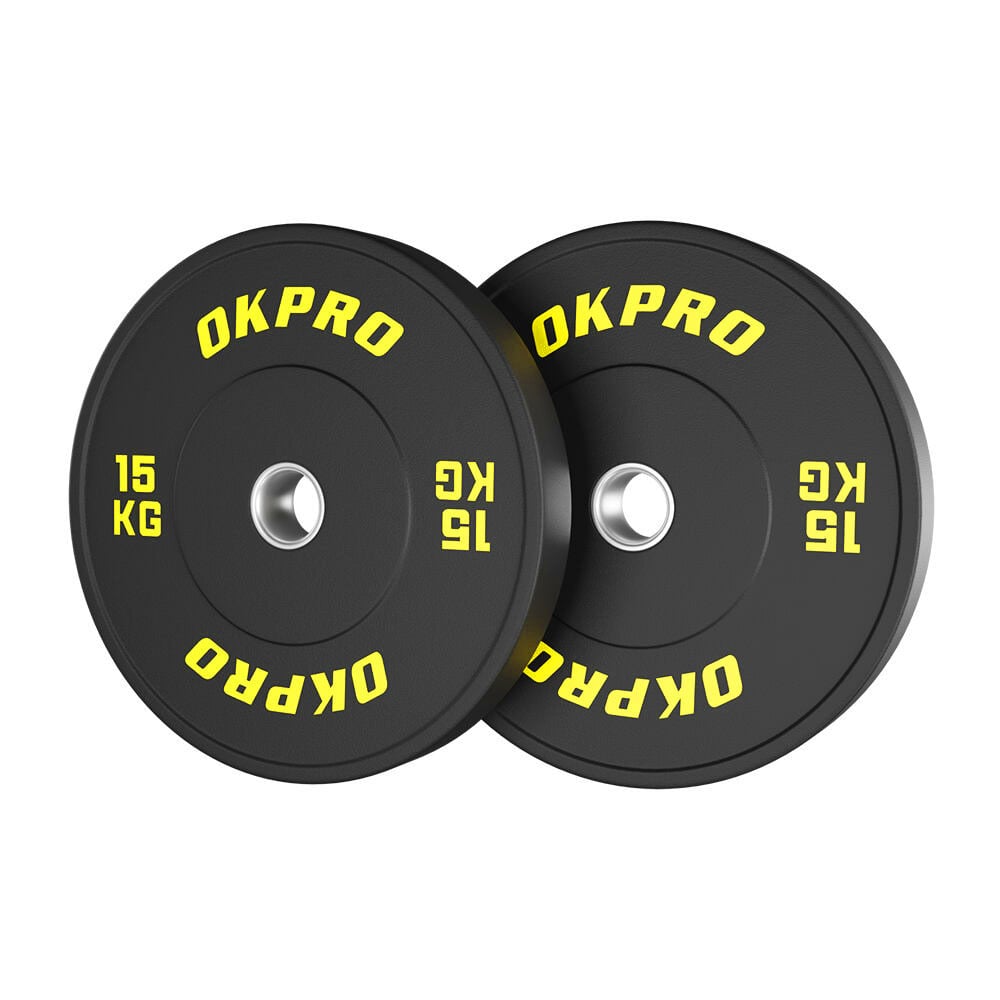
Investing in bumper plates is not simply about buying heavier weights. It is about making a deliberate choice to equip your training space with tools that extend your workout possibilities, reduce injury risk, and deliver lasting value. Whether you are outfitting a CrossFit box, a school weight room, or a personal garage gym, bumper plates represent one of the most practical and rewarding purchases in fitness equipment. This article explores what makes bumper plates worth the investment and how to get the most from them.
What Makes Bumper Plates a Smart Fitness Investment
Durability That Justifies the Cost
One of the most compelling reasons to invest in bumper plates is their exceptional longevity. Quality bumper plates are constructed from dense, vulcanized rubber that is engineered to withstand repeated drops, high-impact lifts, and daily heavy use. While the upfront cost of bumper plates may be higher than standard iron plates, their lifespan far exceeds that of less durable alternatives. A well-made set of bumper plates can serve athletes for years without cracking, chipping, or warping, making them a cost-efficient choice over time.
Bumper plates also protect your barbell and gym floor. The rubber construction of bumper plates absorbs the energy from dropped lifts, reducing stress on the barbell sleeves and preventing floor damage. This protective function means that investing in bumper plates also helps you avoid costly repairs or replacements for other equipment in your gym. The value of bumper plates extends well beyond the plates themselves.
Versatility Across Training Styles
Bumper plates are not exclusive to Olympic weightlifting. Their design makes them suitable for a wide range of training methods including CrossFit, powerlifting accessory work, functional fitness circuits, and general strength training. Because bumper plates allow the barbell to be safely dropped from overhead or hip height, athletes can push their limits without fear of equipment damage. This freedom to train dynamically is a core benefit that sets bumper plates apart from traditional weight options.
Another advantage is that bumper plates use standard Olympic sizing, meaning they are compatible with most 2-inch Olympic barbells. Gym owners can mix bumper plates with existing equipment and expand their collection incrementally. This compatibility makes bumper plates a flexible and scalable investment for any facility or home gym setup.
Key Features to Evaluate When Buying Bumper Plates
Rubber Compound and Density
Not all bumper plates are manufactured to the same standard. When evaluating bumper plates, the quality of the rubber compound is the most important factor. High-quality bumper plates use a dense, low-odor rubber blend that maintains its shape and resilience through thousands of drops. Inferior bumper plates may use lower-grade rubber that becomes brittle over time or releases strong odors in enclosed gym spaces. Examining the rubber density and hardness of bumper plates before purchase helps ensure you are getting a product built for long-term performance.
The collar insert is another feature that distinguishes premium bumper plates from basic ones. The insert connects the rubber disc to the barbell sleeve, and a stainless steel or brass insert provides a tighter, more stable fit. Bumper plates with reinforced inserts resist spinning and rattling during lifts, which improves the overall feel and safety of every movement.
Weight Accuracy and Calibration
For athletes tracking progressive overload, weight accuracy in bumper plates is essential. The best bumper plates are calibrated within tight tolerances, meaning each plate closely matches its labeled weight. This precision matters because even small discrepancies between bumper plates can affect training data and performance benchmarks. When sourcing bumper plates for a serious training environment, always look for manufacturers who specify their weight tolerance ratings clearly. Accurate bumper plates support consistent and reliable training outcomes.
How to Maximize the Value of Your Bumper Plates
Proper Storage and Maintenance
The lifespan of bumper plates depends significantly on how they are stored and maintained. Bumper plates should be kept on vertical storage trees or horizontal plate racks that prevent warping from prolonged flat stacking. Storing bumper plates upright distributes their weight evenly and keeps the rubber in optimal condition. Avoid leaving bumper plates in direct sunlight or extreme heat for extended periods, as UV exposure and temperature fluctuations can degrade rubber over time.
Cleaning bumper plates regularly with a mild soap and water solution removes chalk residue, sweat, and debris that can accumulate during training. Keeping bumper plates clean not only maintains their appearance but also extends their functional life. Simple maintenance habits ensure that your investment in bumper plates continues to deliver value for many years.
Selecting the Right Weight Range for Your Goals
Choosing the right combination of bumper plates depends on the types of lifts you perform and your current strength levels. Beginners benefit from a starter set of bumper plates that includes lighter increments to support skill development in Olympic movements. Intermediate and advanced athletes may need a broader range of bumper plates to accommodate heavier compound lifts and progressive loading. Planning your bumper plates collection around your specific training goals ensures you never outgrow your equipment too quickly.
Commercial gym owners should consider high-volume bumper plates sets that can withstand constant daily use from multiple users. Investing in a larger collection of bumper plates upfront can reduce the need for frequent restocking and minimizes downtime in busy training environments. Matching the scale of your bumper plates investment to the demands of your facility is a practical way to maximize return on your purchase.
FAQ
Are bumper plates suitable for home gym use?
Yes, bumper plates are an excellent choice for home gyms. Their rubber construction protects floors from damage when weights are dropped, which is especially important in residential settings with limited floor padding. Bumper plates also enable safer overhead and dynamic lifts without requiring a spotter, making them practical for solo training environments.
How do bumper plates differ from standard iron plates?
Bumper plates are made primarily from rubber, whereas standard iron plates are cast from metal. The rubber construction of bumper plates allows them to be dropped from height without damaging the floor or barbell, while iron plates cannot be dropped safely. Bumper plates also share a standardized diameter regardless of weight, which keeps the barbell at a consistent height during lifts. This feature is important for maintaining proper starting positions in Olympic lifts.
What weight increments are commonly available for bumper plates?
Bumper plates are typically available in increments ranging from 5 kg or 10 lb up to 25 kg or 55 lb per plate. Standard sets of bumper plates usually include 10, 15, 20, and 25 kg options, allowing athletes to build customized loading combinations. Some manufacturers also offer fractional bumper plates in smaller increments for finer progressive overload adjustments, which is valuable for athletes focused on precise strength gains.