 EN
EN

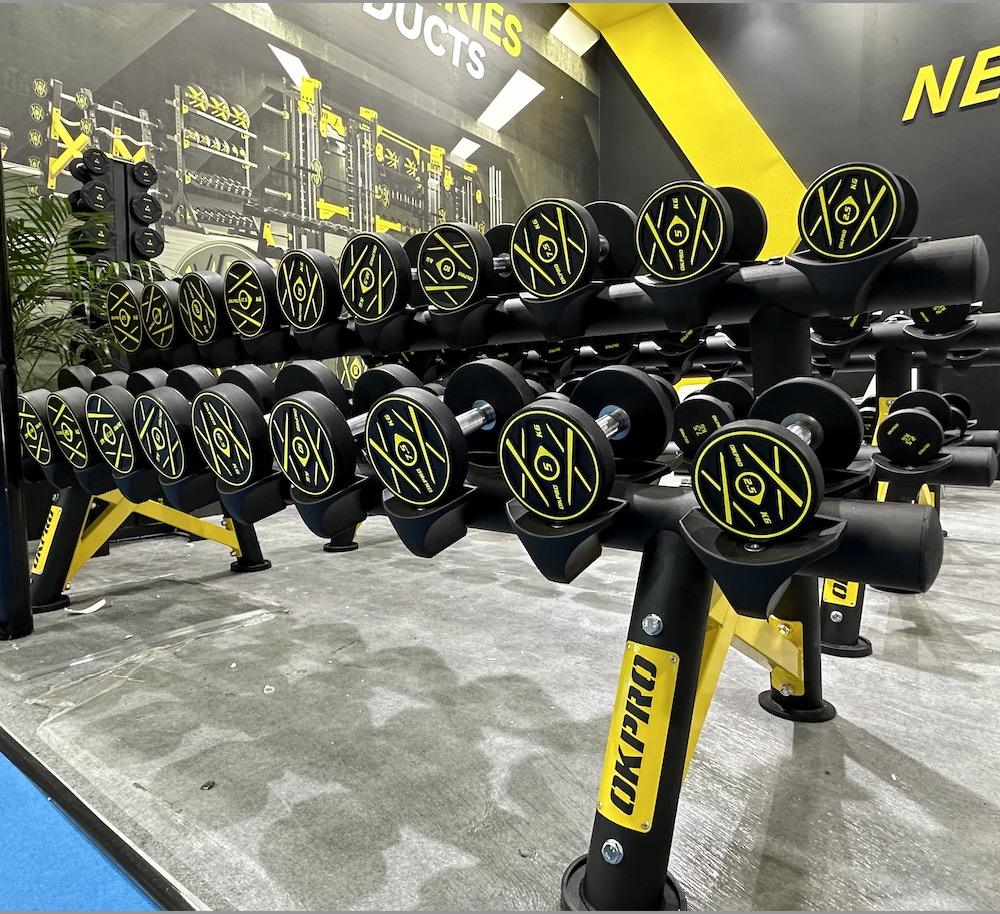
Selecting the right professional dumbbells for commercial gyms, fitness centers requires careful evaluation of multiple quality factors. Professional-grade equipment must withstand intense daily use while maintaining safety standards and providing consistent performance. Understanding the key indicators of superior dumbbell construction helps buyers make informed decisions that protect their investment and ensure client satisfaction. High-quality professional dumbbells represent a significant financial commitment, making proper evaluation essential for long-term success.
Material Construction and Durability Assessment
Core Material Selection
The foundation of any high-quality dumbbell lies in its core material composition. Cast iron remains the traditional choice for professional dumbbells due to its exceptional density and durability characteristics. However, modern manufacturing has introduced alternatives like steel cores and composite materials that offer unique advantages. Cast iron provides superior weight distribution and longevity, while steel cores offer enhanced precision in weight calibration. Professional buyers should examine the material specifications carefully, ensuring the core meets commercial-grade standards for consistent performance under heavy usage patterns.
Premium manufacturers often utilize virgin cast iron rather than recycled materials, resulting in more uniform density and reduced internal stress points. This distinction becomes critical in commercial environments where dumbbells experience thousands of repetitions weekly. The core material should demonstrate resistance to cracking, chipping, or structural failure even after extended use. Quality certifications from recognized testing organizations provide additional assurance of material integrity and performance standards.
Coating and Surface Protection
Surface coating technology significantly impacts the longevity and appearance of professional dumbbells. Urethane coating represents the premium standard, offering superior resistance to chips, scratches, and impact damage. This synthetic polymer provides excellent grip characteristics while maintaining its appearance over extended periods. Rubber coatings offer cost-effective protection but may show wear patterns more readily in high-traffic environments. Chrome plating delivers excellent corrosion resistance and aesthetic appeal but requires careful maintenance to prevent surface damage.
Quality coatings should demonstrate consistent thickness across all surfaces without thin spots or irregularities. Professional-grade applications typically involve multiple coating layers with proper surface preparation and curing processes. The coating should bond permanently to the core material without peeling, bubbling, or delamination under normal use conditions. Color consistency and UV resistance help maintain professional appearance standards in commercial facilities.

Weight Accuracy and Calibration Standards
Precision Manufacturing Tolerances
Professional dumbbells must meet strict weight accuracy standards to ensure consistent training results and safety compliance. Industry standards typically require weight tolerances within 2-3% of stated values, though premium manufacturers often achieve tighter specifications. This precision becomes crucial for progressive training programs where small weight increments matter significantly. Buyers should request weight certificates or testing documentation to verify accuracy claims from manufacturers.
Manufacturing processes that ensure weight precision include computer-controlled casting, precision machining, and multi-point verification testing. Some manufacturers employ laser-guided weight adjustment techniques during production to achieve exceptional accuracy. The weight distribution within each dumbbell should remain uniform to prevent balance issues during exercises. Professional buyers should consider the long-term weight stability, as lower-quality products may experience weight variations due to coating wear or core material degradation.
Standardization and Consistency
Consistent weight progression across a complete dumbbell set ensures optimal training experiences for facility users. Professional dumbbells should follow standardized increment patterns, typically ranging from 2.5-pound steps in lighter weights to 5 or 10-pound increments in heavier ranges. This consistency allows trainers and clients to implement progressive overload principles effectively while maintaining safety margins during workouts.
Quality manufacturers maintain detailed production records to ensure consistency across different production batches. This standardization extends beyond weight accuracy to include dimensional consistency, grip diameter uniformity, and overall balance characteristics. Professional buyers should verify that replacement dumbbells or set extensions will match existing equipment specifications precisely. Consistent manufacturing standards also ensure that warranty coverage and replacement parts remain available throughout the product lifecycle.
Handle Design and Ergonomic Considerations
Grip Diameter and Knurling Patterns
Handle design significantly impacts user comfort, safety, and exercise effectiveness in professional dumbbells. Standard grip diameters typically measure between 32-35mm for optimal hand accommodation across diverse user populations. Consistent diameter throughout the grip area ensures balanced hand positioning and reduces fatigue during extended training sessions. Professional-grade handles often feature slight diameter variations to accommodate different hand sizes while maintaining structural integrity.
Knurling patterns provide essential grip security without causing excessive hand discomfort. Diamond-pattern knurling offers superior grip characteristics compared to straight-line patterns, distributing pressure more evenly across palm surfaces. The depth and spacing of knurling should provide adequate traction without being overly aggressive. Quality manufacturers carefully balance grip security with user comfort, ensuring that extended use doesn't result in excessive hand fatigue or skin irritation.
Handle Attachment and Structural Integrity
The connection between handles and weight heads represents a critical stress point in dumbbell construction. Professional dumbbells typically employ welded connections, threaded assemblies, or integrated casting techniques for maximum strength. Welded joints should demonstrate consistent penetration and proper heat treatment to prevent failure under dynamic loading conditions. Threaded connections require precise machining and appropriate thread engagement to ensure long-term reliability.
Integrated casting, where handles and heads form a single unit, eliminates potential failure points but requires exceptional manufacturing precision. This construction method ensures permanent alignment and eliminates the possibility of loosening during use. Professional buyers should examine connection areas carefully for signs of quality workmanship, including smooth transitions, consistent weld profiles, and proper finishing. Load testing certifications provide additional assurance of connection strength under extreme conditions.
Testing Methods and Quality Verification
Physical Inspection Procedures
Comprehensive physical inspection reveals numerous quality indicators that distinguish professional dumbbells from consumer-grade alternatives. Surface examination should identify uniform coating application, consistent color matching, and absence of manufacturing defects such as air bubbles, scratches, or contamination. Weight distribution testing involves checking for proper balance when dumbbells are placed on flat surfaces or suspended from their centers.
Handle inspection focuses on grip comfort, knurling consistency, and structural attachment integrity. Professional dumbbells should demonstrate smooth rotation in hand without binding or rough spots. The transition areas between handles and weight heads should show consistent radius curves without sharp edges that could cause injury. Overall dimensional consistency across matching weight pairs ensures proper storage rack fit and aesthetic uniformity in professional facilities.
Performance and Durability Testing
Drop testing simulates real-world abuse conditions that professional dumbbells encounter in commercial environments. Quality products should withstand repeated drops from chest height onto concrete surfaces without structural damage or coating failure. Impact resistance testing evaluates the coating's ability to protect underlying materials while maintaining grip surface integrity. Professional buyers should request documentation of standardized testing procedures and results.
Fatigue testing involves cyclical loading to simulate extended use patterns over the product's expected lifespan. This testing reveals potential failure modes before they occur in actual service conditions. Environmental testing ensures that professional dumbbells maintain their specifications under various temperature and humidity conditions typical in fitness facilities. UV resistance testing becomes important for facilities with significant natural lighting exposure.
Manufacturer Reputation and Support Services
Industry Experience and Certification
Established manufacturers with extensive experience in professional fitness equipment bring valuable expertise to dumbbell production. Companies with decades of industry presence typically possess refined manufacturing processes, quality control systems, and customer support infrastructure. Professional buyers should research manufacturer backgrounds, including their client base, facility certifications, and involvement in industry organizations.
Quality certifications from recognized organizations such as ISO 9001 demonstrate commitment to systematic quality management. Safety certifications ensure that professional dumbbells meet relevant industry standards for commercial fitness equipment. Environmental certifications may be important for buyers prioritizing sustainable manufacturing practices. Manufacturer transparency regarding their production processes and quality control measures indicates confidence in their products.
Warranty Coverage and Customer Support
Comprehensive warranty coverage reflects manufacturer confidence in their professional dumbbells and provides protection for buyer investments. Quality manufacturers typically offer multi-year warranties covering material defects, coating integrity, and structural failures. Warranty terms should clearly define coverage limitations, replacement procedures, and customer responsibilities for proper equipment maintenance.
Customer support services become crucial when issues arise or additional equipment is needed. Responsive technical support helps resolve problems quickly, minimizing facility downtime. Availability of replacement parts and accessories ensures long-term serviceability of professional dumbbell investments. Training resources and installation guidance help facilities maximize their equipment investments while maintaining safety standards.
FAQ
What weight tolerance should I expect from high-quality professional dumbbells?
Professional-grade dumbbells should maintain weight accuracy within 2-3% of their stated values, with premium manufacturers often achieving tolerances of 1% or better. This precision ensures consistent training results and safety compliance in commercial environments. Always request weight certificates or testing documentation to verify manufacturer accuracy claims before making purchasing decisions.
How do I determine if the coating on professional dumbbells will withstand heavy commercial use?
Look for urethane or high-quality rubber coatings that demonstrate impact resistance, UV stability, and chemical resistance properties. Quality coatings should show consistent thickness without thin spots or irregularities. Request information about coating testing procedures, including drop tests and abrasion resistance measurements, to ensure the coating will maintain its integrity under intensive use conditions.
What handle characteristics are most important for professional dumbbell applications?
Professional dumbbells should feature handles with consistent 32-35mm diameter, appropriate knurling depth for secure grip without excessive hand fatigue, and robust attachment methods such as welding or integrated casting. The handle should rotate smoothly in hand without binding, and connection points should demonstrate proper engineering and manufacturing quality to prevent failure under dynamic loading conditions.
How can I verify the structural integrity of professional dumbbells before purchase?
Request documentation of drop testing, fatigue testing, and load testing from the manufacturer. Physical inspection should reveal uniform construction quality, consistent weight distribution, and proper balance characteristics. Look for quality certifications from recognized testing organizations and examine the manufacturer's track record in commercial fitness equipment applications to ensure reliability and performance standards.
Table of Contents
- Material Construction and Durability Assessment
- Weight Accuracy and Calibration Standards
- Handle Design and Ergonomic Considerations
- Testing Methods and Quality Verification
- Manufacturer Reputation and Support Services
-
FAQ
- What weight tolerance should I expect from high-quality professional dumbbells?
- How do I determine if the coating on professional dumbbells will withstand heavy commercial use?
- What handle characteristics are most important for professional dumbbell applications?
- How can I verify the structural integrity of professional dumbbells before purchase?