 EN
EN

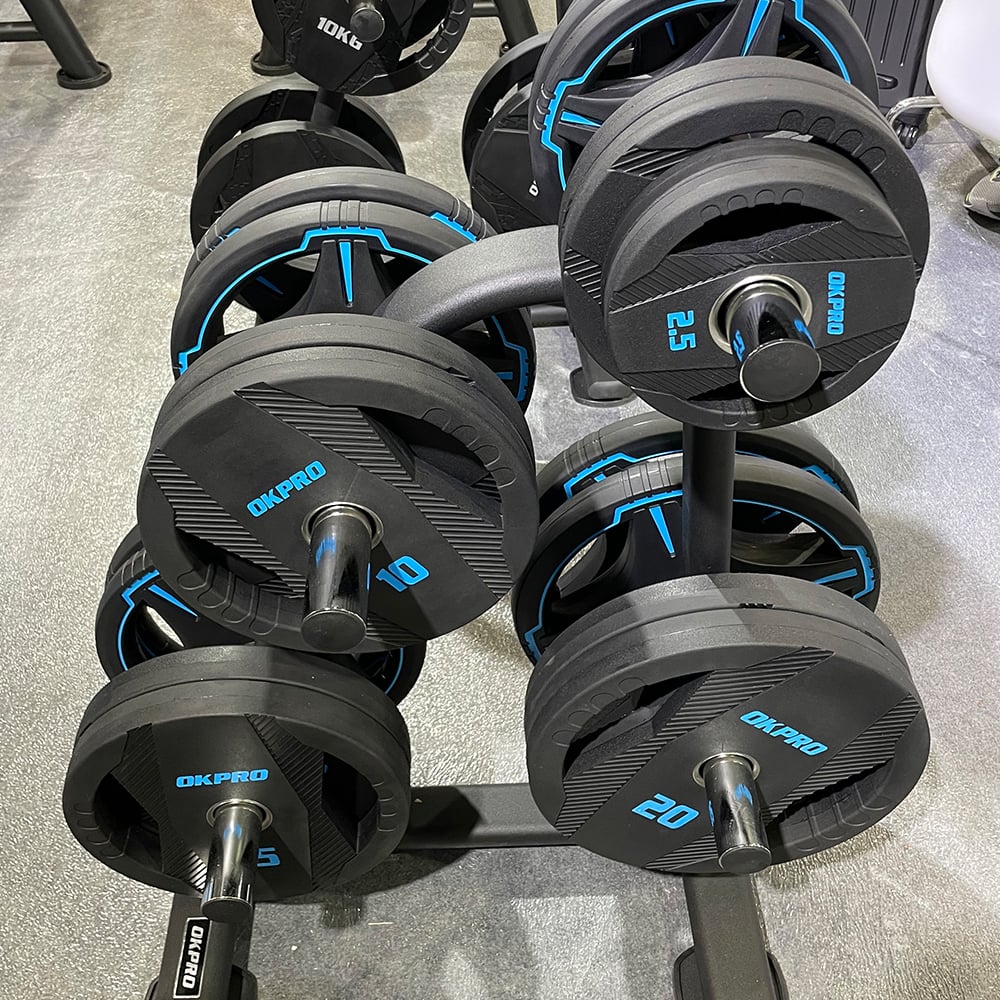
Professional weight plates serve as the cornerstone of any serious fitness facility setup. These precision-engineered pieces of equipment represent far more than simple iron discs, incorporating advanced materials science, ergonomic design principles, and manufacturing excellence to deliver consistent performance under demanding conditions. Understanding the key features that distinguish professional-grade weight plates from standard alternatives becomes crucial when investing in equipment that must withstand years of intensive use while maintaining accuracy and safety standards.
Material Composition and Construction Quality
Advanced Rubber Coating Technologies
The outer coating of professional weight plates represents a critical component that directly impacts durability, noise reduction, and floor protection. High-grade rubber compounds used in professional applications undergo specialized vulcanization processes that create molecular bonds resistant to cracking, chipping, and degradation under extreme temperature variations. This advanced rubber formulation typically incorporates carbon black additives and synthetic polymers that enhance tensile strength while maintaining flexibility across a wide temperature range.
Professional manufacturers employ multi-layer coating systems where an initial primer layer bonds chemically to the metal core, followed by successive rubber applications that cure at controlled temperatures and pressures. This process eliminates air pockets and ensures uniform thickness distribution, preventing weak points that could lead to premature failure. The surface texture of professional rubber-coated plates features micro-patterns that provide secure grip while resisting scuff marks and scratches from repeated handling.
Cast Iron Core Engineering
The internal structure of professional weight plates begins with precision-cast iron cores manufactured to exacting dimensional tolerances. These cores utilize high-carbon iron alloys that provide optimal density characteristics while resisting internal stress fractures under dynamic loading conditions. Professional casting processes involve controlled cooling cycles that eliminate internal voids and ensure uniform density distribution throughout the plate structure.
Quality control measures during core production include ultrasonic testing to detect internal flaws, dimensional verification using coordinate measuring machines, and metallurgical analysis to confirm alloy composition. The cast iron receives heat treatment to optimize hardness and impact resistance while maintaining the machinability required for precise weight adjustments during final calibration processes.

Precision Weight Tolerances and Calibration
Manufacturing Accuracy Standards
Professional weight plates adhere to strict tolerance specifications that typically maintain accuracy within plus or minus one percent of stated weight values. This level of precision requires sophisticated manufacturing processes including computer-controlled machining operations that can remove material in increments measured in fractions of grams. Professional facilities depend on this accuracy for consistent workout progression and competitive training applications where precise loading calculations become essential.
The calibration process for professional weight plates involves multiple verification stages using certified reference weights traceable to national measurement standards. Advanced manufacturers utilize precision balances capable of detecting weight variations as small as 0.1 grams, ensuring that final products meet or exceed published specifications throughout their operational lifespan.
Long-term Weight Stability
Professional weight plates maintain their calibrated mass over extended periods through careful material selection and manufacturing processes that minimize dimensional changes due to environmental factors. The cast iron cores resist corrosion through controlled alloy composition and protective coatings, while the rubber outer layers remain stable across temperature and humidity variations commonly encountered in fitness facilities.
Quality assurance testing includes accelerated aging protocols that simulate years of use under controlled laboratory conditions. These tests verify that weight plates maintain accuracy specifications after thousands of loading cycles, exposure to cleaning chemicals, and temperature cycling between typical storage and usage conditions.
Ergonomic Design and Handling Features
Grip Integration and Hand Positioning
Professional weight plates incorporate strategically positioned grip features that facilitate safe and efficient handling during plate changes and storage operations. These ergonomic elements include recessed hand holds machined into the plate structure at optimal angles for natural wrist positioning, reducing strain during lifting and positioning movements. The grip areas feature textured surfaces that maintain secure contact even when hands are perspiring or wearing lifting gloves.
Advanced grip designs consider biomechanical factors such as finger spacing, grip diameter, and load distribution across hand contact surfaces. Professional plates often include multiple grip positions to accommodate different hand sizes and lifting techniques, ensuring that users can maintain control during rapid plate changes between exercise sets or during competitive situations.
Loading and Storage Efficiency
The dimensional design of professional weight plates optimizes both barbell loading characteristics and storage system compatibility. Precise bore diameter specifications ensure smooth sliding fit on Olympic barbells while maintaining consistent positioning against collar systems. The plate thickness and outer diameter relationships follow standardized ratios that maximize weight capacity on standard barbell sleeves.
Storage considerations influence the overall plate geometry, with professional designs featuring flat surfaces and rounded edges that stack securely on storage trees and transport systems. The weight distribution within each plate creates stable stacking characteristics that prevent shifting or toppling during storage operations.
Durability and Impact Resistance
Drop Test Performance Standards
Professional weight plates undergo rigorous impact testing protocols that simulate the stresses encountered during normal gym operations and occasional drops from loaded barbells. These tests involve controlled drops from standardized heights onto concrete surfaces, measuring the plate's ability to maintain structural integrity without cracking, chipping, or separating at material interfaces.
The rubber coating systems of professional plates demonstrate superior energy absorption characteristics that protect both the plate and surrounding surfaces during impact events. Advanced rubber formulations maintain elasticity across temperature ranges while providing consistent damping properties that reduce noise transmission and floor damage in fitness facilities.
Wear Resistance and Longevity
Professional weight plates resist surface wear through carefully engineered material combinations and surface treatments that maintain appearance and functionality throughout extended service lives. The rubber coatings incorporate wear-resistant additives that prevent surface degradation from repeated sliding contact with barbells, storage systems, and handling operations.
Accelerated wear testing using specialized equipment simulates thousands of loading cycles and surface contacts to verify that professional weight plates maintain their functional characteristics and appearance standards throughout their intended service life. These tests include evaluation of grip surface texture retention, color stability, and resistance to common gym cleaning chemicals.
Safety Features and Risk Mitigation
Edge Design and Injury Prevention
Professional weight plates incorporate rounded edge profiles and smooth surface transitions that minimize injury risks during handling and storage operations. These safety-oriented design features eliminate sharp corners and rough surfaces that could cause cuts or abrasions during rapid plate changes or accidental contact situations.
The edge geometry of professional plates follows biomechanical principles that reduce stress concentration points when plates contact human tissue during lifting movements. Radiused edges distribute contact forces over larger surface areas, reducing pressure points that could cause discomfort or injury during close-contact lifting techniques.
Visual Identification and Weight Marking
Professional weight plates feature clearly visible weight markings and color coding systems that enable rapid identification during fast-paced workout sessions. The marking systems utilize contrasting colors and large fonts that remain legible under various lighting conditions commonly found in fitness facilities.
Advanced marking techniques include molded-in weight designations that cannot wear off through use and cleaning operations. Color coding systems follow industry standards that allow users to quickly identify specific weights from storage positions, reducing the time required for plate selection and minimizing the risk of loading errors.
FAQ
What weight tolerance should I expect from professional weight plates
Professional weight plates typically maintain accuracy within plus or minus 1% of their stated weight, meaning a 45-pound plate should weigh between 44.55 and 45.45 pounds. This precision level exceeds recreational equipment standards and provides the consistency required for progressive training programs and competitive applications.
How do rubber-coated plates compare to raw iron plates for professional use
Rubber-coated professional weight plates offer superior noise reduction, floor protection, and impact resistance compared to raw iron alternatives. While raw iron plates may cost less initially, rubber-coated versions provide better long-term value through reduced facility maintenance costs and improved user experience in professional gym environments.
What maintenance requirements do professional weight plates have
Professional weight plates require minimal maintenance beyond regular cleaning with appropriate gym-safe disinfectants and periodic inspection for damage signs. The rubber coatings resist most common cleaning chemicals, while the cast iron cores maintain dimensional stability without requiring special storage conditions or protective treatments.