 EN
EN

High-intensity training spaces demand equipment that prioritizes both performance and safety, especially when multiple athletes train simultaneously in confined areas. Traditional round dumbbells present significant safety hazards in these environments, rolling unpredictably when set down and creating trip risks during rapid exercise transitions. The implementation of hexagonal dumbbells addresses these critical safety concerns while maintaining the functional benefits that serious athletes require from their training equipment.
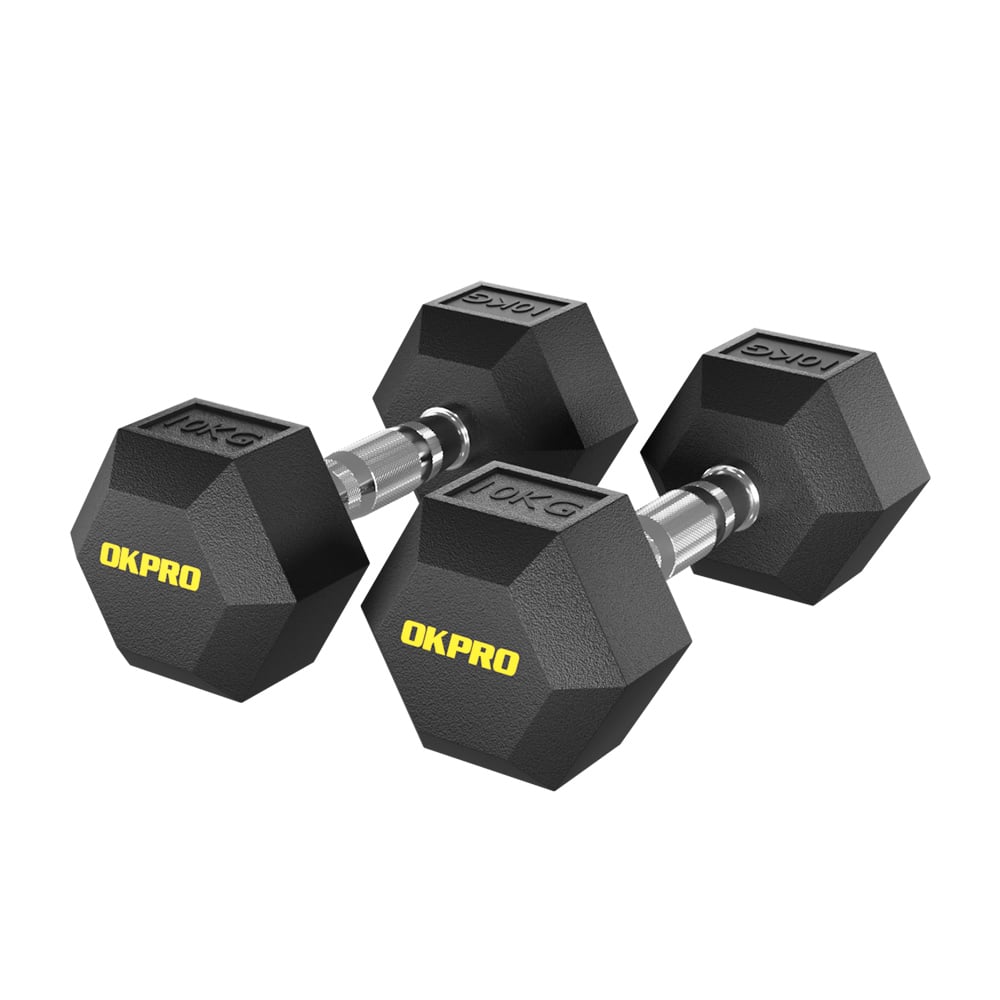
The unique six-sided design of hexagonal dumbbells fundamentally transforms the safety dynamics of intensive training environments by eliminating roll-away incidents and providing stable positioning between sets. This geometric advantage becomes particularly crucial during circuit training, superset protocols, and group fitness sessions where rapid equipment transitions are essential. Understanding how hexagonal dumbbells enhance safety requires examining their specific design features, placement stability characteristics, and impact on overall training space management during high-intensity workouts.
Enhanced Stability Features of Hexagonal Dumbbells
Anti-Rolling Design Mechanics
The hexagonal shape of these specialized dumbbells creates six flat surfaces that maintain contact with the floor, preventing any rotational movement once placed. Unlike traditional round dumbbells that rely on gravity and friction alone, hexagonal dumbbells utilize geometric stability to remain exactly where positioned. This design principle eliminates the primary cause of dumbbell-related accidents in high-intensity training spaces, where equipment frequently shifts during rapid exercise transitions.
The flat-sided construction ensures that hexagonal dumbbells maintain their position even on slightly inclined surfaces or when subjected to minor impacts from nearby training activities. This stability becomes particularly valuable during explosive movements like dumbbell thrusters or clean and press exercises, where the momentum from completing reps can cause traditional dumbbells to roll away from their intended placement zone.
Controlled Placement Zones
Training facilities utilizing hexagonal dumbbells can establish precise placement zones without requiring additional safety barriers or containment systems. The inherent stability of these weights allows trainers to designate specific floor areas where equipment will remain stationary throughout workout sessions. This controlled placement capability reduces the need for extensive safety margins around exercise stations, maximizing the efficient use of available training space.
The predictable positioning of hexagonal dumbbells enables facility managers to optimize traffic flow patterns within training areas, reducing collision risks between athletes moving between exercise stations. This systematic approach to equipment placement becomes essential in commercial gyms, athletic training facilities, and group fitness environments where multiple users share limited space during peak training hours.
Impact Reduction and Floor Protection Benefits
Controlled Landing Mechanics
The flat surfaces of hexagonal dumbbells distribute impact forces more evenly across the floor when weights are set down or dropped during high-intensity exercises. This distribution pattern reduces the concentrated pressure points that occur with traditional round dumbbells, which can create floor damage and generate excessive noise levels. The controlled landing characteristics of hexagonal dumbbells contribute significantly to maintaining safer training environments.
During exercises that require rapid weight releases, such as dumbbell burpees or explosive overhead movements, hexagonal dumbbells land with greater stability and reduced bounce-back potential. This controlled descent minimizes the risk of weights rebounding unpredictably, which frequently causes injuries when traditional dumbbells strike feet, shins, or other body parts during intense workout sequences.
Noise Reduction Properties
The geometric design of hexagonal dumbbells significantly reduces the acoustic impact when weights contact the floor during training sessions. The flat contact surfaces create a more controlled sound profile compared to the sharp, reverberating impacts produced by round dumbbells. This noise reduction becomes particularly important in multi-use facilities where excessive equipment noise can disrupt other activities or violate facility noise regulations.
Reduced noise levels contribute to improved safety awareness within training spaces, as athletes can better hear verbal cues, safety warnings, and communication between training partners. The elimination of sharp, startling sounds from dropping weights helps maintain focused attention on proper exercise execution and environmental awareness during high-intensity training sessions.
Traffic Flow Optimization in Dense Training Environments
Predictable Equipment Positioning
The reliable positioning characteristics of hexagonal dumbbells enable training facilities to implement more efficient layout designs that maximize safety while accommodating higher user densities. Trainers and facility managers can confidently position hexagonal dumbbells closer to exercise stations without concern for unexpected movement that might obstruct walkways or create trip hazards for passing athletes.
This predictable positioning capability allows for the creation of dedicated equipment staging areas where hexagonal dumbbells can be safely stored during multi-exercise circuits. The elimination of roll-away risks enables trainers to place weights in optimal locations for quick access without compromising safety corridors or emergency exit routes within training spaces.
Reduced Space Requirements
High-intensity training facilities utilizing hexagonal dumbbells can operate with reduced safety margins around exercise stations, effectively increasing the functional capacity of available training space. The elimination of rolling hazards allows for tighter equipment placement configurations while maintaining compliance with safety standards and emergency access requirements.
The space efficiency gained through hexagonal dumbbell implementation enables facilities to accommodate larger training groups or additional exercise stations within existing floor plans. This optimization becomes particularly valuable for commercial gyms seeking to maximize membership capacity and training facilities operating within space-constrained environments.
Emergency Response and Evacuation Safety
Clear Pathway Maintenance
During emergency situations requiring rapid evacuation, hexagonal dumbbells remain in their designated positions rather than creating unexpected obstacles in evacuation routes. The stable positioning of these weights ensures that emergency pathways remain clear and predictable, enabling faster and safer building evacuation when necessary. This reliability becomes crucial in high-density training environments where even minor obstructions can create dangerous bottlenecks.
The consistent positioning of hexagonal dumbbells also facilitates emergency response access, allowing first responders to navigate training areas without encountering scattered or displaced equipment. This improved accessibility can significantly impact response times and the effectiveness of emergency medical interventions when accidents occur during high-intensity training sessions.
Incident Prevention During High-Stress Situations
High-intensity training naturally creates elevated stress levels and fatigue, conditions that increase the likelihood of equipment handling errors and safety oversights. Hexagonal dumbbells provide an additional margin of safety during these vulnerable moments by maintaining their position even when placement technique becomes less precise due to exhaustion or distraction.
The forgiving nature of hexagonal dumbbell positioning reduces the consequences of minor handling mistakes that commonly occur during intense training sessions. This safety buffer becomes particularly important during competitive training environments or assessment situations where athletes may be operating at their physical and mental limits.
FAQ
Do hexagonal dumbbells require special storage systems compared to traditional round dumbbells?
Hexagonal dumbbells are compatible with most standard dumbbell storage systems and often provide improved stability on storage racks due to their flat surfaces. The hexagonal shape prevents rolling off racks and reduces the need for specialized retention systems, making them easier to store safely in high-traffic areas.
Can hexagonal dumbbells be used for all the same exercises as traditional round dumbbells?
Yes, hexagonal dumbbells provide identical functionality to traditional round dumbbells for all standard exercises. The flat sides do not interfere with grip positioning or movement patterns, while the added stability enhances safety during exercise transitions and equipment handling between sets.
Are hexagonal dumbbells more expensive than traditional dumbbells, and do the safety benefits justify the cost difference?
While hexagonal dumbbells may have a slightly higher initial cost than basic round dumbbells, the safety benefits typically justify this investment through reduced injury liability, decreased floor damage, and improved space utilization efficiency. Many facilities find that the enhanced safety profile leads to lower insurance costs and maintenance expenses over time.
How do hexagonal dumbbells perform on different types of flooring materials commonly found in training facilities?
Hexagonal dumbbells demonstrate superior stability across all common gym flooring types, including rubber matting, concrete, and specialized athletic flooring. The flat contact surfaces provide consistent stability regardless of minor surface irregularities, while the even weight distribution reduces the risk of flooring damage compared to traditional round dumbbells.
Table of Contents
- Enhanced Stability Features of Hexagonal Dumbbells
- Impact Reduction and Floor Protection Benefits
- Traffic Flow Optimization in Dense Training Environments
- Emergency Response and Evacuation Safety
-
FAQ
- Do hexagonal dumbbells require special storage systems compared to traditional round dumbbells?
- Can hexagonal dumbbells be used for all the same exercises as traditional round dumbbells?
- Are hexagonal dumbbells more expensive than traditional dumbbells, and do the safety benefits justify the cost difference?
- How do hexagonal dumbbells perform on different types of flooring materials commonly found in training facilities?