 EN
EN

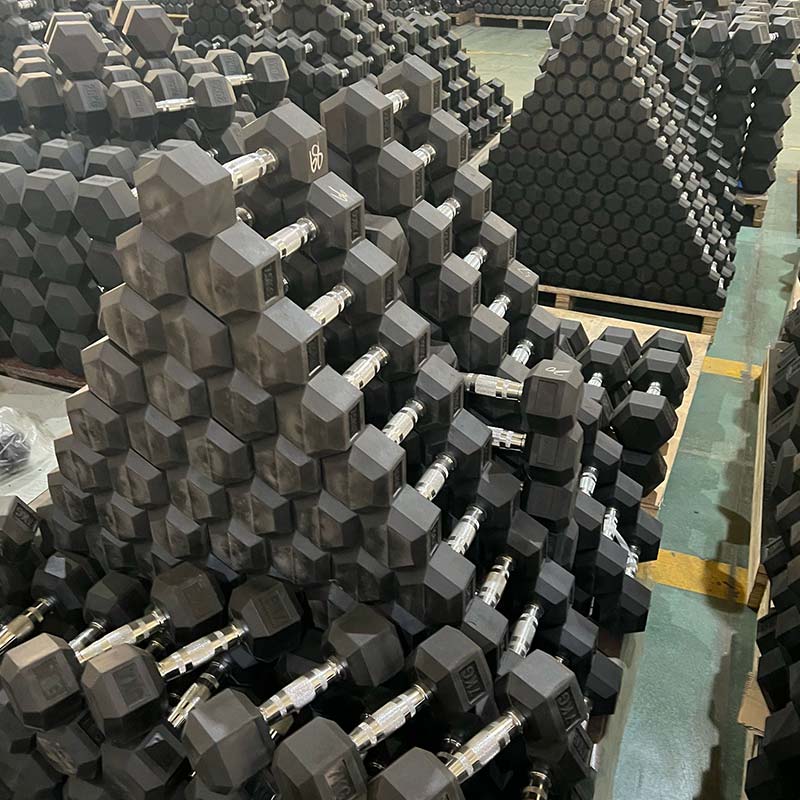
Sourcing hex dumbbells that comply with global fitness safety standards requires a systematic approach that balances quality, regulatory compliance, and cost-effectiveness. With the fitness equipment market experiencing unprecedented growth, facility managers and equipment buyers face increasing pressure to ensure their hex dumbbells meet stringent international safety requirements while maintaining operational efficiency. The challenge lies not only in identifying reputable suppliers but also in understanding the complex web of safety certifications, material specifications, and testing protocols that govern hex dumbbells in different markets worldwide.
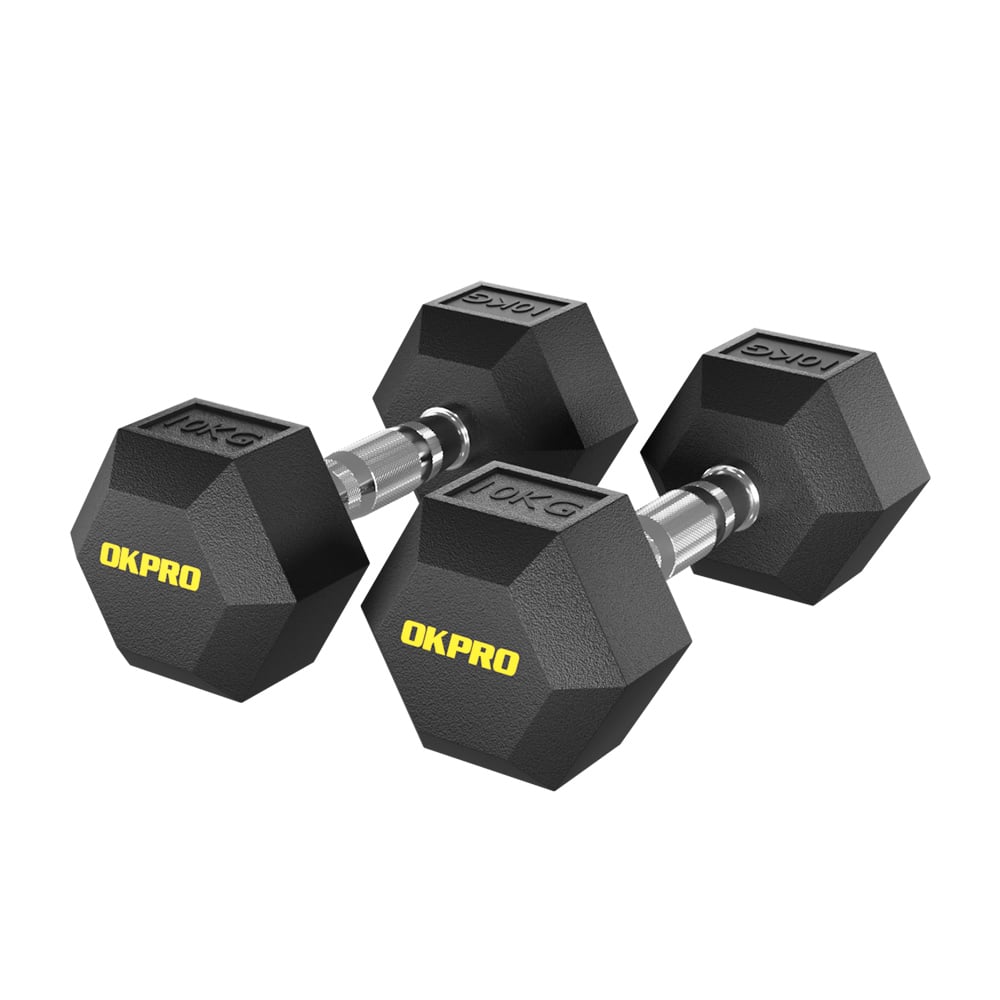
The procurement process for safety-compliant hex dumbbells involves multiple critical decisions that directly impact user safety, legal liability, and long-term operational costs. Modern fitness facilities must navigate varying international standards, from European CE marking requirements to American ASTM specifications, while ensuring their chosen hex dumbbells provide consistent performance across diverse training environments. This comprehensive sourcing strategy becomes even more crucial when considering the liability implications of equipment failure and the reputational risks associated with safety incidents in commercial fitness settings.
Understanding Global Safety Standards for Hex Dumbbells
International Certification Requirements
The global landscape of fitness equipment safety standards presents a complex matrix of regional and international requirements that directly impact hex dumbbells procurement decisions. European markets mandate CE marking compliance, which requires hex dumbbells to meet specific safety directives including the Machinery Directive and General Product Safety Directive. These standards establish minimum requirements for structural integrity, surface coatings, and user safety features that manufacturers must demonstrate through rigorous testing protocols.
North American markets operate under different frameworks, with ASTM International and CSA Group providing comprehensive testing standards for fitness equipment including hex dumbbells. ASTM F2696 specifically addresses strength training equipment safety, establishing load testing requirements, durability specifications, and user interface safety criteria. Understanding these regional variations becomes essential when sourcing hex dumbbells for international facility chains or equipment export operations.
Asian markets present additional complexity with varying national standards and emerging regional frameworks. Countries like Japan enforce JIS standards while Australia requires compliance with AS/NZS safety specifications for fitness equipment. The key to successful hex dumbbells sourcing lies in identifying suppliers who maintain current certifications across multiple jurisdictions rather than attempting to navigate individual compliance requirements independently.
Material Safety and Construction Standards
Material composition represents a critical safety consideration when sourcing hex dumbbells, as different coating materials and construction methods directly impact user safety and equipment longevity. High-quality hex dumbbells typically feature cast iron cores with protective coatings that must meet specific safety standards for chemical emissions, surface durability, and grip security. Rubber coatings require compliance with material safety standards that address potential allergenic compounds and ensure long-term stability under repeated stress loading.
Handle construction safety standards focus on ergonomic design requirements, grip surface specifications, and connection integrity between handle assemblies and weight heads. Professional-grade hex dumbbells incorporate knurled steel handles that meet specific texture depth requirements while maintaining smooth edges that prevent user injury during intense training sessions. These specifications become particularly important in high-volume commercial environments where equipment experiences constant use and potential abuse.
Weight accuracy standards establish tolerance requirements that ensure hex dumbbells provide consistent resistance across training programs while meeting calibration requirements for professional and therapeutic applications. International standards typically allow weight variations within two to three percent of stated values, but premium facilities often demand tighter tolerances to support precise training protocols and ensure consistent user experiences across equipment sets.
Evaluating Supplier Capabilities and Compliance
Manufacturing Quality Assessment
Effective supplier evaluation begins with comprehensive assessment of manufacturing capabilities that directly impact hex dumbbells safety and compliance standards. Leading manufacturers maintain ISO-certified production facilities that demonstrate consistent quality control processes, material traceability systems, and ongoing compliance monitoring procedures. These certifications provide essential verification that suppliers possess the infrastructure necessary to maintain safety standards throughout production cycles and respond effectively to quality issues when they arise.
Production capacity evaluation ensures suppliers can meet delivery requirements while maintaining quality standards under varying demand conditions. Experienced hex dumbbells manufacturers typically maintain dedicated production lines for fitness equipment that incorporate specialized testing equipment, certified welding procedures, and controlled coating application processes. Site visits and facility audits provide valuable insights into actual production capabilities versus marketing claims, particularly regarding quality control implementation and safety standard compliance verification.
Documentation and traceability systems represent critical components of supplier capability assessment, as safety-compliant hex dumbbells require comprehensive material certifications, testing records, and production documentation. Reliable suppliers maintain detailed batch tracking systems that enable rapid identification and isolation of potentially affected products in case safety issues emerge after delivery. This documentation becomes particularly important for liability protection and regulatory compliance in commercial fitness applications.
Certification Verification and Testing
Independent third-party testing verification provides essential confirmation that hex dumbbells meet stated safety standards rather than relying solely on supplier declarations or internal testing results. Reputable testing laboratories like SGS, TUV, or UL provide comprehensive evaluation services that assess structural integrity, material safety, and performance characteristics according to applicable international standards. These independent certifications carry significantly more weight in liability assessments and regulatory compliance evaluations.
Ongoing compliance monitoring ensures hex dumbbells maintain safety standards throughout their operational lifecycle rather than meeting requirements only at initial delivery. Progressive suppliers implement regular quality audits, batch testing protocols, and continuous improvement programs that address emerging safety concerns and evolving international standards. This proactive approach becomes particularly valuable for facilities operating under strict regulatory oversight or serving vulnerable populations.
Testing frequency and sample selection protocols provide insight into supplier commitment to consistent quality delivery and safety standard compliance. Professional-grade hex dumbbells manufacturers typically test every production batch for weight accuracy, structural integrity, and coating adhesion while maintaining statistical process control systems that identify potential quality trends before they impact delivered products. Understanding these testing protocols enables more informed supplier selection decisions and establishes realistic expectations for ongoing quality performance.
Implementing Procurement Strategies for Safety Compliance
Specification Development and Requirements Definition
Comprehensive specification development forms the foundation of successful hex dumbbells procurement that meets global safety standards while addressing specific facility requirements and user needs. Effective specifications must balance international safety compliance requirements with practical operational considerations including maintenance requirements, space constraints, and user demographic characteristics. This approach ensures selected hex dumbbells provide optimal safety performance while supporting efficient facility operations and positive user experiences.
Technical specifications should address multiple safety-critical parameters including weight accuracy tolerances, structural load ratings, surface coating durability requirements, and handle design specifications. Professional specifications typically require hex dumbbells to withstand load testing at 150-200% of stated weight values while maintaining structural integrity and user safety features. These enhanced requirements provide safety margins that accommodate intensive commercial use and potential user error conditions.
Documentation requirements establish clear expectations for supplier compliance verification, ongoing quality monitoring, and liability protection measures. Comprehensive procurement specifications should require suppliers to provide detailed material certifications, testing reports, and compliance documentation that enables facility managers to demonstrate due diligence in safety standard implementation. This documentation becomes particularly important for facilities serving special populations or operating under enhanced regulatory oversight.
Contract Terms and Safety Assurance
Contractual safety assurance provisions establish clear responsibility allocation between suppliers and purchasers while providing mechanisms for addressing safety issues that may emerge during hex dumbbells operational lifecycles. Effective contracts should include specific safety standard compliance requirements, ongoing quality assurance obligations, and clear procedures for addressing non-conforming products or safety concerns. These provisions provide essential protection for facilities while establishing clear expectations for supplier performance.
Warranty terms and liability provisions must address both immediate product defects and longer-term safety performance issues that may affect hex dumbbells during their operational lifecycle. Professional procurement contracts typically include extended warranty coverage for safety-critical components, rapid response requirements for safety issues, and clear procedures for product replacement or modification when safety concerns arise. These provisions ensure facilities maintain continuous safe operations while protecting against unexpected replacement costs.
Performance monitoring and compliance verification requirements establish ongoing supplier obligations that extend beyond initial delivery and installation. Effective contracts should include regular compliance auditing requirements, ongoing quality reporting obligations, and clear procedures for addressing emerging safety standards or regulatory requirements. This approach ensures hex dumbbells continue meeting safety requirements throughout their operational lifecycle while maintaining supplier accountability for long-term performance.
Managing Quality Assurance and Ongoing Compliance
Delivery Inspection and Acceptance Testing
Systematic delivery inspection protocols ensure hex dumbbells meet specified safety requirements before entering service and potentially exposing users to safety risks from non-compliant equipment. Comprehensive inspection procedures should address visual examination for manufacturing defects, dimensional verification for weight accuracy and component fit, and functional testing for structural integrity and safety feature performance. These inspections provide the final verification opportunity before equipment acceptance and user exposure.
Weight verification testing represents a critical component of hex dumbbells acceptance procedures, as weight accuracy directly impacts user safety and training effectiveness. Professional testing protocols typically require verification of stated weight values using calibrated scales with appropriate precision and accuracy specifications. Documentation of these measurements provides essential quality assurance records and establishes baseline performance data for ongoing monitoring and maintenance planning.
Safety feature verification ensures hex dumbbells incorporate all specified safety elements including proper handle attachment, coating integrity, and structural soundness before user exposure. Systematic inspection procedures should address potential safety hazards including sharp edges, coating defects, loose components, and structural weaknesses that could compromise user safety during normal operation. Early identification of these issues prevents safety incidents while providing opportunities for supplier corrective action before widespread equipment deployment.
Ongoing Monitoring and Maintenance Requirements
Preventive maintenance programs ensure hex dumbbells maintain safety compliance throughout their operational lifecycle while identifying potential issues before they compromise user safety or equipment performance. Effective maintenance protocols should address regular inspection schedules, wear pattern monitoring, and proactive replacement criteria that maintain consistent safety performance across equipment fleets. These programs become particularly important in high-volume commercial environments where equipment experiences intensive use and potential abuse.
Documentation and record-keeping requirements establish comprehensive maintenance histories that support liability protection, warranty claims, and ongoing safety compliance verification. Professional maintenance programs typically maintain detailed inspection records, repair documentation, and performance monitoring data that enable trend analysis and predictive maintenance planning. This documentation becomes essential for demonstrating due diligence in safety standard implementation and supporting insurance or regulatory compliance requirements.
Replacement planning and lifecycle management ensure facilities maintain safety-compliant hex dumbbells inventories while optimizing equipment replacement timing and budget allocation. Effective programs establish clear replacement criteria based on safety performance degradation, wear patterns, and evolving safety standards rather than arbitrary age-based schedules. This approach ensures consistent user safety while optimizing equipment investment and operational efficiency across facility lifecycles.
FAQ
What are the most important safety certifications to look for when sourcing hex dumbbells?
The most critical safety certifications include CE marking for European markets, ASTM F2696 compliance for North American markets, and ISO certification for the manufacturing facility. Additionally, look for third-party testing verification from recognized laboratories like SGS, TUV, or UL that confirm structural integrity, material safety, and weight accuracy according to international standards.
How do material specifications impact hex dumbbells safety compliance?
Material specifications directly affect user safety through coating durability, handle grip security, and structural integrity requirements. Safety-compliant hex dumbbells must use materials that meet chemical emission standards, provide adequate grip surface texture, and maintain structural integrity under specified load testing requirements. Premium materials typically offer better long-term safety performance and compliance with stricter international standards.
What testing protocols should suppliers provide to verify safety compliance?
Suppliers should provide comprehensive testing documentation including structural load testing at 150-200% of rated capacity, weight accuracy verification within specified tolerances, coating adhesion and durability testing, and material safety certifications. Independent third-party testing reports carry more credibility than supplier self-certification and provide better liability protection for facility operators.
How can facilities maintain safety compliance throughout hex dumbbells operational lifecycle?
Maintaining ongoing safety compliance requires implementing systematic inspection schedules, documenting maintenance activities, monitoring wear patterns, and establishing clear replacement criteria based on safety performance rather than age alone. Regular verification of weight accuracy, structural integrity, and coating condition helps identify potential safety issues before they compromise user safety or regulatory compliance.
Table of Contents
- Understanding Global Safety Standards for Hex Dumbbells
- Evaluating Supplier Capabilities and Compliance
- Implementing Procurement Strategies for Safety Compliance
- Managing Quality Assurance and Ongoing Compliance
-
FAQ
- What are the most important safety certifications to look for when sourcing hex dumbbells?
- How do material specifications impact hex dumbbells safety compliance?
- What testing protocols should suppliers provide to verify safety compliance?
- How can facilities maintain safety compliance throughout hex dumbbells operational lifecycle?