 EN
EN

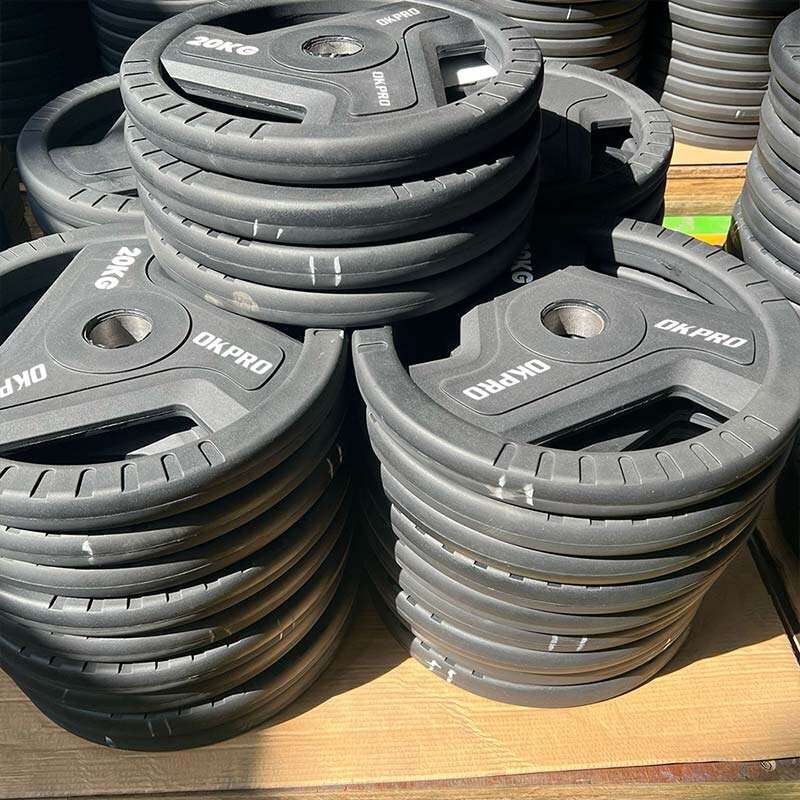
Commercial gyms and fitness centers face constant challenges when selecting equipment that can withstand intensive daily use. The foundation of any serious strength training facility relies heavily on durable weight plates that maintain their integrity through thousands of lifts, drops, and impacts. Modern rubber weight plate technology has revolutionized how training facilities approach equipment longevity, combining advanced materials engineering with practical design features that extend operational lifespan significantly.
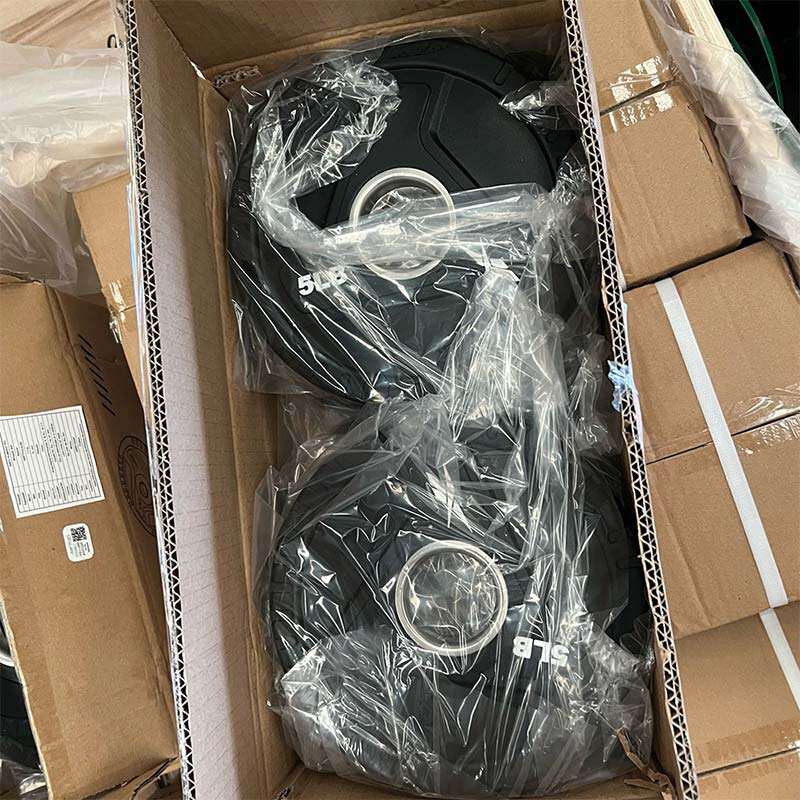
Professional training environments demand equipment specifications that go far beyond basic functionality. Each rubber weight plate must demonstrate exceptional resistance to wear patterns, impact absorption capabilities, and dimensional stability under extreme loading conditions. These requirements have driven manufacturers to develop sophisticated rubber compounds that balance flexibility with structural integrity, creating products capable of surviving years of high-volume commercial use.
Advanced Rubber Compound Engineering
High-Density Rubber Formulation
The durability foundation of premium rubber weight plate systems begins with carefully engineered rubber compounds that utilize high-density formulations specifically designed for impact resistance. These advanced materials incorporate multiple polymer chains that provide superior elastic recovery properties, allowing plates to absorb repeated drops without developing stress fractures or permanent deformation. The molecular structure of these compounds ensures consistent performance characteristics across temperature variations commonly found in commercial fitness environments.
Manufacturing processes for high-quality rubber compounds involve precise temperature control during vulcanization, creating cross-linked polymer networks that maintain structural integrity under extreme loading conditions. This chemical bonding process results in rubber weight plate products that resist cracking, tearing, and surface degradation even after thousands of training sessions. The density optimization also contributes to accurate weight specifications that remain consistent throughout the product lifecycle.
Impact Absorption Technology
Professional-grade rubber weight plate designs incorporate specialized impact absorption mechanisms that protect both the equipment and surrounding surfaces from damage during high-intensity training sessions. These systems utilize multi-layer rubber construction with varying density zones that progressively absorb and distribute impact forces throughout the plate structure. The outer surface typically features softer rubber compounds that provide initial impact cushioning, while interior layers maintain structural rigidity.
Advanced impact absorption technology extends beyond simple cushioning effects to include energy dissipation systems that prevent bounce-back forces from creating secondary impacts. This engineering approach reduces stress on attachment points, handles, and internal components while minimizing noise generation in commercial training environments. The result is enhanced equipment longevity combined with improved user safety during dynamic lifting movements.
Structural Design Features
Reinforced Core Construction
The internal architecture of durable rubber weight plate systems relies on reinforced core construction that distributes loading forces evenly across the entire plate structure. This typically involves steel or iron core materials that provide dimensional stability while the surrounding rubber layers offer protection and grip enhancement. The interface between core materials and rubber compounds requires specialized bonding agents that prevent separation under thermal expansion and contraction cycles.
Engineering specifications for reinforced cores must account for the different thermal expansion rates between metal and rubber materials, implementing design features that accommodate these differences without compromising structural integrity. Advanced manufacturing techniques ensure consistent core positioning within each rubber weight plate, eliminating weight distribution imbalances that could lead to premature wear patterns or handling difficulties during training sessions.
Ergonomic Handle Integration
Handle design represents a critical durability factor in commercial rubber weight plate applications, as these contact points experience concentrated stress during lifting, carrying, and loading operations. Professional-grade plates incorporate ergonomically designed handles with reinforced attachment zones that distribute gripping forces across larger surface areas. The handle geometry must accommodate various hand sizes while providing secure grip surfaces that resist wear from repeated use.
Integration of handles into the overall plate structure requires careful consideration of stress concentration points and potential failure modes. Advanced designs utilize continuous rubber molding processes that eliminate separate attachment points, creating seamless transitions between handle areas and main plate bodies. This approach prevents crack initiation at handle junctions while maintaining consistent material properties throughout the entire rubber weight plate assembly.
Surface Treatment and Protection
Wear-Resistant Surface Coatings
Surface durability in commercial rubber weight plate applications depends heavily on specialized coating systems that protect against abrasion, chemical exposure, and environmental degradation. These protective treatments typically involve multiple application layers that provide different types of protection, from initial impact resistance to long-term UV stability. The coating chemistry must remain compatible with underlying rubber compounds to prevent delamination or chemical reactions that could compromise plate integrity.
Advanced surface treatment processes incorporate anti-microbial properties that prevent bacterial growth in high-humidity gym environments, extending both hygiene standards and material lifespan. These treatments also enhance grip characteristics during handling operations while maintaining easy cleaning protocols essential for commercial fitness facilities. The result is rubber weight plate products that maintain both functional performance and appearance standards throughout extended service periods.
Environmental Resistance Properties
Durability requirements for commercial rubber weight plate installations must address various environmental challenges including temperature fluctuations, humidity variations, and exposure to cleaning chemicals commonly used in fitness facilities. Material formulations incorporate stabilizers that prevent degradation from ozone exposure, UV radiation, and thermal cycling effects that occur in typical gym environments.
Chemical resistance properties ensure that routine cleaning and sanitization procedures do not compromise rubber compound integrity over time. These specifications include resistance to alcohol-based cleaners, quaternary ammonium compounds, and other disinfectants frequently used in commercial fitness applications. The environmental protection systems maintain consistent rubber weight plate performance regardless of seasonal temperature variations or facility maintenance protocols.
Quality Control and Testing Standards
Impact Testing Protocols
Manufacturing quality assurance for durable rubber weight plate systems involves comprehensive impact testing protocols that simulate years of commercial use within controlled laboratory environments. These tests typically include repeated drop sequences from various heights, measuring both immediate damage and cumulative wear patterns that develop over extended testing periods. Impact energy calculations help establish performance baselines that predict real-world durability characteristics.
Testing methodologies also evaluate stress distribution patterns within plate structures, identifying potential weak points that could lead to premature failure in commercial applications. High-speed photography and strain measurement systems provide detailed analysis of how rubber weight plate designs respond to impact forces, enabling continuous improvement in structural engineering approaches. These comprehensive evaluation processes ensure consistent quality standards across production batches.
Load Capacity Verification
Structural integrity testing for rubber weight plate products includes load capacity verification procedures that exceed normal usage requirements by substantial safety margins. These tests apply both static and dynamic loading conditions that simulate extreme usage scenarios, measuring dimensional stability and structural response under maximum stress conditions. Load testing protocols help establish safe working limits while identifying design margins available for unusual loading situations.
Long-term load testing involves sustained weight applications over extended periods, monitoring for creep deformation or other time-dependent changes that could affect plate accuracy or structural integrity. These evaluations ensure that rubber weight plate specifications remain consistent throughout the expected service life, maintaining both safety standards and performance characteristics under continuous commercial use conditions.
Maintenance and Longevity Factors
Preventive Care Requirements
Maximizing the service life of rubber weight plate installations requires implementation of systematic preventive maintenance programs that address both cleaning protocols and inspection procedures. Regular surface cleaning with appropriate chemical agents removes accumulated debris and prevents abrasive wear patterns while maintaining hygiene standards essential for commercial fitness environments. Inspection schedules should identify early signs of wear or damage that could progress to more serious structural problems.
Storage considerations play crucial roles in rubber weight plate longevity, particularly regarding temperature control and physical support systems that prevent deformation during non-use periods. Proper storage rack designs distribute weight evenly while allowing air circulation that prevents moisture accumulation and associated degradation processes. These preventive measures significantly extend operational lifespan while maintaining consistent performance characteristics.
Replacement Indicators and Service Life
Professional facility managers require clear indicators that determine when rubber weight plate replacement becomes necessary for safety and performance reasons. Visual inspection criteria include surface cracking patterns, handle wear conditions, and dimensional changes that affect weight accuracy or handling characteristics. These replacement guidelines help maintain consistent training conditions while preventing equipment failures that could create safety hazards.
Service life expectations for quality rubber weight plate products typically range from five to ten years in commercial applications, depending on usage intensity and maintenance quality. Performance degradation usually follows predictable patterns that allow facility managers to budget for replacement cycles while maintaining optimal equipment conditions. Understanding these lifecycle characteristics enables better investment planning for commercial fitness facility operations.
FAQ
What makes rubber weight plates more durable than traditional cast iron plates
Rubber weight plates offer superior durability compared to cast iron alternatives primarily due to their impact absorption capabilities and corrosion resistance. The rubber construction prevents chipping, cracking, and surface damage that commonly affects cast iron plates during repeated drops or impacts. Additionally, rubber compounds do not rust or corrode when exposed to moisture, maintaining consistent appearance and performance throughout their service life. The flexibility of rubber materials also allows them to absorb stress concentrations that might cause fractures in rigid cast iron designs.
How do environmental conditions affect rubber weight plate durability
Environmental factors significantly influence rubber weight plate longevity, with temperature fluctuations, humidity levels, and UV exposure being primary considerations. Extreme temperature variations can cause rubber compounds to become brittle or excessively soft, affecting both performance and durability. High humidity environments may promote microbial growth if plates lack proper anti-microbial treatments, while UV exposure from natural or artificial lighting can cause surface degradation over time. Quality rubber weight plate products incorporate stabilizers and protective treatments that minimize these environmental effects.
What maintenance practices extend rubber weight plate service life
Effective maintenance practices for rubber weight plates include regular cleaning with appropriate disinfectants, proper storage techniques, and systematic inspection protocols. Cleaning should utilize chemicals compatible with rubber compounds, avoiding harsh solvents that could cause surface damage or degradation. Storage systems should support plates evenly to prevent deformation while allowing air circulation to prevent moisture accumulation. Regular inspections help identify early wear patterns or damage that might require attention before becoming serious structural problems.
How can facilities determine when rubber weight plates need replacement
Replacement timing for rubber weight plates should be based on specific performance and safety criteria rather than arbitrary time limits. Key indicators include visible cracking in rubber surfaces, significant wear at handle attachment points, dimensional changes that affect weight accuracy, and loss of impact absorption properties. Surface degradation that affects grip characteristics or creates hygiene concerns also warrants replacement consideration. Professional facilities should establish inspection schedules that monitor these factors systematically, ensuring equipment replacement occurs before safety or performance standards are compromised.