 EN
EN

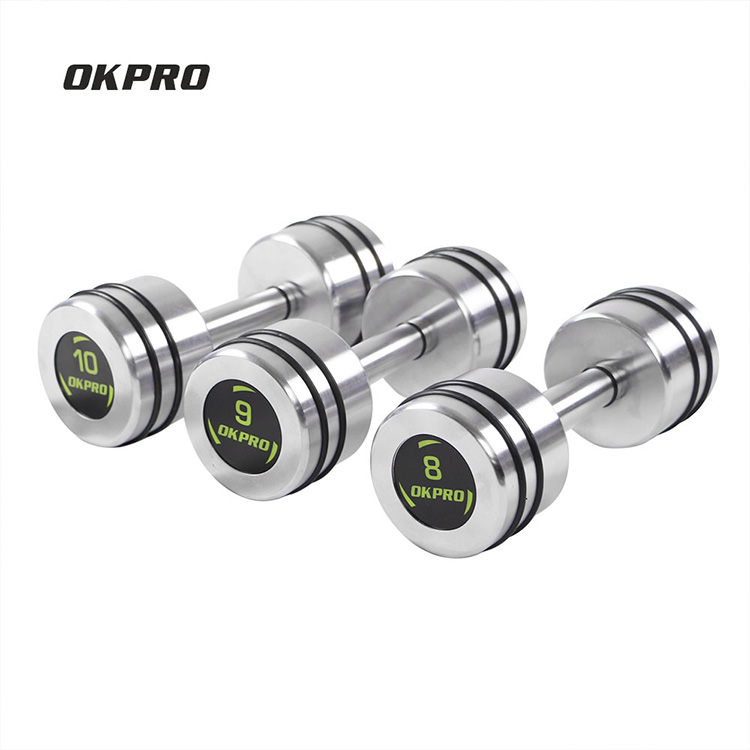
Professional weight training demands equipment that prioritizes safety without compromising performance, and hex dumbbells have emerged as the gold standard for commercial gyms and training facilities worldwide. The unique hexagonal design of these dumbbells addresses critical safety concerns that plague traditional round dumbbells, making them an essential choice for environments where multiple users train with varying experience levels. Understanding what makes hex dumbbells inherently safer requires examining their engineering principles, stability characteristics, and real-world performance advantages in professional training settings.
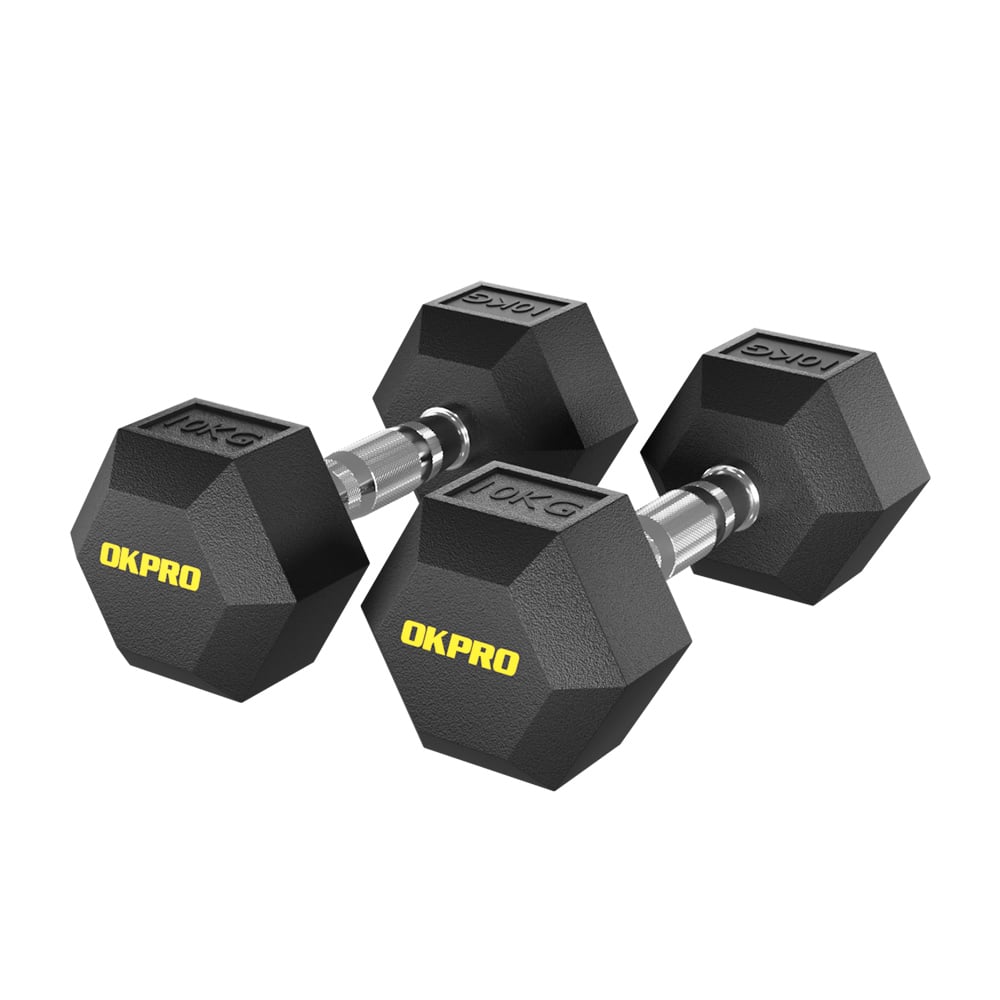
The safety advantages of hex dumbbells stem from fundamental physics and biomechanical principles that directly impact injury prevention and training efficiency. When professional trainers and facility managers invest in hex dumbbells, they are addressing multiple safety vulnerabilities that traditional equipment cannot resolve. From preventing dangerous rolling incidents to ensuring stable positioning during complex exercises, hex dumbbells provide measurable safety improvements that protect both users and surrounding equipment while maintaining the performance standards required for professional training environments.
Stability Engineering That Prevents Rolling Hazards
Anti-Roll Design Mechanics
The hexagonal shape of hex dumbbells creates six flat contact surfaces that eliminate the rolling motion inherent in traditional round dumbbells. This engineering feature addresses one of the most common safety hazards in professional weight training facilities, where dropped or improperly placed dumbbells can roll across floors, creating trip hazards and potential impact injuries. The flat surfaces ensure that hex dumbbells remain exactly where they are placed, providing predictable positioning that trainers and users can rely upon during intense workout sessions.
Professional training environments often involve rapid transitions between exercises, where athletes must quickly access and return equipment without compromising their workout flow. Hex dumbbells support this dynamic training style by maintaining stable positioning on benches, floors, and storage racks. The geometric stability prevents the common scenario where round dumbbells roll off benches or migrate from their designated positions, forcing users to interrupt their training to retrieve wayward equipment or navigate unexpected obstacles.
The anti-roll characteristic becomes particularly critical in group training sessions where multiple users share limited space. Hex dumbbells allow trainers to position equipment strategically without concern for movement during the session. This stability enables more efficient use of training space and reduces the supervision burden on professional trainers who must monitor both exercise form and equipment positioning simultaneously.
Floor Contact Distribution
The flat surfaces of hex dumbbells create distributed contact with flooring materials, reducing point-pressure concentrations that can damage expensive gym flooring or create unstable resting positions. Traditional round dumbbells concentrate their weight along a narrow contact line, creating pressure points that can lead to flooring damage and equipment instability. The hexagonal design spreads weight across broader surface areas, protecting flooring investments while ensuring consistent equipment positioning.
This distributed contact principle extends to equipment storage systems where hex dumbbells rest more securely in rack positions designed for hexagonal shapes. The stable contact reduces wear on storage equipment and eliminates the tendency for dumbbells to shift or fall from storage positions during facility use. Professional facilities benefit from this stability through reduced maintenance requirements and improved equipment longevity.
The contact distribution also influences noise reduction in professional training environments. Hex dumbbells produce less rolling noise and impact noise compared to round alternatives, contributing to a more controlled acoustic environment that supports focused training and reduces distraction for users and neighboring facility areas.
Enhanced Grip Security and Control Features
Ergonomic Handle Design
Professional-grade hex dumbbells incorporate handle designs that prioritize grip security through textured surfaces, optimal diameter specifications, and balanced weight distribution. The handle construction typically features knurled or textured patterns that provide mechanical grip enhancement, reducing the likelihood of slippage during high-intensity exercises or when hands become perspiration-affected during extended training sessions.
The grip security features of hex dumbbells become particularly important during dynamic movements where maintaining equipment control is essential for safety. Professional athletes often perform explosive movements, plyometric exercises, and complex movement patterns that place significant demands on grip strength and control. Enhanced grip security reduces the risk of equipment displacement that could result in impact injuries or form compensation that leads to training-related injuries.
Handle ergonomics also influence fatigue management during professional training sessions. Well-designed hex dumbbells reduce grip fatigue through optimal handle diameter and surface texture combinations that distribute pressure across the palm and fingers. This fatigue reduction allows users to maintain proper form throughout longer training sessions, reducing injury risk associated with grip failure or form deterioration.
Weight Balance Optimization
The construction methodology of hex dumbbells allows for precise weight balance that ensures consistent center-of-gravity positioning across the entire weight range. This balance optimization reduces the likelihood of unexpected equipment behavior during use, where poorly balanced dumbbells can create torque forces that compromise user control and safety. Professional training demands predictable equipment behavior that allows athletes to focus on movement execution rather than equipment management.
Balanced hex dumbbells support advanced training techniques that require precise control and positioning. Professional athletes often perform single-arm exercises, unilateral movements, and complex coordination patterns where equipment balance directly impacts exercise safety and effectiveness. Consistent balance characteristics across different weight selections allow trainers to program progressive overload protocols without introducing variables related to equipment behavior.
The balance optimization also extends to storage and handling logistics in professional facilities. Well-balanced hex dumbbells are easier for staff to position and reorganize, reducing the physical demands on facility personnel and minimizing handling-related injury risks. This operational safety consideration contributes to overall facility safety culture and staff well-being.
Protective Coating Systems for Impact Safety
Rubber Coating Benefits
Professional hex dumbbells typically feature rubber coating systems that provide multiple layers of impact protection for both the equipment and surrounding facility elements. The rubber coating absorbs impact energy during placement and accidental dropping incidents, reducing noise transmission and protecting flooring surfaces from damage. This protective characteristic becomes essential in multi-use facilities where weight training areas share space with other activities or where noise control is a priority concern.
The impact absorption properties of rubber-coated hex dumbbells also protect the dumbbells themselves from damage that could create safety hazards. Uncoated metal dumbbells can develop sharp edges, cracks, or deformation from repeated impacts that create handling hazards for users. Rubber coating systems maintain smooth surfaces and structural integrity through extensive use cycles, ensuring consistent safety characteristics throughout the equipment's service life.
Rubber coating provides additional grip enhancement through surface texture and temperature characteristics that improve handling comfort. The coating material typically offers better thermal properties than bare metal, preventing excessive heat or cold transfer that could affect grip security or user comfort during extended training sessions. This thermal management contributes to consistent equipment performance across varying environmental conditions.
Facility Protection Considerations
The protective coating systems of hex dumbbells extend beyond equipment protection to comprehensive facility preservation. Professional training facilities represent significant capital investments in flooring, mirrors, walls, and other equipment that require protection from impact damage. Rubber-coated hex dumbbells minimize the risk of facility damage during normal use and accidental incidents, protecting these investments while maintaining safe training environments.
Facility protection becomes particularly important in insurance and liability contexts where training facility operators must demonstrate reasonable care in equipment selection and safety management. Hex dumbbells with appropriate protective coatings demonstrate proactive safety management that can influence insurance premiums and liability exposure. This risk management aspect makes hex dumbbells a strategic choice for professional facility operators.
The protective characteristics also extend to user safety through reduced injury severity in impact incidents. Rubber-coated hex dumbbells present softer contact surfaces that reduce tissue damage potential in accidental contact situations. While proper training technique should prevent such incidents, the protective coating provides an additional safety margin that acknowledges the reality of human error in dynamic training environments.
Professional Training Environment Integration
Space Efficiency and Organization
Hex dumbbells integrate seamlessly into professional training facility layouts through their compatibility with specialized storage systems and space-efficient organization patterns. The hexagonal design allows for compact storage arrangements that maximize available training space while maintaining easy access for users and staff. Professional facilities benefit from this space efficiency through increased revenue-generating floor space and improved traffic flow patterns that enhance safety and user experience.
The organizational benefits of hex dumbbells extend to inventory management and equipment tracking systems used in professional facilities. The distinctive shape and consistent sizing patterns facilitate rapid inventory assessment and equipment accountability protocols. Staff can quickly identify missing or misplaced equipment, ensuring complete weight sets remain available for user safety and training effectiveness.
Space efficiency also influences cleaning and maintenance protocols in professional facilities. Hex dumbbells can be organized in patterns that allow efficient cleaning access while maintaining stable storage positions. This maintenance accessibility supports hygiene standards and equipment longevity protocols that are essential for professional training environments serving multiple users daily.
User Experience and Safety Culture
The safety features of hex dumbbells contribute to positive user experiences that reinforce safe training behaviors and facility safety culture. Users develop confidence in equipment stability and predictability, allowing them to focus on training objectives rather than equipment management concerns. This psychological safety factor enhances training effectiveness and reduces stress-related performance impacts that can increase injury susceptibility.
Professional trainers benefit from the safety characteristics of hex dumbbells through reduced supervision requirements and enhanced ability to focus on technique coaching rather than equipment monitoring. The predictable behavior of hex dumbbells allows trainers to design complex training protocols with confidence in equipment performance, supporting advanced training methodologies that maximize athlete development while maintaining safety standards.
The safety culture implications extend to facility reputation and user retention considerations. Professional training facilities that prioritize safety through equipment selection demonstrate commitment to user welfare that influences membership decisions and referral patterns. Hex dumbbells represent a visible commitment to safety that communicates facility values and professional standards to current and prospective users.
FAQ
How do hex dumbbells prevent rolling accidents compared to traditional round dumbbells?
Hex dumbbells feature six flat surfaces that create stable contact points with floors and benches, completely eliminating the rolling motion that makes traditional round dumbbells a safety hazard. When placed on any surface, hex dumbbells remain exactly where positioned, preventing the common accidents caused by round dumbbells rolling off benches, across floors, or into walkways where they create trip hazards and potential impact injuries.
What protective features make hex dumbbells safer for high-intensity training environments?
Professional hex dumbbells incorporate rubber coating systems that absorb impact energy, protect flooring and facility surfaces, and maintain smooth handling surfaces throughout extensive use cycles. The protective coating reduces noise transmission, prevents equipment damage that could create sharp edges or handling hazards, and provides additional grip enhancement through improved surface texture and thermal properties that support secure handling during intense training sessions.
Why are hex dumbbells considered superior for professional gym safety protocols?
Hex dumbbells address multiple safety vulnerabilities through their anti-roll design, enhanced grip security, balanced weight distribution, and protective coating systems. These features combine to create equipment that behaves predictably, reduces supervision requirements, protects facility investments, and minimizes injury risks associated with equipment displacement, impact damage, and handling failures that are common with traditional dumbbell designs.
How do the space efficiency and organization benefits of hex dumbbells contribute to training safety?
The hexagonal design enables compact, stable storage arrangements that maximize training space while maintaining equipment accessibility and organization. This space efficiency reduces crowding, improves traffic flow patterns, and eliminates the need for users to navigate around displaced equipment. The organizational benefits also support rapid inventory management and equipment accountability, ensuring complete weight sets remain available for safe, effective training protocols.
Table of Contents
- Stability Engineering That Prevents Rolling Hazards
- Enhanced Grip Security and Control Features
- Protective Coating Systems for Impact Safety
- Professional Training Environment Integration
-
FAQ
- How do hex dumbbells prevent rolling accidents compared to traditional round dumbbells?
- What protective features make hex dumbbells safer for high-intensity training environments?
- Why are hex dumbbells considered superior for professional gym safety protocols?
- How do the space efficiency and organization benefits of hex dumbbells contribute to training safety?