
 EN
EN
Understanding the Olympic Bar and Its Role in Weightlifting
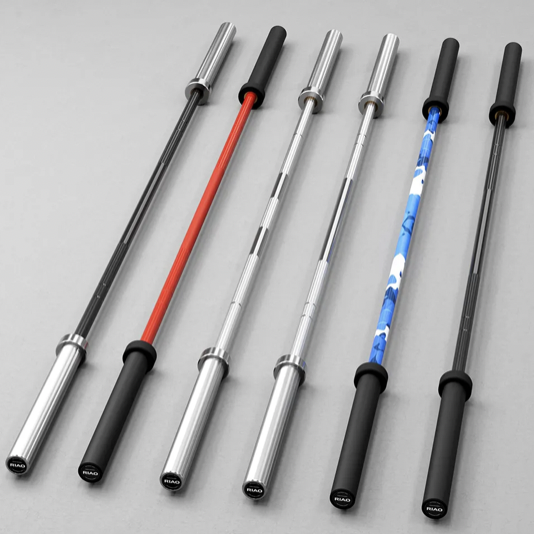
Anatomy of an Olympic Bar: Design and Specifications
The Olympic Bar is an impressive men’s bar, bearing the perfect spin and sleeve in order to offer supreme performance. Olympic bars usually weigh 20 kgs (44 lbs) for men and 15 kgs (33 lbs) for women, while matching those of the International Weightlifting Federation (IWF). These are the required balls for environments and competition around the world. Its dimensions are established at 2.2 m (7.2 feet) in length, and dimensions widely graduated for men and women – 28 mm (1.1 inches) for men and 25 mm (0.98 inches) for women, to enable the individuals to hold the device and using ease and comfort for the athletes. The sleeves of the bar are designed to rotate on bearings which greatly reduces the torque applied to the bar and allows the bar to rotate more freely during lifts. Pinpoint accuracy like that is essential for both performance and to minimize the risk of injuries.
And further yet, the knurling on the bar has been strategically placed for a solid grip. It's the knurling that plays an integral role in applying even force on a lift and that's a hugely important factor for the overall effectiveness and safety of the lift. And It’s this delicate dance of design elements that makes the Olympic bar so vital to Olympic weightlifting, as form literally meets function in a perfect pairing, to allow athletes to excel beyond their limits society and the untutored might impose upon them.
Why the Olympic Bar is Essential for Proper Technique
The Grizzly Olympic Bar is the key to introducing lifting into any serious weightlifter’s regimen. Its symmetry helps provide stability and equilibrium, which our bodies need in order to perform lifts safely and effectively. This bar lets athletes train for every lift with no restriction which brings about better biomechanics. This is paramount especially when doing the clean, snatch and jerk exercises where the Olympic bar is designed for. The point here is that learning one of these techniques is important for more than just your performance; It can actually be life-saving when it comes to avoiding injury.
Consistent training with an olympic bar also helps to develop grip. The strength of your grip is crucial for heavier lifting and therefore it's not just a competition bar, but an essential part of any strong training program. Being able to control the bar well could convert into dramatically improved performance, showing the bar's place in breaking physical through barriers and building an athlete's mental tenacity.
The Critical Role of Proper Technique in Olympic Lifting
Avoiding Injury: Lessons from Real-World Incidents
Good form when lifting weights is very important in avoiding injury, and about 80% of injuries are due to poor form. This figure reinforces the need for education and training in order to reduce the chances of harm. These tragic accidents, such as the one that killed Yashtika Acharya, ironically illustrate the obvious injuries such as sprains, strains, and in some cases–fatalities. Such a tragedy, it is a stark reminder how important it is to call good form and respect safety measures. Long-term cases in athletes also provide evidence that technique is key to injury reduction and the importance of expanding the knowledge and ability in health and performance.
How Form Affects Performance and Longevity
Good form can lead to as much as a 20% difference in lifting performance and, studies show optimal biomechanics occur with good form. The base of good technique doesn't just serve as a launchpad for the more advanced, it also prolongs an athlete's career as it reduces wear and tear on the joints in the long run. It’s pretty much universally accepted among fitness professionals that the key to success with heavier lifts is getting the form down with lighter weights. This process allows athletes to develop gradually and sustainably, so they stay involved in the sport and keep improving. Correct form will be the road to your longterm success and lifting fulfillment.
Breaking Down the Snatch: Step-by-Step Technique Guide
Grip Positioning and Foot Placement
In the snatch the appropriate grip width is crucial to produce an optimal bar path and to lift the most weight. Usually pull a wider grip than clean to allow for better bar travel. It’s important to match the grip to the underlying biomechanics to maximize lifting mechanics. For your feet position, shoulder width apart to ensures that you have a solid and stable base to start the lift with. Modifications could be made according to an individual’s body mechanics, but the foundation should be toward an optimal body position for maximum lift efficiency.
The Pull Phase: Generating Explosive Power
Pull in Olympic lifting The pull in Olympic lifting is an all out effort engaging the legs and back together in unison, you want to keep the bar path close to maintain control and generate power. The hip drive takes the momentum out of the whole chain and thrusts it upwards at the freaking ceiling, creating an explosive upward force. It is recommended to imagine the bar moving in a straight vertical path to help maintain focus and accuracy on the lift. This image can help you stay in alignment and drive the most power you possibly can from your squat, the result of which is a big lift.
Receiving the Bar: Overhead Stability
The transition to the snatch receiving position is a key moment, it has to be reached with balance and control. Proper overhead stability is developed through the shoulder’s active control of the bar overhead to reduce the stress and potential for injury. Exercises like the overhead squat are good, because they develop the components of muscular strength you need to stabilize the snatch. With these drills, you learn to catch the bar with the optimal structure for a safe and strong lift overhead, necessary for successful Olympic lifting.
Mastering the Clean & Jerk with an Olympic Bar
The Clean: Transitioning from Floor to Shoulders
The clean phase is essentially being able to get the Olympic Bar from the ground to the shoulders as efficiently as possible, which involves an explosive leg drive. The legs need to be activated as much as possible, so the bar makes a straight path under the body to further pull it upwards. Need more clarity with getting from the pull to the catch?. Athletes use visualization to help comprehend into this transition. This visualization helps in coordination so the action is much easier to perform. Bright expert advice also suggests that the load should gradually increase during the clean to work on form and strength without worrying about maxing out and to feel successful while performing the lift.
The Jerk: Driving Power from the Hips
The jerk occurs with dynamic hip extension and so requires the support of the whole body. Conquering this part requires attention to the details of the split jerk and the power jerk, so that athletes can figure out which one best fits their physical structure which will lead to technique that is most efficient! Any and all mobility work for the hips is gold, as it can greatly improve jerk power and effectiveness where the dip keeps its fluid and strong movement.
Common Errors in Split-Jerk Execution
Correcting common errors in the execution of the split jerk, such as foot placement or balance issues, is important in trying to achieve optimal performance. Athletes can benefit from using video as a feedback tool to help them identify what they need to change. Split balance drills, as coaches say, provide athletes with a solid base that can keep them from making mistakes and help technique and results.
Safety Protocols for Olympic Bar Training
The Importance of Spotters and Safety Racks
You can greatly reduce your chances of injury while lifting heavy weight as a product of Olympic bar training by having a spotter, or using safety racks. Spotters are an essential role as their assistance and assurance maintains the safety of the lifter during difficult lifts. They are ready to grab the bar and save the athlete should he or she have difficulty, bailing out the person to position the bar back to a safe level. Safety racks are also a necessity, especially for lifts that are meant to go and weight taken overhead, as they provide a safe resting spot for the bar if it is dropped. This decreases the chance of injury and acts as a fail-safe for lifters. Moreover, including spotters is essential if employing new movements or excess weight during training. Emphasizing such safety protocols is crucial for a safe and effective Olympic bar training setting.
Pre-Lift Equipment Checks for Optimal Safety
There ain’t no getting ‘round it -- one of your first and best lines of defense in the safety game in kids’ bar training is in the form of a comprehensive pre-lift equipment check. Prior to the start of any session, athletes should check the barbell, weight plates and collars to ensure they are all in good working order. By monitoring for impending equipment failures, to the body no longer being the point of failure, accidents and workout injuries can be reduced. Despite these considerations, our athletes should be taught to identify signs of deterioration in their equipment (for maintaining safety during workouts). Regular maintenance testing can greatly increase the life of the equipment and impact the performance of the athlete. It is a must to have a check-list when you check your equipment as part of your daily routine, because we need a safe training environment. We focus hard on all the safety protocols, pre-lift checks to make sure an Olympic Bar session is safe and productive.
Benefits of Proper Olympic Bar Technique
Enhanced Power Transfer and Efficiency
The technique significantly determines how power is effectively transmitted from the lower to upper limbs. This maximizes the potential from your lifts, and may improve overall performance. Athletes who use the correct lifting technique can expect to see up to 15 percent increase in performance. Lifters can also increase their 'fuel economy' if they use more advanced lifting techniques, which allows them to lift more with less effort. This not only enhances Olympic lifting performances, but overall athletic performance on the playing field.
Long-Term Joint Health and Injury Prevention
Good form for Olympic lifting helps a great deal with joint health and injury prevention. Indicator: Research has found that athletes who maintain the proper lifting positions incur far fewer joint injuries down the road. The correct technique will reduce damaging torque and shear forces on the joints, improving joint longevity and maintaining overall joint health. Maintaining long term training with good technique also develops healthier muscle tissue, important for maintaining athletic longevity and avoiding injury in common weightlifts.
Maximizing Strength Gains Through Precision
Proper form is everything when using these for lifts and to develop strength using them. Specialized workouts focus on proper form to ensure maximum results with minimal risk of injury. Lifters who are focused on improving their form say their progress is faster and performance in Olympic lifting is improved. Athletes who prioritize that tight technique will be able to tap into all of their power potential, leading to better outcomes on the platform.
Common Technique Mistakes and How to Correct Them
Rounding the Back During Initial Pull
One of the common errors during the pull is to round the back, this can cause injury by failing to keep a neutral spine. This fix requires an emphasis on keeping a neutral spine from the floor to the top of the lift. An effective approach is to incorporate exercises such as deadlifts but in a form that is strict, that way muscle memory is strengthened so that proper posture is maintained. Body mechanics workshops can also teach athletes such critical lessons in form.
Premature Arm Bend in the Snatch
Early arm bending during the snatch can dramatically diminish the overall efficiency of the lift by changing the bar's trajectory. To prevent this from happening, you need to work on keeping your arms straight throughout the lift and only bending them in the pull under. Working off some lighter weights can help accentuate the point, for lifters need to learn to keep their arms locked longer than feels comfortable as well. Coaches can use feedback from more experienced lifters and from video work can identify areas where lifters are bending the arms too soon, and made specific recommendations on how to correct it.
Incomplete Hip Extension in the Jerk
The incomplete hip extension in the jerk restricts the upward forces required for a successful lift, reducing the athlete's optimal performance level. To address this, specific exercises to improve hip extension should be included in the lifter’s training program (e.g., hip bridge, barbell squat). This error is easy to see on video, and many coaches use video to help athletes identify the error as well as develop a better sense of proper position that they can then apply in the gym.
Table of Contents
-
Understanding the Olympic Bar and Its Role in Weightlifting
- Anatomy of an Olympic Bar: Design and Specifications
- Why the Olympic Bar is Essential for Proper Technique
- The Critical Role of Proper Technique in Olympic Lifting
- Avoiding Injury: Lessons from Real-World Incidents
- How Form Affects Performance and Longevity
- Breaking Down the Snatch: Step-by-Step Technique Guide
- Grip Positioning and Foot Placement
- The Pull Phase: Generating Explosive Power
- Receiving the Bar: Overhead Stability
- Mastering the Clean & Jerk with an Olympic Bar
- The Clean: Transitioning from Floor to Shoulders
- The Jerk: Driving Power from the Hips
- Common Errors in Split-Jerk Execution
- Safety Protocols for Olympic Bar Training
- The Importance of Spotters and Safety Racks
- Pre-Lift Equipment Checks for Optimal Safety
- Benefits of Proper Olympic Bar Technique
- Enhanced Power Transfer and Efficiency
- Long-Term Joint Health and Injury Prevention
- Maximizing Strength Gains Through Precision
- Common Technique Mistakes and How to Correct Them
- Rounding the Back During Initial Pull
- Premature Arm Bend in the Snatch
- Incomplete Hip Extension in the Jerk