 EN
EN

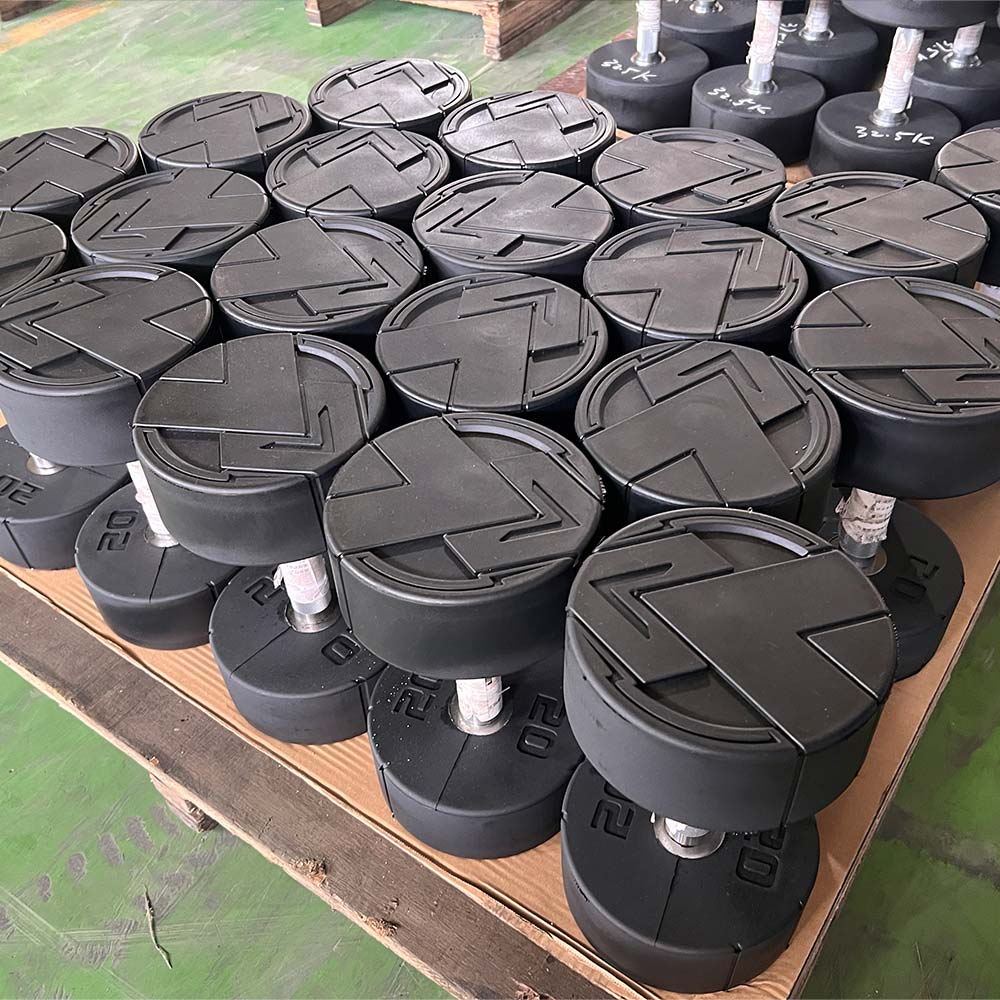
For fitness equipment distributors, gym chain operators, and procurement specialists managing large-scale supply chains, finding the right wholesale dumbbell manufacturer is one of the most consequential sourcing decisions a business can make. The global gym equipment market has grown substantially over the past decade, driven by the rise of commercial fitness centers, boutique studios, hotel gyms, and corporate wellness facilities. In this competitive landscape, supply chain efficiency, product consistency, and reliable manufacturing partnerships have become critical differentiators for businesses that need to fulfill large orders on time and within budget.

This article is designed to help global buyers, gym equipment wholesalers, and fitness facility procurement teams understand what makes a dependable wholesale dumbbell manufacturer, how to evaluate manufacturing capabilities for bulk supply chain needs, and what key factors determine whether a manufacturer can serve as a long-term global partner. From product standards and quality certification to MOQ flexibility and logistics readiness, every dimension covered here is relevant to professionals building or scaling a gym supply chain.
Understanding the Role of a Wholesale Dumbbell Manufacturer in a Global Supply Chain
The Manufacturing Partner as a Supply Chain Foundation
A wholesale dumbbell manufacturer is not simply a factory that produces weights. In the context of a global gym supply chain, the manufacturer occupies a foundational role — one that directly influences your product availability, brand reputation, and customer satisfaction downstream. Whether you are supplying commercial gyms, hotel fitness centers, or retail chains, your manufacturer's production capacity, material sourcing, and quality control processes ultimately define the reliability of your entire supply operation.
Global gym supply chains are complex. They involve multiple stakeholders — including equipment importers, regional distributors, end-use facility operators, and logistics providers — all of whom depend on consistent product output from the source. A manufacturing partner that cannot maintain stable lead times, consistent weight tolerances, or predictable packaging standards can create cascading failures throughout the chain. That is why selecting the right wholesale dumbbell manufacturer requires a much deeper evaluation than price alone.
Procurement specialists operating in this space understand that the cost of switching manufacturers mid-contract, managing product recalls, or handling customer complaints about quality defects far outweighs any short-term savings gained from choosing a lower-cost, undervetted producer. Building the supply chain on a qualified manufacturer from the start is the more effective business strategy.
Product Range and SKU Depth as Supply Chain Enablers
A capable wholesale dumbbell manufacturer for global supply chains must offer a comprehensive range of products, not just a limited catalog of popular weight increments. Commercial gyms typically require full dumbbell sets ranging from the lightest 2.5 lb or 1 kg options all the way through to 100 lb or 50 kg heavy-duty models. The ability to source the full range from a single manufacturer — including rubber hex dumbbells, pro-style dumbbells, chrome dumbbells, and urethane-coated variants — significantly reduces supply chain complexity.
For distributors managing multiple gym accounts, SKU depth matters enormously. A manufacturer with a deep product portfolio allows you to consolidate purchasing, negotiate better pricing through volume, and simplify logistics coordination. When evaluating a wholesale dumbbell manufacturer, always assess whether their product line can accommodate the full spectrum of your current clients' needs as well as potential future demands as your business scales.
Key Manufacturing Capabilities That Matter for Bulk Gym Equipment Orders
Production Capacity and Lead Time Reliability
When you are managing a global gym supply chain, the ability to receive large, consistent orders on schedule is not a luxury — it is a baseline requirement. A qualified wholesale dumbbell manufacturer must demonstrate documented production capacity that aligns with your peak demand cycles. For example, major gym chain expansions, seasonal fitness equipment procurement surges, and new hotel openings often require delivery of thousands of units within specific windows. If your manufacturer cannot scale production reliably, your client relationships suffer.
Lead time reliability is equally important. A wholesale dumbbell manufacturer that can produce quickly but ships inconsistently creates as many problems as one with slow production. Supply chain planners need accurate lead time estimates to coordinate logistics, warehouse space, and client delivery commitments. Manufacturers that provide transparent production scheduling visibility — including updates on raw material availability and factory capacity utilization — are far more valuable long-term partners than those offering vague delivery windows.
Before committing to a manufacturer, request historical delivery performance data, ask about buffer stock policies, and understand their protocols for handling unexpected demand spikes or supply disruptions. These conversations reveal a great deal about how operationally mature and supply chain-ready the manufacturer actually is.
Raw Material Quality and Weight Accuracy Standards
The quality of a dumbbell starts with the raw materials used in its production. For cast iron and rubber-coated dumbbells, the quality of the iron casting, the density consistency of the rubber coating, and the finish of the handle are all direct reflections of how seriously the wholesale dumbbell manufacturer controls its input materials. Poor-quality cast iron leads to weight inaccuracies, brittleness, and surface defects that shorten product lifespan and frustrate end users.
Weight accuracy is a fundamental quality standard in the commercial fitness equipment industry. Professional gym operators and certified fitness facilities expect dumbbells to fall within tight tolerance ranges — typically within 2–3% of the stated weight. A wholesale dumbbell manufacturer that cannot consistently meet these tolerances will generate warranty claims, complaints, and returns that erode your margins and damage your reputation with clients.
Rubber coating quality also plays a major role in the durability and safety of the product in commercial environments. Commercial gyms subject dumbbells to thousands of drop cycles annually. A manufacturer using low-grade rubber compounds or inadequate bonding processes will produce dumbbells that crack, chip, or delaminate under heavy use — unacceptable in professional settings. Always request material specifications and, where possible, arrange for physical sample evaluation before placing a bulk order.
Quality Certification and Compliance for International Markets
Why Certifications Matter in Global Distribution
International gym equipment buyers operate in markets with varying regulatory environments. Whether you are supplying gyms in Europe, North America, the Middle East, or Southeast Asia, your supply chain must be able to demonstrate product compliance with market-specific requirements. A wholesale dumbbell manufacturer serving global markets should hold or be capable of supporting key certifications such as ISO 9001 for quality management systems, and should be able to provide relevant testing reports for material safety and structural integrity.
For European market distribution, CE marking and compliance with applicable EN standards for fitness equipment are relevant considerations. For markets such as the United States, understanding ASTM material standards and local import requirements matters. A wholesale dumbbell manufacturer with international distribution experience will typically have familiarity with these requirements and may already hold documentation that simplifies your compliance process.
Certifications also serve as a proxy signal for overall manufacturing discipline. A manufacturer that has invested in ISO certification or undergone third-party audits typically demonstrates stronger internal process controls, better record-keeping, and more systematic quality assurance than one with no documented quality management framework. These attributes translate directly into supply chain reliability for your business.
Private Label and OEM Capabilities for Brand-Building
Many successful gym equipment distributors build their competitive advantage not by selling generic products but by offering branded fitness equipment lines that carry their own identity in the market. A wholesale dumbbell manufacturer with robust OEM and private label capabilities enables distributors to develop branded product lines without the capital investment of owning a factory. This is an important strategic option for growing distribution businesses.
OEM flexibility includes the ability to customize weight range offerings, handle design, rubber coating colors, logo placement, and packaging. Some manufacturers also offer custom weight labeling and branded documentation. When assessing a wholesale dumbbell manufacturer for private label potential, ask about minimum order quantities for custom production runs, tooling costs, color and material customization lead times, and their experience working with international brand programs.
The ability to develop a proprietary product line through a wholesale dumbbell manufacturer partnership is a meaningful business asset. It creates switching barriers for your clients, supports premium pricing, and gives your distribution business a stronger market identity than simply reselling commodity equipment.
Logistics Readiness and Global Shipping Coordination
Export Packaging and Freight Efficiency
Dumbbells are heavy, dense products that present specific logistics challenges. Improper packaging leads to product damage in transit, which is especially costly when shipping large international orders. A wholesale dumbbell manufacturer experienced in global supply chains will have developed export-grade packaging standards that protect products effectively while optimizing carton dimensions and pallet configurations for freight efficiency.
Freight optimization matters significantly when you are shipping tens of thousands of kilograms of cast iron products across international ocean freight routes. Manufacturers that understand container loading efficiency, weight distribution per pallet, and freight documentation requirements reduce your shipping costs and minimize clearance delays. A wholesale dumbbell manufacturer that has never shipped internationally will lack this operational knowledge, creating avoidable complications for your supply chain.
Request detailed information about how the manufacturer packages products for export, their preferred incoterms, their experience with customs documentation, and whether they have established relationships with freight forwarders. These details indicate whether the manufacturer is truly equipped to be a global supply partner or simply a domestic producer with export aspirations.
Communication Infrastructure and Order Management Responsiveness
Operational transparency and responsive communication are often underestimated but critically important qualities in a wholesale dumbbell manufacturer for global supply chains. When you are managing time-sensitive procurement across multiple time zones, a manufacturing partner that responds slowly, provides vague production updates, or lacks dedicated account management creates significant operational friction.
A well-structured wholesale dumbbell manufacturer for international markets typically provides dedicated export sales teams, multilingual communication support, systematic order tracking, and proactive pre-shipment inspection coordination. These capabilities do not happen by accident — they reflect deliberate investment in becoming an effective global manufacturing partner rather than simply a production facility.
When assessing potential manufacturers, pay attention to how they respond during the initial inquiry phase. Response time, the quality and specificity of technical answers, willingness to share documentation, and the professionalism of their communications are all predictive indicators of how they will perform as a long-term supply chain partner. First impressions in manufacturer communications often accurately forecast the broader relationship.
Evaluating Long-Term Partnership Potential with a Wholesale Dumbbell Manufacturer
Financial Stability and Operational Continuity
Supply chain relationships with a wholesale dumbbell manufacturer are most valuable when they are long-term. Switching manufacturers is disruptive, expensive, and risky — it resets the trust-building process, requires new product qualification, and temporarily increases supply uncertainty. That is why evaluating the long-term financial and operational stability of a manufacturer is an important part of the due diligence process.
A stable wholesale dumbbell manufacturer will have consistent workforce levels, ongoing investment in equipment and production technology, and a track record of operating through market cycles without major disruptions. Asking about the manufacturer's history, their current client base scale, and their investment plans for capacity expansion can provide meaningful insight into whether they are positioned to grow alongside your supply chain needs.
Financial stability also impacts their ability to carry raw material inventories, maintain buffer stock for key SKUs, and absorb minor cost fluctuations without immediately passing disruptions to your orders. A financially strong wholesale dumbbell manufacturer is a more resilient supply chain anchor than one operating under constant margin pressure.
Building a Collaborative Development Relationship
The most productive relationships between gym equipment distributors and a wholesale dumbbell manufacturer go beyond transactional purchasing. As fitness facility design evolves — with trends toward color-coded dumbbell sets, ergonomic handle geometries, and space-efficient racking solutions — distributors who maintain collaborative development relationships with their manufacturers gain a first-mover advantage in bringing new products to market.
A wholesale dumbbell manufacturer with genuine R&D capability and a willingness to engage in joint product development offers significantly more long-term value than one that only produces standard catalog items. This type of collaborative relationship enables distributors to differentiate their offerings, respond faster to emerging market trends, and build proprietary product lines that competitors cannot easily replicate.
Establishing a collaborative dynamic begins during the selection and onboarding process. Manufacturers that ask substantive questions about your market positioning, your end customers' needs, and your product roadmap are signaling a genuine interest in partnership beyond order fulfillment. These are the manufacturers most likely to add strategic value to your supply chain over time.
FAQ
What minimum order quantities should I expect from a wholesale dumbbell manufacturer for global supply chains?
Minimum order quantities vary significantly depending on the manufacturer's scale and production model. Most commercial-grade wholesale dumbbell manufacturers serving global markets set MOQs based on product type, typically ranging from a few hundred kilograms to several tons per order. Larger manufacturers with international export experience often offer more flexible MOQ arrangements for established clients or for buyers placing mixed SKU orders across a full product range. Discussing your specific volume requirements early in the evaluation process helps both parties determine fit quickly.
How do I verify the quality standards of a wholesale dumbbell manufacturer before placing a large order?
The most reliable verification approach combines multiple methods. Request physical product samples to evaluate weight accuracy, rubber coating quality, handle finish, and structural integrity firsthand. Ask for copies of any ISO or third-party quality certifications and review testing reports where available. If possible, arrange a factory audit — either in-person or through a qualified third-party inspection service. Reviewing the manufacturer's quality control process documentation and asking specific questions about how they manage defects and returns also provides meaningful insight before committing to a large order.
Can a wholesale dumbbell manufacturer support private label branding for my distribution business?
Many experienced wholesale dumbbell manufacturers offer OEM and private label services as a standard capability. This typically includes custom rubber coating colors, handle specifications, logo engraving or sticker application, and branded packaging design. The feasibility and cost of private label customization depend on order volume, the extent of customization required, and whether new tooling is needed. For distributors building a branded product line, it is important to discuss the full scope of customization needs with the manufacturer early to understand lead times, tooling investment, and minimum order thresholds for custom production runs.
What should I prioritize when comparing wholesale dumbbell manufacturers for a long-term global supply chain relationship?
Prioritize production capacity reliability, material and weight accuracy standards, export logistics experience, and communication responsiveness above price alone. A slightly higher unit cost from a well-qualified wholesale dumbbell manufacturer will typically deliver far better total supply chain economics than a lower-cost option that introduces quality variability, logistics failures, or communication breakdowns. Also assess the manufacturer's financial stability, their experience serving international markets, and whether they demonstrate a genuine interest in building a collaborative, long-term partnership rather than simply processing individual purchase orders.
Table of Contents
- Understanding the Role of a Wholesale Dumbbell Manufacturer in a Global Supply Chain
- Key Manufacturing Capabilities That Matter for Bulk Gym Equipment Orders
- Quality Certification and Compliance for International Markets
- Logistics Readiness and Global Shipping Coordination
- Evaluating Long-Term Partnership Potential with a Wholesale Dumbbell Manufacturer
-
FAQ
- What minimum order quantities should I expect from a wholesale dumbbell manufacturer for global supply chains?
- How do I verify the quality standards of a wholesale dumbbell manufacturer before placing a large order?
- Can a wholesale dumbbell manufacturer support private label branding for my distribution business?
- What should I prioritize when comparing wholesale dumbbell manufacturers for a long-term global supply chain relationship?