 EN
EN

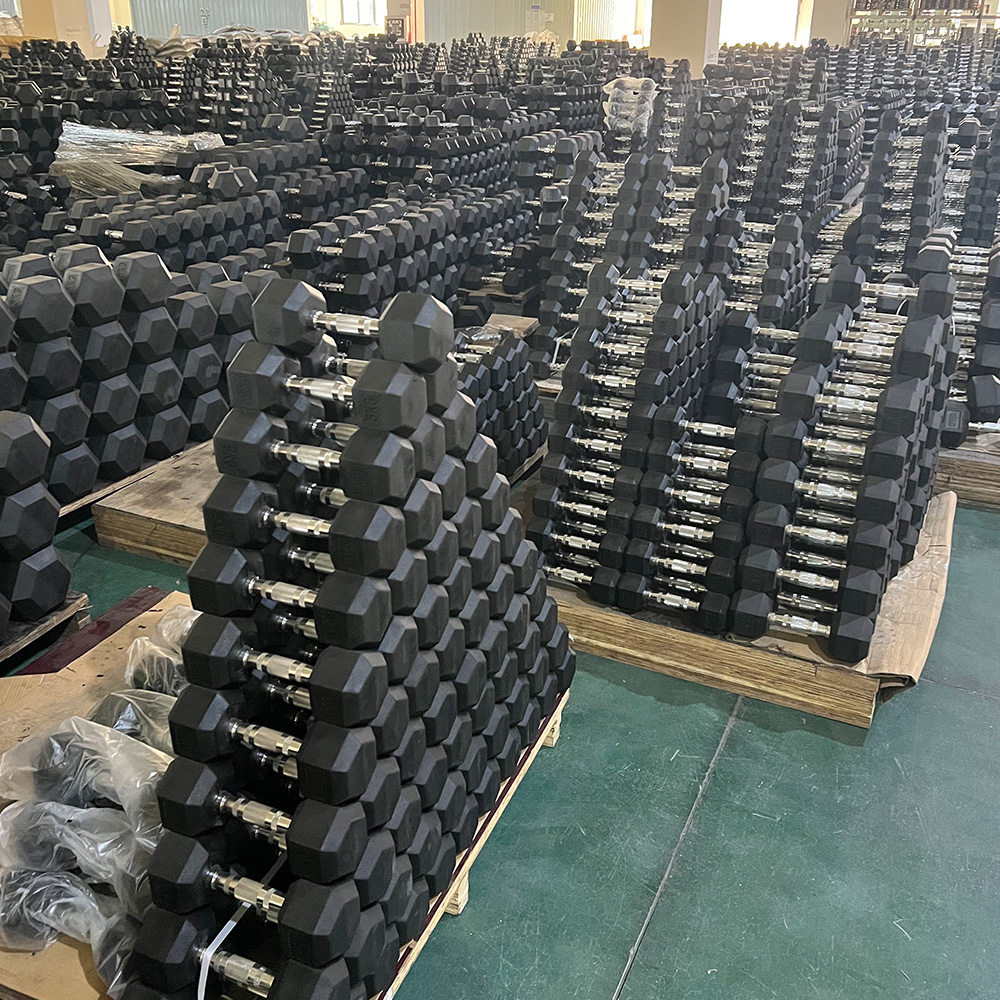
Equipping a professional weight room demands more than simply stacking iron on a rack. Every piece of equipment must endure daily abuse from athletes, personal training clients, and fitness enthusiasts who push their limits every session. A rubber dumbbell has become the standard choice across commercial gyms, hotel fitness centers, university athletic facilities, and high-performance training studios precisely because it delivers the durability, safety, and aesthetic consistency that those environments demand. When purchasing at wholesale scale, the stakes rise further — procurement managers need to ensure that every unit in a set of dozens or even hundreds performs identically, looks uniform across the floor, and withstands years of use without degrading.

This article explores what makes a rubber dumbbell the right investment for professional weight rooms, what to evaluate when sourcing wholesale, how to match specifications to facility needs, and what the long-term value proposition looks like when you buy smart rather than cheap. Whether you manage a chain of fitness clubs, a collegiate strength program, or a boutique training studio scaling to multiple locations, understanding the wholesale dynamics of the rubber dumbbell market will help you make better procurement decisions and build training environments your clients and athletes will respect.
Why Rubber Dumbbells Have Become the Commercial Standard
The Core Advantage Over Traditional Cast Iron
The shift from bare cast iron to the encased rubber dumbbell was not driven by aesthetics alone. Professional facilities quickly recognized that rubber encasement fundamentally changes how the equipment interacts with the training environment. When a rubber dumbbell is dropped — and in high-intensity settings, it will be dropped — the rubber coating absorbs and redistributes impact energy instead of transferring it directly to flooring, surrounding equipment, or nearby users. This dramatically reduces the cracking and chipping that shortens the life of uncoated iron weights.
The protective layer also eliminates the corrosion problem that plagues bare metal in humid gym environments. Sweat, cleaning solutions, and ambient moisture can degrade exposed cast iron within months in a busy facility. A quality rubber dumbbell resists all three without requiring special maintenance. For facilities that invest in premium rubber flooring and mirror installations, the value of equipment that doesn't scratch, chip, or rust is amplified further — every dropped or mishandled rubber dumbbell that bounces cleanly instead of gouging a floor tile is a maintenance cost avoided.
Performance Consistency Across a Full Weight Set
In a professional weight room, users move fluidly between weights. A training set might call for a lifter to pick up a 10 lb, then a 35 lb, then a 50 lb in sequence. If the grip texture, head diameter ratio, or handle feel varies significantly between those weights, the transition disrupts the workout and can even increase injury risk when grip confidence is broken mid-exercise. A well-engineered rubber dumbbell set is designed so that every weight in the range shares identical handle geometry, knurling pattern, and grip diameter, ensuring a consistent user experience from the lightest to the heaviest unit.
This consistency is especially important in group training formats — boot camps, circuit classes, and team conditioning sessions — where multiple users cycle through the same equipment simultaneously. Coaches and trainers rely on uniform equipment behavior to standardize programming. When you source a rubber dumbbell set wholesale, buying within a single product line from a single supplier is the most reliable way to ensure that all-important consistency is preserved across every weight increment you stock.
What to Evaluate When Sourcing Rubber Dumbbells at Wholesale Scale
Rubber Compound Quality and Durometer
Not all rubber compounds used in rubber dumbbell manufacturing are created equal. The durometer — a measure of rubber hardness — directly affects both how the dumbbell feels in the hand and how it performs on impact. Compounds that are too soft will deform under load, allowing the iron core to shift slightly, which creates an unbalanced feel and accelerates wear at stress points. Compounds that are too hard lose the impact-absorption benefit and can crack under repeated drop stress. Professional-grade rubber dumbbell products use a carefully calibrated compound that sits within an optimal hardness range, balancing resilience with grip texture.
When evaluating wholesale suppliers, request material specification sheets and ask specifically about the rubber compound used. Recycled rubber compounds, while environmentally appealing, vary widely in consistency and can introduce odor and surface variation problems at scale. Virgin rubber or high-quality recycled blends processed under controlled conditions are the preferred choices for premium weight rooms. Odor is also a legitimate concern — a rubber dumbbell with a strong chemical smell is a liability in enclosed training spaces and a frequent source of complaints from facility users.
Handle Design and Ergonomic Standards
The handle is the user interface of a rubber dumbbell, and its design determines comfort, safety, and long-term usability. Chrome-plated steel handles with moderate knurling are the benchmark for professional-grade products. The knurling should provide sufficient grip without being aggressive enough to abrade skin during high-rep sets. Diameter matters too — handles that are too thin force excessive finger tension during heavier lifts, while handles that are too thick reduce the effectiveness of grip for smaller-handed users.
Weight-to-handle length ratios also affect how a rubber dumbbell balances in motion. Well-balanced units place the center of mass correctly relative to the grip, allowing natural wrist alignment during exercises like lateral raises, curls, and pressing movements. Poor balance — a problem more common with cheaper wholesale options — forces compensation from the wrist and forearm, increasing fatigue and injury risk over time. For professional facilities, handle quality is a non-negotiable specification that should be verified through sample review before placing a large wholesale order.
Weight Accuracy and Calibration Tolerance
In commercial settings, weight accuracy is both a legal and a practical issue. Users trust that a 30 lb rubber dumbbell is actually 30 lbs, and training programming is built on that assumption. Industry-standard tolerance for a commercial rubber dumbbell is typically within ±2–3% of the stated weight. Products that fall outside this range create inconsistency in training loads, which is particularly problematic in strength and conditioning programs where progressive overload is precisely tracked.
When reviewing wholesale options, ask suppliers for their calibration and quality control procedures. Reputable manufacturers test each weight before shipping and maintain production records that allow for auditing. A rubber dumbbell that looks identical on paper but is 5–10% off in actual weight is a problem that won't surface until it's already on your floor and causing confusion among your training staff. Request certified weight documentation for any large wholesale purchase.
Facility-Specific Selection: Matching Rubber Dumbbells to Your Weight Room
Weight Range Planning for Different Training Populations
A professional weight room does not stock one set of dumbbells — it stocks a range engineered to serve the full spectrum of users and movements the facility accommodates. For general commercial gyms, that typically means a rubber dumbbell range starting from 5 lbs and extending to at least 100 lbs, with increments small enough in the lighter range to support rehab and technique work. University athletic facilities may extend that range higher to serve strength-focused athletes. Personal training studios can often work within a more curated range, since programming is more controlled.
Incremental jumps also matter. Moving from 25 lbs to 30 lbs is a 20% increase in load — manageable for most users. Moving from 80 lbs to 90 lbs at the same jump represents a more significant percentage change and can create a challenging programming gap. Facilities serving mixed populations should consider stocking intermediate weights at the heavier end of the range. A wholesale rubber dumbbell purchase gives procurement teams the flexibility to build a complete range at a cost-per-unit that makes filling those gaps financially realistic.
Rack and Storage System Compatibility
A rubber dumbbell purchase at wholesale scale should always be coordinated with rack selection. Standard horizontal and saddle-style dumbbell racks are designed around specific head diameter and handle length norms, and not all products from different manufacturers conform to the same dimensions. Before finalizing a wholesale order, confirm that the head dimensions of the selected rubber dumbbell line are compatible with the storage system you plan to use or already have installed.
Space planning is equally important. A full set of rubber dumbbell weights from 5 to 100 lbs in standard 5 lb increments requires significant linear floor space even with high-density racking. Professional facility designers typically allow at least one full wall of racking for a complete commercial dumbbell set, with open floor space in front for active use. When purchasing wholesale, factor in the spatial reality of your floor plan to ensure the set you buy can be properly stored and accessed without creating congestion or safety hazards in the training area.
Long-Term Value and Maintenance Considerations in Wholesale Purchasing
Total Cost of Ownership vs. Initial Purchase Price
Wholesale procurement decisions are often driven primarily by unit price, and while cost control is entirely rational at scale, the lowest initial price rarely delivers the lowest total cost of ownership. A budget-grade rubber dumbbell that cracks, deforms, or loses its knurling within two years will require replacement — and the replacement cost, plus the labor cost of managing inventory, disposing of failed units, and temporarily operating with incomplete sets, can easily exceed the premium paid for a commercial-grade product from the start.
Professional-grade rubber dumbbell products are designed for a service life measured in decades, not years, when properly maintained. The rubber compound maintains its shape and texture. The chrome handle resists corrosion. The encapsulation bond between rubber and iron core holds under repeated impact. For facilities that are open twelve or more hours per day with constant traffic, this longevity translates directly into a lower annualized cost per unit, even when the upfront purchase price is higher. Procurement managers who model total cost of ownership rather than just purchase price consistently favor commercial-grade products.
Maintenance Protocols That Extend Equipment Life
Even the best rubber dumbbell requires basic maintenance to deliver its full service life. Regular cleaning with appropriate solutions — mild detergent and water is generally sufficient, while harsh solvents and alcohol-based cleaners can degrade rubber compounds over time — keeps surfaces hygienic and prevents the buildup of oils and chalk that can accelerate surface wear. Training facilities should establish a cleaning schedule that includes wiping down all rubber dumbbell units at least daily in high-traffic facilities.
Inspection protocols are equally important. Staff should periodically check that rubber encasement remains fully bonded to the iron core with no separation or cracking, that chrome handles show no peeling or significant corrosion, and that knurling depth remains sufficient for safe gripping. Units that show signs of structural failure should be removed from service immediately. Having a reliable wholesale supplier relationship means that replacement units can be sourced quickly and cost-effectively when needed, maintaining the completeness of your weight room's inventory without disruption to programming or client experience.
FAQ
What weight range should a professional weight room stock when purchasing rubber dumbbells wholesale?
Most professional facilities benefit from a complete rubber dumbbell range starting at 5 lbs and extending to at least 100 lbs, with 5 lb increments throughout. The specific upper limit should reflect the training population served — general commercial gyms typically cap at 100 lbs, while strength-focused athletic facilities may extend higher. When purchasing wholesale, filling the complete range in a single order ensures visual and functional consistency across the entire dumbbell floor and typically yields the best per-unit pricing.
How do I verify the quality of a rubber dumbbell before committing to a large wholesale order?
Requesting physical samples before committing to a large wholesale purchase is the most reliable verification method. Evaluate the sample rubber dumbbell for rubber hardness and texture, handle knurling depth and finish quality, weight accuracy against a certified scale, and the integrity of the bond between rubber and iron core. Also assess odor — premium rubber compounds should have minimal or no chemical smell. Ask the supplier for material specification documentation and quality control certificates to supplement your physical evaluation.
Is there a difference between rubber dumbbells marketed for commercial use and those sold for home gyms?
Yes, the difference is significant. A commercial-grade rubber dumbbell is engineered for continuous multi-user daily use over many years, with higher-grade rubber compounds, more robust iron cores, and tighter manufacturing tolerances. Home gym products are typically designed for intermittent use by one or two people and are manufactured to lower specifications that reduce cost. Professional weight rooms should exclusively specify commercial-grade rubber dumbbell products, as home gym products will fail prematurely under commercial traffic conditions and represent poor long-term value despite lower initial cost.
What should I look for in a wholesale supplier of rubber dumbbells for a professional facility?
A reliable wholesale supplier of rubber dumbbell equipment should be able to provide consistent product quality across large order quantities, documented specifications and quality control procedures, competitive pricing for full-range sets, and responsive support for replacement orders. Lead time reliability is especially important for facilities managing multiple locations or opening new facilities on a schedule. Evaluate suppliers based on their ability to deliver a complete rubber dumbbell set with consistent quality from the lightest to the heaviest unit, not just their price per pound.
Table of Contents
- Why Rubber Dumbbells Have Become the Commercial Standard
- What to Evaluate When Sourcing Rubber Dumbbells at Wholesale Scale
- Facility-Specific Selection: Matching Rubber Dumbbells to Your Weight Room
- Long-Term Value and Maintenance Considerations in Wholesale Purchasing
-
FAQ
- What weight range should a professional weight room stock when purchasing rubber dumbbells wholesale?
- How do I verify the quality of a rubber dumbbell before committing to a large wholesale order?
- Is there a difference between rubber dumbbells marketed for commercial use and those sold for home gyms?
- What should I look for in a wholesale supplier of rubber dumbbells for a professional facility?