Barbell Guide: Features, Benefits and Uses

Get a Free Quote

Email
Name
Company Name
Mobile
Message
0/1000

barbell

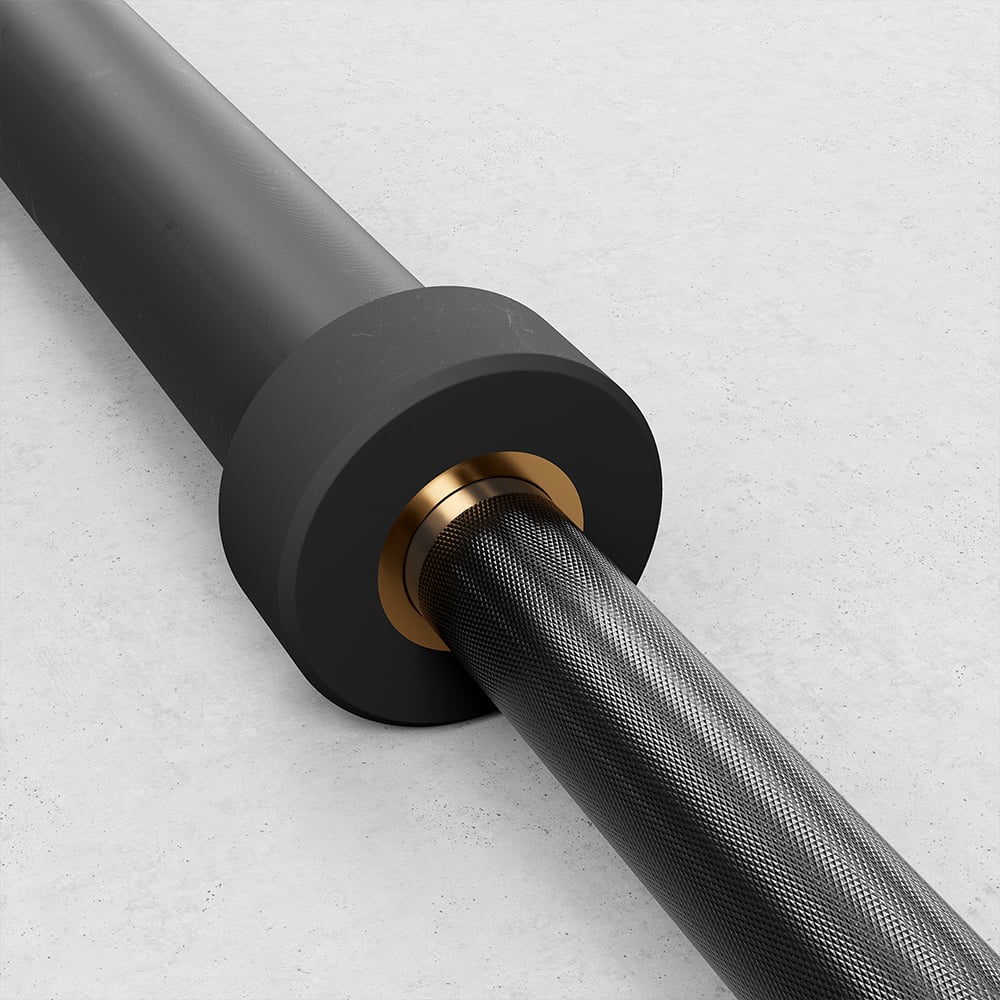
A barbell is a long training bar designed to hold weight plates at both ends, giving users a stable tool for strength, power, and conditioning exercises. A standard barbell usually includes a steel shaft, rotating sleeves, collars, and textured grip areas that help the user control the load. The barbell supports movements such as squats, deadlifts, bench presses, rows, overhead presses, cleans, and lunges. Because it accepts adjustable plates, one barbell can serve beginners, experienced athletes, personal trainers, and commercial gyms. The barbell also makes progressive training simple: users can add or remove plates as strength, goals, or exercise demands change. A quality barbell balances load capacity, grip comfort, sleeve movement, and overall durability. Its shaft may use a polished, chrome, stainless steel, or protective coated finish to resist wear and corrosion. This barbell design can include different knurling patterns, center markings, and sleeve lengths for specific training styles. Some models use needle bearings or bushings to improve sleeve rotation, while a barbell for Olympic lifting normally allows faster movement than a powerlifting model. A barbell for home use may prioritize quiet operation, compact storage, and a moderate weight rating. A commercial barbell often emphasizes repeated daily use and stronger surface protection. The same barbell can support full-body workouts, structured strength programs, sports preparation, rehabilitation under professional guidance, and general fitness. For buyers, a barbell offers broad exercise coverage in a single piece of equipment. Before purchase, users should compare length, weight, diameter, load rating, grip pattern, sleeve construction, finish, and warranty. A barbell selected for its intended application delivers dependable handling and long-term training value.

New Product Releases

The main advantage of a barbell is versatility. One barbell can replace several specialized tools because it supports lower-body, upper-body, and full-body movements. This helps buyers build a complete training area without filling the room with equipment. A barbell also lets users change resistance in small steps, making it easier to follow a steady strength plan and measure progress over time. For a beginner, a barbell can start with a light load and grow with improving technique. For an experienced lifter, the same barbell can support heavier work, explosive lifts, and demanding training cycles. A second advantage is efficiency. A barbell makes compound exercises practical, so users can train several major muscle groups in one movement. Squats, presses, rows, and deadlifts can provide strong results in limited workout time. This suits busy home users, coaching studios, school facilities, and commercial gyms. The barbell also creates a consistent training experience. A fixed bar path and balanced load help users repeat exercises, compare sessions, and set clear performance targets. Good grip markings improve hand placement, while rotating sleeves can reduce unwanted twisting during dynamic lifts. These details can make a barbell more comfortable and easier to control when technique matters. Operationally, a barbell needs little maintenance beyond cleaning, inspection, and proper storage. Its simple construction reduces setup time, and standard plate compatibility makes replacement or expansion easier. Buyers should still match the barbell to their application. A power-focused model may need high stiffness and strong load support, while an Olympic-style model benefits from responsive sleeves and suitable whip. A home buyer may value lower noise, protective coating, and manageable dimensions. A facility manager may prioritize durability, warranty coverage, and resistance to frequent use. Choosing the right barbell improves safety, training consistency, storage efficiency, and return on investment.

Latest News

Transform Your Home Gym with Top-Rated Fitness Equipment

03

Jul

Transform Your Home Gym with Top-Rated Fitness Equipment

Introduction The trend toward training at home is growing in popularity due to the convenience and ability for customization of a gym, which perfectly aligns with work from anywhere headsets as well as personalized guidance through connected fitness ...
View More
Investing in Longevity: The Durability of Professional-Grade Bumper Plates

22

Jun

Investing in Longevity: The Durability of Professional-Grade Bumper Plates

When gym owners, strength coaches, and serious athletes evaluate equipment purchases, durability is never an afterthought. bumper plates are among the most frequently dropped, loaded, and stress-tested tools in any weight room, which means the qualit...
View More
How to Evaluate Dumbbell Quality for Long-Term Commercial Use?

09

Jul

How to Evaluate Dumbbell Quality for Long-Term Commercial Use?

Choosing the right urethane dumbbell for a commercial fitness facility is a decision that carries serious long-term consequences. Unlike consumer-grade equipment, a commercial urethane dumbbell must endure hundreds of daily use cycles, repeated drops...
View More
How to Pick Weight Plates That Last in Commercial Gyms?

09

Jul

How to Pick Weight Plates That Last in Commercial Gyms?

Choosing the right urethane weight plate for a commercial gym environment is one of the most consequential purchasing decisions a facility manager can make. Unlike home gym setups, commercial facilities demand equipment that can withstand thousands o...
View More

Get a Free Quote

Email
Name
Company Name
Mobile
Message
0/1000

barbell

Adjustable Resistance for Complete Training

Adjustable Resistance for Complete Training

A key selling point of a barbell is its adjustable resistance. Users can load small plates for technique practice, moderate plates for regular fitness, or heavier plates for progressive strength work. This makes the barbell suitable for different ability levels without requiring a separate machine for every exercise. The adjustable format also supports clear goal setting. A user can record the total load, add a small amount when ready, and track improvement across weeks or months. Trainers can use one barbell to serve several clients with different strength levels, which improves equipment efficiency in a shared facility. At home, the barbell helps create a compact workout station for squats, presses, rows, and deadlifts. Buyers gain flexibility because the equipment can remain useful as their needs change. Plate compatibility remains important, so customers should confirm sleeve diameter, plate type, and weight capacity before ordering. A well-matched barbell delivers more exercise options and better long-term value.
Secure Handling and Comfortable Control

Secure Handling and Comfortable Control

The grip area gives a barbell much of its practical performance. Clear knurling helps the hands stay positioned during pressing, pulling, and lifting, while center markings support repeatable setup. A well-shaped barbell should provide firm contact without creating unnecessary discomfort during longer sessions. Rotating sleeves add another useful feature. When the sleeves turn smoothly, plates can move more naturally during cleans, snatches, and other fast exercises. This can reduce stress from unwanted rotation and help the user maintain better control. Different sleeve systems suit different applications: bushings often provide reliable everyday performance, while bearing systems may offer faster movement for Olympic-style training. Surface finish also matters. Chrome, stainless steel, or protective coatings can help resist sweat, scratches, and corrosion, depending on the environment and care routine. These details give buyers practical confidence rather than cosmetic appeal alone. A barbell with suitable grip, sleeve action, and finish can feel more stable, last longer, and support safer, more consistent training.
Built for Home and Commercial Applications

Built for Home and Commercial Applications

A durable barbell can serve many settings, from a small home gym to a busy commercial training center. For home users, useful qualities include reasonable length, manageable storage, protective finishes, and compatibility with available plates. These features make the barbell easier to organize and less demanding to maintain. In a gym, the equipment must withstand repeated loading, frequent handling, and varied exercise styles. A strong shaft, dependable sleeves, and a clear load rating help the barbell remain reliable during daily use. Coaches may also value standard dimensions because familiar equipment simplifies instruction and allows athletes to move between stations. Buyers can select a model according to its intended work: a stiffer barbell suits heavy squats and presses, while a more flexible option may suit dynamic lifting. Warranty support and replacement parts add further value for facilities that need dependable operation over time. This application range means one purchase can support strength training, athletic preparation, group classes, and general fitness. Selecting the right barbell reduces replacement risk and improves equipment planning.

Get a Free Quote

Email
Name
Company Name
Mobile
Message
0/1000

Get a Free Quote

Email
Name
Company Name
Mobile
Message
0/1000