Barbell Factory for Quality Fitness Equipment

Get a Free Quote

Email
Name
Company Name
Mobile
Message
0/1000

barbell factory

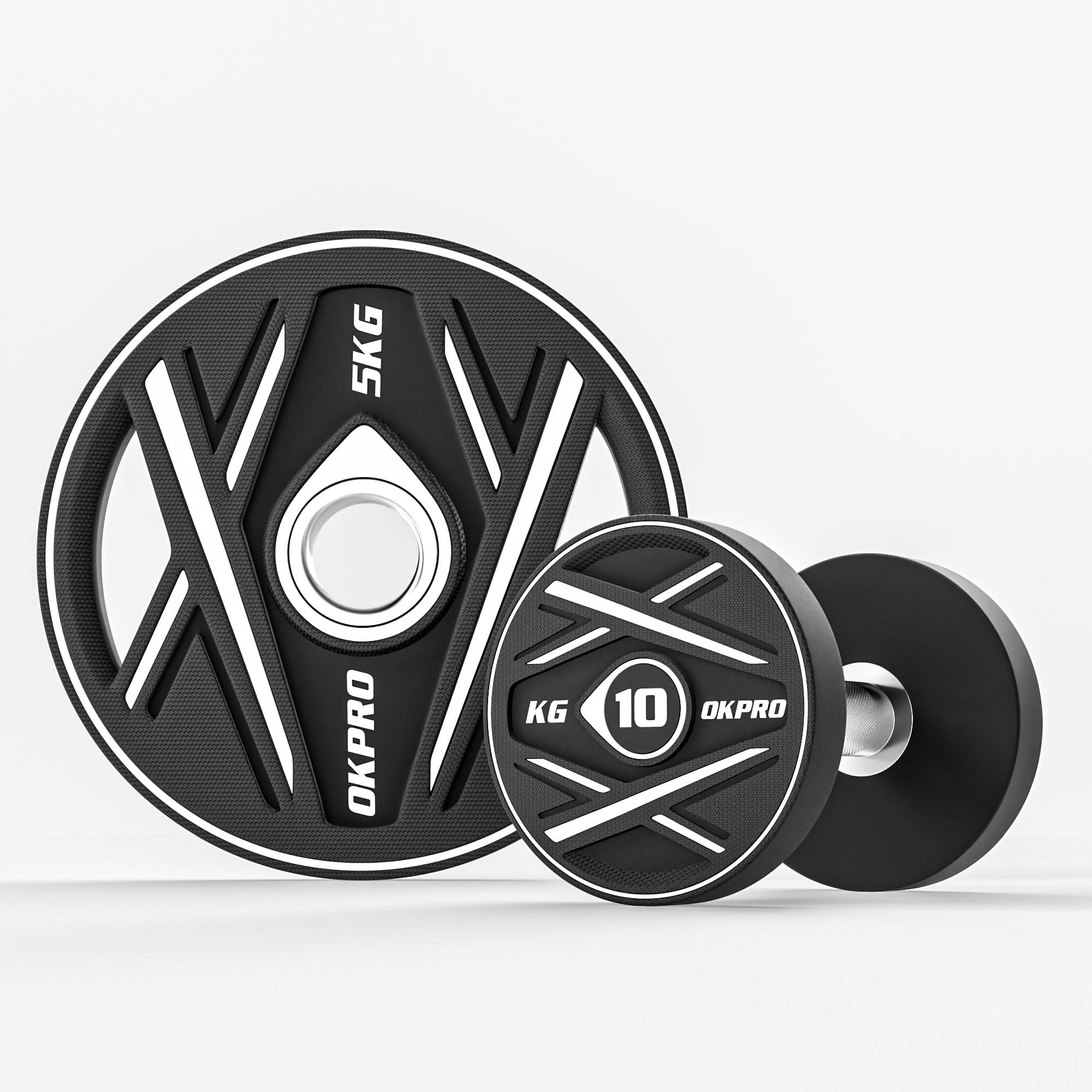
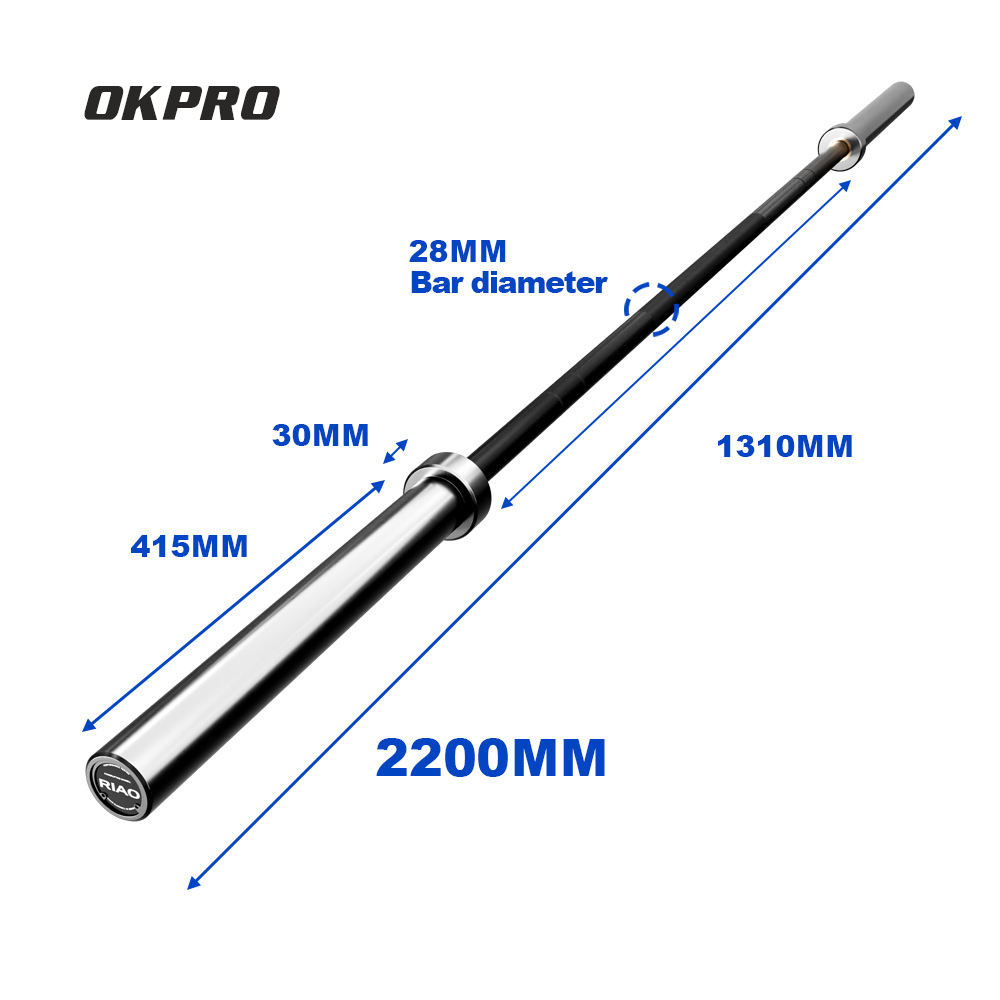
A barbell factory is a specialized production facility that designs, manufactures, tests, and prepares barbells for commercial and personal fitness use. The barbell factory typically handles the complete process, from selecting steel and creating bar shapes to applying surface finishes, adding sleeves, inspecting dimensions, and packing finished orders. This integrated approach gives the barbell factory better control over quality, supply timing, and product consistency. Modern equipment supports accurate cutting, forging, machining, welding, knurling, coating, and assembly. Automated or semi-automated machines help maintain even diameter, balanced weight, smooth rotation, and reliable grip patterns. A capable barbell factory also uses gauges, weighing systems, torque checks, and visual inspections to identify defects before shipment. These controls help each bar meet the required performance standard. Customers can usually request different lengths, weights, shaft diameters, knurling styles, sleeve designs, coatings, logos, and packaging formats. As a result, the barbell factory can serve multiple market segments instead of producing one standard item. Products may include Olympic barbells, powerlifting bars, training bars, women's bars, fixed barbells, specialty bars, and youth models. The main applications cover home gyms, health clubs, strength studios, schools, sports centers, rehabilitation facilities, hotels, and military training sites. Buyers choose a barbell factory when they need dependable equipment, repeatable specifications, private-label support, or larger order capacity. By combining engineering, production, inspection, and logistics under one roof, the barbell factory offers a practical source for safe, durable, and market-ready strength equipment.

Popular Products

Choosing a barbell factory gives buyers direct access to the source of production. Instead of relying only on a distributor, customers can discuss dimensions, materials, finishes, branding, and packaging with the team that makes the product. This direct connection often improves communication and makes it easier to resolve specification questions before an order enters production. A reliable barbell factory supports consistent quality across repeated purchases. Controlled material selection and documented inspection help keep shaft weight, length, grip position, and sleeve movement within the agreed range. Consistency matters to gyms replacing worn equipment, retailers building a product line, and training facilities that need users to experience the same feel from one bar to the next. The barbell factory can also retain approved samples and production records for future reference. Production at a dedicated barbell factory can reduce lead time when the facility maintains raw material stock, organized workstations, and planned manufacturing schedules. Customers may benefit from clearer delivery estimates and fewer handoffs. Bulk buyers can often combine several models in one order, while brands can request private-label cartons, labels, manuals, and visual designs. These services simplify purchasing and support a more professional market launch. The products suit many operating environments. Commercial gyms need strong bars for frequent daily use. Home users may prefer compact or general-purpose models. Strength athletes require bars with suitable whip, grip, and load capacity, while schools and rehabilitation centers may prioritize manageable weight and comfortable handling. A knowledgeable barbell factory can recommend suitable options instead of offering one design for every user. Another practical advantage is cost control. Factory purchasing can reduce unnecessary distribution layers, especially for larger quantities. Buyers can compare coating choices, packaging levels, order volumes, and customization costs before approval. A capable barbell factory also provides useful product context, such as care instructions, load guidance, corrosion protection, and expected application. This information helps customers choose equipment that matches both budget and operating conditions.

Tips And Tricks

Bumper Plates: Investing in Your Fitness Equipment

03

Jul

Bumper Plates: Investing in Your Fitness Equipment

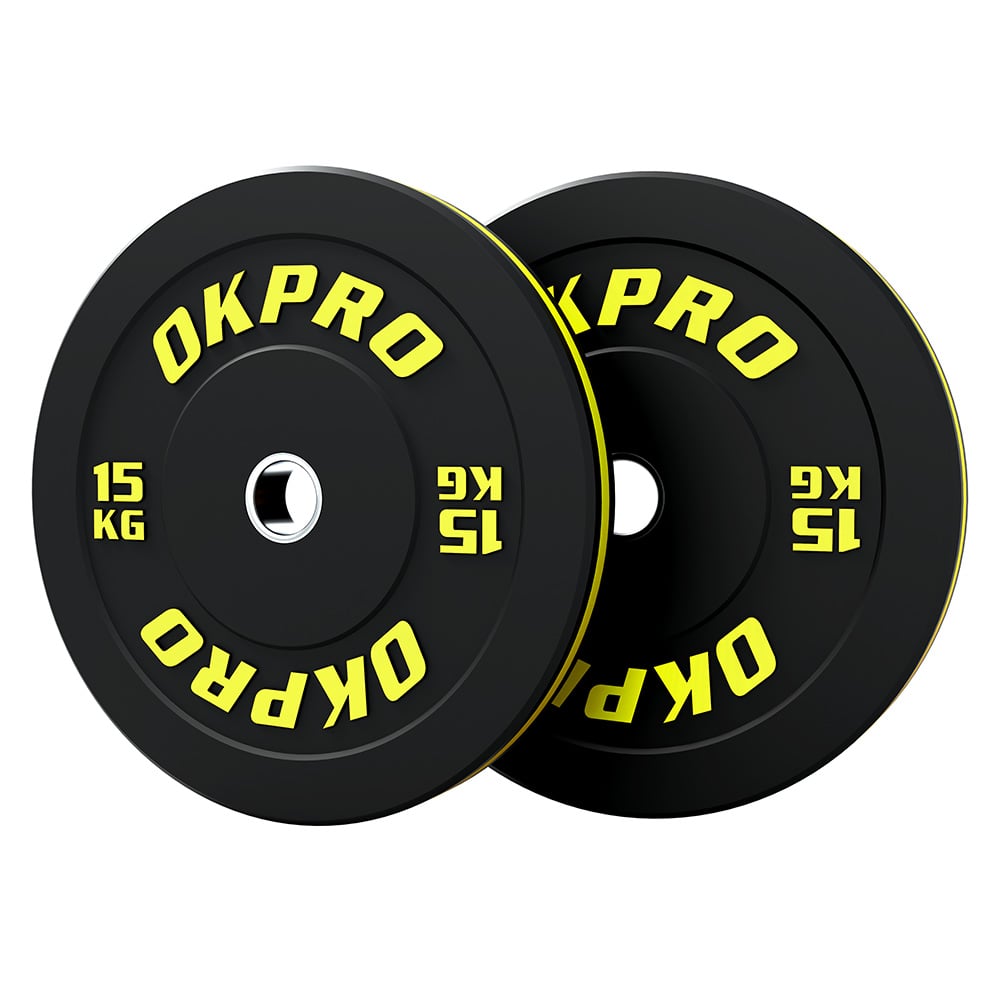
Introduction Hey, gym warrior! Ready to take your fitness to the next level? If you are nodding your head, it is about time we discuss a piece of equipment currently taking the fitness industry by storm — bumper plates! That legend, those colo...
View More
Custom Dumbbell Procurement for Large-Scale Fitness Centers

19

May

Custom Dumbbell Procurement for Large-Scale Fitness Centers

For large-scale fitness centers, procurement decisions carry significant operational and financial weight. When it comes to free weights, selecting the right custom dumbbell solution is not just about purchasing a product — it is about defining...
View More
What Makes Hex Dumbbells Safer for Professional Weight Training?

22

Jun

What Makes Hex Dumbbells Safer for Professional Weight Training?

When it comes to professional weight training, equipment safety is never a secondary concern. Hex dumbbells have become a widely trusted choice in gyms, training facilities, and performance centers precisely because their design addresses real risks ...
View More
How to Pick Weight Plates That Last in Commercial Gyms?

09

Jul

How to Pick Weight Plates That Last in Commercial Gyms?

Choosing the right urethane weight plate for a commercial gym environment is one of the most consequential purchasing decisions a facility manager can make. Unlike home gym setups, commercial facilities demand equipment that can withstand thousands o...
View More

Get a Free Quote

Email
Name
Company Name
Mobile
Message
0/1000

barbell factory

Controlled Production from Steel to Shipment

Controlled Production from Steel to Shipment

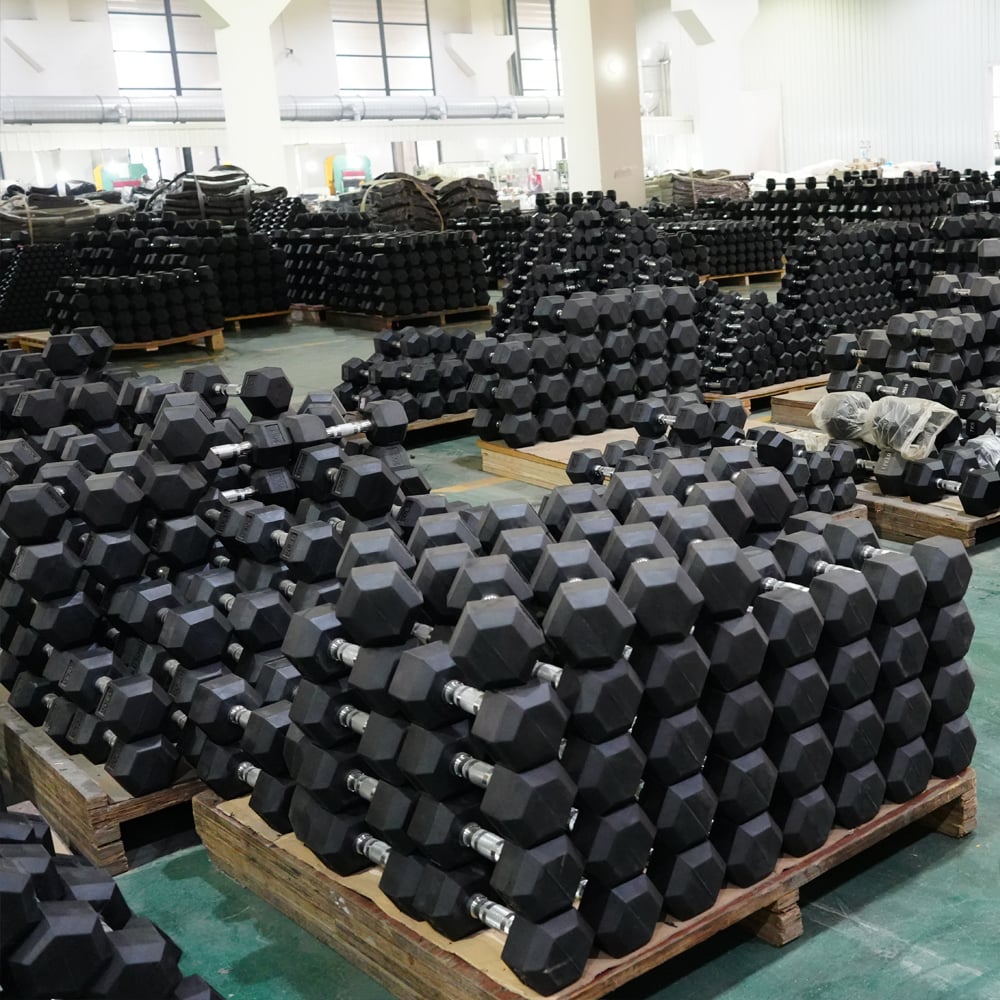
A key strength of a barbell factory is end-to-end control. The barbell factory can manage material receipt, forming, machining, knurling, surface treatment, assembly, inspection, and packing within one coordinated operation. This limits communication gaps between outside suppliers and makes quality issues easier to trace. The production team can check straightness, diameter, weight, sleeve movement, weld condition, coating coverage, and grip definition at several stages. These checks reduce the risk of receiving bars that look acceptable but perform poorly under repeated loading. For buyers, that means fewer returns, fewer replacement requests, and a more dependable experience for end users. This structure also supports repeat orders. Once a specification is approved, the barbell factory can use recorded measurements, samples, and process settings to reproduce the same product. Retailers and fitness brands gain a stable foundation for product reviews, catalog information, and customer expectations. The result is practical consistency rather than a one-time production success.
Flexible Customization for Different Markets

Flexible Customization for Different Markets

Customization makes a barbell factory valuable to more than large gym chains. The barbell factory can adapt bar length, shaft size, center and sleeve knurling, end markings, finish color, logo placement, packaging, and requested weight ranges. These options help buyers create equipment for a particular sport, user group, price level, or brand identity. A retailer may need an attractive general-purpose bar for home users, while a strength facility may request a heavier design with a firm grip and high load capacity. A hotel gym may prefer a clean finish and compact packaging, whereas a school may need simpler handling and clear weight labels. The same manufacturing partner can support these different requirements through planned product variations. Customization also improves commercial presentation. Branded cartons and engraved end caps make products easier to recognize and can strengthen customer trust. Because the barbell factory discusses requirements before production, buyers can review samples, confirm artwork, and control changes before committing to a full run. This reduces costly misunderstandings and supports a smoother launch.
Built for Reliable, Everyday Use

Built for Reliable, Everyday Use

Durability is a central selling point of a barbell factory focused on fitness equipment. The barbell factory selects suitable steel, surface protection, sleeves, bearings, bushings, and end components according to the intended application. This helps the finished bar withstand repeated lifting, storage, cleaning, and handling in demanding environments. A suitable surface finish can improve resistance to sweat, moisture, and light corrosion, while well-made knurling gives users a secure grip without making handling unnecessarily uncomfortable. Properly fitted sleeves can support smooth movement and reduce distracting noise during training. These details matter because small weaknesses become expensive when equipment is used by many people every day. Buyers also gain clearer product selection. The barbell factory can separate models by load rating, training purpose, user level, and maintenance needs. That information helps a customer match the bar to a home gym, performance center, school, or commercial club. With sensible care, inspection, and storage, the equipment can deliver dependable service and protect the buyer's long-term investment.

Get a Free Quote

Email
Name
Company Name
Mobile
Message
0/1000

Get a Free Quote

Email
Name
Company Name
Mobile
Message
0/1000