Barbell Bar for Strength and Home Gyms

Get a Free Quote

Email
Name
Company Name
Mobile
Message
0/1000

barbell bar

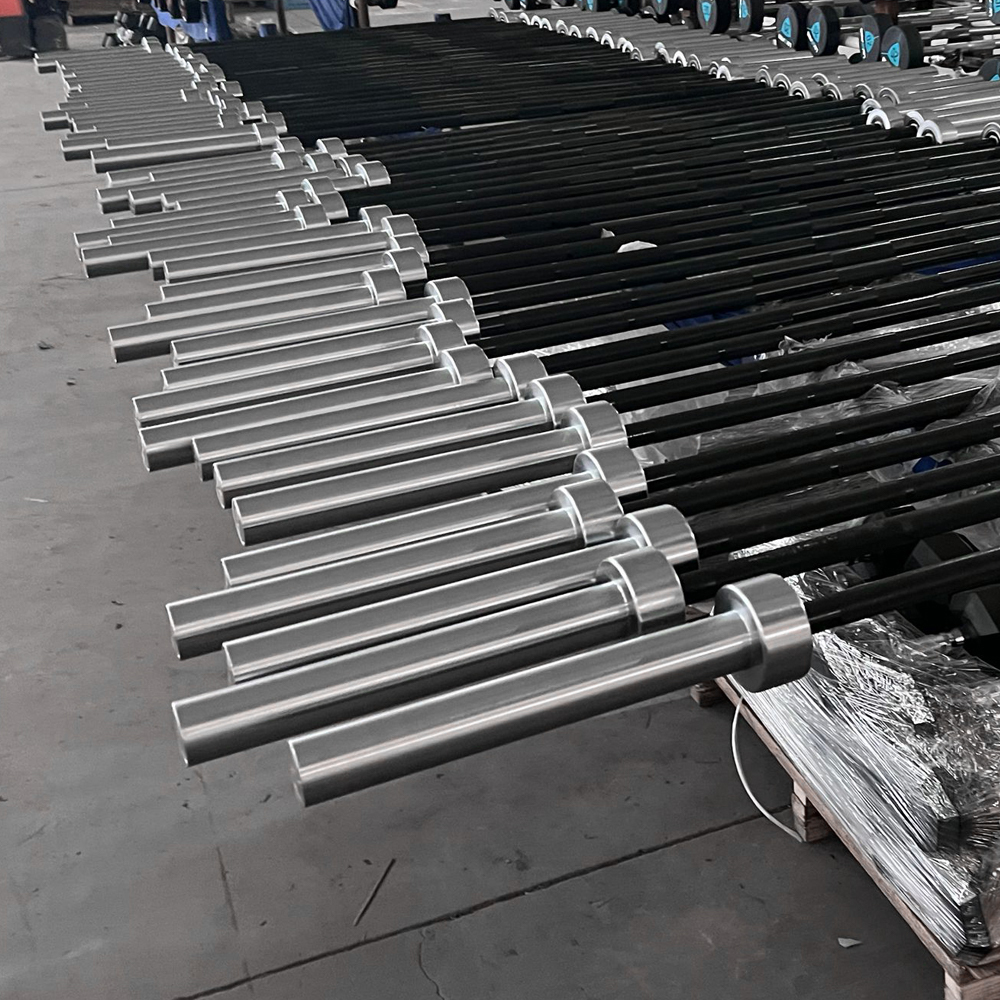
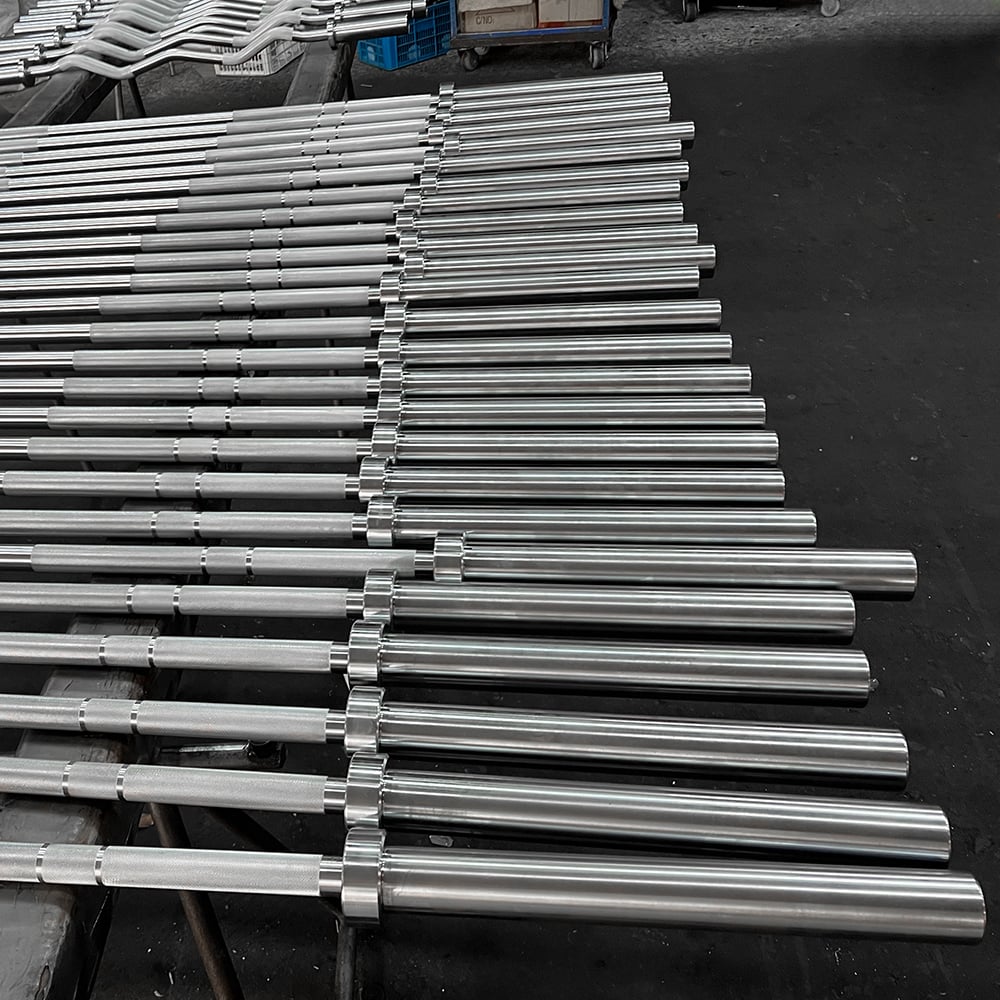
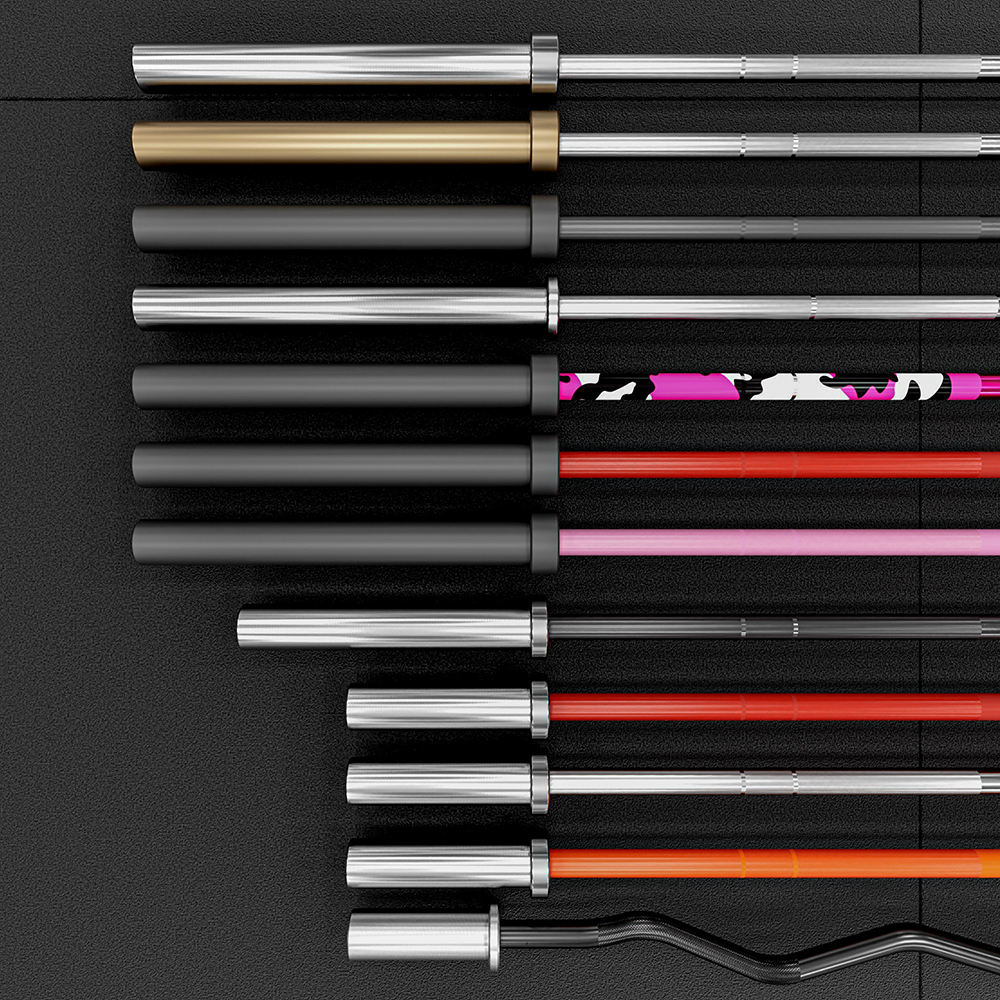
A barbell bar is a long, weighted training bar designed for strength exercises, muscle development, and controlled resistance work. It lets users place plates on both ends and perform movements such as squats, deadlifts, bench presses, overhead presses, rows, and lunges. The barbell bar transfers load through the hands while encouraging coordinated movement across the legs, hips, back, shoulders, and arms. This makes it a practical foundation for home gyms, fitness studios, schools, rehabilitation centers, and professional weight rooms. The barbell bar usually features a steel shaft, rotating sleeves, grip marks, and secure plate retainers. The shaft may use a polished, black oxide, chrome, or other protective finish to resist wear and improve handling. Knurled sections create friction between the hands and metal, helping users maintain control during heavy or fast lifts. A center mark can support consistent hand placement, while smooth sleeves allow plates to rotate and reduce stress on the wrists during dynamic exercises. Depending on the design, a barbell bar may support moderate training loads or very high working weights. A well-made barbell bar balances strength, flexibility, grip comfort, and reliable movement. Its diameter, length, weight, sleeve design, and load rating determine which exercises it suits best. The barbell bar can serve beginners who need a stable tool for learning technique and experienced lifters who require dependable performance. The barbell bar also works with racks, benches, platforms, collars, and standard weight plates. For beginners, a barbell bar with moderate weight and clear grip markings can simplify learning. When a barbell bar matches the user, space, and training plan, it becomes a versatile and durable part of a complete resistance-training system.

New Product Releases

The main advantage of a barbell bar is versatility. One bar supports many exercises, so buyers can train the full body without purchasing separate equipment for every movement. A barbell bar can help build strength, power, balance, and muscle using adjustable plates. This gives home users more training options while keeping equipment costs and storage needs under control. A barbell bar also supports measurable progress. Users can add small amounts of weight as their ability improves, record each session, and follow a clear training plan. This simple loading system makes results easier to track than workouts based only on body weight. The barbell bar helps coaches and facility owners create repeatable programs for beginners, athletes, and general fitness members. Grip markings improve hand placement and make technique more consistent. On a barbell bar with well-shaped knurling, the user can hold the shaft firmly without relying on excessive squeezing. This may improve confidence during pressing, pulling, and squatting movements. Rotating sleeves provide another practical benefit: they let plates move more naturally during lifts and can reduce unwanted twisting at the hands and forearms. A barbell bar with strong sleeves, durable finish, and accurate balance can remain dependable through frequent use. Buyers should match the barbell bar to its intended setting. A general-purpose model suits home training and mixed gym use, while a stiffer, higher-capacity model may better serve serious strength work. A shorter barbell bar can fit smaller rooms, whereas a longer option may work better with full-size racks. Checking shaft diameter, total length, empty weight, sleeve length, load capacity, finish, and included collars helps prevent an unsuitable purchase. The barbell bar offers good long-term value because one durable tool can support many years of progressive training. Facilities also benefit from simple maintenance, easy plate changes, and broad user appeal. With proper storage, inspection, and cleaning, the barbell bar can deliver safe, efficient, and comfortable operation across many applications.

Practical Tips

Choosing the Perfect Dumbbells for Your Fitness Goals

03

Jul

Choosing the Perfect Dumbbells for Your Fitness Goals

IntroductionHey fitness enthusiasts! Ready to level up your workouts? Dumbbells are incredibly versatile and can target a variety of muscle groups. But with so many options available, how do you know which ones are right for you? Let’s break it...
View More
Dumbbells: The Versatile Choice for Strength Training

03

Jul

Dumbbells: The Versatile Choice for Strength Training

Introduction Hey there, fitness fanatic! Looking to bust a move in the gym? If you dutifully nodded along, allow us to break down the gym equivalent of unsung heroes... dumbbells. Indeed, those inexpensive yet highly functional weights are the ...
View More
What Makes Hex Dumbbells Safer for Professional Weight Training?

22

Jun

What Makes Hex Dumbbells Safer for Professional Weight Training?

When it comes to professional weight training, equipment safety is never a secondary concern. Hex dumbbells have become a widely trusted choice in gyms, training facilities, and performance centers precisely because their design addresses real risks ...
View More
How Can Hexagonal Dumbbells Improve Safety in High-Intensity Training Spaces?

22

Jun

How Can Hexagonal Dumbbells Improve Safety in High-Intensity Training Spaces?

In any high-intensity training environment, equipment safety is not optional — it is a fundamental requirement. Hexagonal dumbbells have become a preferred choice for commercial gyms, functional fitness facilities, and performance training cent...
View More

Get a Free Quote

Email
Name
Company Name
Mobile
Message
0/1000

barbell bar

Strong Construction for Reliable Training

Strong Construction for Reliable Training

A durable barbell bar gives users confidence when lifting, lowering, and holding meaningful loads. Its steel shaft is built to resist bending under normal training conditions, while a protective finish helps defend against sweat, scratches, and surface wear. This matters because equipment that keeps its shape and feel can support consistent technique over time. A dependable barbell bar also reduces the need for frequent replacement, helping home users and facility managers protect their budgets. Construction quality affects more than service life. A balanced barbell bar feels predictable as it moves through a squat, press, or deadlift. Accurate sleeves help plates sit securely, and suitable load capacity lets users progress without quickly outgrowing the equipment. Buyers should review the stated weight limit and intended use before ordering. For commercial rooms, a hard-wearing barbell bar can handle repeated sessions from different users. For a home gym, the same focus on material strength provides a stable base for long-term training and fewer equipment concerns.
Comfortable Grip and Controlled Movement

Comfortable Grip and Controlled Movement

A useful barbell bar combines secure grip with smooth movement. Carefully shaped knurling gives the hands traction during pressing, pulling, squatting, and lifting, helping users keep the bar in the intended position. Clear grip marks also make setup faster because users can repeat a familiar hand width from one session to the next. These details are valuable for beginners learning technique and for experienced athletes seeking consistent performance. Rotating sleeves add another important benefit. As plates turn during an exercise, the sleeves allow that movement instead of forcing the hands and wrists to absorb all of the rotation. This can make dynamic lifts feel more natural and comfortable. A balanced barbell bar should not feel awkward when loaded evenly, and its smooth surface should support regular cleaning. Buyers can compare grip texture, shaft diameter, sleeve rotation, and finish to find a barbell bar that suits their hands and preferred exercises. The result is better handling, easier setup, and greater training confidence.
Versatile Choice for Multiple Environments

Versatile Choice for Multiple Environments

A versatile barbell bar can serve many users and locations. In a home gym, it supports full-body workouts while taking less space than a collection of specialized machines. In a commercial facility, the barbell bar can support classes, personal training, strength programs, and general member use. Schools, clubs, and rehabilitation settings may also use a suitable barbell bar for supervised resistance exercises and gradual load progression. Its broad application makes selection important. A standard barbell bar may suit everyday strength training, while a model with a higher load rating may better fit advanced lifters. Length should match the rack and available floor area, and sleeve dimensions should match the plates already owned. A lighter barbell bar can help new users develop control, while a heavier design may provide a more stable feel for demanding work. Choosing the right barbell bar improves space efficiency, supports varied programs, and gives buyers one dependable tool with lasting practical value.

Get a Free Quote

Email
Name
Company Name
Mobile
Message
0/1000

Get a Free Quote

Email
Name
Company Name
Mobile
Message
0/1000