free weight
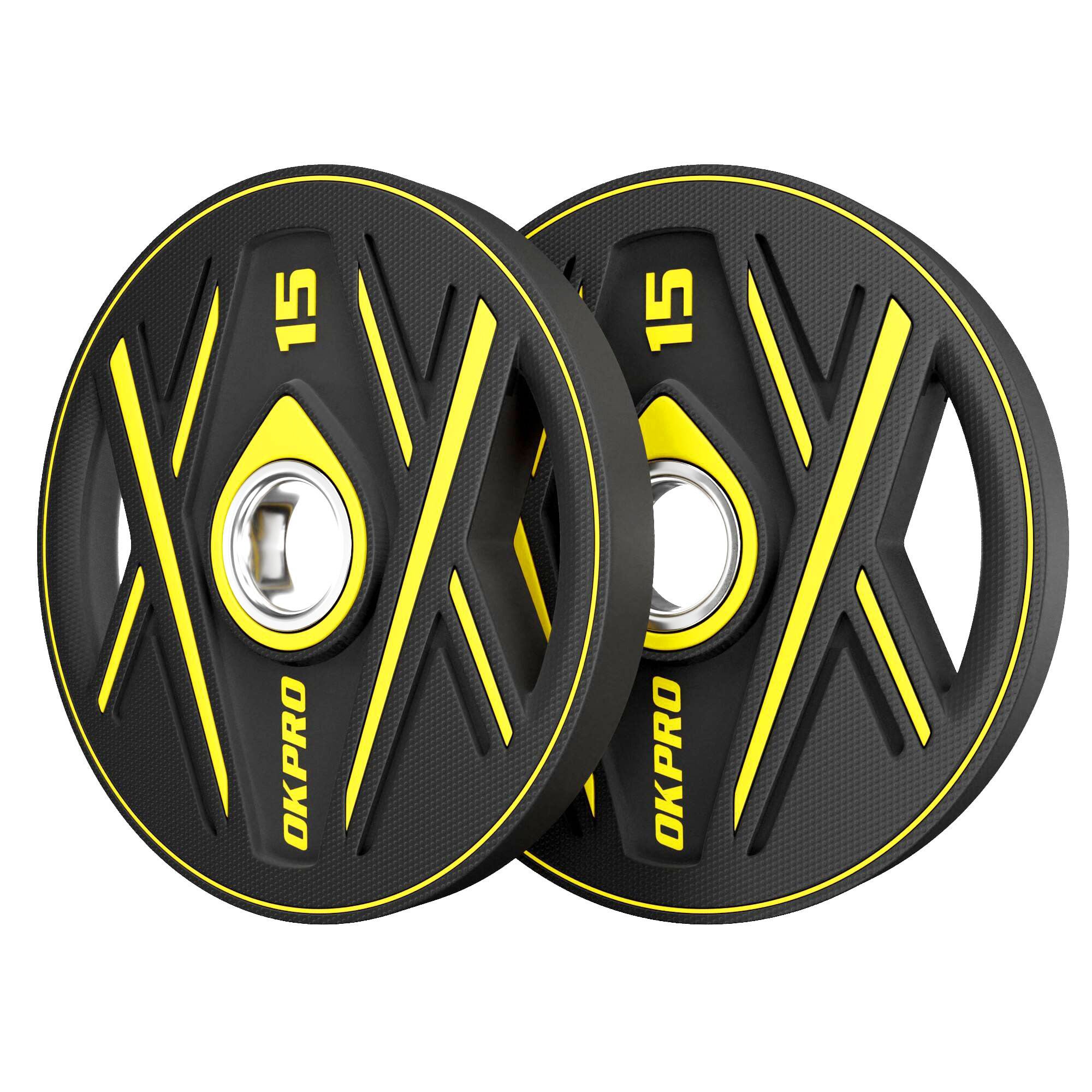
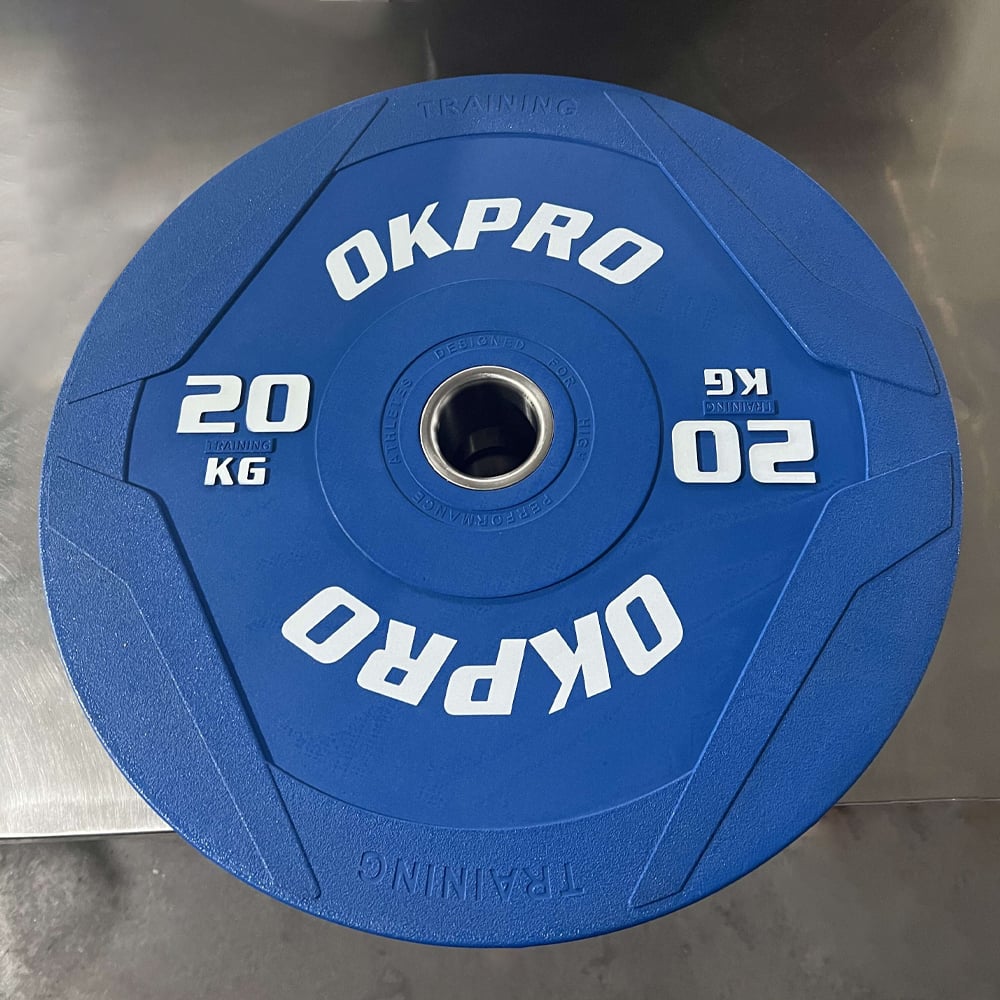
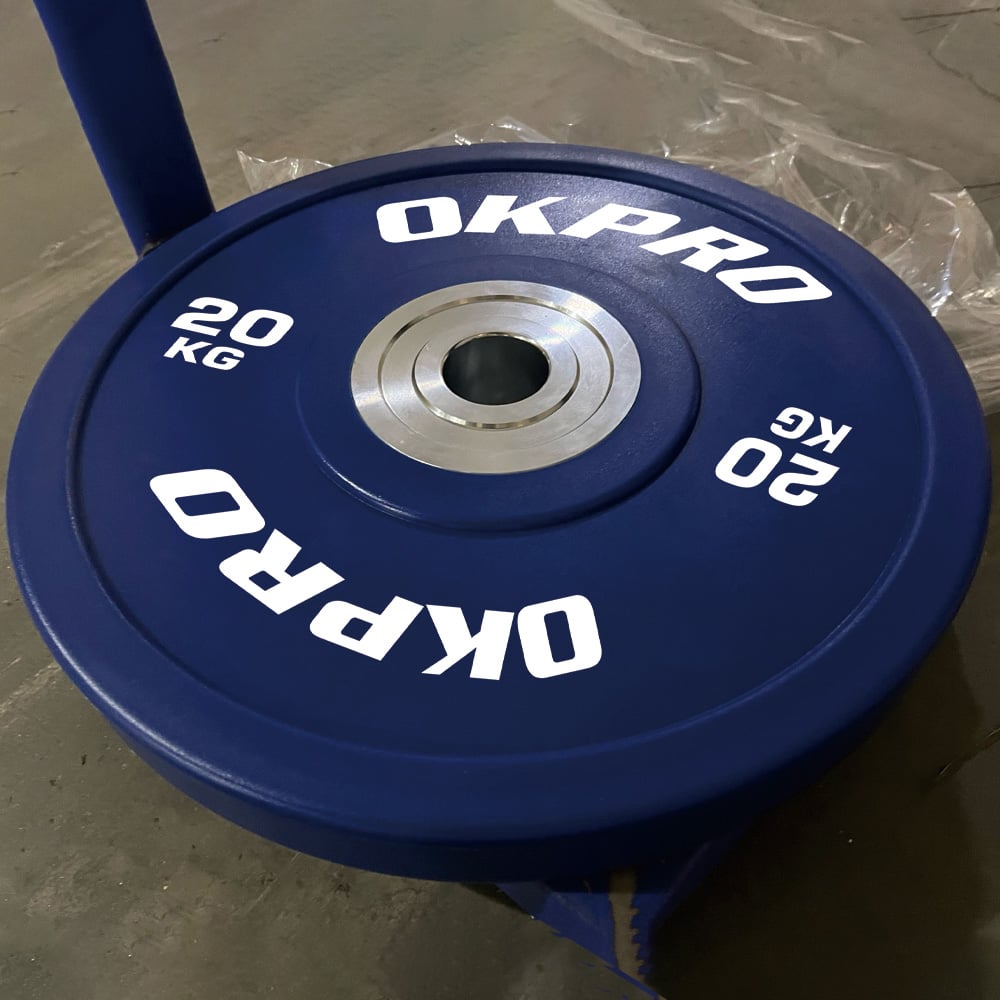
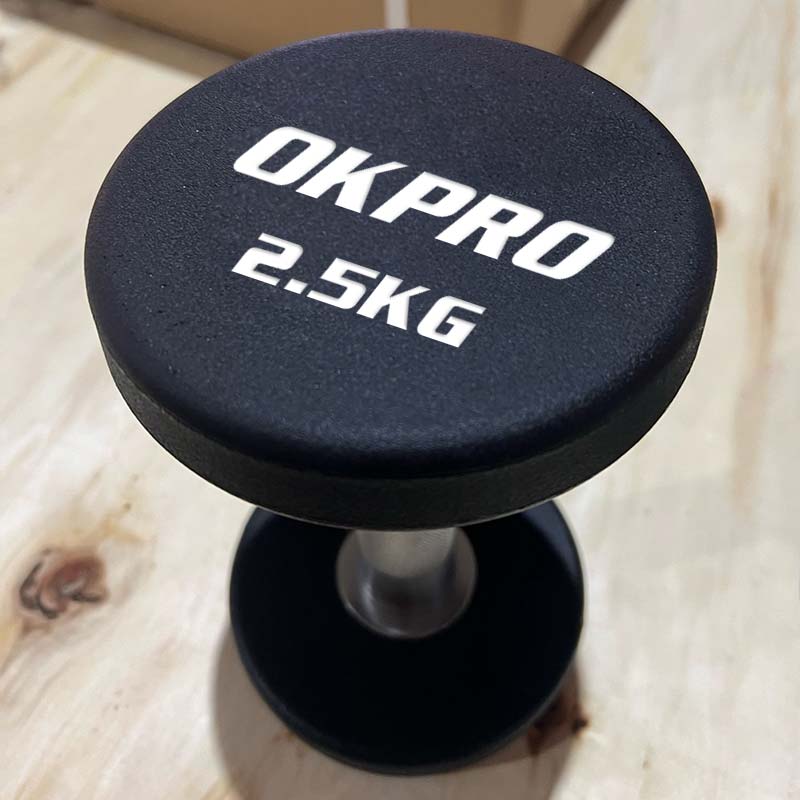
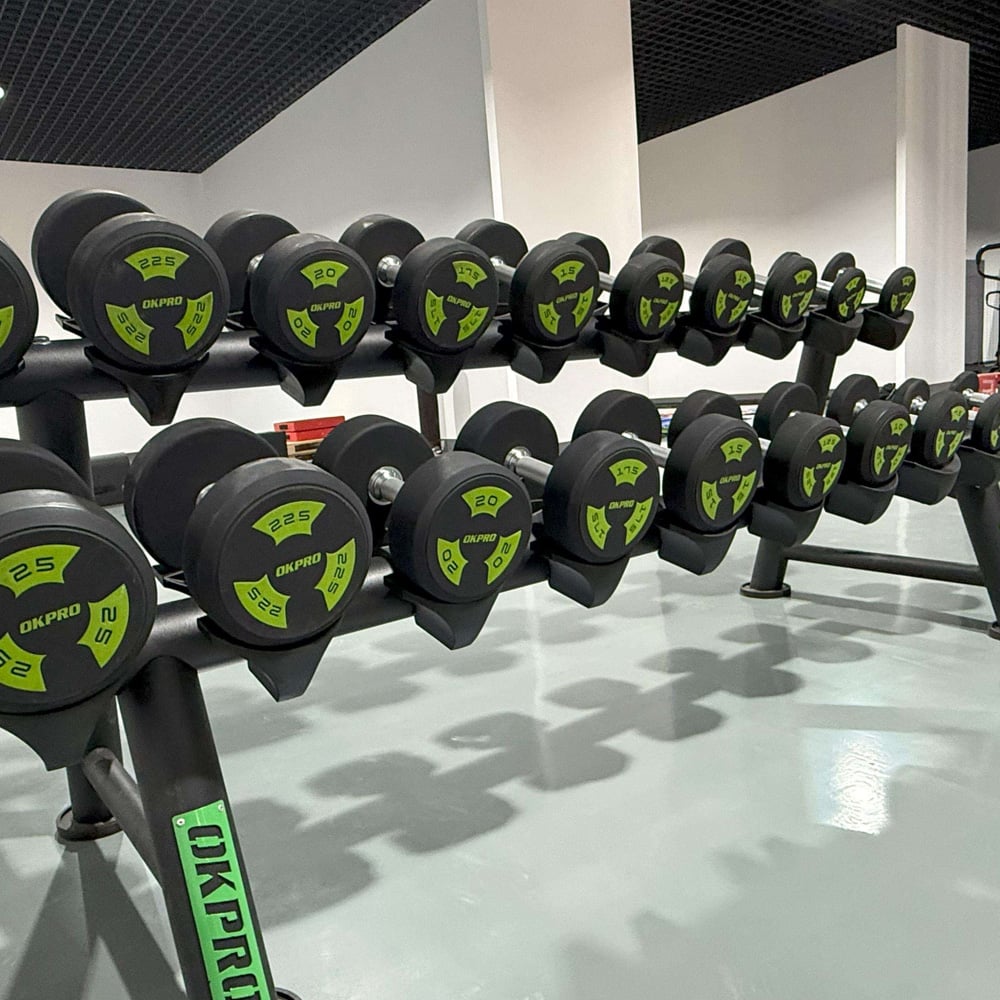
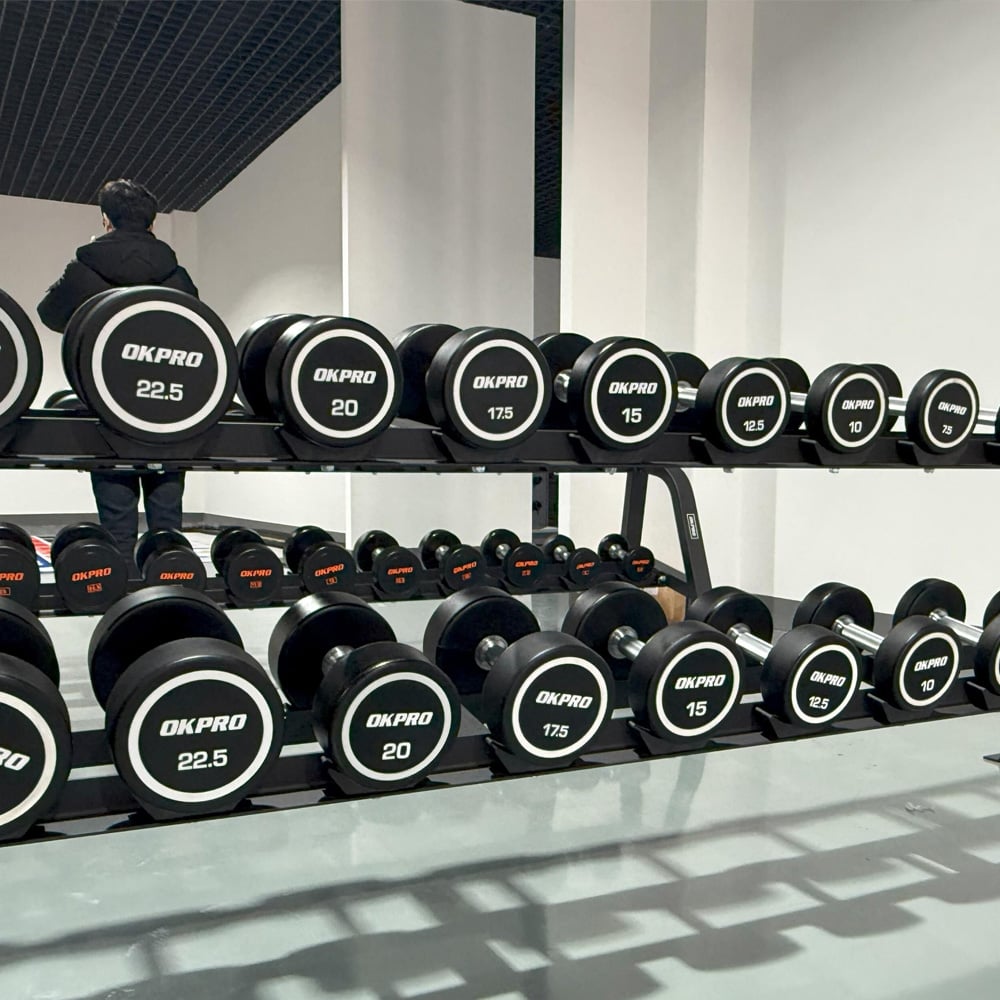
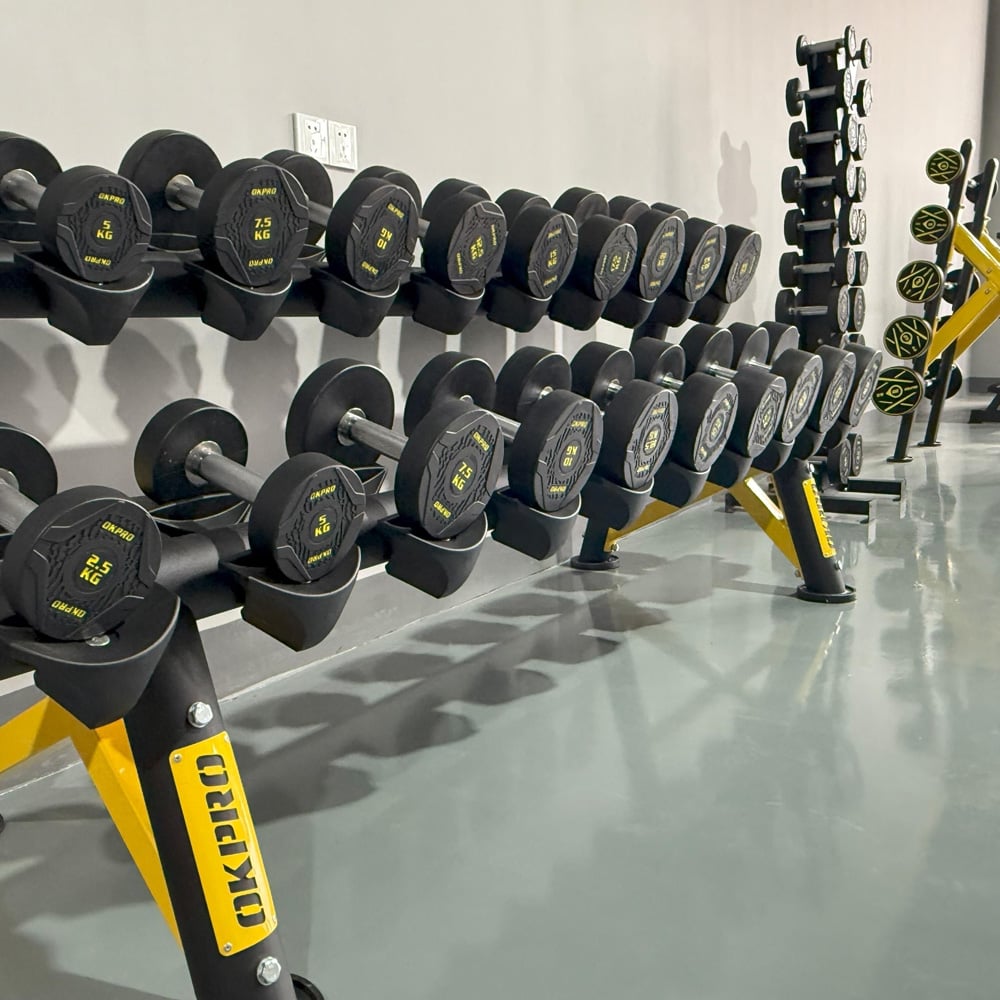
A free weight is a strength-training tool that lets users lift resistance without a fixed machine path. Common examples include dumbbells, barbells, kettlebells, plates, and adjustable sets. Unlike guided equipment, a free weight requires the user to control balance, direction, and range of motion. This makes the free weight useful for building strength, improving coordination, and training muscles through natural movement patterns. A modern free weight may use forged steel, cast iron, chrome, rubber, urethane, or reinforced polymer surfaces. These materials support long service life while helping protect floors and reduce noise. Many designs include textured handles, rounded edges, secure collars, clear weight markings, and a balanced center of mass. Some advanced models add sensors, Bluetooth connectivity, QR identification, or app support. These features can record repetitions, load, workout time, and progress when the free weight is used in a connected training program. When selected correctly, a free weight supports pressing, pulling, squatting, hinging, carrying, and rotational exercises. Each free weight can serve beginners, athletes, rehabilitation users, personal trainers, and commercial gym members. Adjustable versions allow one free weight to replace several fixed units, saving space and reducing equipment costs. For home use, the free weight offers flexible training without requiring a large machine. In a studio or fitness center, the free weight supports group circuits, personal coaching, and varied workout plans. The free weight also works well for strength, conditioning, mobility, and functional training. Many commercial products feature protective coatings and storage-friendly shapes for easier handling. A well-designed free weight should feel stable, comfortable, visible, and easy to maintain. In short, free weight equipment combines simple mechanics with practical technology to deliver adaptable resistance for many training goals.
 EN