Free Weight for Stronger, Smarter Training

Get a Free Quote

Email
Name
Company Name
Mobile
Message
0/1000

free weight

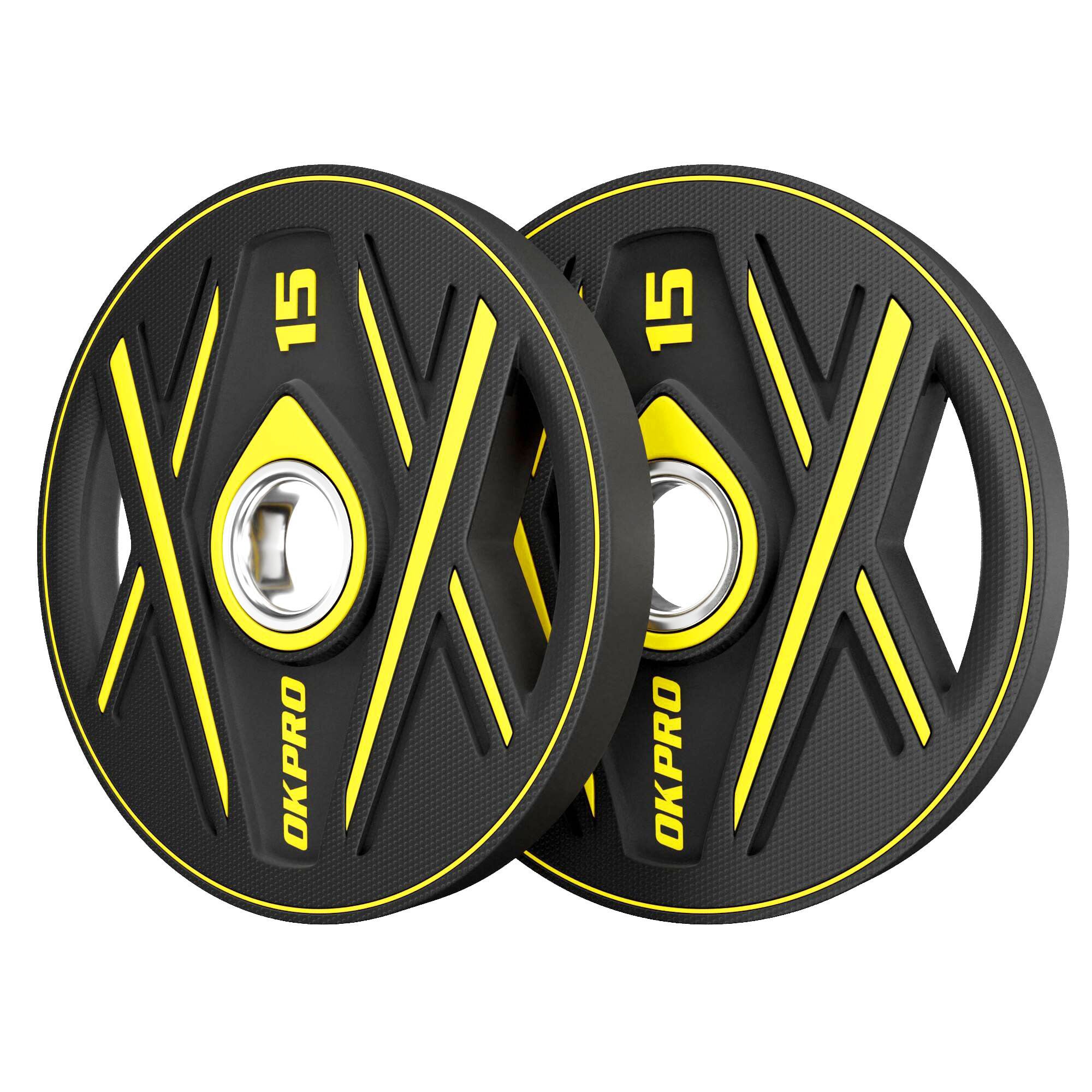
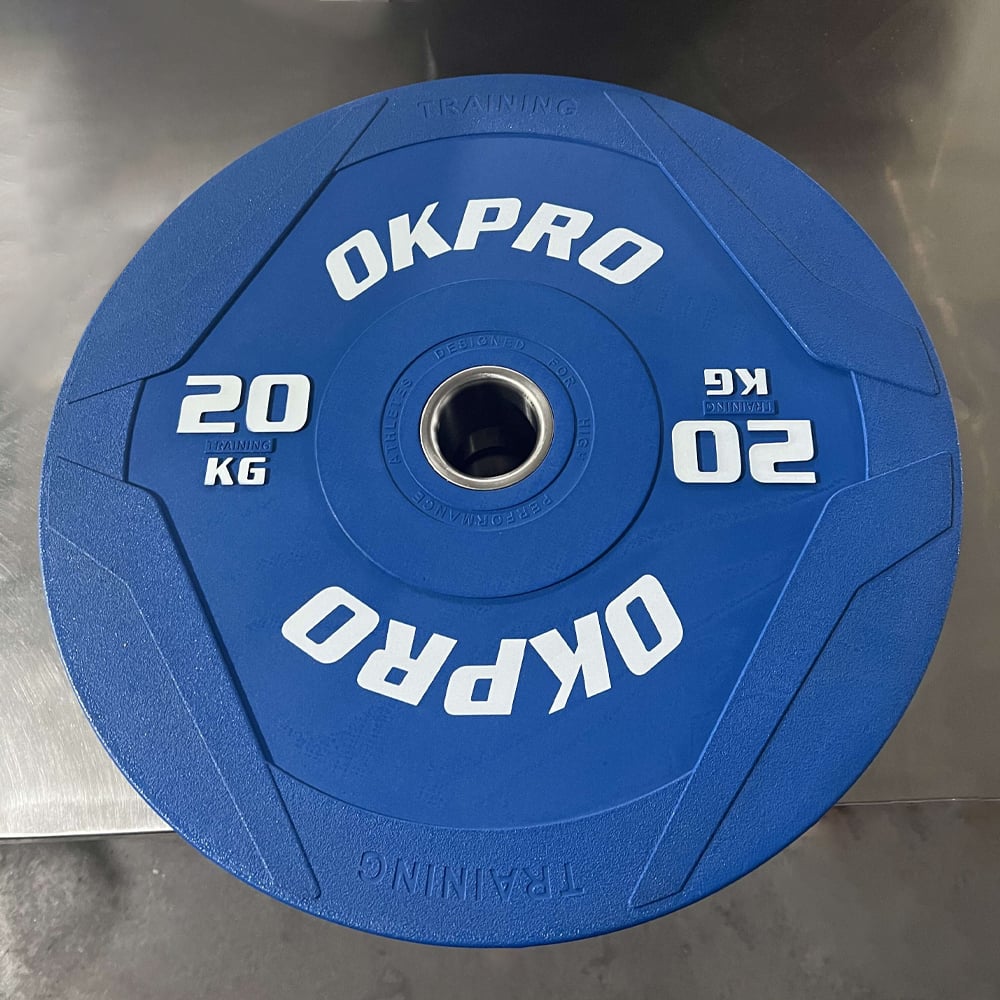
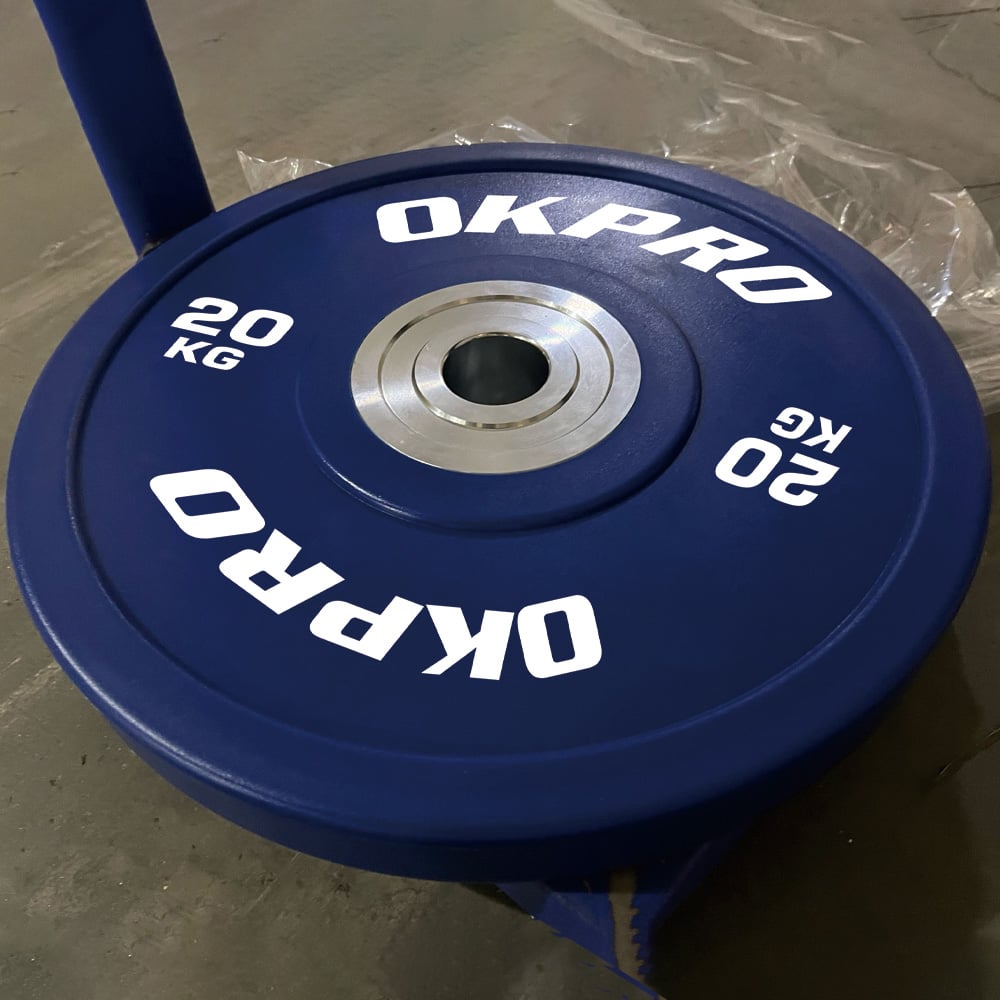
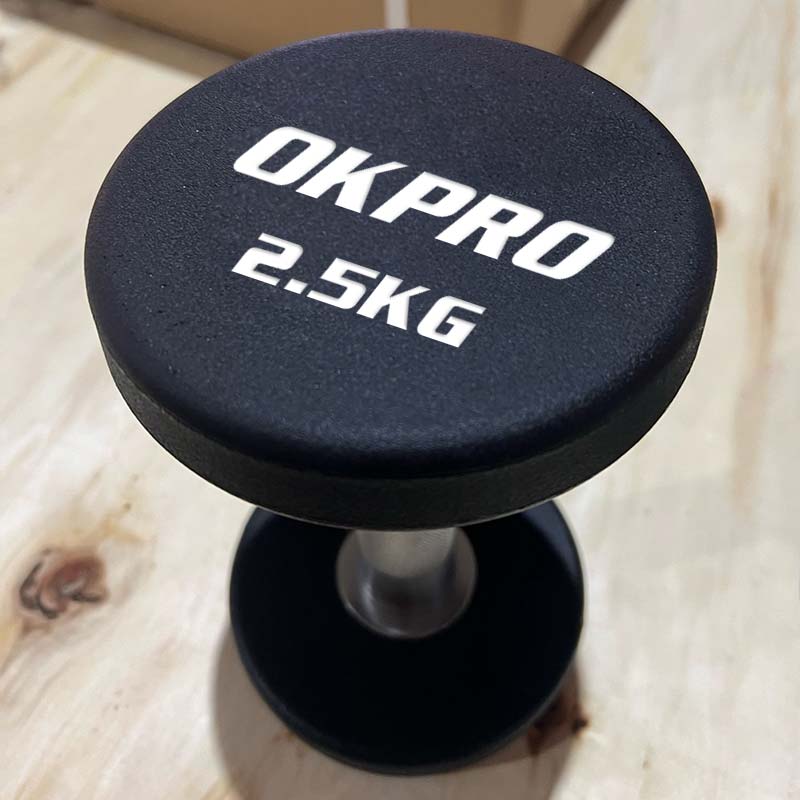
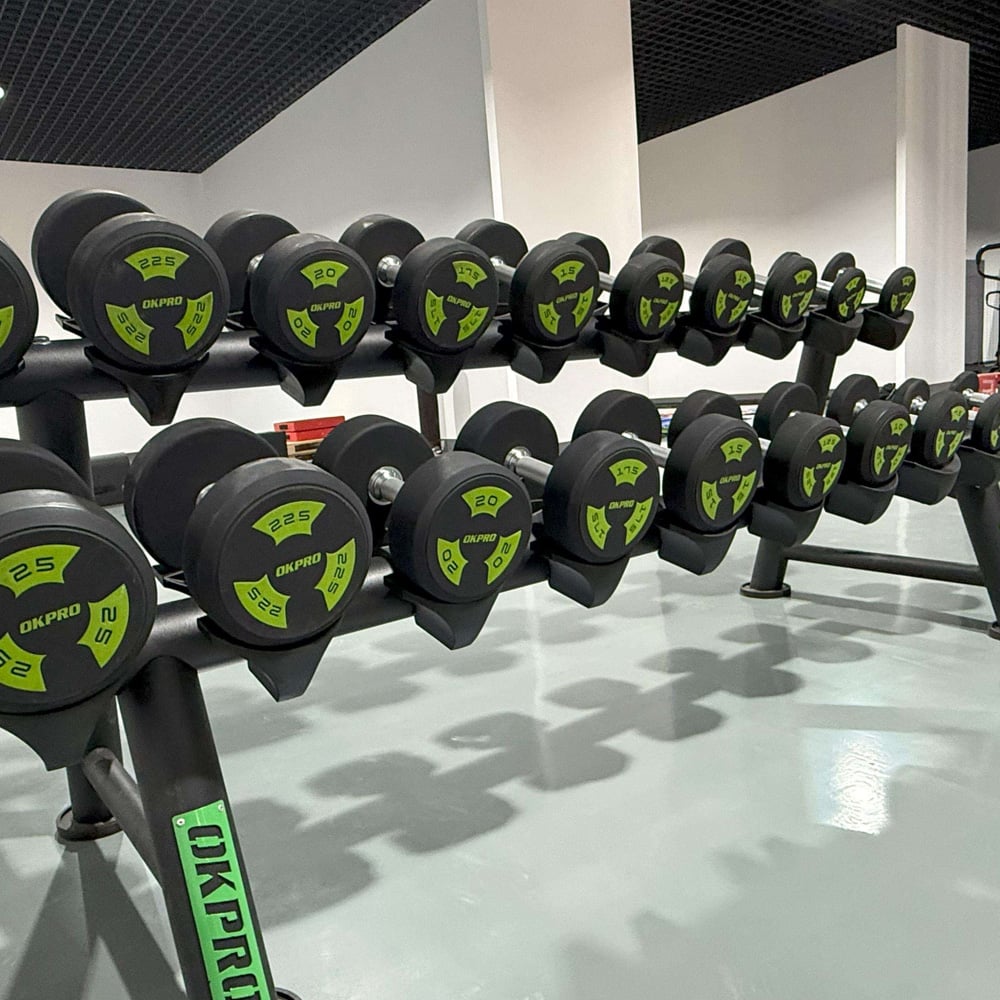
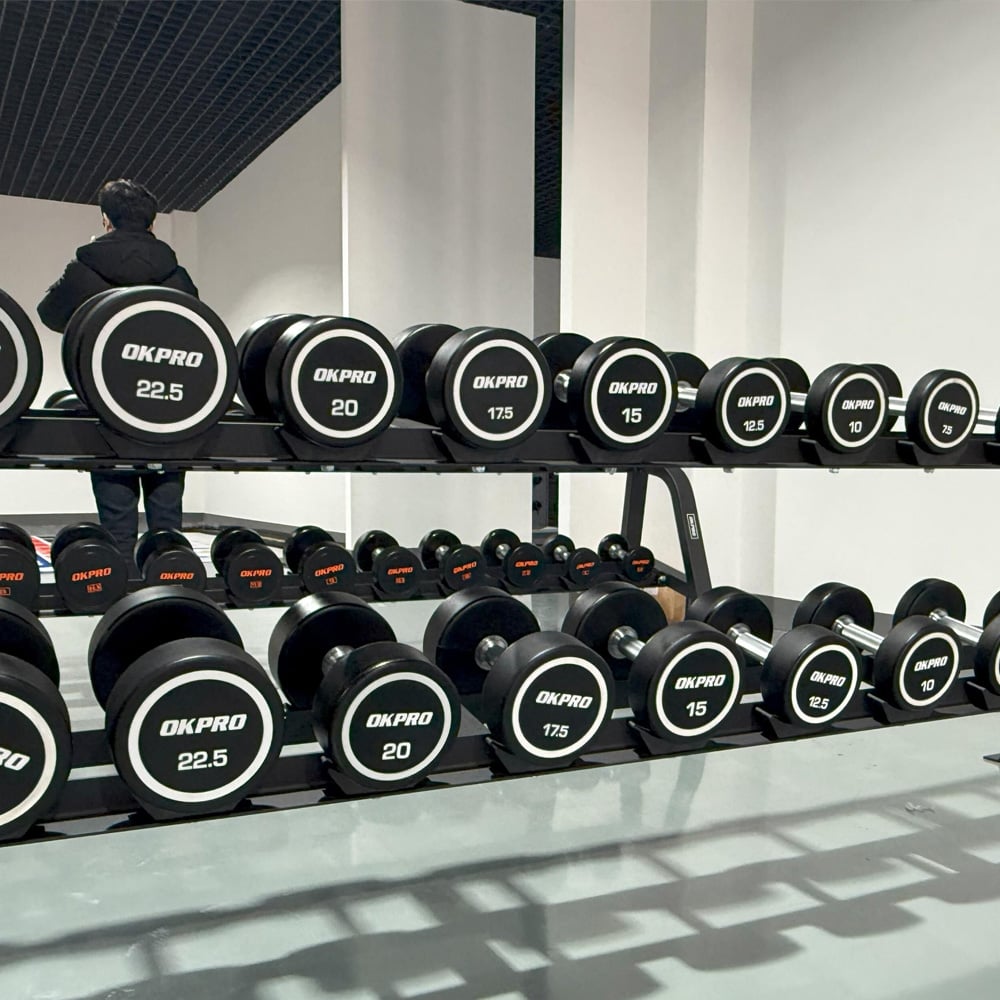
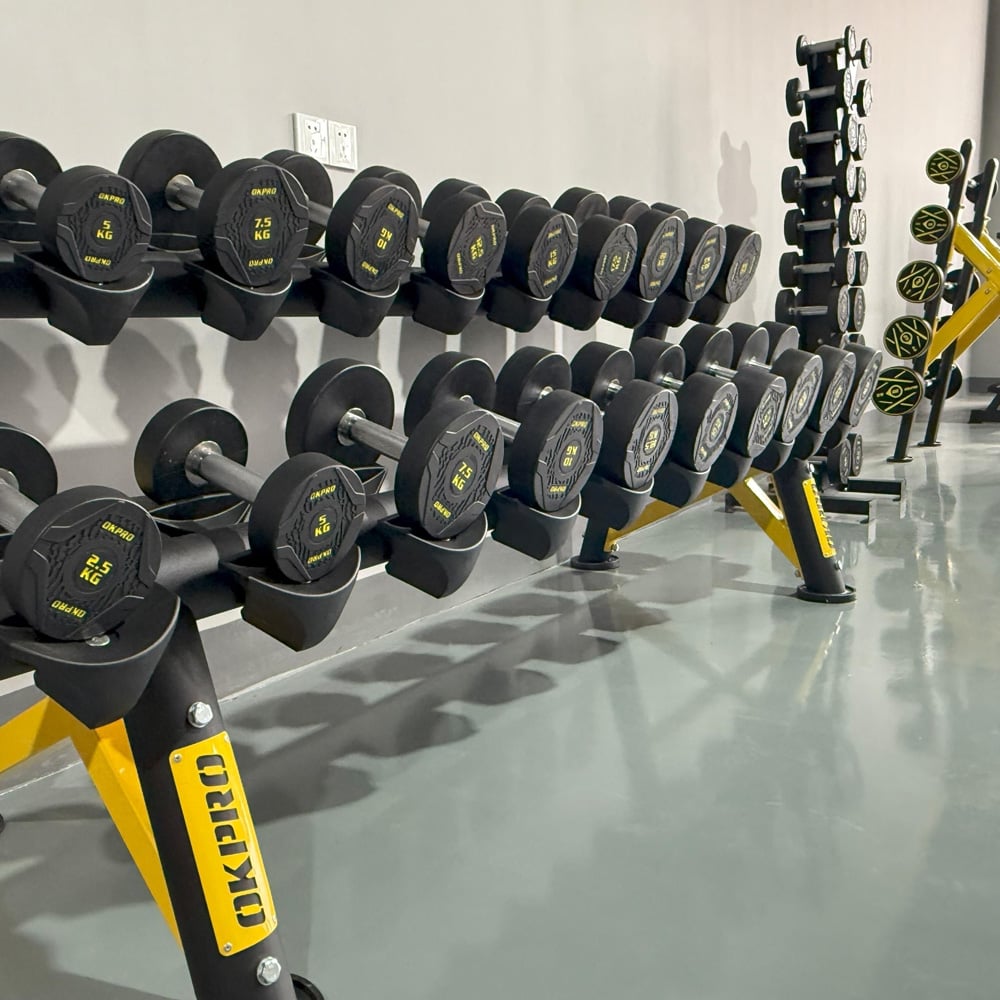
A free weight is a strength-training tool that lets users lift resistance without a fixed machine path. Common examples include dumbbells, barbells, kettlebells, plates, and adjustable sets. Unlike guided equipment, a free weight requires the user to control balance, direction, and range of motion. This makes the free weight useful for building strength, improving coordination, and training muscles through natural movement patterns. A modern free weight may use forged steel, cast iron, chrome, rubber, urethane, or reinforced polymer surfaces. These materials support long service life while helping protect floors and reduce noise. Many designs include textured handles, rounded edges, secure collars, clear weight markings, and a balanced center of mass. Some advanced models add sensors, Bluetooth connectivity, QR identification, or app support. These features can record repetitions, load, workout time, and progress when the free weight is used in a connected training program. When selected correctly, a free weight supports pressing, pulling, squatting, hinging, carrying, and rotational exercises. Each free weight can serve beginners, athletes, rehabilitation users, personal trainers, and commercial gym members. Adjustable versions allow one free weight to replace several fixed units, saving space and reducing equipment costs. For home use, the free weight offers flexible training without requiring a large machine. In a studio or fitness center, the free weight supports group circuits, personal coaching, and varied workout plans. The free weight also works well for strength, conditioning, mobility, and functional training. Many commercial products feature protective coatings and storage-friendly shapes for easier handling. A well-designed free weight should feel stable, comfortable, visible, and easy to maintain. In short, free weight equipment combines simple mechanics with practical technology to deliver adaptable resistance for many training goals.

New Product Recommendations

The main advantage of a free weight is training freedom. Users can move through a natural path instead of following a machine track, so one free weight can support many exercises and body positions. This flexibility helps buyers create varied workouts without purchasing a separate device for every muscle group. A free weight also encourages stabilizing muscles to work alongside the primary muscles. As a result, users can develop strength, balance, coordination, and control in a single session. For beginners, a light free weight provides a manageable way to learn technique. For experienced athletes, a heavier free weight offers progressive resistance and demanding compound movements. Adjustable models add value by combining several load options in one compact unit. Buyers save floor space, simplify storage, and reduce the cost of building a complete home gym. A free weight with a rubber or urethane coating can also reduce noise, protect flooring, and withstand frequent use. Textured handles improve grip during sweaty workouts, while visible markings make weight selection faster and reduce mistakes between sets. In a commercial facility, a free weight supports personal training, small-group classes, circuit sessions, and independent workouts. Coaches can adapt the same free weight to different fitness levels, which improves equipment utilization and customer satisfaction. Connected features may provide useful data about repetitions, volume, and workout consistency. This information helps users set realistic goals and helps trainers review progress. However, buyers should match load range, handle size, coating, storage needs, and sensor functions to their actual use. A compact free weight suits apartments and mobile training, while rugged fixed units suit busy gyms. The right free weight delivers dependable resistance, broad exercise coverage, easy maintenance, and strong long-term value.

Latest News

Transform Your Home Gym with Top-Rated Fitness Equipment

03

Jul

Transform Your Home Gym with Top-Rated Fitness Equipment

Introduction The trend toward training at home is growing in popularity due to the convenience and ability for customization of a gym, which perfectly aligns with work from anywhere headsets as well as personalized guidance through connected fitness ...
View More
Why Premium High-Density Rubber is Non-Negotiable for Gym Bumper Plates

22

Jun

Why Premium High-Density Rubber is Non-Negotiable for Gym Bumper Plates

When outfitting a serious gym, few decisions carry as much weight as choosing the right rubber bumper plates. Rubber bumper plates are the foundation of any functional weightlifting setup, and the material used in their construction directly determin...
View More
Essential for Olympic Lifting: Selecting Bumper Plates with Secure Steel Inner Rings

22

Jun

Essential for Olympic Lifting: Selecting Bumper Plates with Secure Steel Inner Rings

When it comes to Olympic lifting, the equipment you choose directly affects your performance, safety, and the longevity of your training environment. Among all the gear involved, bumper plates stand out as one of the most critical components. Unlike ...
View More
How to Pick Weight Plates That Last in Commercial Gyms?

09

Jul

How to Pick Weight Plates That Last in Commercial Gyms?

Choosing the right urethane weight plate for a commercial gym environment is one of the most consequential purchasing decisions a facility manager can make. Unlike home gym setups, commercial facilities demand equipment that can withstand thousands o...
View More

Get a Free Quote

Email
Name
Company Name
Mobile
Message
0/1000

free weight

Flexible Training for Full-Body Results

Flexible Training for Full-Body Results

A key selling point of a free weight is its ability to support a wide range of movements. One unit can be used for curls, rows, presses, lunges, squats, carries, and controlled rotational exercises. This versatility allows users to train the upper body, lower body, and core without changing to a different machine. A free weight also lets the body follow a more natural movement path, which can improve coordination and practical strength. Buyers gain more exercise options from every dollar spent, while coaches can design progressive programs around the same equipment. Adjustable versions make this benefit even stronger because users can change resistance as their ability improves. The result is a compact training solution for home gyms, studios, hotels, schools, and professional facilities. Whether the goal is muscle development, general fitness, athletic conditioning, or recovery, a free weight can adapt to the session. Its simple design keeps setup fast and makes transitions between exercises efficient.
Durable Design and Comfortable Handling

Durable Design and Comfortable Handling

A dependable free weight should remain stable, safe, and comfortable through repeated use. Quality steel construction helps resist bending, cracking, and impact, while protective rubber or urethane can guard the floor and reduce training noise. A balanced shape improves control during lifting, lowering, and changing direction. Knurled or textured handles help users keep a secure grip without excessive hand strain. Clear weight markings make selection easy, which supports faster workouts and better coaching. These details matter because a free weight often receives daily use in busy homes and commercial gyms. Durable finishes also simplify cleaning and help the equipment maintain a professional appearance over time. Buyers can therefore expect fewer replacements, less maintenance, and more reliable access to training resistance. For shared facilities, a robust free weight can handle different users and exercise styles without sacrificing comfort. The practical value is simple: better handling supports better technique, while durable materials protect the investment.
Smart Tracking and Efficient Progress

Smart Tracking and Efficient Progress

Some modern equipment adds digital tools that make a free weight more informative without changing its basic function. Integrated sensors, Bluetooth links, QR codes, or app connections can help record repetitions, selected load, lifting tempo, and total training volume. This information gives users a clearer view of progress than memory alone. A free weight with tracking support can help beginners follow a structured plan and help experienced athletes manage workload more carefully. Trainers can use recorded data to review consistency, adjust resistance, and identify when a program needs variation. Digital identification can also help gyms organize inventory and monitor equipment use. These features are especially useful for connected home gyms, coaching services, rehabilitation programs, and performance centers. Technology should remain easy to use, with dependable pairing and clear data rather than complicated setup. When implemented well, a free weight combines the reliability of traditional resistance with convenient feedback. Buyers gain a practical way to measure effort, support accountability, and make better training decisions over time.

Get a Free Quote

Email
Name
Company Name
Mobile
Message
0/1000

Get a Free Quote

Email
Name
Company Name
Mobile
Message
0/1000